Guide to Shatavari for Women: Your FAQ Answered

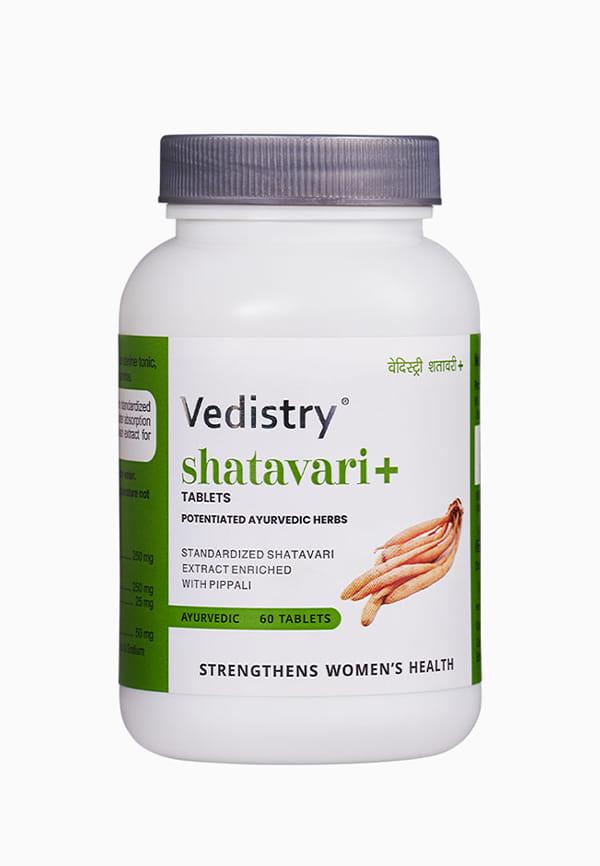
Vedistry Shatavari
Shatavari has been making waves in the wellness world, and honestly, it's about time this ancient Ayurvedic herb got the spotlight it deserves. Known as the "queen of herbs" for women's health, shatavari (Asparagus racemosus) has been supporting female wellness for over 2,000 years. Whether you're dealing with hormonal imbalances, looking to support your fertility journey, or navigating menopause, this adaptogenic herb might just become your new wellness ally. From traditional root powder to modern capsules, there are plenty of ways to incorporate shatavari into your routine. With so many wellness brands now offering shatavari products available on Smytten, it's easier than ever to explore this powerful herb and find what works best for your body. Let's dive into everything you need to know about shatavari benefits for women and how to use it safely.
Shatavari is an Ayurvedic herb traditionally used to support women's hormonal balance, fertility, and reproductive health
Typical shatavari dosage for women ranges from 3-6g daily for powder or 500-1,000mg for capsules, taken with food
Benefits include supporting menstrual regularity, menopause symptoms, lactation, and overall hormonal wellness
Start slowly and consult healthcare providers, especially if you're pregnant, breastfeeding, or taking medications
Quality matters—look for organic, third-party tested products from reputable brands
Shatavari, scientifically known as Asparagus racemosus, is a climbing plant native to India and the Himalayas. In Sanskrit, "shatavari" literally translates to "she who possesses a hundred husbands," which gives you a pretty good idea of its reputation for supporting female vitality and reproductive health. This herb belongs to the asparagus family and has been classified in Ayurveda as a rasayana—essentially a rejuvenative tonic that promotes longevity and overall wellness.
What makes shatavari so special for women's health are its active compounds, particularly saponins, alkaloids, and phytoestrogens. These natural plant compounds work synergistically to support hormonal balance and reproductive function. The root of the plant, which is the part used medicinally, contains steroidal saponins called shatavarins, which are believed to be responsible for many of its therapeutic effects.
Real talk—whilst shatavari has been used traditionally for centuries, modern research is still catching up to validate what Ayurvedic practitioners have long known. However, the studies that do exist are pretty promising, and the anecdotal evidence from women who've incorporated it into their wellness routines is compelling.
One of the primary shatavari benefits for women lies in its ability to support natural hormone regulation. The herb contains phytoestrogens—plant compounds that can mimic or modulate estrogen activity in the body. This doesn't mean it's adding hormones to your system, but rather helping your body maintain its own hormonal equilibrium.
Many women find shatavari helpful for menstrual cycle irregularities, whether that's periods that come too frequently, not frequently enough, or are particularly uncomfortable. The herb's adaptogenic properties may help your body respond better to stress, which can significantly impact hormonal balance.
When it comes to how to take shatavari for fertility, the herb has traditionally been used to support overall reproductive health rather than as a quick fix. Some studies suggest it may help improve ovarian function and support healthy egg development, though more research is needed to fully understand these mechanisms.
The herb is also believed to support the health of reproductive tissues and may help with conditions that affect fertility. However, it's worth noting that fertility is complex, and shatavari works best as part of a holistic approach that includes proper nutrition, stress management, and medical care when needed.
Shatavari for menopause symptoms has gained particular attention as more women seek natural alternatives to hormone replacement therapy. The herb's phytoestrogenic properties may help ease some of the uncomfortable symptoms associated with declining estrogen levels, including hot flashes, mood swings, and sleep disturbances.
Some women also find it helpful for maintaining bone health during this transitional period, though this should complement, not replace, other bone-supporting strategies like weight-bearing exercise and adequate calcium intake.
Traditionally, shatavari has been used as a galactagogue—a substance that promotes milk production in breastfeeding mothers. Whilst scientific evidence is limited, many new mothers swear by its effectiveness for supporting healthy lactation.
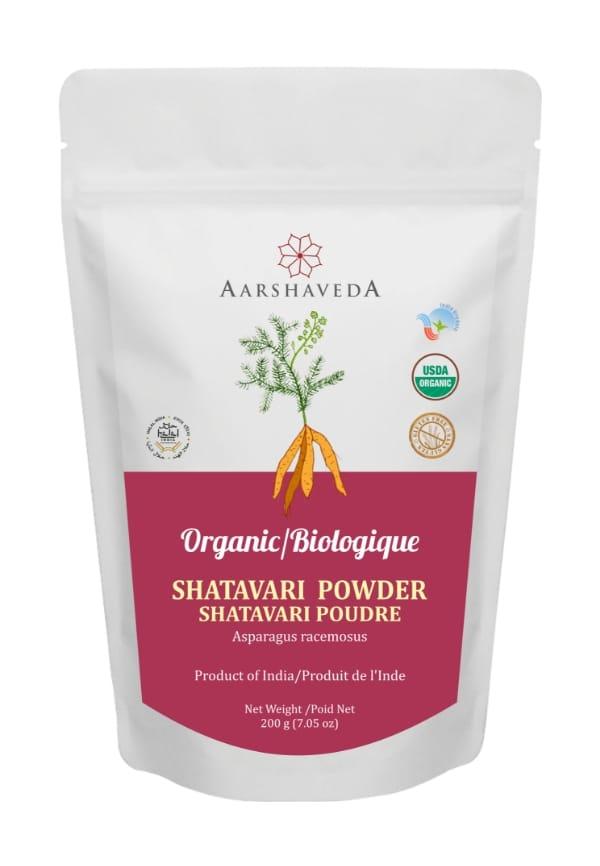
Shatavari Powder
Beyond milk production, the herb is also valued for supporting overall postpartum recovery, helping new mothers regain their energy and vitality during this demanding time.
Getting your shatavari dosage for women right is crucial for both safety and effectiveness. Like most herbs, it's best to start low and go slow, allowing your body to adjust gradually.
The traditional form of shatavari is the dried and powdered root. A typical starting dose is 3-6g daily, usually divided into two doses. You can mix the powder into warm milk, water, or smoothies. Some people find the taste quite earthy and slightly bitter, so mixing it with honey or in a flavoured drink can make it more palatable.
Start with the lower end of the dosage range—about 1-2g twice daily—and gradually increase over a week or two if you're tolerating it well and not seeing the results you're looking for.
For convenience, shatavari capsules for women are increasingly popular. Most standardised extracts recommend 500-1,000mg once or twice daily, though this can vary significantly between brands and extract concentrations.
Capsules offer the advantage of precise dosing and no taste issues, making them perfect for busy lifestyles. Look for products that specify the concentration of active compounds, particularly saponins.
If you're specifically interested in how to take shatavari for fertility, consistency is key. Many practitioners recommend taking it continuously for at least 3-4 months to allow your body to fully respond. Some suggest timing it with your menstrual cycle, taking it during the follicular phase (from menstruation to ovulation) for optimal support of egg development.
Shatavari is generally best taken with food to improve absorption and reduce the risk of stomach upset. Some people prefer taking it in the morning for energy support, whilst others find it more calming when taken in the evening.
Remember, herbs work differently than pharmaceuticals—you're looking at a timeline of 4-8 weeks to see gradual results, not immediate changes.
Whilst shatavari is generally considered safe for most women, there are some important considerations to keep in mind. Like any supplement, it can interact with medications and isn't appropriate for everyone.
Shatavari may interact with certain medications, particularly those for diabetes and blood pressure. The herb can potentially lower blood sugar levels, so if you're taking diabetes medications, you'll need to monitor your levels closely and work with your healthcare provider.
It may also interact with hormone therapies, including birth control pills and hormone replacement therapy, due to its phytoestrogenic properties.
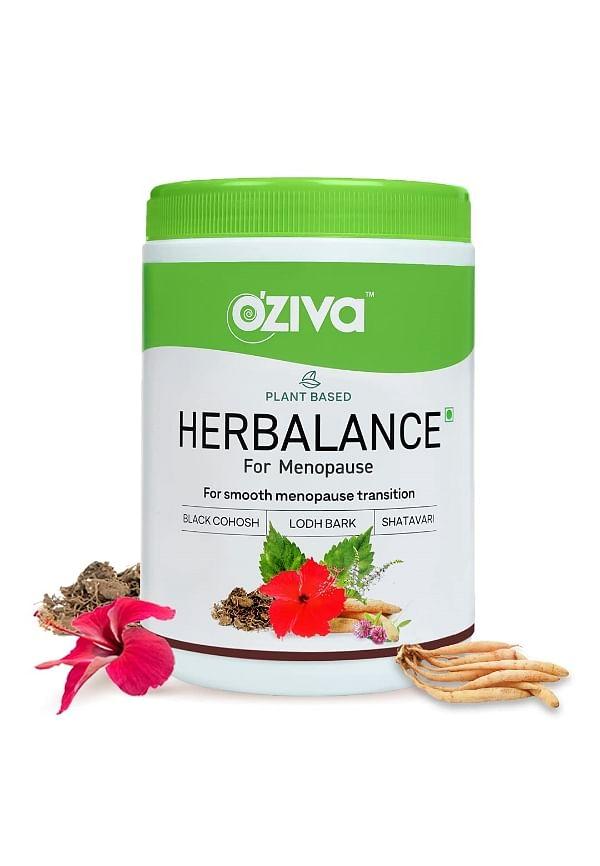
HerBalance for Menopause
Pre-menopause symptoms decreased
 4
4“u r pre menopause symptoms decreased. use daily. amazing product”
Effective for Perimenopause
4“good combination of herbs for managing perimenopausal symptoms”
Excellent for hormone imbalance
5“it's very best products for control hormone imbalance”
Pregnant women should generally avoid shatavari unless specifically recommended by a qualified practitioner, as its effects on pregnancy aren't well-studied. Interestingly, whilst it's traditionally used to support lactation, this use should also be discussed with a healthcare provider.
People with hormone-sensitive conditions like certain types of breast cancer should be cautious due to the herb's estrogen-like effects.
Most people tolerate shatavari well, but some may experience mild digestive upset, particularly when starting or taking higher doses. Other potential side effects include allergic reactions in sensitive individuals and possible interactions with existing health conditions.
Starting with lower doses and taking the herb with food can help minimise these issues.
Shatavari rarely works in isolation—it's often most effective when combined with other supportive herbs and lifestyle practices. The beauty of natural remedies for women's wellness is how they can work synergistically to support overall health.
Ashwagandha and shatavari make a powerful combination for women dealing with stress-related hormonal imbalances. Whilst shatavari focuses on reproductive health and hormonal balance, ashwagandha excels at stress management and adrenal support.
Many women find this combination particularly helpful during perimenopause and menopause, when both stress management and hormonal support are crucial.
Traditional Ayurvedic formulations often combine shatavari with other herbs like brahmi for cognitive support, triphala for digestive health, and turmeric for its anti-inflammatory properties. These combinations recognise that women's health is interconnected—hormonal balance affects digestion, stress levels impact reproductive health, and so on.
Not all shatavari products are created equal, and with the growing popularity of this herb, the market has become flooded with options of varying quality. Knowing what to look for can make the difference between a product that supports your health goals and one that's essentially expensive powder.
Traditional shatavari root powder offers the full spectrum of the plant's compounds but can be inconvenient to use and has a strong taste. Capsules provide convenience and precise dosing but may have lower bioavailability. Standardised extracts offer concentrated active compounds but may miss some of the synergistic effects of the whole plant.
Your choice often comes down to personal preference, lifestyle, and specific health goals.
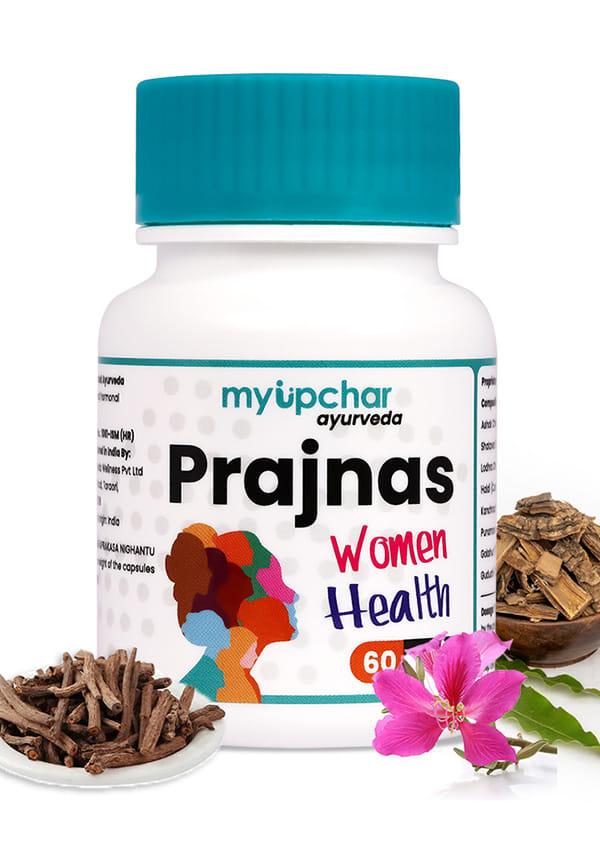
Prajnas Women Health Capsule by Ayurveda
Good Results in 2 Weeks
4“so far she has been using it for 2 weeks the result is good.”
Look for products that are organic, third-party tested for purity and potency, and free from heavy metals and contaminants. Reputable brands will provide certificates of analysis and be transparent about their sourcing and manufacturing processes.
Standardisation markers, particularly saponin content, can help you compare products and ensure consistency between batches.
Shatavari's growing popularity has put pressure on wild populations, making sustainable sourcing increasingly important. Look for brands that use cultivated rather than wild-harvested shatavari and support fair trade practices.
Start with a lower dose (1-2g of powder or 500mg of extract) taken with food, preferably at the same time each day. Gradually increase if needed and well-tolerated. Consistency is more important than high doses—taking it daily for 2-3 months typically yields better results than sporadic high-dose usage.
With consistent daily use, many women report improved menstrual regularity, better energy levels, and enhanced overall well-being within 4-8 weeks. Long-term daily use is generally considered safe for most women, though some practitioners recommend taking periodic breaks every few months.
Shatavari works as an adaptogen, helping your body maintain its own hormonal balance rather than adding hormones directly. It supports the endocrine system's natural function, which can lead to more balanced hormone levels over time. However, it's not a quick fix and works best alongside other healthy lifestyle practices.
Generally, shatavari combines well with other adaptogenic herbs and nutritional supplements. However, always check with a healthcare provider before combining supplements, especially if you're taking medications or have existing health conditions.
Most women begin noticing subtle changes within 2-4 weeks, with more significant benefits typically appearing after 6-8 weeks of consistent use. Hormonal balance takes time, so patience is key when incorporating shatavari into your wellness routine.
For most healthy women, shatavari appears safe for long-term use based on its traditional usage patterns. However, it's wise to take periodic breaks and work with a healthcare provider to monitor your response, especially if you have underlying health conditions.
Shatavari offers a natural approach to supporting women's hormonal health, with benefits spanning from reproductive wellness to menopause support. The key to success lies in choosing quality products, starting with appropriate doses, and maintaining consistency over time. Remember that shatavari works best as part of a holistic wellness approach that includes proper nutrition, stress management, and regular healthcare check-ups.
Whether you choose traditional powder or convenient capsules, the most important factor is finding a high-quality product from a reputable source and using it consistently. Like most natural remedies, patience is essential—give your body time to respond and adjust your approach as needed.
Exploring natural wellness solutions like shatavari has never been easier, thanks to platforms that make product discovery accessible and affordable. Smytten is India's largest product discovery and trial platform, connecting consumers with top lifestyle, beauty, wellness, and grooming brands through curated trial packs from over 1,500 trusted brands. This approach lets you explore and experience wellness products before committing to full-size purchases, which is particularly valuable when trying new supplements like shatavari. With Trial Points, you can get up to 8 minis for just ₹249, plus Smytten offers 100% cashback on trial purchases, making it both affordable and rewarding to discover what works for your body. Whether you're looking for traditional Ayurvedic herbs or modern wellness formulations, having access to authentic, brand-verified minis helps you make smarter, more confident choices for your health journey.
