Guide to Quinoa for Women's Health FAQ: All Your Questions Answered


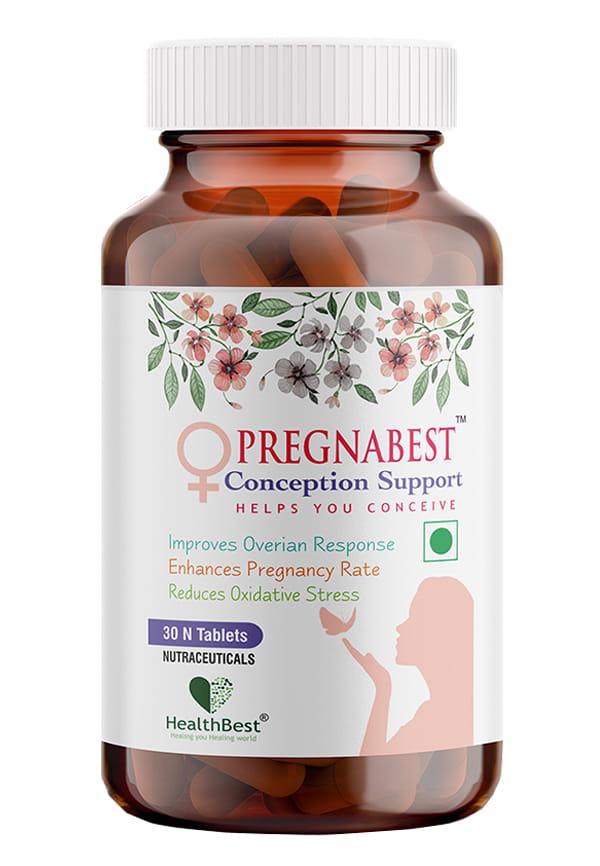
Pregnabest Conception Support Supplement Tablets for Women Enhanced Pregnancy Rate
Let's be real—between work deadlines, family responsibilities, and trying to maintain some semblance of a social life, proper nutrition often takes a backseat. But what if there was one simple ingredient that could support your energy levels, hormonal balance, and overall wellness without requiring a complete diet overhaul? Enter quinoa, the ancient grain that's been quietly revolutionising women's health for centuries. This complete guide to quinoa for women's health covers everything you need to know about this nutritional powerhouse, from its impressive protein content to its role in supporting fertility, managing weight, and navigating life's various stages. Whether you're dealing with low energy, planning for pregnancy, or simply looking to optimise your nutrition, quinoa might just become your new kitchen staple. With brands like True Elements offering quality quinoa products available on Smytten, exploring this superfood has never been more accessible.
TL;DR
Quinoa provides complete protein (8g per cup) plus iron, folate, and magnesium—essential nutrients for women's health
Supports hormonal balance, fertility, weight management, and energy levels throughout different life stages
Particularly beneficial during pregnancy, menstruation, and menopause for its nutrient density
Best consumed in the morning for sustained energy or post-workout for muscle recovery
Generally safe for daily consumption with proper preparation, though some may experience digestive sensitivity
Quinoa isn't just another trendy grain—it's a nutritional powerhouse specifically suited to women's unique physiological needs. Unlike many plant-based proteins, quinoa contains all nine essential amino acids, making it a complete protein source that rivals animal products. This is particularly important for women who may struggle to meet their protein requirements through diet alone.
One cup of cooked quinoa delivers an impressive nutritional punch that addresses several common deficiencies in women. The **8 grams of protein** per cup supports muscle maintenance and satiety, whilst the **2.8 milligrams of iron** helps combat the iron deficiency that affects up to 25% of women of reproductive age.
The **folate content (78 micrograms per cup)** is crucial for women planning pregnancy or of childbearing age, as it supports proper neural tube development. Additionally, quinoa provides **118 milligrams of magnesium**, which many women lack—this mineral plays a vital role in over 300 enzymatic reactions in the body, including those that regulate mood and reduce PMS symptoms.
Research consistently shows that quinoa offers specific advantages for women's wellness. The combination of complex carbohydrates and protein provides sustained energy release, preventing the afternoon energy crashes that plague many busy women.
Key benefits include:
Energy enhancement: B-vitamins support cellular energy production
Anaemia prevention: High iron content supports healthy red blood cell formation
Digestive health: 5 grams of fibre per cup promotes gut health and regularity
Heart protection: Magnesium and potassium support cardiovascular function
Blood sugar stability: Low glycemic index prevents energy spikes and crashes
Bone support: Magnesium and phosphorus contribute to bone density
Anti-inflammatory effects: Antioxidants help reduce chronic inflammation
Women's hormonal systems are intricate networks that require specific nutrients to function optimally. Quinoa provides several key nutrients that support hormonal balance and reproductive wellness, making it an excellent addition to any woman's diet.
The **folate content in quinoa** is particularly significant for women trying to conceive. Adequate folate intake before and during early pregnancy reduces the risk of neural tube defects by up to 70%. Beyond folate, quinoa's zinc content supports hormone production and egg quality.
Studies suggest that women who consume adequate protein and complex carbohydrates—both found in quinoa—may experience improved ovulation rates. The antioxidants in quinoa, including quercetin and kaempferol, help protect reproductive cells from oxidative stress.
Many women experience iron deficiency due to monthly blood loss, leading to fatigue and mood changes. Quinoa's iron content, combined with vitamin C from accompanying vegetables, enhances iron absorption and helps maintain healthy iron stores.
The **magnesium in quinoa** acts as a natural muscle relaxant, potentially reducing menstrual cramps. B-vitamins, particularly B6, support neurotransmitter production, which may help stabilise mood during PMS. For optimal benefits, consider incorporating quinoa into meals during the luteal phase of your cycle.
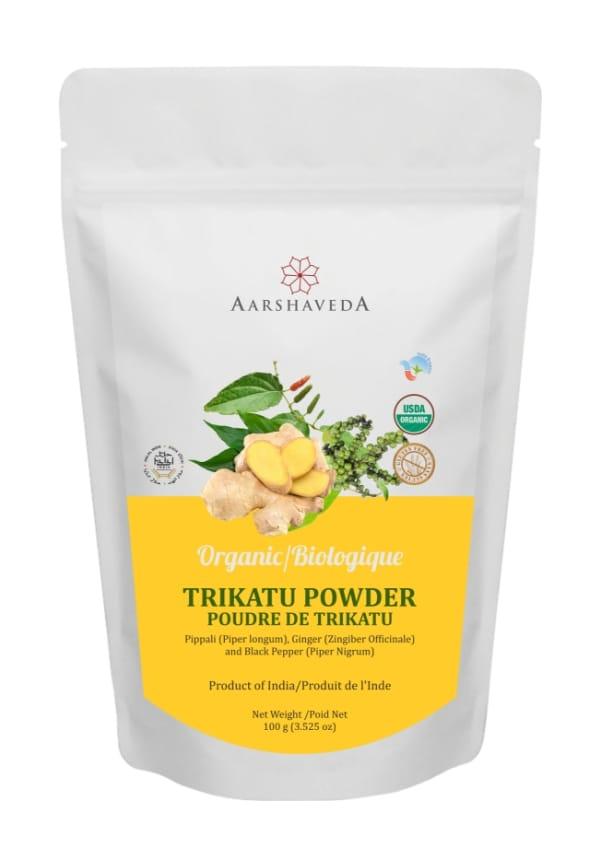
Trikatu Powder
Sustainable weight management isn't about restriction—it's about nourishment. Quinoa supports healthy weight management through multiple mechanisms whilst providing the energy women need for their demanding lifestyles.
The **high protein content** in quinoa (8 grams per cup) promotes satiety and helps maintain muscle mass during weight loss. Protein has a higher thermic effect than carbohydrates or fats, meaning your body burns more calories digesting it.
Quinoa's **5 grams of fibre per cup** slows digestion and helps you feel full longer. The low glycemic index prevents blood sugar spikes that can trigger cravings and overeating. For women, a serving size of ½ to ¾ cup of cooked quinoa provides adequate nutrition without excess calories.
Unlike simple carbohydrates that cause energy crashes, quinoa provides complex carbohydrates that release energy steadily. This is particularly beneficial for women who experience energy dips related to hormonal fluctuations.
The **iron content helps prevent fatigue** associated with iron deficiency, whilst B-vitamins support cellular energy metabolism. For active women, quinoa serves as an excellent pre-workout fuel (consumed 1-2 hours before exercise) or post-workout recovery food when combined with vegetables.
Women's nutritional needs evolve throughout their lives, and quinoa adapts beautifully to support these changing requirements. From reproductive years through menopause, this versatile grain provides targeted nutritional support.
During pregnancy, protein needs increase by about 25 grams daily, and quinoa can help meet this requirement safely. The **folate content supports fetal neural development**, whilst the protein aids in placental and fetal tissue growth.
Pregnant women should aim for ½ to 1 cup of cooked quinoa daily as part of a balanced diet. The grain is naturally gluten-free, making it suitable for women with coeliac disease or gluten sensitivity. Always rinse quinoa thoroughly before cooking to remove saponins, which can cause digestive upset.
During menopause, declining oestrogen levels affect bone density and cardiovascular health. Quinoa's **magnesium and phosphorus content supports bone health**, whilst its protein helps maintain muscle mass that naturally declines with age.
The **phytonutrients in quinoa** may help ease the transition through menopause by supporting overall cellular health. Additionally, the heart-healthy nutrients become increasingly important as cardiovascular disease risk rises post-menopause.
Timing and preparation methods can significantly impact how your body utilises quinoa's nutrients. Understanding when and how to consume quinoa maximises its benefits for women's health.
**Morning consumption** provides sustained energy throughout the day and helps stabilise blood sugar levels. A quinoa breakfast bowl with berries and nuts delivers protein, complex carbohydrates, and healthy fats to fuel your morning.
For active women, consuming quinoa **2-3 hours before exercise** provides sustained energy without digestive discomfort. Post-workout quinoa (within 30-60 minutes) supports muscle recovery when paired with vegetables for additional nutrients.
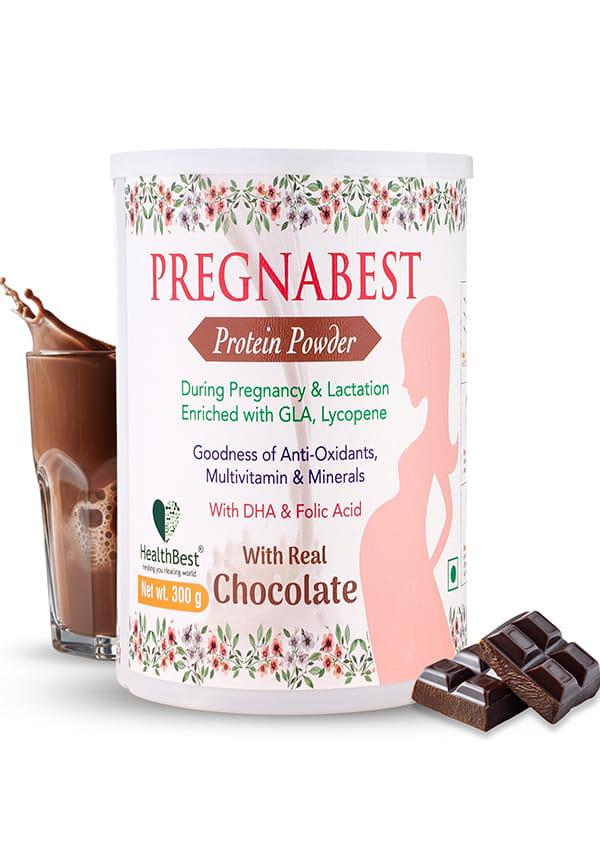
Pregnabest Protein Powder for Women | Prenatal, Pregnancy & Lactation | Anti-Oxidants | Multivitamin & Minerals with DHA & Folic Acid | Chocolate Fla
Proper preparation is crucial for digestibility and nutrient absorption. Always **rinse quinoa thoroughly** under cold water until the water runs clear—this removes the bitter saponin coating that can cause digestive issues.
Cook quinoa in a 2:1 ratio of liquid to grain, bringing to a boil then simmering covered for 15 minutes. Let it rest for 5 minutes before fluffing with a fork. Cooked quinoa keeps in the refrigerator for up to 5 days, making it perfect for meal prep.
Incorporating quinoa into your daily routine doesn't require culinary expertise. These simple, nutrient-dense recipes target specific women's health goals whilst satisfying your taste buds.
Start your day with a **quinoa breakfast bowl** combining ½ cup cooked quinoa, mixed berries, chopped almonds, and a drizzle of honey. This provides sustained energy, antioxidants, and healthy fats.
For busy mornings, prepare **overnight quinoa** by mixing cooked quinoa with almond milk, chia seeds, and vanilla. Top with fresh fruit in the morning for a grab-and-go breakfast that supports stable blood sugar.
Create a **nutrient-dense quinoa salad** with leafy greens, roasted vegetables, pumpkin seeds, and olive oil dressing. This combination provides folate, magnesium, and healthy fats that support hormonal balance.
Try **stuffed bell peppers** filled with quinoa, black beans, and vegetables for a complete meal that delivers protein, fibre, and essential nutrients in one satisfying dish.
Whilst quinoa is generally safe and well-tolerated, understanding potential side effects and contraindications ensures you can enjoy its benefits safely.
True **quinoa allergies are rare** but can occur. Symptoms may include digestive upset, skin reactions, or respiratory issues. More commonly, people experience sensitivity to saponins—the natural compounds that give unrinsed quinoa a bitter taste.
If you experience digestive discomfort, ensure you're rinsing quinoa thoroughly and start with smaller portions. Some individuals with existing digestive conditions may need to introduce quinoa gradually to assess tolerance.
For most women, **½ to 1 cup of cooked quinoa daily** is safe and beneficial. This provides substantial nutrition without overwhelming your digestive system or displacing other important foods.
Women taking blood-thinning medications should consult healthcare providers before significantly increasing quinoa intake, as its vitamin K content may affect medication efficacy. Similarly, those with kidney stones should moderate intake due to quinoa's oxalate content.
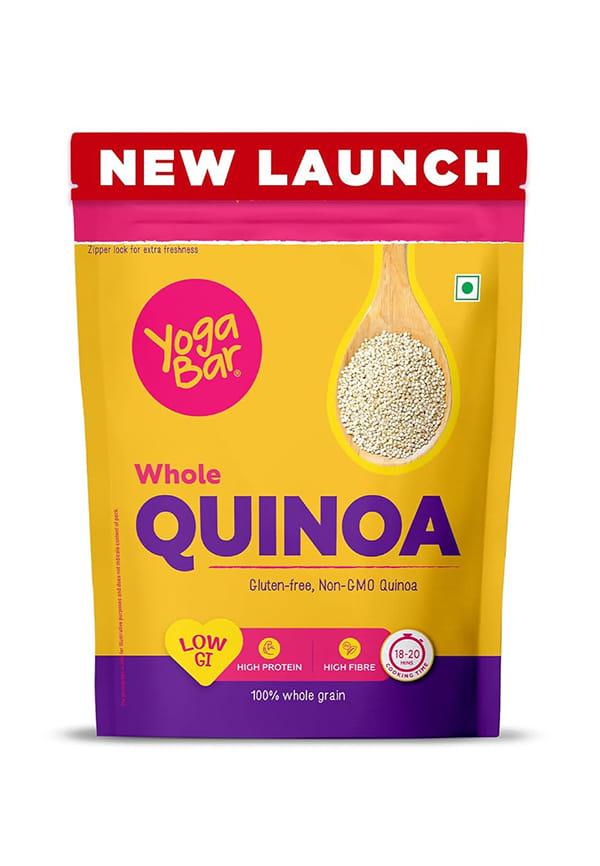
Organic Quinoa
Yes, quinoa's fibre content and healthy fats may help lower triglyceride levels. The magnesium and potassium also support cardiovascular health, though individual results vary.
Cooked quinoa contains approximately 4.4 grams of protein per 100g, making it a good plant-based protein source for women following vegetarian or vegan diets.
Quinoa offers superior nutrition with complete protein, more fibre, and higher mineral content compared to white rice. Brown rice provides some benefits, but quinoa's nutrient density makes it particularly valuable for women.
Quinoa's low glycemic index may help manage insulin resistance associated with PCOS. The protein and fibre content support stable blood sugar, though it should complement, not replace, medical treatment.
Quinoa stands out for its complete protein profile and versatility. Whilst other superfoods like chia seeds or blueberries offer specific benefits, quinoa provides comprehensive nutrition that supports multiple aspects of women's health.
Yes, daily quinoa consumption is generally safe for most women when properly prepared. Vary your intake with other whole grains to ensure nutritional diversity and prevent potential sensitivities.
The protein, iron, and B-vitamins in quinoa support healthy hair growth and skin cell renewal. However, overall diet quality and lifestyle factors play larger roles in hair and skin health.
Quinoa is safe and beneficial during breastfeeding, providing protein and nutrients that support milk production. As with pregnancy, ensure proper preparation and moderate intake as part of a balanced diet. Products like True Elements quinoa, available on Smytten, offer convenient options for new mothers.
Quinoa emerges as a true nutritional ally for women, offering complete protein, essential minerals, and versatile culinary applications. Its benefits span from supporting reproductive health and hormonal balance to providing sustained energy and weight management support. The grain's adaptability makes it suitable for women at every life stage, from reproductive years through menopause.
Remember that whilst quinoa is nutritionally impressive, it works best as part of a varied, balanced diet. Start with small portions if you're new to quinoa, ensure proper preparation by thorough rinsing, and listen to your body's response. The key is consistency rather than perfection—incorporating quinoa regularly into your meals can contribute significantly to your overall wellness goals.
Discovering the right nutrition for your unique needs shouldn't involve guesswork or expensive trial and error. Smytten, India's largest product discovery and trial platform, connects you with over 1,500 trusted wellness brands including True Elements, making it easier to explore quality quinoa products and other nutritional essentials. With curated trial packs available for just ₹249, you can try before you buy, ensuring that your wellness investments align with your preferences and dietary goals. The platform's 100% cashback on trial purchases makes exploring new products both affordable and rewarding, whilst PAN-India delivery ensures access regardless of your location. When you find products you love, purchasing full-size versions is just a click away. With over 25 million users trusting Smytten for authentic, brand-verified products, you can confidently explore your wellness journey. After all, why settle for 'maybe' when you can #TryItAll!
