Guide to Men's Joint Support FAQ: Your Questions Answered

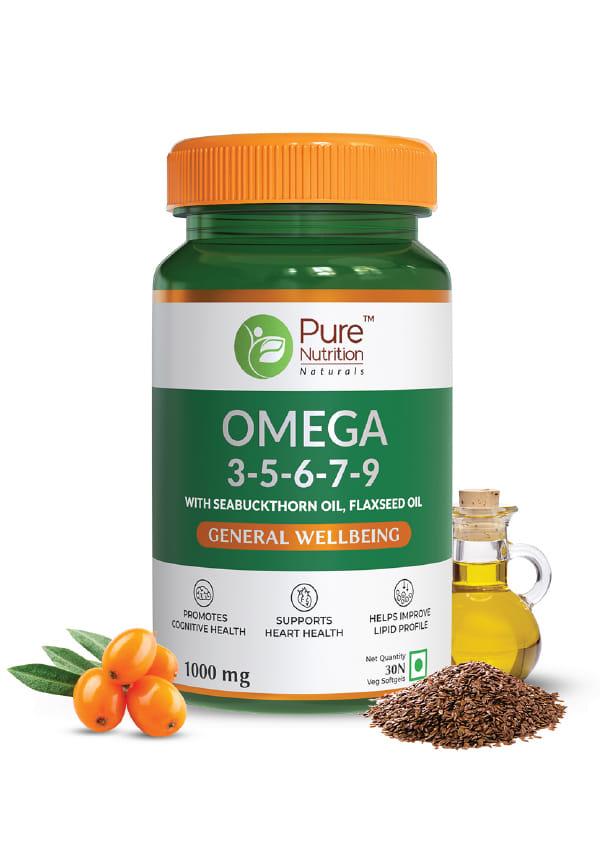
OMEGA 3-5-6-7-9
Joint health isn't exactly the most exciting topic for most blokes, but here's the thing—your knees, shoulders, and back are basically the unsung heroes keeping you moving through life. Whether you're smashing it at the gym, chasing after the kids, or just trying to get through a long day at the office without wincing, your joints deserve some serious attention. The reality is that men often ignore joint discomfort until it becomes a proper problem, but taking a proactive approach can make all the difference. From understanding which supplements actually work to knowing when that morning stiffness is worth worrying about, this guide covers everything you need to know about keeping your joints happy and healthy. Plus, with platforms like Smytten making it easier to trial wellness products before committing to full sizes, there's never been a better time to explore what works for your body.
Men face unique joint health challenges due to higher activity levels, occupational stress, and tendency to ignore early warning signs
Key supplements like glucosamine, omega-3s, and turmeric can provide significant joint support when used correctly
Natural approaches including anti-inflammatory foods, proper exercise, and weight management are equally important as supplements
Different age groups require different joint care strategies—prevention in your 20s-30s, maintenance in your 40s, and management after 50
Combining immediate pain relief methods with long-term joint health strategies gives the best results
Let's be real—men and women experience joint health differently, and it's not just about who complains more (though we all know the answer to that one). Men typically have larger, denser bones and more muscle mass, which puts different stresses on joints throughout life. Add to that the fact that blokes are more likely to push through pain rather than address it early, and you've got a recipe for joint issues down the line.
The timeline of joint health for men follows a pretty predictable pattern. In your 20s and early 30s, you might notice some stiffness after particularly intense workouts or sports sessions. Your 40s often bring the first real wake-up calls—that knee that clicks when you stand up, or the shoulder that aches after a weekend of DIY. By your 50s and beyond, joint mobility becomes something you actually think about rather than take for granted.
Your joints don't just wake up one day and decide to cause trouble—the changes happen gradually. Cartilage naturally thins over time, synovial fluid (the stuff that keeps your joints lubricated) decreases, and ligaments become less flexible. For men, this process can be accelerated by factors like repetitive work motions, sports injuries that weren't properly rehabbed, and carrying extra weight around the midsection.
Your job might be silently wreaking havoc on your joints. Desk workers often develop hip flexor tightness and rounded shoulders, whilst manual labourers face repetitive strain injuries. Weekend warriors—those who are sedentary all week then go hard at football or cricket—are particularly at risk for acute joint injuries that can lead to long-term problems.
The supplement aisle can feel like a minefield when you're looking for joint support, with every bottle promising miracle results. The truth is, some supplements for men's joints have solid research behind them, whilst others are basically expensive placebos. Here's what actually works and why.
Before diving into specific supplements, it's worth noting that consistency matters more than perfection. Taking a supplement sporadically won't give you the results you're after—think of it like going to the gym once a month and expecting to see gains.
These two are probably the most well-known joint supplements, and for good reason. Glucosamine helps maintain cartilage structure, whilst chondroitin helps cartilage retain water and maintain elasticity. For men, the typical effective dose is 1,500mg of glucosamine and 1,200mg of chondroitin daily, preferably taken with food to improve absorption.
Fish oil isn't just good for your heart—it's brilliant for reducing joint inflammation. The EPA and DHA in omega-3s help regulate inflammatory responses in the body. Aim for at least 1,000mg of combined EPA and DHA daily, and look for supplements that have been third-party tested for purity.
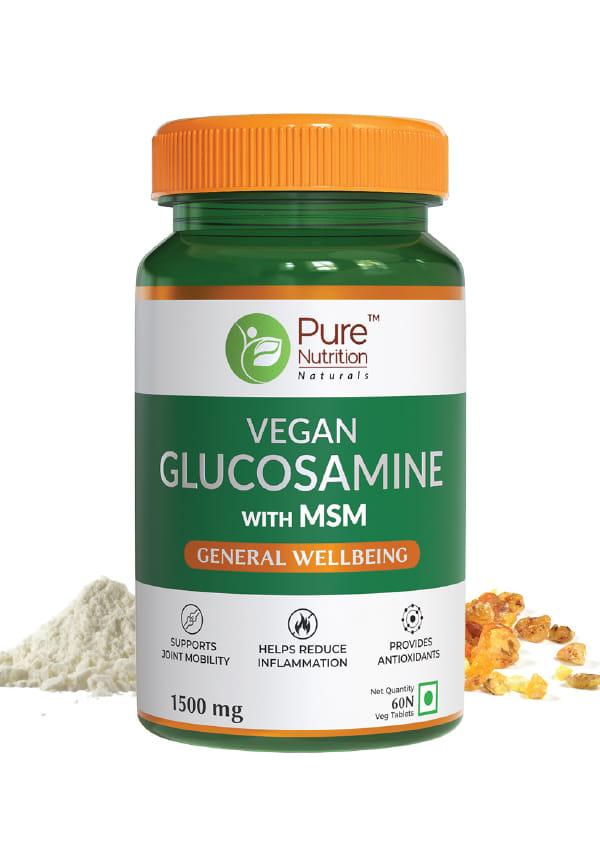
Vegan Glucosamine l Joint Support Supplement
Undenatured collagen type II works differently from other joint supplements—instead of just providing building blocks, it may help modulate immune responses that affect cartilage. A small daily dose of 40mg is typically sufficient, and it's best taken on an empty stomach.
Methylsulfonylmethane provides sulphur, which is essential for maintaining healthy connective tissue. Many men find MSM particularly helpful for reducing post-exercise joint soreness. Start with 1,000mg daily and gradually increase to 3,000mg if needed.
Supplements are just one piece of the puzzle when it comes to natural joint support for men. Your daily habits, food choices, and activity levels play massive roles in how your joints feel and function. The good news is that many of these natural approaches cost nothing and can be implemented immediately.
Think of natural joint care as an investment in your future self. The choices you make today about movement, nutrition, and recovery will determine whether you're still playing sports, hiking, or just moving comfortably in your 60s and beyond.
Your kitchen is basically a pharmacy when it comes to joint health. Fatty fish like salmon and mackerel provide omega-3s, whilst colourful vegetables and fruits deliver antioxidants that combat inflammation. Turmeric, ginger, and garlic aren't just flavour enhancers—they're potent anti-inflammatory compounds that can genuinely impact how your joints feel.
The right exercise strengthens the muscles around your joints, improving stability and reducing wear and tear. Low-impact activities like swimming, cycling, and yoga are excellent for joint mobility, whilst resistance training helps maintain bone density and muscle mass. The key is finding the sweet spot between challenging your body and not overdoing it.
Every extra kilogram you carry puts additional stress on weight-bearing joints like knees and hips. For men, even a modest weight loss of 5-10% can significantly reduce joint pain and improve mobility. It's not about being perfect—it's about being consistent with healthy choices.
When joint pain strikes, you need both immediate relief and a plan for preventing future flare-ups. Men's joint pain relief isn't just about popping a painkiller and hoping for the best—it's about understanding what's causing the pain and addressing it from multiple angles.
The approach to joint pain management for men should be layered, combining quick fixes for acute discomfort with longer-term strategies that address underlying causes. This might mean using ice for immediate relief whilst also starting a supplement regimen and adjusting your exercise routine.
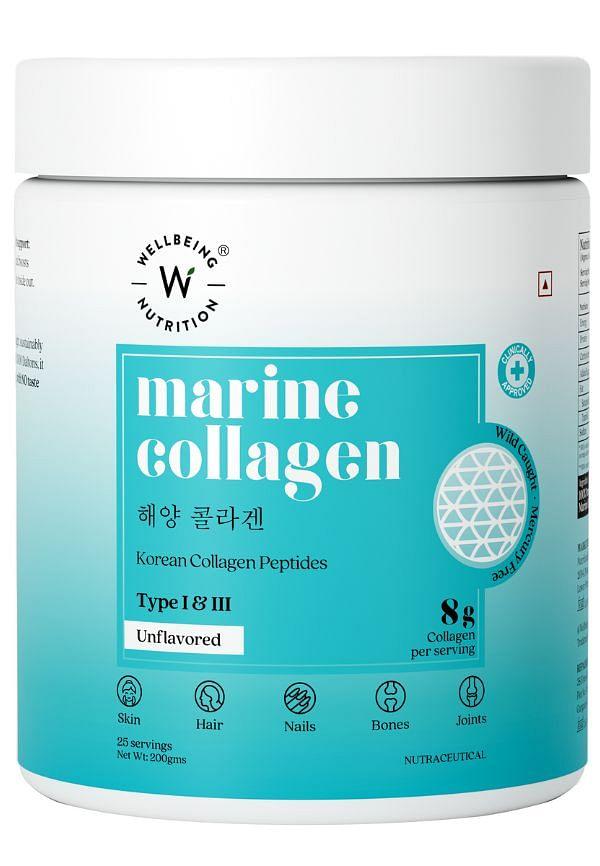
Korean Marine Collagen Peptides Peptides| Hydrolyzed Type 1, Unflavored - 200g
When your knee is screaming after a weekend football match or your shoulder is locked up from sleeping wrong, you need immediate relief. Ice can reduce inflammation and numb pain, whilst heat helps relax tight muscles and improve blood flow. The general rule is ice for acute injuries and heat for chronic stiffness, but listen to your body—use whatever feels better.
Ice therapy works best in the first 24-48 hours after an injury or during acute flare-ups. Apply for 15-20 minutes at a time, several times throughout the day. Heat therapy is brilliant for chronic stiffness and muscle tension—think warm baths, heating pads, or even a hot shower before morning movement.
Most men wait too long to seek help for joint pain, often because they think it's just part of getting older. However, persistent pain that lasts more than a few days, significant swelling, or pain that interferes with daily activities warrants professional attention. Early intervention often leads to better outcomes and can prevent minor issues from becoming major problems.
Your approach to joint health should evolve as you age, much like your approach to fitness, nutrition, and life in general. What works for a 25-year-old athlete won't necessarily be appropriate for a 55-year-old office worker, and that's perfectly normal. The key is adapting your strategies to match your current needs and capabilities.
Strengthening men's joints isn't a one-size-fits-all approach. Your genetics, activity level, occupation, and health history all play roles in determining the best strategy for maintaining and improving joint function throughout your life.
In your 20s and early 30s, joint health is mostly about prevention and optimising performance. This is the time to build good habits around movement, nutrition, and recovery. Focus on maintaining flexibility, building balanced strength, and learning proper movement patterns that will serve you well later in life. Any joint injuries during this period should be properly rehabbed rather than ignored.
Your late 30s and 40s are when you might start noticing the first real signs of joint wear and tear. This is the perfect time to be proactive about joint health—introducing targeted supplements, paying more attention to recovery, and perhaps modifying high-impact activities. It's also when many men benefit from adding yoga or Pilates to their routine to maintain flexibility and core strength.
After 50, the focus shifts to managing existing issues and preserving mobility. This doesn't mean accepting limitations—it means being smarter about how you move and exercise. Low-impact activities become more important, recovery takes longer, and supplements may play a larger role in maintaining comfort and function.
There's no single "best" supplement because everyone's needs are different. However, glucosamine and chondroitin combined with omega-3 fatty acids form a solid foundation for most men. Your age, activity level, and specific joint concerns should guide your choice. For example, very active men might benefit more from anti-inflammatory supplements like turmeric, whilst older men might need more comprehensive cartilage support.
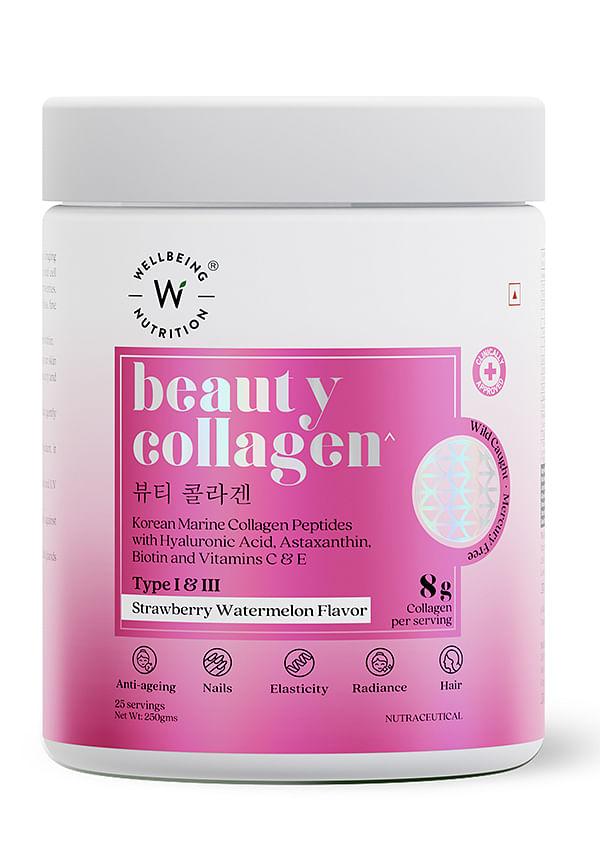
Beauty Korean Marine Collagen Peptides with Type I & III Strawberry Watermelon
Fatty fish like salmon and sardines top the list due to their omega-3 content. Colourful fruits and vegetables provide antioxidants that combat inflammation—think berries, leafy greens, and bell peppers. Spices like turmeric and ginger have potent anti-inflammatory properties, whilst nuts and seeds provide healthy fats and vitamin E. Avoiding processed foods, excess sugar, and trans fats is equally important.
For topical application, oils containing menthol, camphor, or capsaicin can provide temporary pain relief. Many men find success with arnica oil or CBD-infused topicals. For internal use, fish oil remains the gold standard for its anti-inflammatory omega-3 fatty acids. Some people also benefit from evening primrose oil or borage oil, which contain gamma-linolenic acid.
Vitamin D is crucial for bone health and may help reduce inflammation. Many men are deficient without realising it, especially those who work indoors. Vitamin C supports collagen synthesis, which is essential for healthy cartilage. Vitamin K2 helps direct calcium to bones rather than soft tissues. B vitamins, particularly B6 and B12, may help reduce inflammation markers.
Prevention is always better than treatment, so starting in your 30s isn't too early, especially if you're very active or have a family history of joint problems. However, it's never too late to start—men in their 50s, 60s, and beyond can still benefit from appropriate supplementation. The key is choosing supplements based on your current needs rather than your age alone.
Patience is key with joint supplements. Anti-inflammatory supplements like omega-3s might provide some relief within 2-4 weeks, whilst structural supplements like glucosamine and chondroitin typically take 8-12 weeks to show meaningful benefits. Some men notice improvements sooner, whilst others need several months of consistent use. Keeping a simple diary of pain levels and mobility can help track progress.
Absolutely, and it's actually a smart approach given that supplements can be expensive and not everyone responds the same way. Platforms like Smytten offer trial packs of various wellness products, allowing you to test different joint supplements before committing to full-size purchases. This way, you can find what works for your body without the financial risk of buying products that might not suit you.
Joint health for men isn't just about taking a supplement and hoping for the best—it's about creating a comprehensive approach that includes proper nutrition, regular movement, stress management, and targeted supplementation when needed. The earlier you start paying attention to your joints, the better your chances of maintaining mobility and comfort throughout your life.
Remember that consistency beats perfection every time. Whether it's taking your supplements daily, doing your mobility work, or making better food choices, small consistent actions compound over time to create significant improvements in joint health and overall quality of life.
Taking care of your joints is an investment in your future self, and the good news is that you have more control over joint health than you might think. From choosing the right supplements to making simple lifestyle changes, there are plenty of evidence-based strategies that can help you maintain mobility and comfort as you age. Smytten is India's largest product discovery and trial platform, connecting consumers with top lifestyle, beauty, wellness, and grooming brands through curated trial packs from over 1,500 trusted brands. This approach lets you explore and experience wellness products, including joint support supplements, before committing to full-size purchases. With trial packs available for just ₹249 and 100% cashback on trials redeemable for future orders, you can discover what works for your joint health without the financial risk. After all, why settle for 'maybe' when you can #TryItAll and find the perfect joint support routine for your needs.
