Guide to Menopause Relief Herbs: Your FAQ Answered

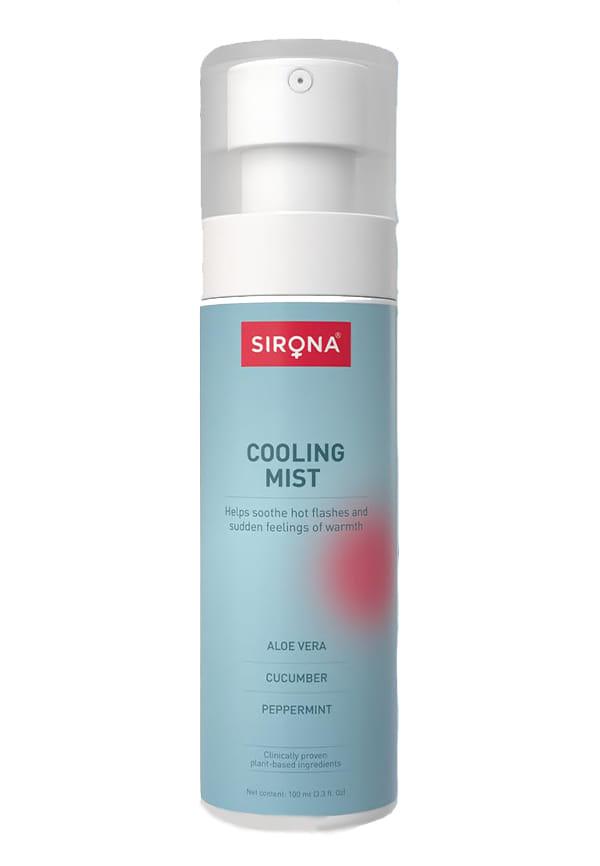
Natural Menopause Cooling Mist Spray
Navigating menopause can feel overwhelming, especially when hot flashes hit at the worst moments and sleep becomes a distant memory. If you're exploring natural menopause remedies beyond conventional hormone therapy, you're not alone. Millions of women are turning to time-tested herbs and botanicals for women's health that offer gentle yet effective relief. From black cohosh for those intense hot flashes to ashwagandha for managing stress and mood swings, the world of herbal supplements for hot flashes is vast and promising. Whether you're just starting your menopausal transition or looking for alternative treatments for menopause that align with your wellness goals, understanding which herbs actually work can make all the difference. That's where platforms like Smytten come in handy—allowing you to trial wellness products before committing to full-size purchases, making your journey to natural relief both affordable and informed.
TL;DR
Black cohosh, red clover, and sage are the most clinically proven herbs for hot flashes and night sweats
Ashwagandha and shatavari offer excellent support for stress, mood swings, and sleep disturbances during menopause
Combining multiple herbs can be safe and effective when done properly with attention to dosage and timing
Natural remedies typically take 4-8 weeks to show full effects, requiring patience and consistency
Always consult healthcare providers before starting herbal protocols, especially if taking medications
The science behind herbal menopause relief lies in compounds called phytoestrogens for menopause—plant-based substances that can mimic or modulate oestrogen activity in your body. When your natural oestrogen levels decline during menopause, these botanical allies step in to help fill the gap, though more gently than synthetic hormones.
Research shows that many traditional botanicals for women's health contain active compounds that interact with oestrogen receptors, helping to balance hormonal fluctuations. Unlike hormone replacement therapy, herbs work gradually and holistically, supporting your body's natural adaptation process rather than replacing hormones entirely.
While hormone therapy provides direct hormone replacement, herbal supplements for hot flashes work through multiple pathways. They may contain phytoestrogens, adaptogens that help your body manage stress, or compounds that support neurotransmitter balance. This multi-faceted approach often means fewer side effects but requires more patience to see results.
Let's dive into the herbs that have solid research backing their effectiveness for menopause symptom management. These aren't just traditional remedies—they're botanicals with clinical studies supporting their use.
Black cohosh stands out as the most researched herb for menopausal symptoms, with studies showing 40-85% reduction in hot flash frequency and intensity. The recommended dosage is typically 20-40mg of standardised extract twice daily. This herb works particularly well as one of the herbal solutions for night sweats, often providing relief within 4-6 weeks of consistent use.
Rich in isoflavones, red clover provides gentle oestrogenic support that can help with overall hormonal balance. Studies suggest taking 40-80mg daily of standardised extract. It's particularly effective when combined with other herbs in a holistic approach to menopause management.
Sage has been used for centuries to reduce excessive sweating, and modern research confirms its effectiveness. The active compounds work by regulating your body's temperature control mechanisms. Try sage tea (1-2 cups daily) or standardised extracts as directed.
This powerful adaptogen helps your body cope with the stress of hormonal changes whilst supporting better sleep quality. For managing menopausal transition naturally, take 300-600mg of standardised extract daily, preferably in the evening for sleep support.
Rich in gamma-linolenic acid (GLA), evening primrose oil supports hormonal balance and may help reduce breast tenderness and mood fluctuations. The typical dosage is 1,000-3,000mg daily, taken with meals for better absorption.
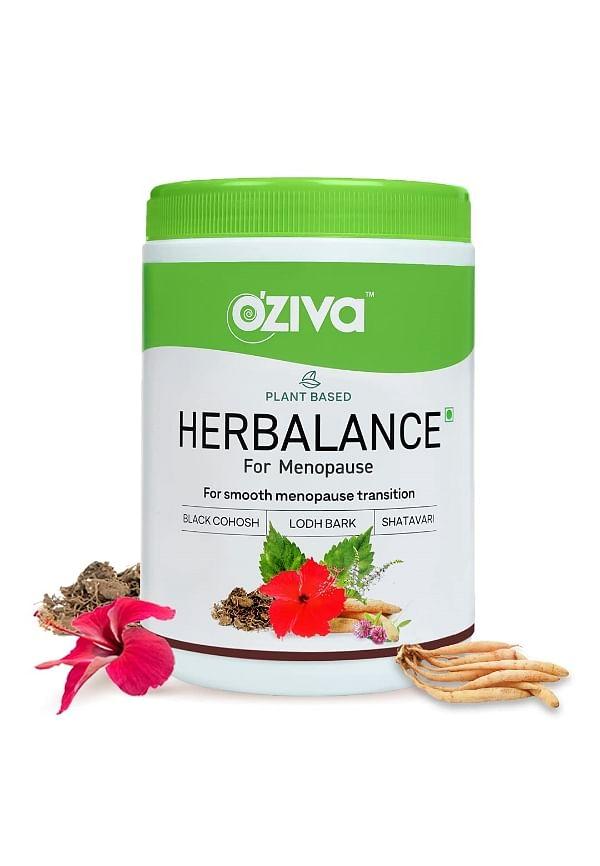
HerBalance for Menopause
Traditional Chinese medicine has long used dong quai for women's reproductive health. While research is mixed on its effectiveness as a standalone treatment, it works well in combination formulas for overall hormonal support.
Wild yam contains diosgenin, which some believe can be converted to progesterone in the body. However, this conversion doesn't actually occur in humans, so its benefits likely come from other compounds that support hormonal balance.
Ayurveda offers a treasure trove of herbs specifically for women's reproductive health transitions. These time-tested remedies work on multiple levels, addressing not just physical symptoms but also emotional and spiritual well-being.
Known as the "queen of herbs" for women, shatavari supports reproductive health throughout all life stages. Take 500-1,000mg twice daily of standardised extract, or prepare traditional decoctions with 1-2 teaspoons of powder in warm milk.
In Ayurveda, ashwagandha is prized for its ability to restore vitality and calm the nervous system. It's particularly helpful for the anxiety and sleep disturbances that often accompany menopause. Combine it with warm milk and honey before bedtime for traditional preparation.
These complementary herbs enhance the effects of primary menopause herbs. Turmeric reduces inflammation, licorice provides gentle oestrogenic support, and brahmi supports cognitive function and memory—all common concerns during menopause.
Different herbs excel at addressing specific menopausal symptoms. Rather than taking everything, you can create targeted protocols based on your most troublesome symptoms.
St. John's wort shows promise for mild to moderate depression during menopause, but it interacts with many medications. Safer options include passionflower and lemon balm, which can be taken as teas or tinctures throughout the day. Combine 200-400mg of passionflower extract with 300-500mg of lemon balm for emotional balance.
Create a bedtime herbal routine with valerian root (300-600mg) and chamomile tea. These herbs work synergistically to promote deeper, more restful sleep without the grogginess associated with sleep medications.
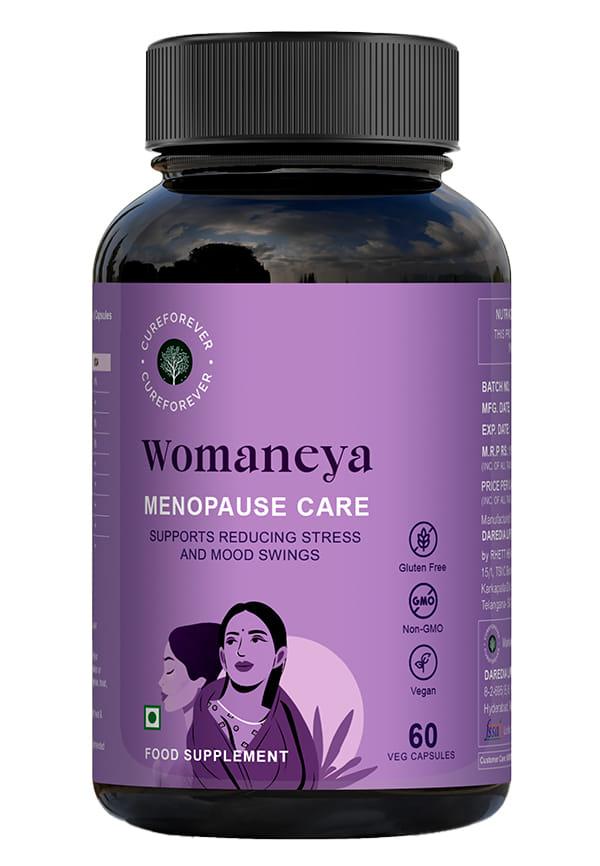
Menopause Care Formula
Green tea extract and herbs like guggul can support metabolic function during menopause. However, remember that weight management during this time requires a comprehensive approach including diet and exercise alongside herbal support.
Safety should always be your top priority when exploring natural remedies. While herbs are generally gentler than pharmaceutical drugs, they can still interact with medications and cause side effects in some people.
Start with the lowest recommended dose and gradually increase as needed. Standardised extracts provide more consistent potency than whole herb preparations. Take most herbs with food to improve absorption and reduce stomach upset. For sleep-supporting herbs, timing is crucial—take them 30-60 minutes before bedtime.
Many herbs can interact with blood thinners, antidepressants, and hormone medications. Black cohosh may affect liver function in rare cases, whilst St. John's wort can reduce the effectiveness of many prescription drugs. Always inform your healthcare provider about any herbs you're taking.
Look for products that have been third-party tested for purity and potency. Organic preparations are preferable to avoid pesticide residues. Choose reputable brands that provide clear information about standardisation and active compound content.
The most effective approach to herbal menopause relief is personalised to your specific symptoms and health profile. What works brilliantly for your friend might not be the right fit for you.
Keep a symptom diary for at least two weeks before starting any herbal protocol. Track hot flashes, sleep quality, mood changes, and energy levels. This baseline will help you choose the most appropriate herbs and monitor your progress effectively.
Many women find that combining 2-3 herbs works better than relying on a single remedy. For example, you might pair black cohosh for hot flashes with ashwagandha for stress and sleep support. Start with one herb at a time, adding others gradually to identify what works best for you.
Most herbs require 4-8 weeks of consistent use to show full effects. Keep detailed notes about dosages, timing, and symptom changes. If you don't see improvement after 8-12 weeks, consider adjusting dosages or trying different herbs.
Lung Detox Supplement for Men & Women
Black cohosh is considered the most researched and effective single herb for overall menopause symptoms, particularly hot flashes, with clinical studies showing 40-85% symptom reduction. However, the "best" herb depends on your specific symptoms—ashwagandha might be better for stress and sleep issues, whilst sage excels for excessive sweating.
Based on clinical evidence, the top 3 are: 1) Black cohosh for hot flashes and night sweats, 2) Red clover for overall hormonal balance through phytoestrogens, and 3) Ashwagandha for stress adaptation and sleep support. These three herbs address the most common and troublesome menopausal symptoms.
Shatavari (the female rejuvenator), Ashwagandha (for stress adaptation), and supporting herbs like turmeric and licorice root offer comprehensive menopausal support through traditional Ayurvedic principles. These herbs work holistically to balance the body's systems rather than targeting individual symptoms.
Combine proven herbs (black cohosh, red clover), lifestyle modifications (yoga, regular exercise), dietary changes (increasing soy and flaxseed intake), and stress management techniques for comprehensive natural relief. Many wellness products for natural menopause support are available on Smytten, allowing you to trial different options before committing to full-size purchases.
Most herbal remedies require 4-8 weeks of consistent use to show full effects. Some women notice initial improvements within 2-3 weeks, particularly with herbs like sage for sweating. However, hormonal balance takes time to restore, so patience and consistency are essential for best results.
Yes, combining herbs can be safe and effective when done properly. Start with one herb, establish tolerance, then gradually add others. Avoid taking more than 3-4 herbs simultaneously to prevent interactions and make it easier to identify which ones are helping your symptoms.
Avoid herbs with strong oestrogenic effects if you have a history of hormone-sensitive cancers. Be cautious with St. John's wort if you take medications, as it has many drug interactions. High doses of licorice root can raise blood pressure, so monitor this if you have cardiovascular concerns.
Herbs typically provide gentler relief than hormone replacement therapy but may not be as immediately effective for severe symptoms. Many women find herbs sufficient for mild to moderate symptoms, whilst others use them alongside conventional treatments. The advantage of herbs is fewer side effects and a more natural approach to hormonal balance.
Natural menopause relief through herbs offers a gentle yet effective alternative to conventional hormone therapy. Black cohosh remains the gold standard for hot flashes, whilst adaptogens like ashwagandha provide excellent support for stress and sleep issues. The key to success lies in personalising your approach based on your specific symptoms and being patient with the process—herbs work gradually but can provide lasting relief.
Remember that quality matters when choosing herbal supplements. Look for standardised extracts from reputable sources, and always inform your healthcare provider about your herbal protocol. Combining herbs with lifestyle modifications like regular exercise, stress management, and a balanced diet will give you the best chance of managing your menopausal transition naturally and comfortably.
Exploring natural remedies for menopause doesn't have to be overwhelming or expensive. Smytten is India's largest product discovery and trial platform, connecting you with top wellness brands that offer herbal supplements and natural health products. With curated trial packs from over 1,500 trusted brands, you can explore different herbal formulations before committing to full-size purchases. Each mini is linked with Trial Points, and you can get up to 8 minis for just ₹249, plus enjoy 100% cashback on trial purchases. This try before you buy approach makes it easier to find the right herbal solutions for your unique menopausal journey. With PAN-India delivery and 100% authentic products directly sourced from brands, Smytten ensures you have access to quality wellness options. After all, why settle for 'maybe' when you can #TryItAll and discover what truly works for your body during this important life transition.
