Guide to Heart Health for Men: Your Questions Answered
-8c279b53-41d9-493a-a6e1-27c81c22fc16.webp&w=3840&q=75)

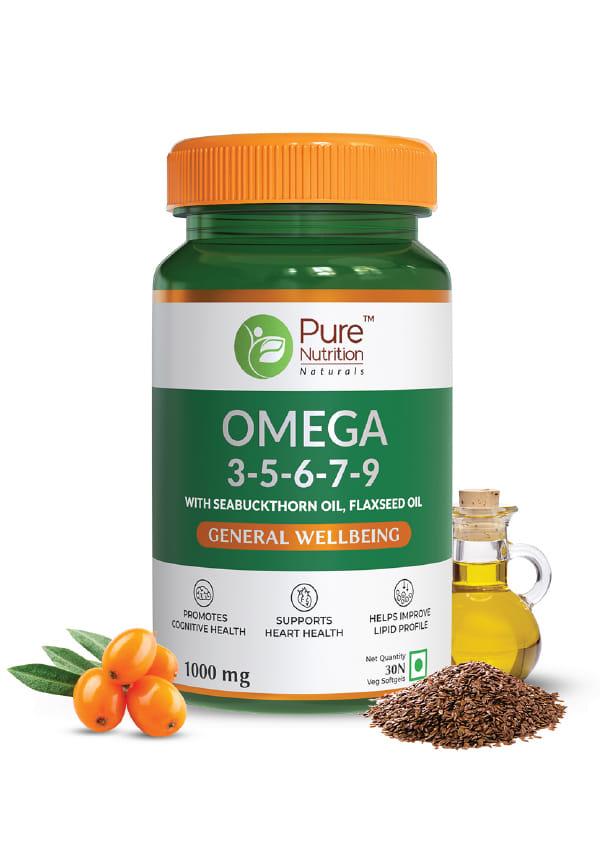
OMEGA 3-5-6-7-9
Heart health isn't just about hitting the gym or eating salad—it's about understanding what your body actually needs to keep that ticker running smoothly. For men, cardiovascular wellness becomes even more crucial since heart disease tends to strike earlier and harder than it does for women. The good news? Most heart problems are totally preventable with the right knowledge and habits. Whether you're in your twenties wondering when to start caring or in your fifties looking to turn things around, this guide to heart health for men covers everything you need to know. From spotting warning signs to building sustainable habits, we've got the answers to your most pressing questions. Plus, with platforms like Smytten making it easier to try wellness products before committing to full sizes, taking care of your heart has never been more accessible.
Men face higher heart disease risks earlier than women, with symptoms often appearing around age 45
Key prevention strategies include maintaining healthy blood pressure, managing cholesterol, regular exercise, and stress reduction
Diet plays a massive role—focus on omega-3s, lean proteins, and whole foods while limiting processed meats and excess sodium
Regular health screenings and knowing heart attack warning signs can be lifesaving
Small, consistent lifestyle changes are more effective than dramatic overhauls for long-term heart health
Let's be real—the stats around men's cardiovascular wellness are pretty sobering. Men typically develop heart disease about 7-10 years earlier than women, with the average age being 65 compared to 72 for women. Heart disease remains the leading cause of death for men globally, accounting for roughly 1 in every 4 male deaths.
What makes this even more concerning is how silently cardiovascular disease progresses. Many men don't realise they're at risk until they're facing a serious cardiac event. The economic impact is massive too—heart disease costs billions in healthcare expenses and lost productivity each year. But here's the thing that should actually give you hope: about 80% of premature heart disease and stroke cases are preventable through lifestyle changes.
Heart disease prevention for men starts with understanding what you're up against. Risk factors fall into two camps: the ones you can't change and the ones you absolutely can control.
Some things are just written in your DNA. Age is the big one—your risk starts climbing after 45. Family history matters too, especially if your dad or brother had heart disease before 55. Certain ethnic backgrounds, particularly South Asian and African descent, also carry higher risks.
This is where the real power lies. High blood pressure affects nearly half of all men and often shows no symptoms. High cholesterol, smoking, diabetes, obesity, and physical inactivity all significantly bump up your risk. Excessive alcohol consumption and chronic stress are also major players. The brilliant thing about these factors is that changing even one can dramatically improve your overall heart health.
Your male heart health diet doesn't need to be complicated or boring. Think of food as fuel that either helps or hinders your cardiovascular system. The goal is to nourish your heart while still enjoying what you eat.
Lean proteins like fish, chicken, and legumes should be your go-to choices. Fatty fish rich in omega-3s—salmon, mackerel, sardines—are absolute superstars for heart health. Aim for at least two servings per week. Whole grains, colourful vegetables, and antioxidant-packed berries help fight inflammation and support healthy blood flow.

Vegan Protein Strawberry banana flavour for Muscle and Bone strength
Processed meats, trans fats, and excessive sodium are your heart's worst enemies. Try to keep sodium under 2,300mg daily—that's about one teaspoon of salt. Added sugars and refined carbs cause blood sugar spikes that stress your cardiovascular system over time.
The Mediterranean and DASH diets are brilliant frameworks to follow. Meal prep doesn't have to be fancy—batch cook proteins and grains on weekends, then mix and match throughout the week. Reading nutrition labels becomes second nature once you know what to look for.
Exercise for men's heart health isn't about becoming a fitness influencer—it's about consistent movement that strengthens your cardiovascular system. The sweet spot is 150 minutes of moderate-intensity exercise or 75 minutes of vigorous activity weekly.
Walking, running, cycling, and swimming are fantastic options. High-Intensity Interval Training (HIIT) can be incredibly effective if you're short on time. Even 20-30 minutes of brisk walking most days can significantly reduce heart disease risk.
Don't skip the weights. Resistance training at least twice weekly helps maintain healthy blood pressure and improves overall cardiovascular function. Focus on compound movements like squats, deadlifts, and push-ups that work multiple muscle groups.
If you're over 40 or have existing health conditions, chat with your doctor before starting any new exercise programme. Start slowly and build endurance gradually. Listen to your body—chest pain, severe shortness of breath, or dizziness are signals to stop immediately.
Managing blood pressure men and cholesterol control for men often go hand in hand. These two factors are like the dynamic duo of heart health—get them right, and you're already winning half the battle.
Normal blood pressure is below 120/80 mmHg. Elevated is 120-129 systolic with less than 80 diastolic. High blood pressure starts at 130/80. Home monitoring can be incredibly useful—check it at the same time daily for consistent readings.
For men, LDL (bad cholesterol) should ideally be below 100 mg/dL, while HDL (good cholesterol) should be 40 mg/dL or higher. Regular exercise, a heart-healthy diet, and maintaining a healthy weight naturally improve your cholesterol profile. Get tested every 4-6 years if you're low risk, more frequently if you have other risk factors.
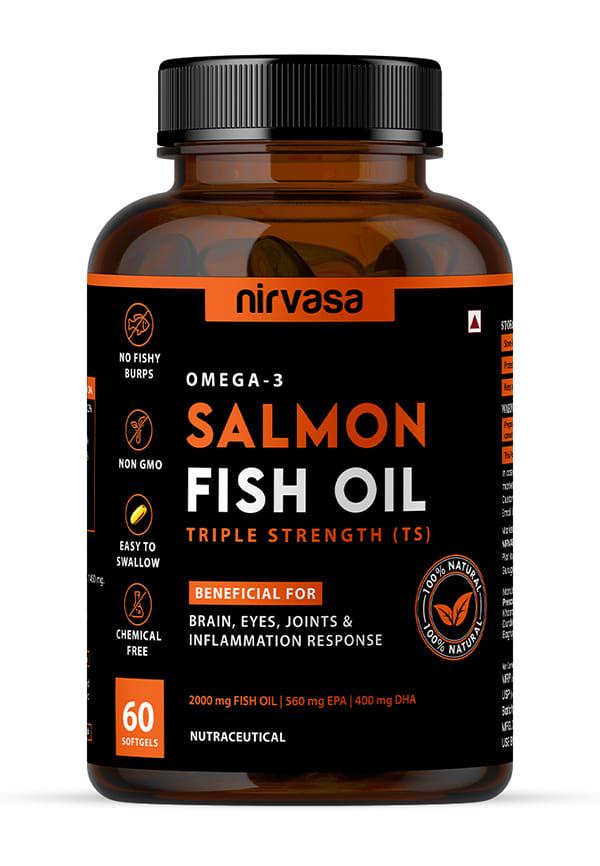
Omega 3 Salmon Fish Oil (Triple Strength) Softgels | For Heart, Brain & Bones
Positive Packaging Experience
 4
4“Good overall with nice packing ”
Effective Product
4“good 👍 product triple strength”
Safe and Excellent
5“safe and excellent product to use.”
Stress reduction for male heart health is often overlooked, but chronic stress literally damages your cardiovascular system. When you're constantly stressed, your body pumps out cortisol and adrenaline, which raise blood pressure and promote inflammation.
Work-related stress is particularly problematic for men. Long hours, high pressure, and poor work-life balance create a perfect storm for heart problems. Chronic stress also leads to unhealthy coping mechanisms like overeating, smoking, or excessive drinking.
Mindfulness and meditation aren't just trendy—they're scientifically proven to lower blood pressure and reduce heart disease risk. Even 10 minutes daily can make a difference. Quality sleep (7-9 hours nightly) is non-negotiable for heart health. Strong social connections and professional counselling when needed are equally important.
Preventing heart attack men starts with recognising the warning signs. Unlike what you see in movies, heart attacks don't always involve dramatic chest-clutching. Many men experience subtler symptoms that are easy to dismiss.
Classic symptoms include chest pain or discomfort, pain radiating to the left arm, jaw, or back, shortness of breath, and sweating. However, some men experience only fatigue, nausea, or indigestion-like symptoms. Silent heart attacks, where symptoms are minimal or absent, are more common in men with diabetes.
If you suspect a heart attack, call emergency services immediately and chew an aspirin if you're not allergic. Every minute counts—don't try to drive yourself to the hospital. Learning basic CPR could save someone's life, including your own family members.
Cardiac care tips for men aren't about perfection—they're about consistency and making heart-healthy choices part of your daily routine. Small changes compound over time to create significant improvements in cardiovascular health.
Get your blood pressure checked annually, cholesterol every 4-6 years (or more frequently if elevated), and diabetes screening every 3 years after age 45. ECGs and stress tests might be recommended based on your risk factors and family history.
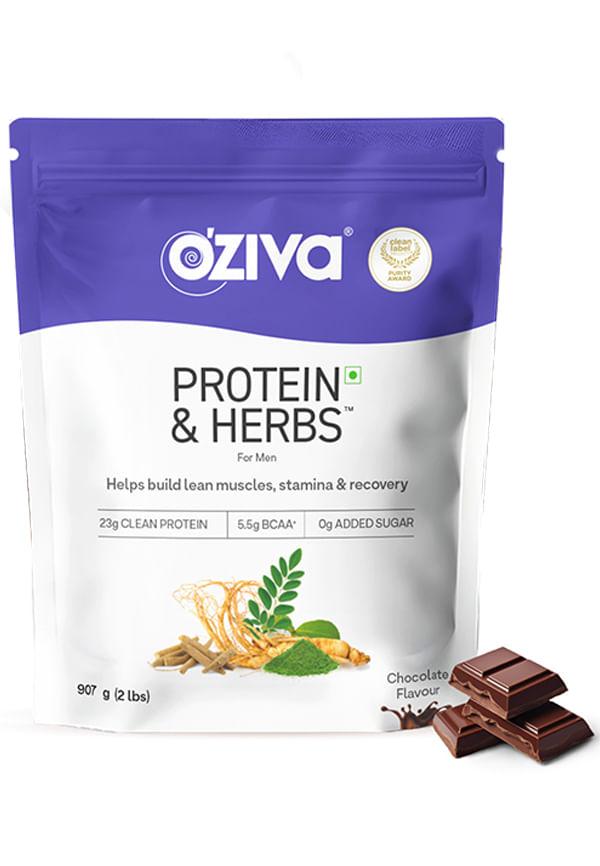
Protein & Herbs, Men for Better Stamina & Lean Muscles - Chocolate
Start your morning with a heart-healthy breakfast and some movement, even if it's just stretching. Take stairs instead of lifts when possible. Pack healthy snacks for work to avoid vending machine temptations. Use technology wisely—fitness trackers and health apps can provide valuable insights and motivation.
Set realistic, measurable goals like "walk 30 minutes, 5 days a week" rather than vague ones like "exercise more." Expect setbacks and plan for them. Celebrate small wins—they add up to big changes over time. Find an accountability partner or join a support group.
Heart health should be a priority from your twenties, but risk significantly increases after 45. The earlier you start building healthy habits, the better your long-term outcomes. Even if you're in your fifties or sixties, it's never too late to make meaningful improvements.
While you can't completely reverse existing heart disease, lifestyle changes can significantly slow progression and reduce future risk. Some studies show that intensive lifestyle interventions can even improve arterial function and reduce plaque buildup.
Generally every 4-6 years for men over 20 with normal levels. If you have risk factors like family history, diabetes, or previous high readings, your doctor might recommend annual testing.
A heart attack occurs when blood flow to part of the heart is blocked, usually by a clot. Cardiac arrest happens when the heart suddenly stops beating effectively. Heart attacks can lead to cardiac arrest, but they're different conditions requiring different emergency responses.
Most men with heart conditions can exercise safely with proper medical guidance. Your doctor can recommend appropriate intensity levels and activities. Cardiac rehabilitation programmes are specifically designed for people with heart conditions.
Chronic stress releases hormones that increase blood pressure, promote inflammation, and can lead to unhealthy coping behaviours. Managing stress through exercise, meditation, or counselling is crucial for heart health. Available wellness products on Smytten can help you explore stress-reduction techniques through trial sizes before committing to full purchases.
Your heart health journey doesn't require perfection—it requires consistency and smart choices. Focus on the modifiable risk factors you can control: maintain healthy blood pressure and cholesterol levels, stay physically active, eat a heart-healthy diet, manage stress effectively, and avoid smoking. Regular health screenings help catch problems early when they're most treatable. Remember that small, sustainable changes are more effective than dramatic overhauls that you can't maintain long-term.
Taking charge of your heart health is one of the best investments you can make in your future self. Whether you're looking to prevent heart disease or manage existing conditions, the strategies outlined in this guide provide a solid foundation for cardiovascular wellness. Smytten is India's largest product discovery and trial platform, connecting consumers with top lifestyle, beauty, wellness, and grooming brands through curated trial packs from over 1,500 trusted brands. With trial packs available for just ₹249 and 100% cashback on trials, you can explore heart-healthy supplements and wellness products before committing to full-size purchases. The platform's PAN-India delivery ensures that authentic, brand-verified minis reach you wherever you are, making it easier than ever to prioritise your health. After all, why settle for 'maybe' when you can #TryItAll!
