Guide to Focus and Brain Health for Men: FAQ



Vlado's Himalayan Organics Methyl cobalamin Vitamin B12 1500mcg Supplement support Brain, Nerve Function and Energy - 90 Veg Tablets
Let's be real—when was the last time you felt truly sharp and focused throughout your entire day? If you're like most men juggling work, relationships, and life's endless demands, maintaining peak brain function can feel like an uphill battle. The good news is that understanding and optimising your cognitive health doesn't have to be complicated. From nutrition tweaks that boost mental clarity to exercise routines that enhance focus, this comprehensive guide tackles the most pressing questions about brain health specifically for men. Whether you're looking to improve concentration at work, combat brain fog, or simply want to keep your mind sharp as you age, we've got the science-backed answers you need. Plus, with platforms like Smytten making it easier to trial wellness products before committing to full sizes, exploring brain-boosting supplements has never been more accessible.
Men's brains have unique structural and hormonal differences that affect focus and concentration patterns
Exercise, particularly HIIT and strength training, provides immediate and long-term cognitive benefits for men
Nutrition plays a crucial role—omega-3s, B-vitamins, and proper hydration are essential for male brain function
Stress management is critical as chronic stress uniquely impacts men's cognitive performance through cortisol and testosterone interactions
Evidence-based supplements like creatine and Lion's Mane can enhance male cognitive function when used properly
Your brain isn't just a generic thinking machine—it's uniquely male, with specific patterns and needs that differ from women's cognitive architecture. Research shows that men's brains typically have more connections within each hemisphere, whilst women's brains show more connections between hemispheres. This structural difference affects how you process information, solve problems, and maintain focus throughout the day.
Hormones play a massive role in your cognitive performance too. Testosterone doesn't just affect your muscles and mood—it directly impacts your ability to concentrate, make decisions, and maintain mental clarity. As testosterone levels naturally decline with age (about 1% per year after 30), many men notice changes in their cognitive sharpness, memory, and overall brain function.
Understanding these differences helps explain why certain focus strategies work better for men. Your brain tends to excel at spatial reasoning, mathematical processing, and single-task focus. However, you might struggle more with multitasking and emotional processing compared to women.
Age-related changes in men's brains often manifest differently too. Whilst women might experience more dramatic hormonal shifts during menopause, men face a gradual decline in cognitive function that can be harder to detect early on.
Think of your brain health as a building that needs seven strong pillars to stay standing. Physical activity forms the foundation—your brain craves the increased blood flow and neurochemical changes that come with regular exercise.
Nutrition and hydration keep your neural networks firing properly, whilst quality sleep allows your brain to consolidate memories and clear out metabolic waste. Mental stimulation, social connections, stress management, and regular health monitoring round out the essential elements for optimal cognitive function.
If you want to boost your focus and concentration, science has some pretty clear answers about what actually works for men's brains. The strategies that deliver the biggest cognitive bang for your buck aren't necessarily what you'd expect—and they're definitely not one-size-fits-all solutions.
Research consistently shows that men respond particularly well to high-intensity, structured approaches to brain training. This mirrors how male brains typically prefer focused, goal-oriented activities over multitasking scenarios.
Here's something that might surprise you—a 20-minute HIIT session can improve your cognitive performance for up to 2 hours afterwards. High-intensity interval training doesn't just build physical fitness; it triggers the release of BDNF (brain-derived neurotrophic factor), which acts like fertiliser for your brain cells.
Strength training offers different but equally impressive cognitive benefits. Studies show that men who lift weights regularly have better executive function—that's your brain's ability to plan, focus, and juggle multiple tasks effectively.

Plant Based Omega 3 6 9 Multivitamin Supplement for Men & Women(1000 mg Vegan Omega Oil Concentrate with Flaxseed & Blackseed Oil) Fatty Acids
Cognitive exercises work, but not all brain training is created equal. Men tend to respond better to competitive, measurable brain training activities rather than passive mental exercises.
Working memory training, spatial reasoning puzzles, and reaction time games show the most promise for male cognitive enhancement. The key is consistency—15 minutes daily beats hour-long sessions once a week.
Your brain is an energy-hungry organ, consuming about 20% of your daily calories. What you eat directly impacts how well you think, focus, and remember. For men, certain nutrients are particularly crucial for maintaining cognitive performance throughout the day.
The timing of your meals matters just as much as what's on your plate. Men's brains tend to function better with steady glucose levels rather than the peaks and crashes that come from irregular eating patterns.
Omega-3 fatty acids, particularly DHA, are non-negotiable for brain health. Men need about 1.6 grams daily, but most get less than half that amount. These healthy fats literally build your brain cell membranes and support communication between neurons.
B-vitamins work as a team to support energy production in your brain cells. B12, folate, and B6 are especially important for men over 40, as absorption tends to decrease with age.
Intermittent fasting has shown particular promise for male cognitive function. The 16:8 method (eating within an 8-hour window) can improve mental clarity and focus, partly by stabilising blood sugar and increasing BDNF production.
Pre-workout nutrition affects your mental performance too. A combination of complex carbs and protein about 2 hours before exercise optimises both physical and cognitive performance during your workout.
The supplement industry loves to make big promises about brain enhancement, but most products lack solid scientific backing. However, a few supplements have genuine research supporting their cognitive benefits specifically for men.
Before diving into any supplement routine, it's worth noting that whole foods should always be your first priority. Supplements work best when they're filling specific gaps in your nutrition, not replacing a balanced diet.
Creatine isn't just for muscle building—it's one of the most researched cognitive enhancers available. Men typically see improvements in working memory and processing speed with 5 grams daily. Your brain uses creatine for energy production, especially during mentally demanding tasks.
Lion's Mane mushroom shows promise for supporting neuroplasticity and cognitive function. Studies suggest it may help with focus and mental clarity, though more research is needed for definitive dosing recommendations.
Timing matters when it comes to cognitive supplements. Creatine works best when taken consistently, regardless of timing. However, adaptogens like Rhodiola rosea are most effective when taken in the morning on an empty stomach.
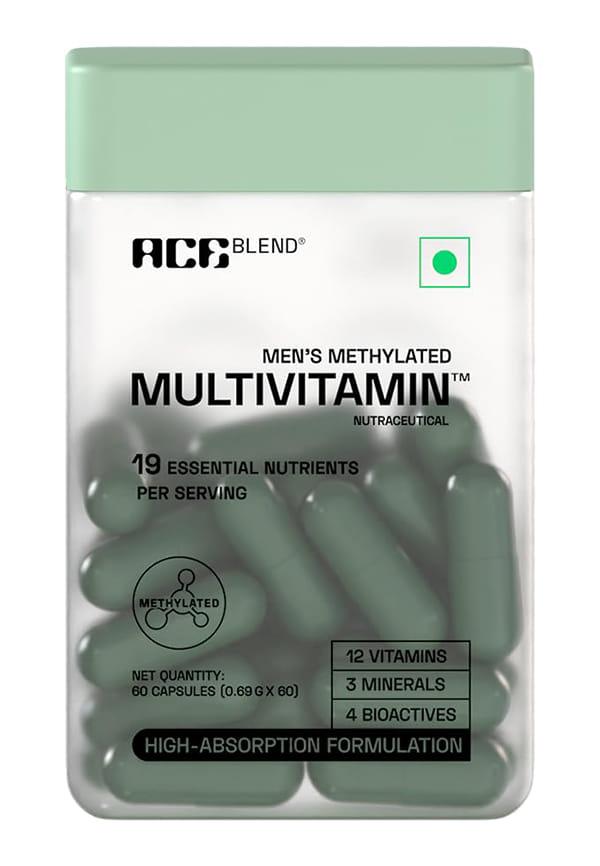
Methylated Multivitamin for Men, Supports Immunity, Focus & Heart Health
Stacking supplements can be effective, but start with one at a time to assess individual effects. A basic stack might include omega-3s, a B-complex, and creatine—all with solid research backing their cognitive benefits.
Chronic stress is like kryptonite for your cognitive function, but men often experience and express stress differently than women. Understanding these patterns is crucial for developing effective stress management strategies that actually work for your brain.
The relationship between stress, testosterone, and cognitive function creates a particularly challenging cycle for men. High stress suppresses testosterone production, which in turn affects focus, decision-making, and mental clarity.
Men tend to internalise stress, which can lead to chronic elevation of cortisol levels. This stress hormone directly interferes with memory formation and retrieval, making it harder to concentrate and learn new information.
Early warning signs include difficulty making decisions, increased irritability, and problems with short-term memory. These symptoms often get dismissed as normal work stress, but they're actually your brain's way of signalling that your stress management system needs attention.
You don't need hour-long meditation sessions to see cognitive benefits from stress reduction. Even 5-minute breathing exercises can lower cortisol levels and improve focus for the next few hours.
Physical stress release through exercise is particularly effective for men. High-intensity workouts provide an outlet for stress hormones whilst simultaneously boosting cognitive function through increased BDNF production.
Your daily habits create the foundation for either cognitive excellence or mental fog. Small, consistent changes in your routine can lead to dramatic improvements in focus, memory, and overall brain function over time.
The key is building systems rather than relying on motivation. Your brain thrives on routine and predictability, so establishing consistent patterns for sleep, exercise, and nutrition creates an environment where cognitive performance can flourish.
Men need 7-9 hours of quality sleep for optimal cognitive function, but the timing and quality matter just as much as duration. Your brain consolidates memories and clears metabolic waste during deep sleep phases, which typically occur in the first half of the night.
Sleep hygiene for shift workers requires special attention. If you work irregular hours, maintaining consistent sleep and wake times on your days off helps stabilise your circadian rhythm and preserve cognitive function.
Social isolation is a significant risk factor for cognitive decline, and men are particularly vulnerable as they age. Meaningful relationships provide cognitive stimulation and stress buffering that directly benefits brain health.
Group activities that combine social interaction with mental or physical challenges offer the biggest cognitive benefits. Think team sports, group fitness classes, or collaborative hobbies that engage multiple brain systems simultaneously.

Multivitamin Tablets for Men & Women, Energy, Immunity & Wellness Support with Vitamin C, D3, Zinc, B12
Watch for persistent brain fog, difficulty concentrating for extended periods, increased forgetfulness with recent events, trouble making decisions that used to be easy, and noticeable changes in your mood or irritability levels. These symptoms, especially when they persist for weeks, suggest your cognitive function could benefit from targeted interventions.
Some changes happen surprisingly fast—proper hydration and a good night's sleep can improve focus within 24 hours. Exercise benefits kick in within days to weeks. Nutritional changes and supplements typically take 4-8 weeks to show noticeable effects. The key is consistency rather than perfection in your approach.
Absolutely worth exploring, especially since you can trial products before committing to full sizes. Look for supplements with solid research backing like omega-3s, B-complex vitamins, and creatine. Starting with trial sizes lets you assess how your body responds without the financial risk of full-size purchases.
Water makes up about 85% of your brain tissue, which explains why even mild dehydration can significantly impact cognitive function. Men often underestimate their hydration needs, especially if they're physically active or work in demanding environments. Aim for clear or light yellow urine as a simple hydration check.
Men typically have different hormonal influences on cognitive function, with testosterone playing a key role in focus and decision-making. Men also tend to respond better to high-intensity, goal-oriented cognitive training rather than multitasking approaches. Stress management strategies often need to be more physically oriented for men to be effective.
Seek medical evaluation if you experience sudden cognitive changes, persistent memory problems that interfere with daily life, difficulty with familiar tasks, confusion about time or place, or significant personality changes. Age-related cognitive changes happen gradually—sudden or severe changes warrant professional assessment.
Research consistently shows that men who actively work on cognitive health see improvements in work performance, decision-making quality, and overall life satisfaction. The strategies that boost brain function often have positive spillover effects on physical health, relationships, and career success.
Your brain health isn't something to leave to chance—it's an investment that pays dividends in every area of your life. The science is clear that men's brains have unique needs and respond particularly well to structured, goal-oriented approaches to cognitive enhancement.
Start with the basics: prioritise quality sleep, stay properly hydrated, and incorporate regular exercise into your routine. These foundational habits create the environment your brain needs to function optimally. From there, consider targeted nutrition strategies and evidence-based supplements to fill any gaps.
Remember that consistency beats perfection every time. Small, sustainable changes in your daily routine will deliver better long-term results than dramatic overhauls that you can't maintain. Your future self will thank you for the cognitive investment you make today.
Taking control of your brain health doesn't have to mean overhauling your entire lifestyle overnight. Whether you're exploring brain-boosting supplements, trying new wellness products, or simply want to optimise your daily routine, having access to trial-sized options makes the journey much more manageable. Smytten's approach to product discovery means you can experiment with different wellness solutions—from cognitive supplements to stress-relief products—without the commitment of full-size purchases. With over 1,500 trusted brands available for trial and 100% cashback on minis, you can explore what works best for your unique brain health needs. After all, when it comes to optimising your cognitive performance, why settle for guesswork when you can try it all and find what truly works for you?
