Guide to Fiber for Men's Digestion: FAQ


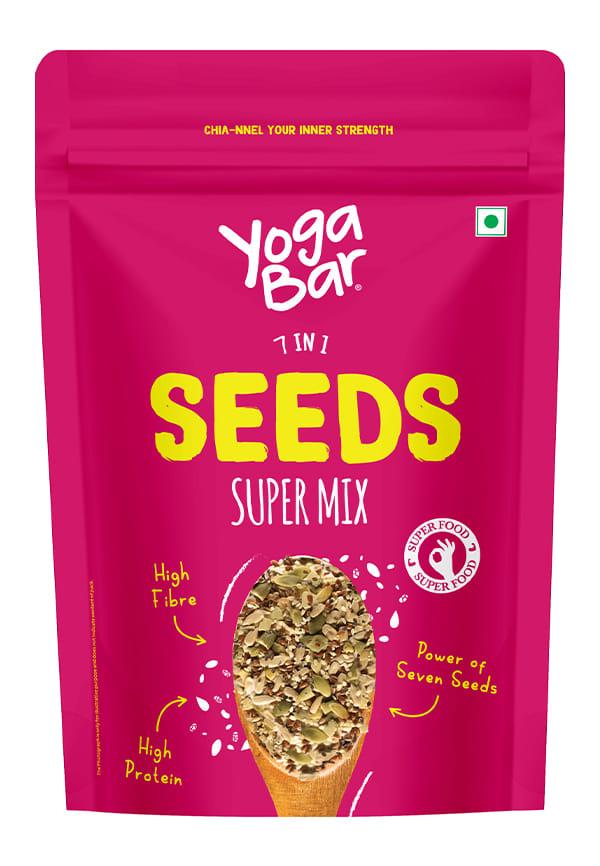
7 in 1 Seeds | Super Mix |High Protein & Fibre
Let's be real—most blokes aren't exactly thinking about fiber when they're planning their meals. But here's the thing: your digestive health plays a massive role in how you feel day-to-day, and fiber is basically the unsung hero of gut health. Whether you're dealing with sluggish digestion, trying to maintain a balanced diet, or just want to feel less bloated after meals, understanding fiber intake for men could be a proper game-changer. From the difference between soluble and insoluble fiber to finding the best fiber sources that actually taste decent, this guide covers everything you need to know about improving male digestion. Plus, with platforms like Smytten making it easier to trial wellness products before committing to full sizes, there's never been a better time to explore what works for your body.
TL;DR
Men need 38g of fiber daily (under 50) or 30g (over 50), but most only get 10-15g
Soluble fiber helps with cholesterol and blood sugar; insoluble fiber keeps things moving smoothly
Best fiber sources include legumes, whole grains, fruits, vegetables, nuts, and seeds
Gradual increase is key—too much too fast leads to uncomfortable bloating and gas
Combining fiber with adequate water intake maximises digestive health benefits
Right, let's start with the basics. The recommended fiber intake for men isn't just some random number—it's based on solid research about what your digestive system actually needs to function properly. Most guys are falling way short of these targets, which explains why digestive issues are so common.
Here's what you should be aiming for: men under 50 need about 38 grams of fiber daily, whilst those over 50 should target around 30 grams. The slight decrease after 50 accounts for typically lower calorie needs as metabolism changes. The reality? Most men are only getting 10-15 grams daily—that's less than half of what's recommended.
This shortfall isn't just about poor food choices. Modern diets tend to favour processed foods that have had most of their fiber stripped away. Think white bread instead of wholemeal, fruit juices instead of whole fruits, and refined cereals instead of oat-based options.
Here's a handy trick for choosing better options: the 5-to-1 rule. For every 5 grams of carbohydrates in a food, there should be at least 1 gram of fiber. This ratio helps you identify foods that'll actually contribute to your dietary fiber men's health goals.
When you're reading nutrition labels, divide the total carbs by the fiber content. If the result is 5 or less, you've found a winner. For example, if a slice of bread has 15g carbs and 3g fiber, that's a 5:1 ratio—perfect. This simple rule helps you navigate the grocery aisles without getting bogged down in complex nutritional analysis.
Not all fiber is created equal, and understanding the difference between types can help you target specific digestive concerns. Think of soluble fiber benefits men and insoluble fiber as having different jobs in your digestive system—both equally important but working in different ways.
Soluble fiber dissolves in water to form a gel-like substance in your digestive tract. This might sound a bit gross, but it's actually brilliant for several reasons. It slows down digestion, which helps regulate blood sugar levels—particularly useful if you're trying to avoid those post-meal energy crashes.
It also binds to cholesterol particles and helps remove them from your body, which is why your GP might mention fiber when discussing heart health. Plus, because it slows digestion, you feel fuller for longer, making it easier to maintain a healthy weight. Top sources include oats, beans, apples, and barley.
Insoluble fiber for men works differently—it doesn't dissolve in water but adds bulk to your stool and helps food move through your digestive system more efficiently. Think of it as nature's broom, sweeping things along and preventing that uncomfortable backed-up feeling.
This type of fiber is particularly brilliant for preventing constipation and maintaining regular bowel movements. You'll find it in whole wheat products, nuts, beans, and vegetables like cauliflower and green beans. The key is getting both types in your diet rather than focusing on just one.
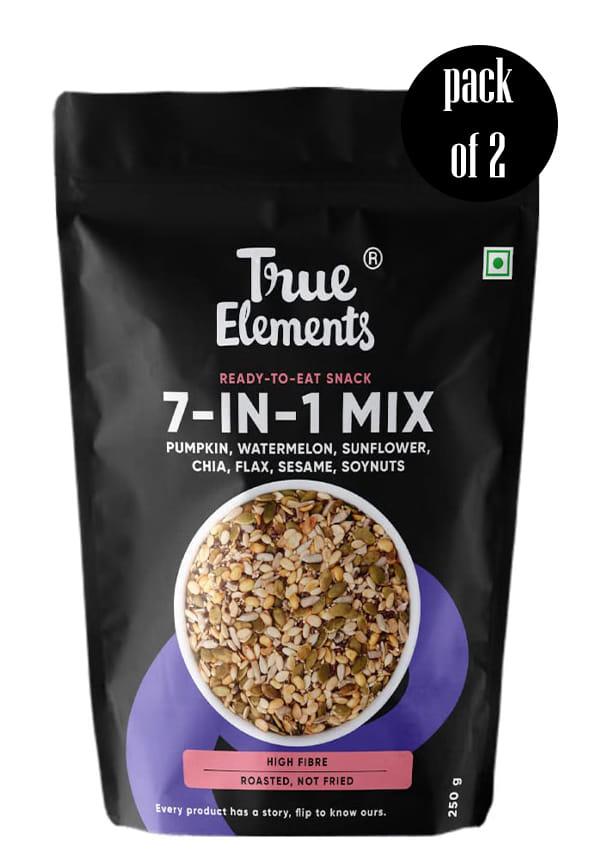
7-in-1 Super Seeds And Nut Mix
Here's something fascinating: your body can't actually digest fiber. Instead, it passes through your stomach and small intestine relatively unchanged until it reaches your colon. There, beneficial bacteria ferment some of the fiber, producing short-chain fatty acids that feed your gut lining and support overall gut health men need.
This fermentation process is why fiber is so crucial for maintaining a healthy gut microbiome. The bacteria in your digestive system literally feed on fiber, and when they're well-fed, they keep your entire digestive system running smoothly.
Finding the best fiber sources men can actually enjoy eating doesn't have to be a chore. The trick is knowing which foods pack the biggest fiber punch and how to incorporate them into meals you'll actually want to eat regularly.
Legumes and beans are absolute powerhouses, delivering 15-19 grams of fiber per cup. Black beans, chickpeas, and lentils are particularly versatile—you can chuck them into salads, soups, or even blend them into smoothies without dramatically changing the taste.
Whole grains and cereals can provide 10-15 grams per serving, but you need to choose wisely. Look for products where whole grains are the first ingredient. Quinoa, brown rice, and steel-cut oats are solid choices that don't taste like cardboard.
Fruits and vegetables typically offer 3-8 grams per serving, but they're easy to incorporate throughout the day. Apples with skin, pears, berries, and artichokes are particularly good options. Nuts and seeds pack 5-12 grams per ounce—almonds, chia seeds, and flaxseeds are worth keeping in your kitchen.
Hitting 30+ grams of fiber daily is totally doable with a bit of planning. Start your day with oatmeal topped with berries and nuts—that's already 10-12 grams sorted. Add a large salad with chickpeas for lunch (another 8-10 grams), and include a serving of vegetables with dinner (4-6 grams).
The key is gradual increase. Don't go from 15 grams to 35 grams overnight, or you'll spend the next few days feeling uncomfortably bloated. Increase by 5 grams weekly until you reach your target. Your digestive system needs time to adapt to the increased fiber load.
Improving male digestion isn't just about avoiding uncomfortable symptoms—it's about optimising how your body processes nutrients and maintains overall health. Fiber plays a central role in creating an environment where your digestive system can function at its best.
Fiber acts as food for the beneficial bacteria in your gut, promoting a diverse and healthy microbiome. These bacteria produce compounds that reduce inflammation throughout your digestive tract and support the integrity of your gut lining.
Regular fiber intake also helps maintain consistent bowel movements, preventing the buildup of waste that can lead to discomfort and more serious digestive issues. It's like regular maintenance for your digestive system—not glamorous, but absolutely essential for long-term health.
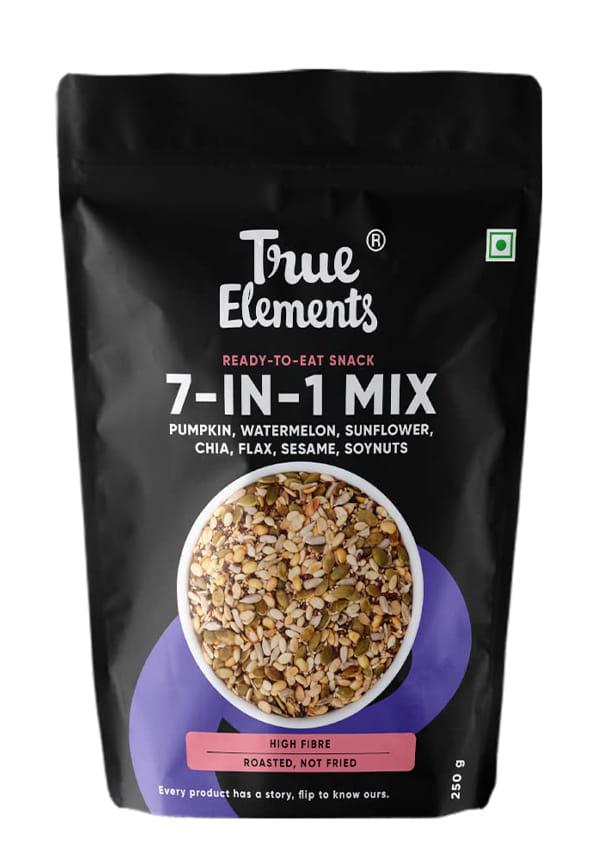
7-in-1 Super Seeds And Nut Mix
Constipation relief men often seek can be achieved naturally through proper fiber intake combined with adequate hydration. Fiber works by adding bulk to stool and helping it retain water, making it easier to pass.
The key is pairing fiber with plenty of water—aim for at least 8-10 glasses daily when increasing fiber intake. Without enough water, additional fiber can actually make constipation worse. If you're considering supplements, whole food sources are generally better tolerated and provide additional nutrients your body needs.
Beyond digestive benefits, adequate fiber intake supports a balanced diet men need for long-term health. The research is pretty clear: men who consistently meet fiber recommendations have lower rates of several chronic diseases and generally better health outcomes.
Regular fiber intake is associated with reduced risk of heart disease, partly due to its cholesterol-lowering effects. It also helps regulate blood sugar levels, reducing diabetes risk. Some studies suggest that high fiber intake may lower colon cancer risk, though more research is needed to fully understand this relationship.
Weight management becomes easier with adequate fiber because it promotes satiety—you feel full longer after meals, reducing the likelihood of overeating. This isn't about restrictive dieting; it's about working with your body's natural hunger and fullness cues.
A well-functioning digestive system absorbs nutrients more efficiently, meaning you get more benefit from the food you eat. Fiber supports this by maintaining healthy gut bacteria that assist with nutrient absorption and produce beneficial compounds your body uses for various functions.
Improved gut microbiome diversity is linked to better immune function, mood regulation, and even cognitive health. Your gut bacteria communicate with your brain through what's called the gut-brain axis, making digestive health relevant to overall wellbeing.
While supplements can be helpful in certain situations, whole food sources of fiber offer advantages that isolated fiber supplements simply can't match. Understanding when each option makes sense can help you make better choices for your specific needs.
Supplements might be useful if you're travelling frequently, have very limited food options, or are working to increase intake gradually under medical supervision. They're also convenient for people with specific digestive conditions that make it difficult to tolerate high-fiber foods initially.
However, supplements typically provide only one type of fiber, whereas whole foods offer a mix of soluble and insoluble fiber plus other beneficial compounds. If you do use supplements, start with small amounts and increase gradually to avoid digestive discomfort.
Whole foods provide fiber along with vitamins, minerals, antioxidants, and other compounds that work together to support health. An apple doesn't just give you fiber—it provides vitamin C, potassium, and various antioxidants that supplements can't replicate.
Your digestive system also adapts better to fiber from whole foods because it's presented in a natural matrix with other nutrients. This tends to cause fewer digestive side effects compared to concentrated fiber supplements.

Pumpkin Seeds | Rich in Dietary Fibre
Both soluble and insoluble fiber are important for optimal digestion. Soluble fiber helps regulate blood sugar and cholesterol while promoting satiety, whilst insoluble fiber keeps things moving through your digestive system and prevents constipation. The best approach is getting both types from a variety of whole food sources rather than focusing on just one type.
Absolutely. Increasing fiber too rapidly can lead to uncomfortable gas, bloating, and digestive upset. The best approach is to increase by about 5 grams per week until you reach your target intake. This gives your digestive system time to adapt and your gut bacteria time to adjust to the increased fiber load.
Aim for at least 8-10 glasses of water daily when increasing fiber intake. Fiber works by absorbing water to add bulk to stool and keep things moving smoothly. Without adequate hydration, additional fiber can actually worsen constipation rather than helping it.
While fiber supplements can help you meet daily targets, whole foods offer additional benefits including vitamins, minerals, and antioxidants that supplements can't provide. Whole foods also tend to be better tolerated and cause fewer digestive side effects. Supplements are best used as a temporary measure or when whole food sources aren't practical.
Smytten offers trial packs of various wellness products including fiber-rich snacks, protein bars, and nutritional supplements from trusted brands. You can explore different options through their trial packs before committing to full-size purchases, making it easier to find products that work for your digestive needs and taste preferences.
Excessive fiber intake (over 50-60 grams daily) can interfere with mineral absorption and cause digestive discomfort. It can also lead to intestinal blockages in rare cases, particularly if you're not drinking enough water. Stick to recommended amounts and increase gradually to avoid these issues.
Getting adequate fiber doesn't have to be complicated or involve eating foods you hate. Start by gradually increasing your intake through foods you already enjoy—add berries to your morning cereal, choose wholemeal bread over white, or include a handful of nuts as a snack. The key is consistency rather than perfection.
Remember that both soluble and insoluble fiber play important roles in digestive health, so variety in your fiber sources is more important than focusing on any single type. Pair increased fiber intake with adequate water consumption, and be patient as your digestive system adapts to the changes.
Most importantly, listen to your body. If certain high-fiber foods cause discomfort, try different sources or reduce the amount temporarily. The goal is finding a sustainable approach that supports your long-term digestive health without making meals feel like a chore.
Improving your digestive health through proper fiber intake is one of those changes that might seem small but can have a massive impact on how you feel daily. Whether you're exploring fiber-rich snacks, protein bars, or nutritional supplements, Smytten makes it easier to trial different wellness products before committing to full sizes. With over 1,500 trusted brands available and 100% cashback on trial packs, you can discover what works for your body without the usual trial-and-error expense. From True Elements' fiber-rich snacks to other wellness brands, Smytten's curated trial packs let you explore authentic, brand-verified minis that support your digestive health goals. After all, why settle for guessing what might work when you can try it all and find exactly what your body needs?
