Guide to Calcium for Bone Health in Women: FAQ
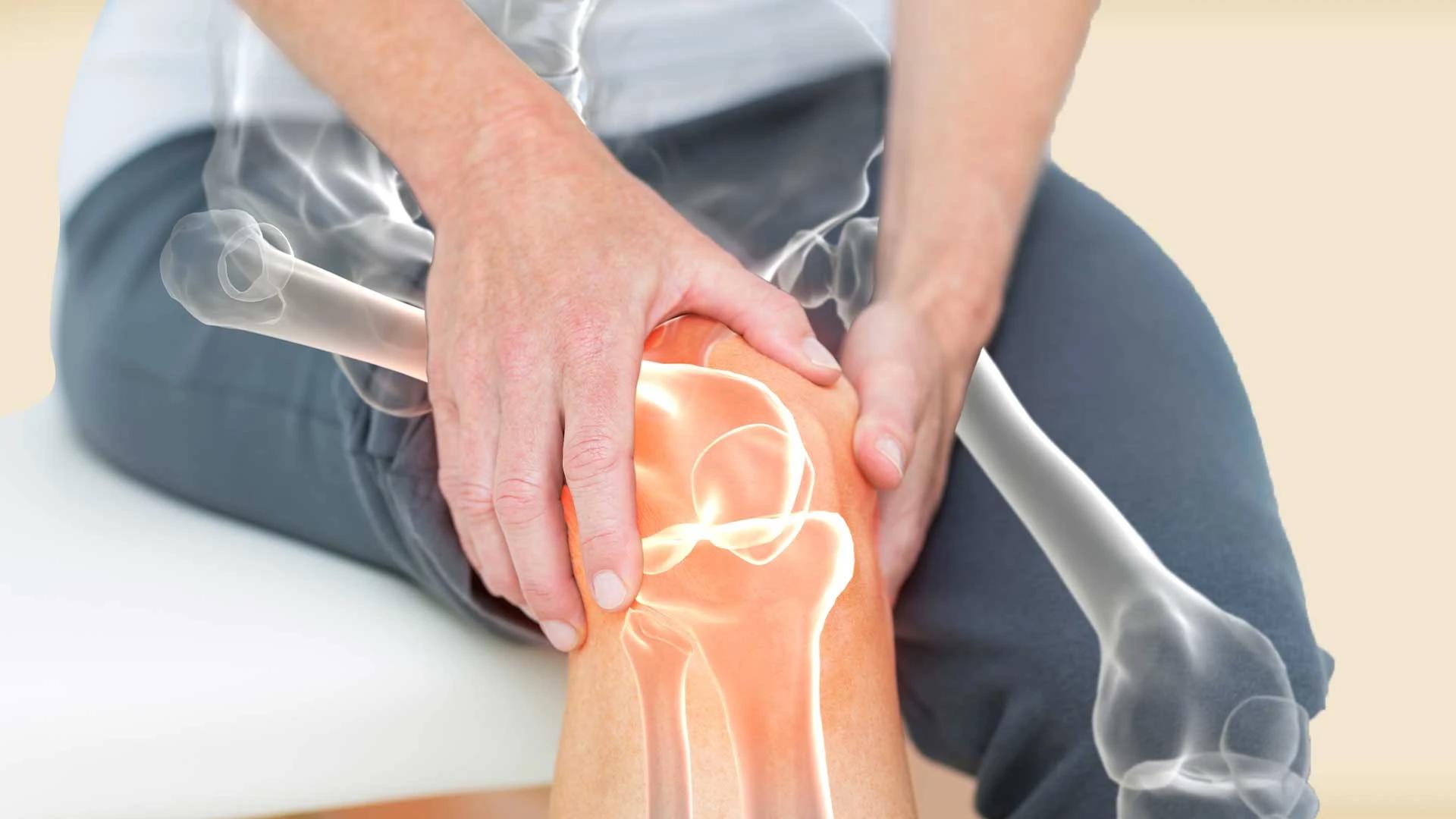

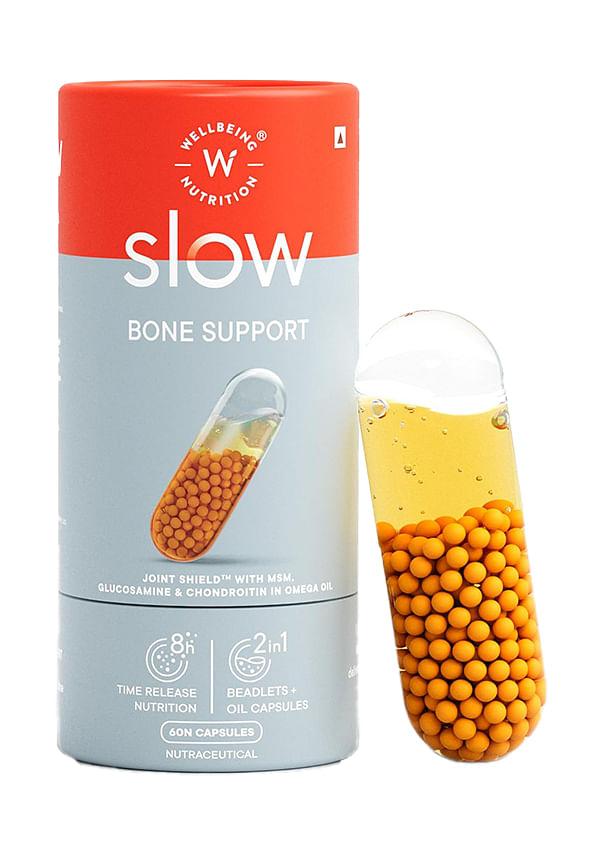
Slow Bone Support Capsule Men & Women | Bone and Joint Vitamin Supplements
Strong bones aren't just about drinking milk—they're about understanding what your body actually needs at every stage of life. For women, calcium intake becomes even more crucial due to hormonal changes, pregnancy, and the natural ageing process that can impact bone density. Whether you're in your twenties building peak bone mass or navigating menopause, getting the right amount of calcium is essential for preventing osteoporosis and maintaining healthy bones. With so much conflicting information out there, it's easy to feel confused about daily calcium needs, the best sources, and whether supplements are necessary. That's where platforms like Smytten come in handy—offering trial-sized wellness products that let you explore different calcium supplements and bone health solutions before committing to full-size purchases.
Women need 1,000-1,300mg of calcium daily, with requirements increasing after menopause to 1,200mg
Dairy products, leafy greens, and fortified foods are excellent dietary calcium sources, while supplements can fill gaps
Vitamin D is essential for calcium absorption—aim for 600-800 IU daily alongside your calcium intake
Menopause significantly impacts bone health due to estrogen loss, making osteoporosis prevention crucial
Weight-bearing exercise, limiting alcohol, and avoiding smoking are key lifestyle factors for bone strength
Your calcium requirements aren't one-size-fits-all—they change dramatically throughout your life. Understanding these shifting needs helps you make informed decisions about your bone health strategy.
Adolescent girls (9-18 years) need the highest amount at 1,300mg daily because this is when they're building peak bone mass. Think of it as your bone bank account—the more you deposit now, the better off you'll be later. Adult women aged 19-50 require 1,000mg daily, which maintains bone density during your prime years. Once you hit 51 or enter menopause, that number jumps to 1,200mg daily to combat the accelerated bone loss that comes with hormonal changes.
During pregnancy and breastfeeding, your needs stay around 1,000-1,300mg daily, but here's the thing—your body becomes incredibly efficient at absorbing calcium during this time. Your growing baby needs calcium for bone development, and if you're not getting enough, your body will actually pull it from your own bones.
Women face unique challenges when it comes to bone health. Hormonal fluctuations during menstrual cycles can affect how well your body absorbs calcium. Plus, the dramatic drop in estrogen during menopause accelerates bone loss at a rate of 1-2% per year for the first five to ten years post-menopause.
Pregnancy and breastfeeding also create additional calcium demands. Your body prioritises your baby's calcium needs, which means inadequate intake can lead to maternal bone loss. This is why maintaining proper calcium intake throughout these life stages is absolutely crucial.
Real talk—getting calcium from food is always your best bet because it comes packaged with other bone-supporting nutrients. But sometimes life gets in the way, and that's where supplements can help bridge the gap.
Dairy products remain the calcium champions, with a cup of milk providing about 300mg, Greek yogurt offering 200-300mg, and hard cheeses like cheddar packing 200mg per ounce. But if dairy isn't your thing, don't worry—plenty of plant-based options exist.
Leafy greens like kale (90mg per cup), bok choy (160mg per cup), and broccoli (60mg per cup) are excellent sources. Fish with soft bones such as canned salmon with bones (180mg per 3 oz) and sardines (325mg per 3.5 oz) provide both calcium and omega-3 fatty acids.
Fortified foods have become game-changers for those avoiding dairy. Fortified plant-based milks (almond, soy, oat) often contain 300-450mg per cup—sometimes more than cow's milk. Fortified orange juice and cereals can also contribute significantly to your daily intake.
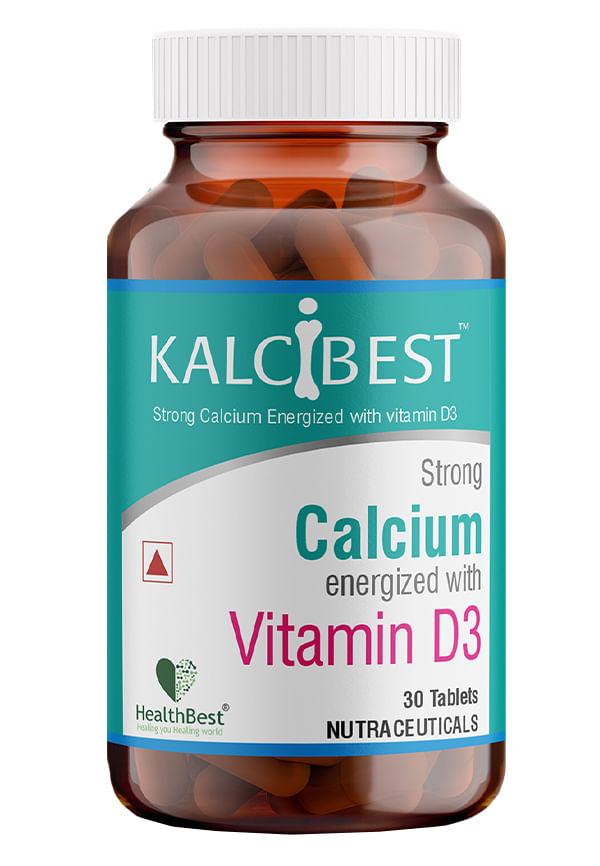
KalciBest Calcium Supplement Tablets for Men & Women - Promotes Joint Muscle & Strengthen Bone Health
Supplements make sense when dietary intake consistently falls short, you have absorption issues, or you're at high risk for osteoporosis. Signs you might need supplements include a diet low in calcium-rich foods, lactose intolerance without adequate dairy alternatives, or certain medications that interfere with calcium absorption.
When choosing supplements, calcium carbonate provides the most elemental calcium but needs stomach acid for absorption (take with meals). Calcium citrate is better absorbed on an empty stomach and works well for those with low stomach acid. The key is taking no more than 500-600mg at once—your body can't absorb more than that efficiently.
Menopause marks a turning point for bone health that every woman needs to understand. The hormonal shifts don't just affect hot flashes and mood—they fundamentally change how your bones behave.
Estrogen acts like a bone protector, helping maintain the balance between bone breakdown and bone formation. When estrogen levels plummet during menopause, this balance tips dramatically towards bone loss. Women can lose up to 20% of their bone density in the five to seven years following menopause.
This isn't just about calcium intake anymore—it's about how efficiently your body uses the calcium you consume. Lower estrogen levels reduce calcium absorption in the intestines and increase calcium excretion through the kidneys. This double whammy means you need to be more strategic about your bone health approach.
Prevention starts long before menopause hits. Building strong bones in your twenties and thirties creates a better foundation for later life. But even if you're already post-menopausal, it's never too late to slow bone loss and reduce fracture risk.
Key prevention strategies include maintaining adequate calcium and vitamin D intake, engaging in regular weight-bearing exercise, limiting alcohol to one drink per day, avoiding smoking, and discussing hormone therapy options with your healthcare provider if appropriate. Some women also benefit from bone density testing to assess their current status and track changes over time.
Calcium without vitamin D is like having a key without a lock—they work together to keep your bones strong. Understanding this partnership is crucial for maximising your bone health efforts.
Vitamin D acts as calcium's personal escort, helping it get absorbed in your intestines and deposited into your bones. Without adequate vitamin D, you'll only absorb about 10-15% of dietary calcium. With sufficient vitamin D, that jumps to 30-40%.
Most women need 600-800 IU of vitamin D daily, though some may require more depending on sun exposure, skin tone, and geographic location. The challenge is that very few foods naturally contain vitamin D, making supplementation often necessary, especially during winter months or for those with limited sun exposure.
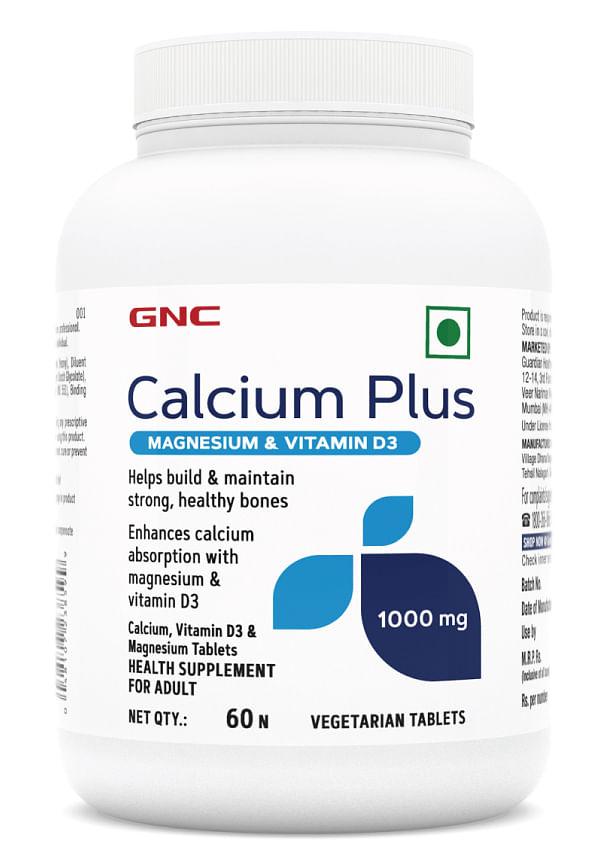
Calcium Plus 1000 mg with Magnesium and Vitamin D3 - Promotes Healthy & Strong Bones
Timing matters when it comes to calcium absorption. Split your intake throughout the day rather than taking it all at once. Take calcium supplements with meals to improve absorption, but avoid taking them with iron supplements or high-fibre foods, which can interfere with uptake.
Certain foods enhance calcium absorption—vitamin C-rich foods like citrus fruits, strawberries, and bell peppers can help. On the flip side, excessive caffeine, alcohol, and sodium can increase calcium excretion, so moderation is key.
While calcium gets all the attention, building strong bones requires a holistic approach that includes exercise, lifestyle choices, and other essential nutrients.
Weight-bearing exercises like walking, jogging, dancing, and resistance training literally force your bones to work against gravity, stimulating bone formation. Aim for at least 30 minutes of weight-bearing activity most days of the week, plus resistance training twice weekly.
Smoking is particularly devastating for bone health—it reduces estrogen levels, decreases calcium absorption, and impairs blood flow to bones. Excessive alcohol consumption (more than one drink daily for women) also interferes with bone formation and increases fracture risk.
Vitamin K2 helps direct calcium to your bones rather than your arteries, making it a crucial partner in bone health. You'll find K2 in fermented foods like natto, cheese, and sauerkraut. Magnesium supports bone structure and helps convert vitamin D to its active form—aim for 310-320mg daily from sources like nuts, seeds, and whole grains.
Protein also plays a vital role in bone health, providing the framework for bone matrix. Women should aim for about 1.2 grams of protein per kilogram of body weight, especially as they age and muscle mass naturally declines.
Let's clear up some widespread misconceptions about calcium that might be affecting your bone health decisions.
The biggest myth is that more calcium always equals stronger bones. Once you hit your daily requirement, additional calcium doesn't provide extra benefits and may even cause problems. Taking massive doses can interfere with the absorption of other minerals like iron, zinc, and magnesium.
Another common misconception is that plant-based calcium isn't as effective as dairy calcium. Research shows that calcium from fortified plant milks and leafy greens can be just as bioavailable as dairy sources, sometimes even more so.
The upper safe limit for calcium is 2,000mg daily for adults. Exceeding this amount regularly can lead to kidney stones, constipation, and interference with other mineral absorption. Some studies have also suggested that very high calcium intake might increase cardiovascular risk, though this remains controversial.
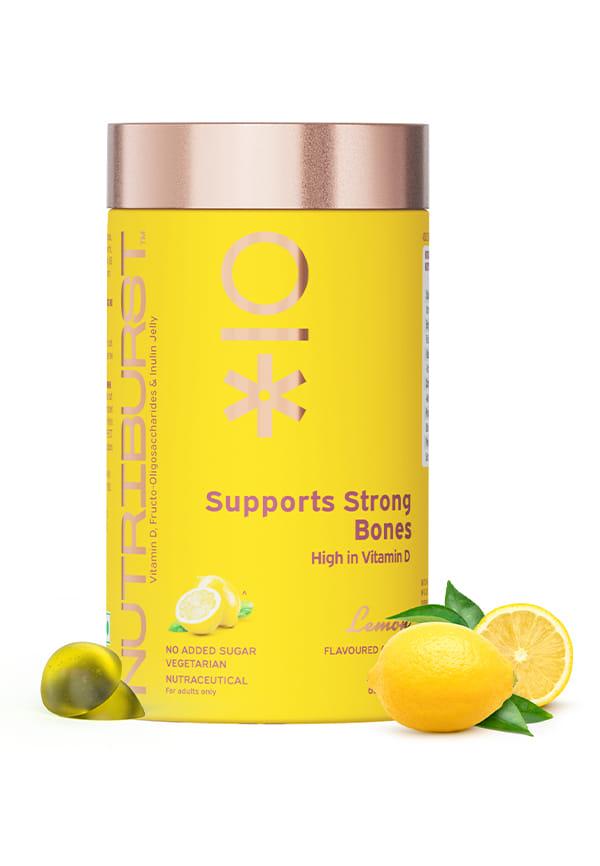
Support Muscle and Bones
Calcium supplements can interact with certain medications, including antibiotics, blood pressure medications, and osteoporosis drugs. Always space calcium supplements at least two hours apart from these medications, and discuss any concerns with your healthcare provider.
Daily calcium needs vary by age: 1,300mg for teens (9-18 years), 1,000mg for adult women (19-50 years), and 1,200mg for women over 51 or post-menopausal. Pregnant and breastfeeding women need 1,000-1,300mg depending on their age. These requirements account for the unique challenges women face with bone health throughout their lives.
Natural bone strengthening involves a multi-pronged approach: consume adequate calcium and vitamin D, engage in regular weight-bearing exercise like walking or resistance training, maintain a balanced diet rich in bone-supporting nutrients, limit alcohol and avoid smoking, and ensure adequate protein intake. Consistency with these habits over time provides the best results for long-term bone health.
Excellent non-dairy calcium sources include fortified plant-based milks (often containing more calcium than cow's milk), canned fish with soft bones like sardines and salmon, leafy greens such as kale and bok choy, sesame seeds and tahini, almonds, and fortified orange juice. Many of these sources also provide additional bone-supporting nutrients like vitamin K and magnesium.
While supplements can help meet your calcium needs, food sources are generally preferred because they provide additional nutrients that support bone health. If you do use supplements, choose reputable brands available on Smytten where you can trial different options to find what works best for your body. Remember that your body can only absorb about 500-600mg of calcium at once, so split larger doses throughout the day.
Calcium carbonate should be taken with meals for optimal absorption, while calcium citrate can be taken anytime. Avoid taking calcium with iron supplements, high-fibre foods, or caffeine, as these can interfere with absorption. Many people find taking calcium in the evening helpful, as it may also support better sleep quality.
Bone remodelling is a slow process—it typically takes 6-12 months of consistent calcium intake, vitamin D supplementation, and weight-bearing exercise to see measurable improvements in bone density tests. However, the bone-building process begins immediately when you start providing your body with the right nutrients and stimulus through exercise.
Calcium for bone health isn't just about drinking more milk—it's about understanding your unique needs throughout different life stages and creating a comprehensive approach to bone health. Women face particular challenges due to hormonal changes, especially during menopause, making adequate calcium intake even more crucial.
Focus on getting calcium from a variety of sources, including dairy, fortified plant-based alternatives, leafy greens, and fish with bones. Pair your calcium intake with adequate vitamin D, regular weight-bearing exercise, and other bone-supporting nutrients like vitamin K2 and magnesium. Remember that supplements can help fill gaps, but they work best as part of a balanced approach that includes proper nutrition and healthy lifestyle choices.
Building and maintaining strong bones is a lifelong journey that requires the right combination of nutrients, exercise, and lifestyle choices. When it comes to exploring calcium supplements and bone health products, Smytten offers an excellent way to try before you buy with their curated trial packs from trusted wellness brands. With over 1,500 brands available and 100% cashback on trial purchases, you can discover the bone health solutions that work best for your body without the commitment of full-size purchases. From calcium supplements to vitamin D combinations, Smytten's India's largest minis collection lets you explore authentic, brand-verified products delivered across 27,000+ pincodes. After all, when it comes to your bone health, why settle for 'maybe' when you can #TryItAll!
