Gentle Yoga Poses for Stress FAQ: Your Questions Answered
-b5f7c242-b017-4e2c-861a-77f5cce57df6.webp&w=3840&q=75)

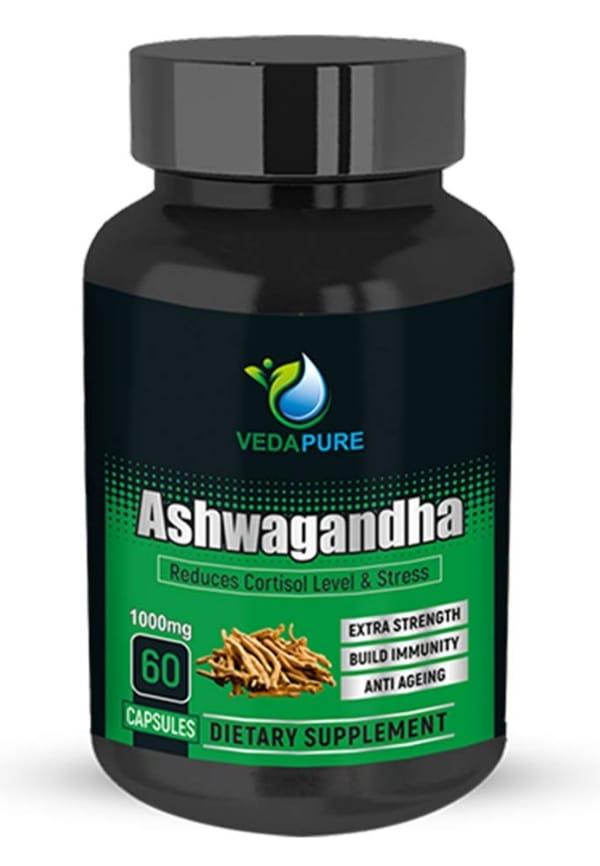
Ashwagandha Anxiety & Stress Relief
Feeling like stress has become your unwelcome roommate? You're definitely not alone. Between work deadlines, endless notifications, and life's general chaos, finding moments of calm can feel impossible. That's where gentle yoga poses for stress come in—think of them as your personal reset button that doesn't require a gym membership or fancy equipment. Unlike those intense workout sessions that leave you more exhausted, gentle yoga works with your body's natural stress response to actually help you unwind. Whether you're dealing with everyday tension or those overwhelming moments when everything feels too much, these mindful movements can be your go-to toolkit for finding peace. Plus, with platforms like Smytten offering wellness products that complement your self-care routine, creating a holistic approach to stress management has never been easier.
Gentle yoga poses activate your body's relaxation response, helping reduce cortisol levels and ease anxiety naturally
Simple poses like Child's Pose, Cat-Cow, and Legs-Up-the-Wall can provide immediate stress relief in just 5-10 minutes
Restorative yoga poses with props offer deeper relaxation for chronic stress and anxiety management
Breathing exercises combined with gentle movement create powerful stress-busting sequences you can do anywhere
Consistent practice, even just 5 minutes daily, shows measurable improvements in stress levels within 2-3 weeks
Let's be real—when someone mentions yoga, you might picture people twisted into pretzel-like positions or holding impossible balances. But gentle yoga poses for stress are completely different. These are slow, accessible movements that focus more on calming your nervous system than showing off flexibility. Think of them as stress-reducing yoga that works with your body, not against it.
The magic happens in your nervous system. When you're stressed, your sympathetic nervous system (your fight-or-flight response) goes into overdrive. Gentle yoga poses activate the parasympathetic nervous system—your rest-and-digest mode—which naturally lowers cortisol levels and helps your body remember how to chill. Research shows that even 10 minutes of mindful movement for stress can reduce anxiety symptoms and improve your overall mental well-being.
Honestly, pretty much everyone. Whether you're a complete beginner who's never touched a yoga mat or someone dealing with chronic stress, these poses meet you where you are. They're especially helpful for people with anxiety, those recovering from burnout, or anyone who finds traditional exercise too intense when they're already feeling overwhelmed.
Ready to dive into some actual poses? These beginner-friendly options are your stress-busting starter pack. Each one targets different aspects of tension—physical, mental, and emotional—so you can pick what feels right for your current mood.
This is your safe space pose. Kneel on the floor, touch your big toes together, and sit back on your heels. Open your knees hip-width apart and fold forward, extending your arms in front of you or alongside your body. Rest your forehead on the mat and breathe deeply for 1-3 minutes. This pose naturally calms your nervous system and helps you feel grounded.
Start on your hands and knees in a tabletop position. As you inhale, arch your back and look up (Cow). As you exhale, round your spine and tuck your chin to chest (Cat). Move slowly with your breath for 5-10 rounds. This gentle spinal movement releases tension and connects you with your breath rhythm.
Lie on your back near a wall and extend your legs up against it. Your body should form an L-shape. Rest your arms by your sides and close your eyes. Stay here for 5-15 minutes. This pose improves circulation and signals to your nervous system that it's time to relax.
Lie flat on your back with your legs slightly apart and arms relaxed by your sides, palms facing up. Close your eyes and focus on releasing tension from each part of your body, starting from your toes and working up to your head. This complete relaxation pose helps integrate the benefits of your practice.
When regular gentle poses aren't quite enough, restorative yoga poses take relaxation to the next level. These poses use props like bolsters, blankets, and blocks to support your body completely, allowing you to surrender into deep rest without any effort.
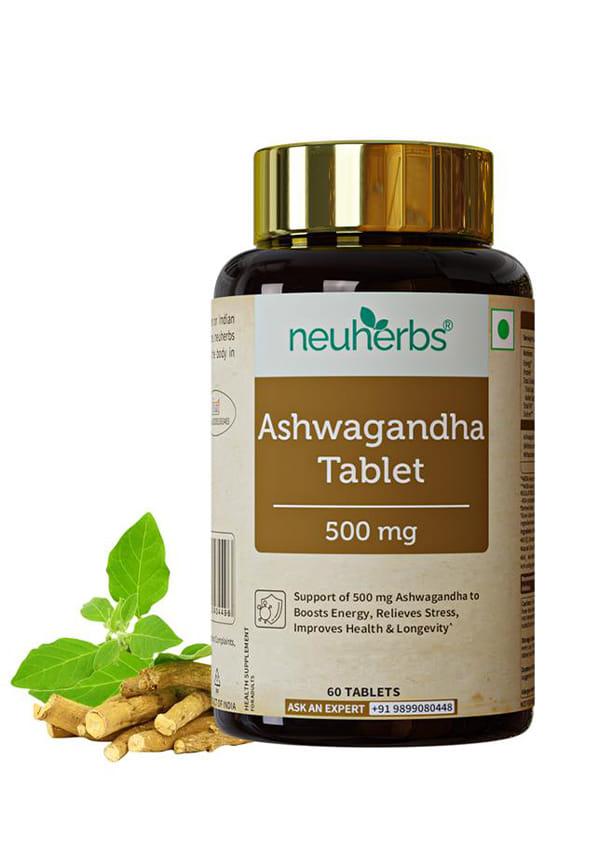
Ashwagandha Tablets,Reduce Stress & Support Sleep Cycle
The beauty of restorative yoga lies in its passive nature. You're not trying to stretch or strengthen—you're simply allowing your body to be held and supported while your nervous system downregulates. This makes it perfect for yoga for anxiety relief when you're feeling particularly overwhelmed.
Place a bolster or pillow lengthwise between your knees as you come into Child's Pose. Rest your torso on the support and turn your head to one side. Cover yourself with a blanket if you like. This supported version allows you to stay in the pose for 5-10 minutes without any discomfort.
Lie on your back with the soles of your feet together and knees falling open to the sides. Place blocks or pillows under your knees for support. Rest your arms comfortably by your sides. This heart-opening pose helps release emotional tension while promoting feelings of openness and calm.
Sit sideways next to a bolster or stack of pillows. Slowly twist your torso towards the support and rest your chest and head on it. Stay for 3-5 minutes, then repeat on the other side. Gentle twists help release tension in your spine and can aid digestion, which often gets disrupted by stress.
Having individual poses in your toolkit is great, but stringing them together into calming yoga sequences creates an even more powerful stress-relief experience. These routines are designed to fit into your real life—because who has time for hour-long sessions every day?
The key is consistency over duration. A 5-minute daily practice will serve you better than a 60-minute session once a week. These sequences can be your go-to for different situations and energy levels throughout your day.
Start in Child's Pose for 1 minute, move into Cat-Cow for 2 minutes, then finish with a gentle seated twist (1 minute each side). This quick sequence helps you start your day feeling centred rather than frazzled.
Begin with gentle neck rolls, flow through Cat-Cow, hold Child's Pose, practice Legs-Up-the-Wall, and end with a brief Savasana. This longer sequence is perfect for lunch breaks or when you need to reset your energy midday.
Include all the restorative poses mentioned earlier, holding each for 3-5 minutes. This sequence prepares your body and mind for sleep by activating your relaxation response.
Here's where the real magic happens—combining breathing exercises for stress with your gentle movements amplifies the calming effects exponentially. Your breath is like a remote control for your nervous system, and learning to use it intentionally can transform your stress response.
The beautiful thing about breathwork is that you can do it anywhere. Stuck in traffic? Use your breath. Feeling anxious before a meeting? Your breath's got you. These techniques work whether you're on your yoga mat or sitting at your desk.
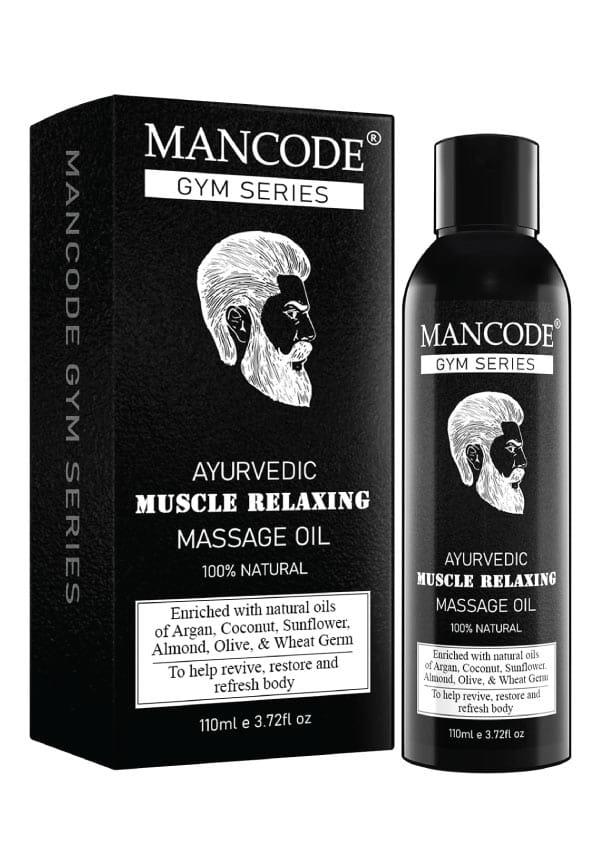
Gym Series- Ayurvedic Muscle Relaxing Massage Oil
Place one hand on your chest and one on your belly. Breathe into your belly first, then your ribs, then your chest. Exhale in reverse order. This technique helps you access deeper, more calming breaths and can be done in any comfortable position.
Inhale for 4 counts, hold for 7, exhale for 8. This pattern naturally slows your heart rate and activates your relaxation response. It's particularly effective for immediate anxiety relief or when you're having trouble falling asleep.
Using your right thumb, close your right nostril and inhale through your left. Close your left nostril with your ring finger, release your thumb, and exhale through your right. Continue alternating for 5-10 rounds. This technique helps balance your nervous system and improve focus.
Not all stress is created equal, and different situations might call for slightly different approaches. Whether you're dealing with work burnout, relationship stress, or more serious anxiety conditions, gentle yoga can be adapted to meet your specific needs.
The key is listening to your body and choosing poses that feel supportive rather than challenging. Remember, this isn't about pushing through discomfort—it's about finding ease and relief.
Focus on grounding poses like Child's Pose and Legs-Up-the-Wall. These positions help you feel safe and supported while calming an overactive nervous system. Consistent daily practice, even just 5-10 minutes, can help regulate your baseline anxiety levels over time.
Incorporate desk-friendly movements like seated spinal twists, shoulder rolls, and deep breathing. These can be done in work clothes and help counteract the physical effects of sitting at a computer all day.
Evening restorative sequences combined with longer exhales can help prepare your body for rest. Avoid energising poses close to bedtime and focus on gentle, supported positions that encourage your nervous system to wind down.
Building a sustainable yoga for relaxation practice isn't about perfection—it's about consistency and finding what works for your lifestyle. Start small and build gradually rather than trying to overhaul your entire routine overnight.
Consider your stress patterns. Are you most tense in the morning? Do you need an afternoon reset? Does evening anxiety keep you awake? Design your practice around these patterns for maximum benefit.
Choose a specific time each day for your practice, even if it's just 5 minutes. Link it to an existing habit—maybe gentle stretching for calm right after your morning coffee or before brushing your teeth at night. This makes it easier to stick with long-term.
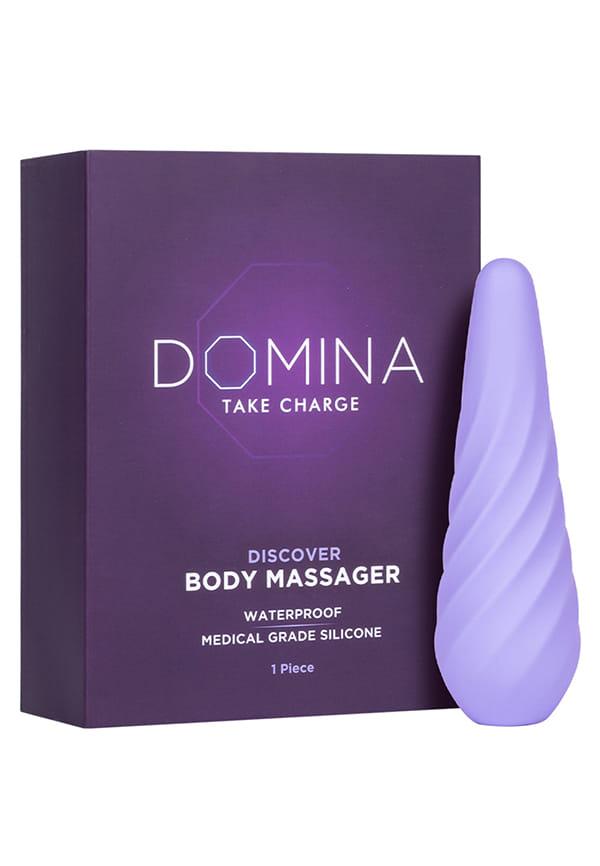
Domina Discover Personal Massager for Women with 5 Vibration Pattern Setting
Keep a simple journal noting your stress levels before and after practice. You might be surprised how quickly you notice improvements in your overall mental well-being. Even small shifts in how you handle daily stressors can make a significant difference in your quality of life.
Daily practice is ideal, but even 3-4 times per week can provide significant benefits. The key is consistency rather than duration—5 minutes daily beats an hour once a week. Start with what feels manageable and gradually increase as the habit becomes established.
Absolutely. Many people find relief from tension headaches, tight shoulders, digestive issues, and sleep problems through regular practice. The poses help release physical tension while the breathing exercises calm your nervous system, addressing both the mental and physical aspects of stress.
Gentle yoga combines physical movement with mindful breathing, making it easier for some people to focus than sitting meditation. The movement helps release physical tension while the mindful aspect provides mental calm. Many find that yoga prepares them for deeper meditation practice.
Avoid intense backbends, inversions (other than Legs-Up-the-Wall), or any poses that feel challenging when you're highly stressed. Stick to supported, grounding positions that feel safe and calming. If a pose increases your anxiety, come out of it immediately.
Many people notice immediate relief during and right after practice. For longer-term benefits like improved stress resilience and better sleep, expect to see changes within 2-3 weeks of consistent practice. Some research suggests measurable improvements in anxiety levels after just 8 weeks of regular yoga practice.
Definitely! These poses are specifically designed to be accessible for beginners. Start with the basic positions, focus on your breath, and don't worry about doing anything perfectly. The stress-relief benefits come from the relaxation response, not from achieving perfect alignment.
You can start with just a comfortable surface—even a carpeted floor works. A yoga mat provides extra cushioning, and props like pillows, blankets, and blocks can make restorative poses more comfortable. Many poses can be adapted using household items like cushions and towels. Available wellness accessories on Smytten can help enhance your practice with quality props at trial-friendly prices.
Gentle yoga poses for stress offer a practical, accessible way to manage daily tension and anxiety without requiring advanced flexibility or fitness levels. The combination of mindful movement, conscious breathing, and supported relaxation positions creates a powerful toolkit for stress relief that you can use anywhere, anytime. Whether you choose a quick 5-minute morning sequence or a longer evening wind-down routine, consistency matters more than perfection.
Remember that building a sustainable practice takes time, so start small and be patient with yourself. The poses work by activating your body's natural relaxation response, and with regular practice, you'll likely notice improvements not just in how you handle stress, but in your overall sense of well-being and resilience.
Creating a holistic approach to stress management often involves combining multiple wellness practices, and gentle yoga can be beautifully complemented by other self-care rituals. Smytten is India's largest product discovery and trial platform, connecting consumers with top lifestyle, beauty, wellness, and grooming brands that support your overall well-being journey. From aromatherapy products that enhance your relaxation practice to wellness supplements that support stress management, you can explore and trial products from over 1,500 trusted brands before committing to full-size purchases. With trial packs available for just ₹249 and 100% cashback on trials, discovering what works best for your stress-relief routine has never been more accessible. After all, why settle for 'maybe' when you can #TryItAll and find the perfect combination of practices and products that help you manage stress effectively.
