Gentle Yoga for Relaxation FAQ: Your Questions Answered

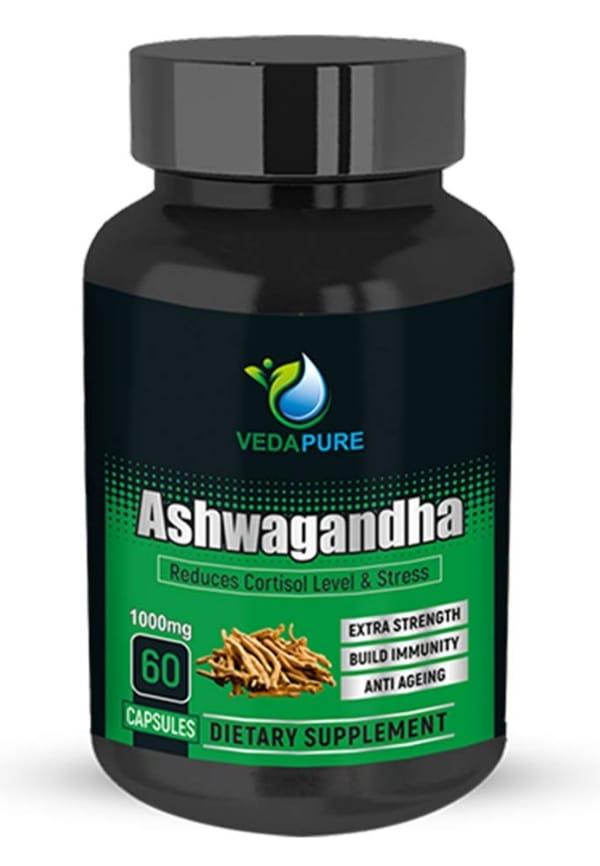
Ashwagandha Anxiety & Stress Relief
Feeling overwhelmed by life's constant demands? You're not alone. In our fast-paced world, finding moments of peace can feel impossible. That's where gentle yoga for relaxation comes in—a practice that's less about perfecting poses and more about finding your calm. Unlike high-intensity workouts, gentle yoga focuses on slow, mindful movements that help your nervous system shift from stress mode to rest mode. Whether you're dealing with work pressure, sleepless nights, or general anxiety, this practice offers a gentle path to inner peace. On Smytten, you'll find wellness products that complement your relaxation journey, from aromatherapy essentials to mindfulness tools that enhance your practice. Let's dive into everything you need to know about starting your gentle yoga journey.
Gentle yoga for relaxation uses slow, mindful movements to activate your body's natural relaxation response
Key styles include restorative yoga, yin yoga, and slow flow sequences that focus on stress relief
Breathing exercises like 4-7-8 technique and box breathing amplify relaxation benefits
Regular practice can significantly improve sleep quality and reduce anxiety symptoms
You can start at home with minimal equipment—just a mat and some basic props
Gentle yoga for relaxation is a mindful movement practice designed to calm your nervous system rather than challenge your physical limits. Think of it as yoga's answer to a warm hug—comforting, supportive, and exactly what you need after a long day. This approach emphasises slow transitions, longer holds, and deep breathing to help your body release tension naturally.
Unlike power yoga or hot yoga that get your heart pumping, gentle yoga works with your parasympathetic nervous system—the part responsible for rest and digestion. The practice typically includes supported poses, gentle stretches, and meditation elements that encourage your mind to slow down. It's perfect for anyone, regardless of age or fitness level, making it incredibly accessible for beginners or those recovering from injury.
Mindful movement in gentle yoga means paying attention to how your body feels in each moment. You're not rushing through poses or pushing through discomfort. Instead, you're listening to your body's signals and moving with intention. This awareness helps break the cycle of stress and creates space for genuine relaxation.
Honestly, everyone can benefit from this practice. Whether you're a stressed student, busy parent, or someone dealing with chronic pain, gentle yoga meets you where you are. It's particularly helpful for people who find traditional exercise too intense or those looking for stress management techniques that don't require a gym membership.
When it comes to yoga for stress relief, not all styles are created equal. The most effective approaches focus on calming your nervous system rather than building strength or flexibility. Let's explore the top gentle yoga styles that actually work for relaxation.
Restorative yoga tops the list for pure relaxation. This practice uses props like bolsters, blankets, and blocks to support your body in passive poses held for 5-20 minutes. Your muscles can completely relax whilst gravity does the work, allowing deep tension release.
In restorative yoga, you're basically giving your body permission to completely let go. Poses are designed to be effortless, with props supporting you so thoroughly that you can focus entirely on breathing and releasing stress. It's like meditation with gentle movement.
Child's Pose (Balasana) is your go-to stress reliever. Kneel on your mat, touch your big toes together, and sit back on your heels. Fold forward, extending your arms or resting them by your sides. This pose naturally calms your nervous system and provides a sense of safety.
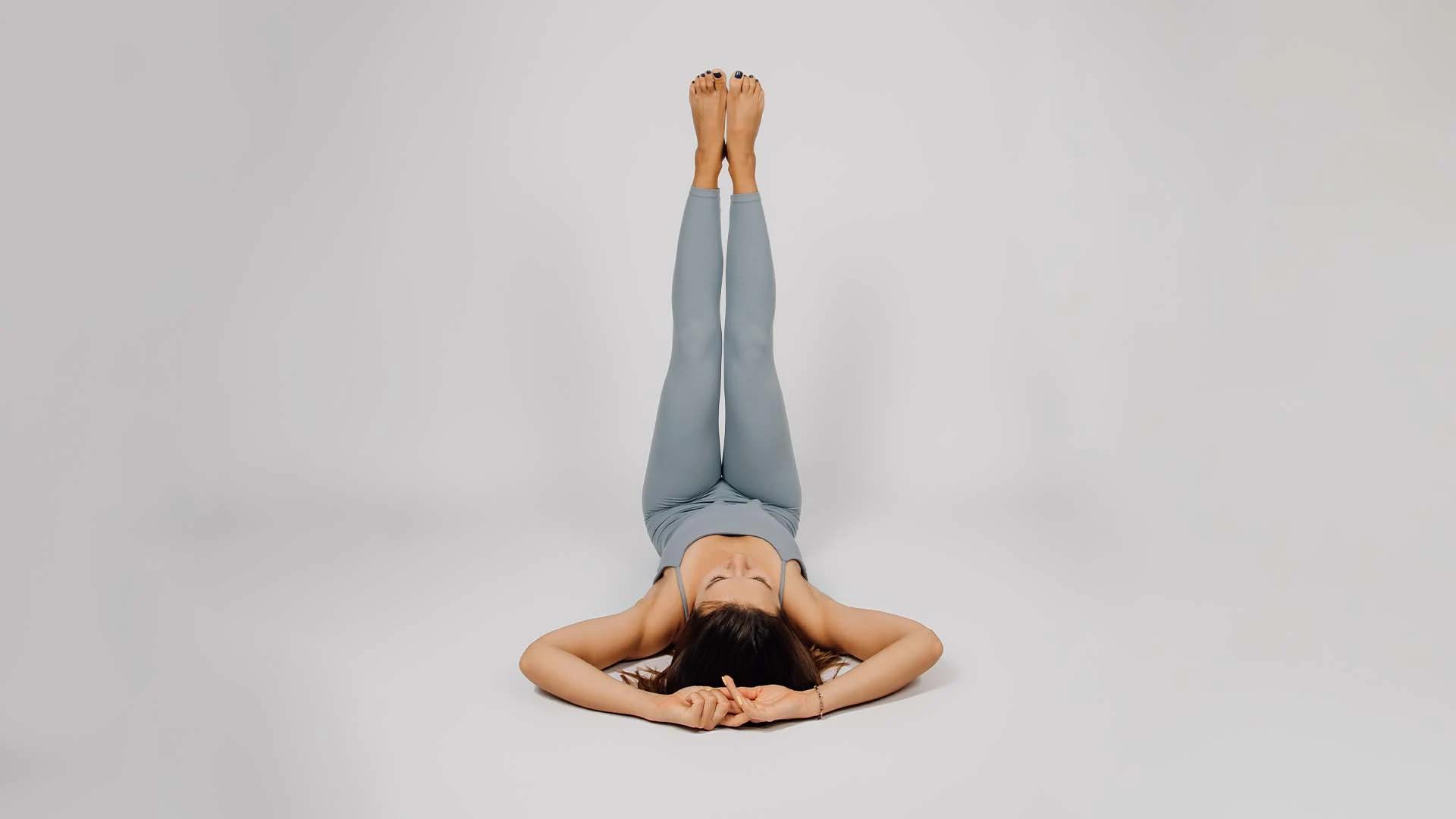
Legs-Up-the-Wall (Viparita Karani) is perfect for evening relaxation. Lie on your back near a wall and extend your legs up against it. This gentle inversion helps reduce swelling, calms anxiety, and prepares your body for sleep.
Seated Forward Bend (Paschimottanasana) encourages introspection and calm. Sit with legs extended, then gently fold forward over your legs. Don't worry about touching your toes—focus on the gentle stretch and inward focus this pose creates.
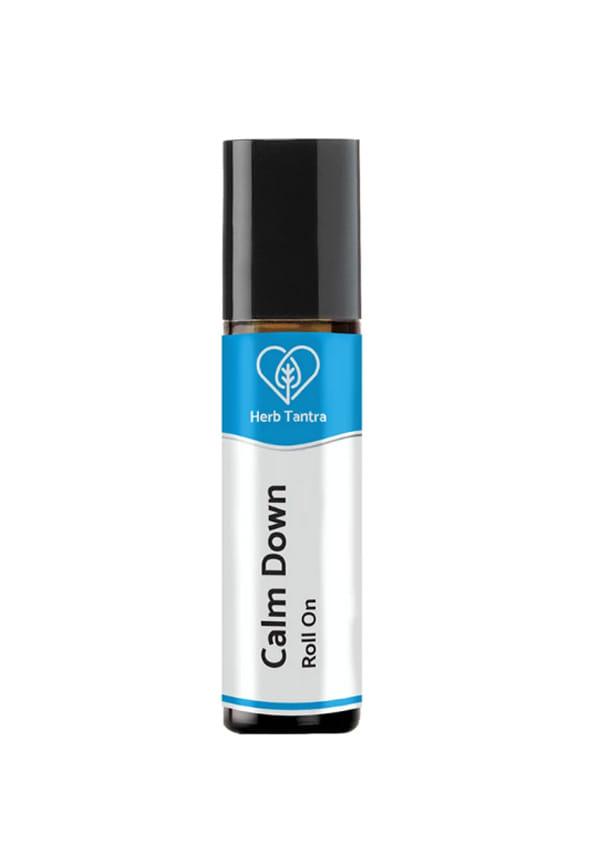
Calm Down Anxiety Relief Roll-On
Slow flow yoga combines gentle movement with mindful transitions. Unlike traditional vinyasa, you move slowly between poses, holding each for several breaths. This style helps release physical tension whilst keeping your mind engaged in the present moment.
The science behind yoga for anxiety is pretty fascinating. Regular practice actually changes your brain's stress response, reducing cortisol levels and activating your vagus nerve—the key player in your relaxation response. When you practice gentle yoga consistently, you're literally rewiring your nervous system to handle stress better.
For sleep issues, yoga works by addressing both physical tension and mental chatter that keep you awake. The combination of gentle movement and focused breathing helps transition your body from the alertness of daytime to the calm needed for rest. Studies show that people who practice yoga for sleep report better sleep quality and fall asleep faster.
When anxiety strikes, certain poses can provide immediate relief. Forward folds like Standing Forward Bend help calm your nervous system by encouraging introspection. Supported Bridge Pose opens your chest and counteracts the hunched posture that often accompanies stress.
Your evening yoga routine should signal to your body that it's time to wind down. Start with gentle twists to release tension from your spine, move into forward folds to calm your mind, and finish with legs-up-the-wall or corpse pose. Keep the lights dim and avoid stimulating poses like backbends.
Yoga offers multiple stress management techniques beyond just poses. The practice teaches you to observe your thoughts without judgement, breathe through difficult moments, and find calm in chaos. These skills transfer directly to daily life, helping you handle stress more effectively.
Breathing exercises for relaxation are the secret sauce of gentle yoga. Your breath is the bridge between your conscious and unconscious mind, and learning to control it gives you direct access to your relaxation response. The beauty of breathwork is that you can use it anywhere—no mat required.
When you combine meditation and yoga through focused breathing, the relaxation benefits multiply. Your breath becomes an anchor that keeps you present and calm, even when your mind wants to wander to tomorrow's to-do list or yesterday's worries.
This technique is like a natural sedative for your nervous system. Inhale for 4 counts, hold for 7, then exhale for 8. The extended exhale activates your parasympathetic nervous system, immediately promoting relaxation. Try this before bed or whenever you feel overwhelmed.
Box breathing creates a steady rhythm that calms your mind. Inhale for 4 counts, hold for 4, exhale for 4, hold empty for 4. This equal timing helps balance your nervous system and is particularly effective during stressful moments.
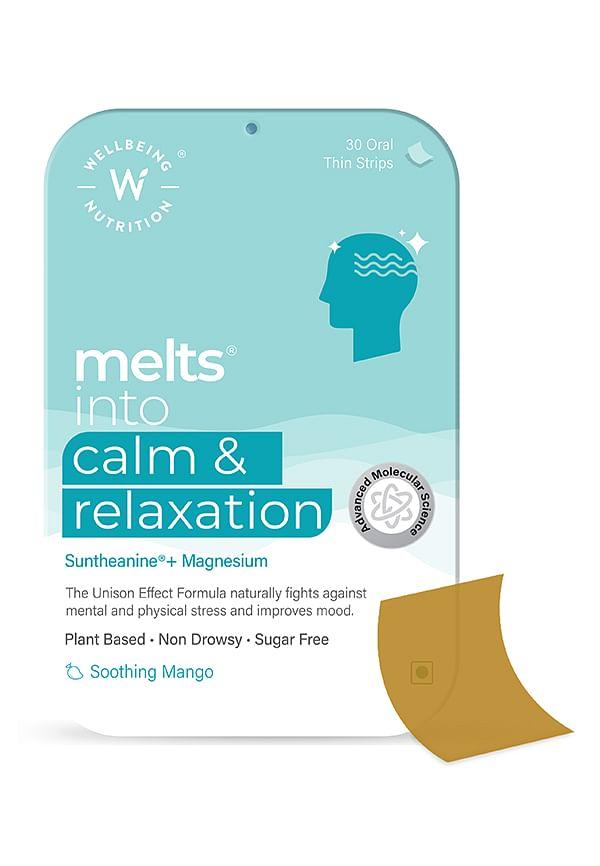
Melts Calm & Relaxation Plant Based Stress & Anxiety Reliever
This traditional pranayama technique balances the left and right sides of your brain, promoting mental clarity and calm. Use your thumb to close your right nostril, inhale through the left, then switch and exhale through the right. Continue alternating for several rounds.
Starting your home practice doesn't require a fancy studio setup or expensive equipment. All you really need is a quiet space where you won't be interrupted and a yoga mat. The key is creating a consistent routine that feels sustainable rather than overwhelming.
Your relaxation space should feel calm and inviting. Dim the lights, maybe light a candle or use essential oils, and put your phone on silent. This signals to your brain that it's time to shift into relaxation mode.
A few basic props can transform your practice. Bolsters support restorative poses, blocks help you reach the floor comfortably, and blankets provide warmth and security. You don't need to buy everything at once—start with what you have at home and gradually add props as needed.
Start with 5 minutes of deep breathing, move through gentle cat-cow stretches, hold child's pose for 3 minutes, try a supported twist on each side, and finish with legs-up-the-wall. This simple sequence hits all the relaxation basics without overwhelming beginners.
Consistency matters more than duration. It's better to practice for 10 minutes daily than an hour once a week. Set realistic expectations and celebrate small wins. Some days you might only have time for three deep breaths—and that counts too.
One of the beautiful things about gentle yoga is its adaptability. Whether you're dealing with physical limitations, pregnancy, or chronic conditions, modifications ensure everyone can access the benefits of relaxation through movement.
The key principle is never forcing anything. If a pose doesn't feel right, modify it or skip it entirely. Your body knows what it needs, and gentle yoga encourages you to listen to those signals rather than push through discomfort.
Chair yoga brings all the benefits of gentle yoga to those who can't get on the floor. Seated twists, shoulder rolls, and neck stretches can all be done from a chair. This makes yoga accessible for office workers, seniors, or anyone with mobility challenges.
Pregnant practitioners should avoid deep twists, backbends, and poses lying on the belly. Focus on gentle hip openers, supported side stretches, and breathing exercises. Always consult your healthcare provider before starting any new exercise routine during pregnancy.
For chronic pain conditions, gentle yoga can provide relief without aggravation. Focus on supported poses, avoid anything that increases pain, and work with props to reduce strain. The goal is gentle movement and stress relief, not pushing through pain.
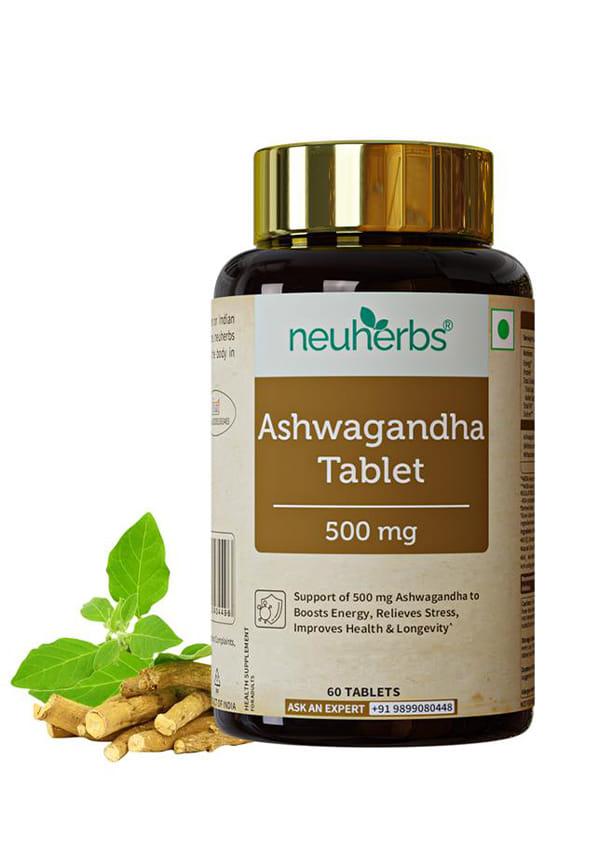
Ashwagandha Tablets,Reduce Stress & Support Sleep Cycle
For osteoporosis, focus on gentle weight-bearing poses like modified warrior poses and standing balances. Avoid deep forward folds and twists that could stress the spine. Chair yoga and wall-supported poses are excellent options that provide benefits without risk.
With scoliosis, avoid asymmetrical poses that could worsen spinal curves. Skip deep backbends and intense twists. Instead, focus on gentle lengthening poses and breathing exercises. Always work with a qualified instructor familiar with scoliosis modifications.
Gentle yoga supports lymphatic drainage through mild inversions and twisting movements. Poses like legs-up-the-wall and gentle twists can help lymphatic fluid move more efficiently. The key is gentle movement rather than intense stretching.
For stress relief benefits, aim for 15-20 minutes daily or 30-45 minutes three times per week. Consistency matters more than duration. Even 5 minutes of gentle movement and breathing can provide relaxation benefits when done regularly.
Absolutely! Gentle yoga isn't about flexibility—it's about relaxation and stress relief. Use props, modify poses, and focus on how you feel rather than how you look. Flexibility often improves naturally as you relax and release tension.
Gentle yoga includes light movement and active stretching, whilst restorative yoga uses props for completely passive poses. Both promote relaxation, but restorative yoga is more about stillness and gentle yoga includes mindful movement. You can explore wellness products that support both practices on Smytten.
Yes, gentle yoga can significantly improve sleep quality. Evening practices help transition your nervous system from active to rest mode. Focus on forward folds, gentle twists, and breathing exercises about an hour before bedtime for best results.
Gentle yoga for relaxation offers a practical, accessible way to manage stress and improve your overall well-being. The practice works by activating your body's natural relaxation response through mindful movement, deep breathing, and supported poses. Whether you're dealing with anxiety, sleep issues, or general life stress, this approach provides tools you can use anywhere, anytime.
Remember that consistency trumps perfection. A few minutes of gentle movement and conscious breathing daily will serve you better than sporadic intense sessions. Start small, listen to your body, and gradually build a practice that feels sustainable and enjoyable. The goal isn't to achieve perfect poses—it's to find moments of peace in your busy life.
Your wellness journey is unique, and finding the right tools to support relaxation and stress management can take time. Smytten understands this journey and offers curated trial packs from over 1,500 trusted wellness brands, letting you explore aromatherapy products, meditation aids, and relaxation essentials before committing to full-size purchases. With 100% cashback on trials and authentic brand-verified minis available across India, you can discover what truly supports your gentle yoga practice and overall well-being. After all, why settle for 'maybe' when you can try before you buy and find exactly what helps you unwind? Your perfect relaxation routine is just a trial away.
