Gentle Yoga for Anxiety Relief FAQ: Your Questions Answered

Ashwagandha Anxiety & Stress Relief
Feeling overwhelmed by anxiety and wondering if gentle yoga might be your answer? You're not alone in this search for natural anxiety relief. Gentle yoga for anxiety relief has become increasingly popular as more people discover how mindful movement and breathing can calm racing thoughts and ease tension. Unlike intense workout routines, this approach focuses on slow, accessible movements that work with your nervous system rather than against it. Whether you're dealing with daily stress or more persistent anxiety, gentle yoga offers practical tools you can use anywhere, anytime. At Smytten, we understand the importance of finding wellness solutions that truly work for you, which is why we've gathered the most common questions about gentle yoga for anxiety relief to help you start your journey with confidence.
TL;DR
Gentle yoga activates your parasympathetic nervous system, naturally reducing anxiety and stress hormones like cortisol
Key anxiety-calming yoga poses include Child's Pose, Legs-Up-the-Wall, and gentle forward folds that promote grounding
Breathing exercises like 4-7-8 breathing and diaphragmatic breathing enhance yoga's anxiety-relieving benefits
Yoga nidra and meditation practices complement gentle movement for comprehensive anxiety management
Starting with just 10-15 minutes daily can create meaningful improvements in anxiety symptoms
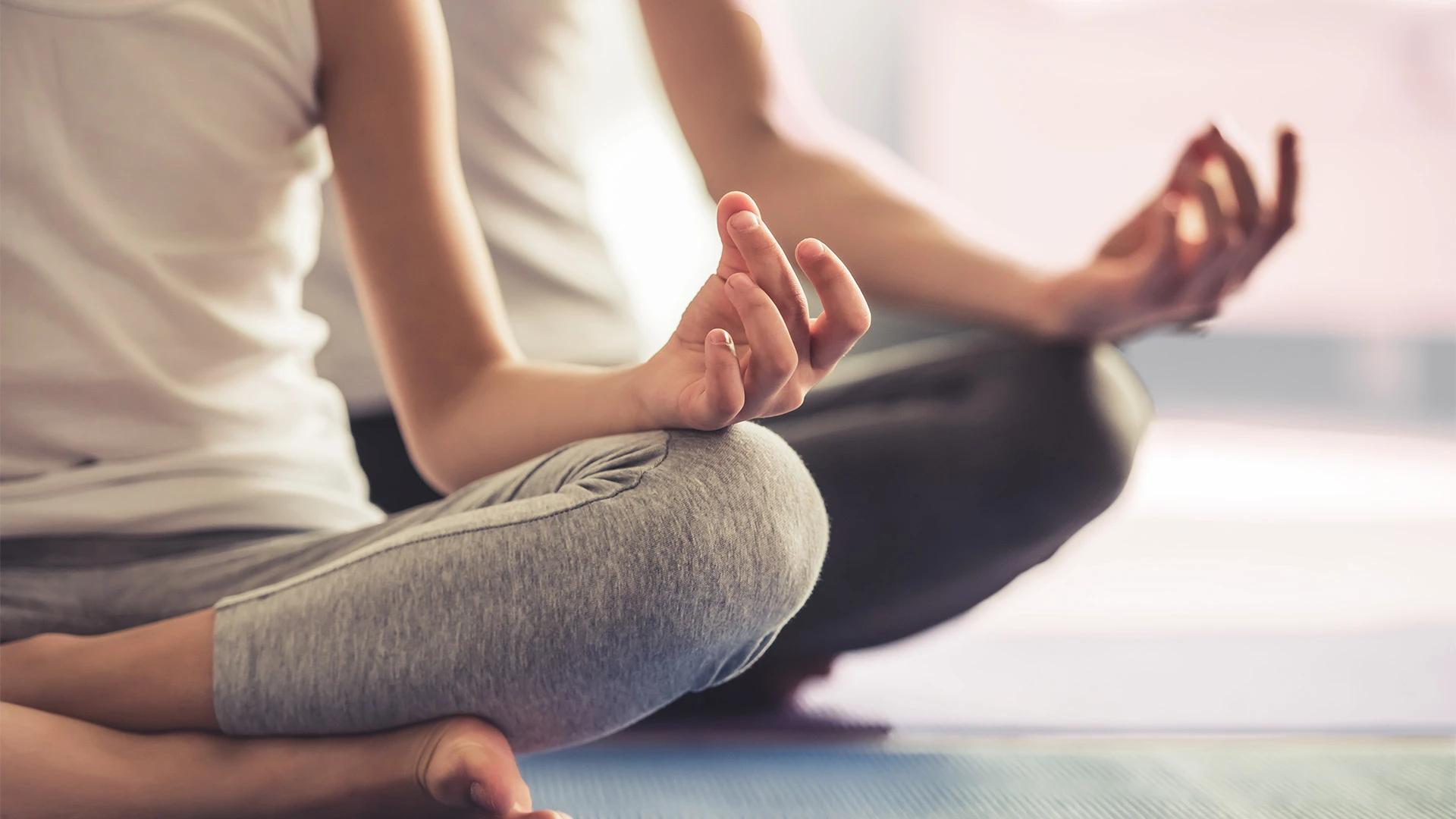
Gentle yoga for anxiety relief combines slow, mindful movements with focused breathing to help regulate your nervous system. Unlike vigorous yoga styles that might feel overwhelming when you're anxious, this approach emphasises comfort, accessibility, and inner awareness. The practice works by activating your parasympathetic nervous system—your body's natural "rest and digest" response that counteracts the fight-or-flight mode anxiety often triggers.
Research shows that yoga for nervous system regulation works on multiple levels. When you practice gentle movements combined with deep breathing, your body produces less cortisol (the stress hormone) and more GABA, a neurotransmitter that promotes calm. Studies have found that regular yoga practice can reduce anxiety symptoms by up to 50% in some individuals. The key lies in how gentle stretching for mental health activates your vagus nerve, which sends signals to your brain that it's safe to relax.
Gentle yoga differs from other styles because it prioritises your emotional comfort over physical achievement. Poses are held longer with props for support, movements are slower and more deliberate, and there's no pressure to push through discomfort. This approach recognises that when you're anxious, your body needs nurturing rather than challenge. Every pose can be modified, and you're encouraged to listen to your body's signals rather than ignore them.
Not all yoga styles work equally well for anxiety management. The most effective approaches focus on restoration, gentle movement, and breath awareness rather than strength or flexibility goals. Understanding which styles and specific anxiety calming yoga poses work best can help you create a practice that truly supports your mental wellbeing.
Restorative yoga for stress tops the list for anxiety relief. This practice uses props like bolsters, blankets, and blocks to support your body in passive poses held for 5-20 minutes. Your nervous system gets the message that it's safe to let go completely. Yin yoga offers similar benefits with longer-held poses that target deep connective tissues whilst promoting mental stillness. Gentle Hatha yoga provides a perfect middle ground with slow-paced poses that build strength and flexibility without overwhelming your system.
These poses specifically target anxiety symptoms through their calming effects on your nervous system:
Calm Down Anxiety Relief Roll-On
Child's Pose (Balasana) - Creates a sense of safety and introspection whilst gently stretching your back
Legs-Up-the-Wall (Viparita Karani) - Reverses blood flow and activates your rest response within minutes
Cat-Cow Pose - Connects breath with gentle spinal movement, releasing tension
Supported Forward Fold - Promotes introspection and calms your nervous system
Bridge Pose with props - Opens your heart space whilst feeling completely supported
Reclined Butterfly - Releases hip tension where we often store emotional stress
Gentle spinal twists - Aid digestion and release physical tension
Corpse Pose (Savasana) - Allows complete integration of your practice's benefits
Breathing exercises for anxiety form the foundation of effective yoga practice. Your breath directly influences your nervous system—shallow, rapid breathing signals danger to your brain, whilst slow, deep breathing communicates safety. When combined with mindful movement for anxiety, breathwork becomes even more powerful in shifting your mental state.
Start with diaphragmatic breathing, also called belly breathing. Place one hand on your chest, one on your belly, and breathe so only the bottom hand moves. This activates your parasympathetic nervous system immediately. The 4-7-8 technique involves inhaling for 4 counts, holding for 7, and exhaling for 8—perfect for acute anxiety moments. Box breathing uses equal counts (try 4-4-4-4) for focus and control, whilst three-part breath expands your awareness of how breath moves through your entire torso.
The magic happens when you coordinate breath with movement. Try moving into poses on your inhale and deepening or releasing on your exhale. Use your breath as an anchor when anxiety arises during practice—returning attention to your breathing pattern can immediately ground you. Building this breath-movement connection creates a portable anxiety management tool you can use anywhere.
The 3-3-3 rule is a popular grounding technique that involves identifying 3 things you can see, 3 things you can hear, and 3 things you can feel. This anxiety management technique works by bringing your attention to the present moment through your senses, interrupting the cycle of anxious thoughts. Yoga naturally enhances this process through its emphasis on body awareness and mindful attention.
When anxiety strikes, your mind often gets caught in loops of "what if" thinking about future scenarios. The 3-3-3 rule interrupts this pattern by engaging your senses with immediate, concrete information. You might notice the texture of your yoga mat, the sound of your breath, or the feeling of your feet on the ground. This sensory awareness activates your prefrontal cortex—the rational part of your brain—whilst calming your amygdala, which triggers anxiety responses.
Mountain Pose is perfect for practising the 3-3-3 rule as you stand tall and notice your surroundings. Tree Pose requires balance and focus, naturally drawing your attention to physical sensations. Seated meditation postures provide stability for mindful observation, whilst walking meditation combines gentle movement with sensory awareness. These poses create opportunities to practice grounding techniques in a supportive, structured way.
Magnesium Melatonin - Restful Sleep, Reduced Stress, Anxiety
Amazing Product, Great on Skin
 4
4“amazing product.. great on skin..I love it”
Yoga nidra for anxiety offers a unique approach that combines deep relaxation with conscious awareness. Often called "yogic sleep," this practice guides you into a state between waking and sleeping where profound healing can occur. Combined with meditation and yoga for anxiety, these practices address the mental patterns that fuel anxious thoughts.
Yoga nidra involves lying down comfortably whilst following guided instructions that systematically relax your body and mind. Unlike regular sleep, you remain aware throughout the practice, which typically lasts 20-45 minutes. This conscious relaxation state allows your nervous system to reset completely, often providing relief equivalent to several hours of sleep. Research shows that regular yoga nidra practice can significantly reduce anxiety, depression, and PTSD symptoms.
Mindful movement meditation involves bringing meditative awareness to simple yoga poses. Try holding poses whilst focusing on breath, sensations, or a calming phrase. Body scan practices during gentle poses help you notice and release tension you might not realise you're holding. Loving-kindness meditation can be particularly helpful for anxiety sufferers who struggle with self-criticism, offering a way to cultivate self-compassion during your practice.
Beginning a yoga for stress reduction practice doesn't require expensive equipment or perfect flexibility. The most important element is creating a consistent, sustainable routine that feels supportive rather than stressful. Starting small and building gradually ensures your practice becomes a source of comfort rather than another item on your to-do list.
Your practice environment significantly impacts your ability to relax and focus. Choose a quiet space where you won't be interrupted, even if it's just a corner of your bedroom. Essential props include a yoga mat for stability, a bolster or pillows for support, and a blanket for warmth during relaxation. Consider dimming lights or using candles to create a calming atmosphere. The goal is to signal to your nervous system that this is a safe space for letting go.
Start with a simple 10-minute morning sequence: 2 minutes of breathing, 5 minutes of gentle poses like Cat-Cow and Child's Pose, and 3 minutes of relaxation. For evenings, try a 15-minute wind-down with supported poses and longer relaxation. Aim for 3-4 sessions per week initially, focusing on consistency over duration. As your comfort grows, gradually extend your practice time or add new poses. Remember, even 5 minutes of mindful breathing counts as yoga practice.
Gentle yoga can be highly effective for severe anxiety, but it works best as part of a comprehensive treatment approach. Research shows that regular yoga practice can reduce anxiety symptoms by 30-50%, but if you're experiencing severe anxiety, it's important to work with mental health professionals alongside your yoga practice. Yoga complements therapy and medication rather than replacing them.
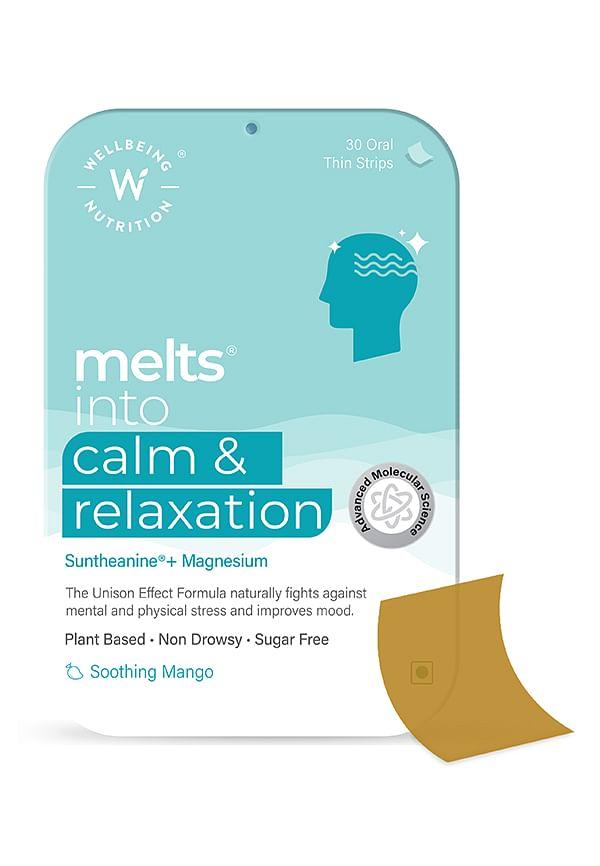
Melts Calm & Relaxation Plant Based Stress & Anxiety Reliever
For optimal benefits, aim for 3-4 yoga sessions per week, even if they're just 10-15 minutes long. Consistency matters more than duration—daily 10-minute practices often provide better anxiety relief than one long weekly session. During particularly stressful periods, you might practice gentle breathing or a few poses daily. Listen to your body and adjust frequency based on your needs and schedule.
Absolutely! Gentle yoga is highly adaptable for various physical limitations. Chair yoga offers excellent options for those with mobility restrictions, and most poses can be modified with props or alternative positions. If you have injuries or chronic conditions, consider working with a qualified yoga therapist who can create a personalised practice. The key is finding movements that feel good in your body rather than forcing traditional poses.
It's normal to feel increased anxiety initially as yoga brings awareness to sensations and emotions you might usually ignore. If anxiety arises during practice, return to your breath, open your eyes, or move to a more comfortable position like Child's Pose. Sometimes anxiety increases before it decreases as your body learns to relax. However, if anxiety consistently worsens during practice, consider working with an experienced instructor or trying Smytten's wellness products that support relaxation.
Progress gradually by extending your practice time before adding more challenging poses. After 4-6 weeks of consistent gentle practice, you might add standing poses or longer holds. Listen to your body—if you feel energised and calm after practice, you're ready for gentle progression. If you feel depleted or anxious, maintain your current level. Remember, gentle yoga can be a lifelong practice; there's no rush to advance.
Yoga should never replace prescribed anxiety medication without consulting your healthcare provider. While yoga can significantly reduce anxiety symptoms and may eventually allow some people to reduce medication under medical supervision, it's crucial to work with your doctor on any medication changes. Yoga works excellently alongside conventional treatment, often enhancing the effectiveness of therapy and medication.
Gentle yoga for anxiety relief offers a scientifically-backed, accessible approach to managing stress and anxiety symptoms. The combination of mindful movement, breathing exercises, and relaxation techniques works by activating your parasympathetic nervous system and reducing stress hormones. Starting with just 10-15 minutes of practice 3-4 times per week can create meaningful improvements in your anxiety levels. Remember that consistency matters more than perfection—even simple breathing exercises count as valuable practice. The most effective approach combines gentle poses, breathwork, and relaxation techniques tailored to your individual needs and limitations.
Your journey with gentle yoga for anxiety relief is deeply personal, and finding the right combination of practices takes time and experimentation. Just as Smytten believes you should never have to settle for products that don't work for you, your yoga practice should feel supportive and nurturing rather than stressful. Smytten's trial packs let you explore wellness products that complement your yoga practice, from aromatherapy oils to relaxation teas, ensuring you can try before you buy. With over 25 million users discovering products that truly work for them, Smytten understands that wellness is about finding what genuinely supports your unique needs. Whether you're exploring gentle yoga or seeking wellness products to enhance your practice, remember that settling for "maybe" isn't necessary when you can try it all and find what truly works for your anxiety relief journey.
