Gentle Movement for Recovery FAQ: Your Questions Answered


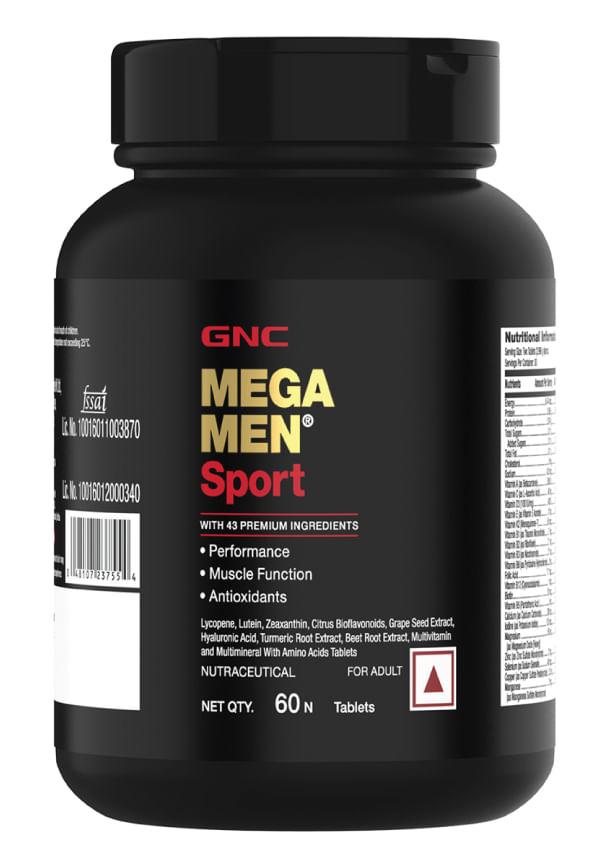
Mega Men Sport Multivitamin - Supports Muscle Performance & Recovery
Recovery isn't just about rest—it's about finding the right balance between healing and movement. Whether you're bouncing back from an injury, managing chronic pain, or simply looking to support your body's natural healing process, gentle movement for recovery can be your secret weapon. But let's be real, navigating the world of therapeutic movement can feel overwhelming when you're already dealing with discomfort or limitations. That's where understanding the basics becomes crucial. From low impact exercise for healing to mindful movement practices, there's a whole spectrum of options that can support your journey back to feeling your best. Smytten's wellness category offers various recovery-supporting products that complement your movement routine, making it easier to discover what works for your unique needs.
TL;DR
Gentle movement for recovery focuses on therapeutic, low-impact activities that support healing without causing additional strain
Benefits include improved circulation, reduced inflammation, better mental health, and faster tissue repair
Recovery movement should be progressive, starting with basic mobility exercises and gradually building intensity
Home-based routines require no equipment and can be adapted for different recovery stages and physical limitations
Always listen to your body and consult healthcare providers when needed—recovery is personal, not one-size-fits-all
Gentle movement for recovery refers to low-intensity, therapeutic physical activities designed to support your body's healing process without causing additional stress or strain. Unlike traditional exercise that focuses on performance or fitness gains, this approach prioritises restoration and gradual progress.
The key difference lies in the intention and intensity. While regular workouts might push your limits, therapeutic movement techniques work within your current capacity to promote healing. Think of it as having a conversation with your body rather than giving it orders—you're listening to what it needs and responding accordingly.
Timing matters when it comes to rehabilitation exercises. Generally, gentle movement can begin as soon as your healthcare provider gives the green light, which might be within days of an injury or procedure, depending on your specific situation.
Pain should never be your guide—discomfort is normal, but sharp or increasing pain signals you need to stop. Start slowly, focus on proper form over quantity, and remember that some days will be better than others.
Your body is basically a brilliant healing machine, and gentle movement acts like premium fuel for that process. When you engage in restorative physical activity, you're kickstarting a cascade of beneficial physiological responses that accelerate recovery.
Improved circulation tops the list of benefits. Body movement for healing increases blood flow to injured tissues, delivering essential nutrients and oxygen whilst removing metabolic waste products. This enhanced circulation also supports lymphatic drainage, helping your body naturally detoxify and reduce swelling.
Movement releases endorphins—your body's natural painkillers—which can significantly improve your mood and pain tolerance. Regular gentle activity also helps regulate stress hormones like cortisol, promoting better sleep and overall wellbeing.
Staying immobile for too long can lead to muscle atrophy, joint stiffness, and decreased bone density. Mindful movement for wellness helps maintain muscle mass, joint mobility, and cardiovascular health during recovery periods.
Recovery isn't linear, and your movement routine should reflect that reality. Different stages call for different approaches, and understanding where you are in your healing journey helps you choose the most appropriate activities.
Think of recovery as a spectrum rather than a destination. Each phase builds upon the previous one, gradually expanding your movement vocabulary as your body becomes stronger and more resilient.
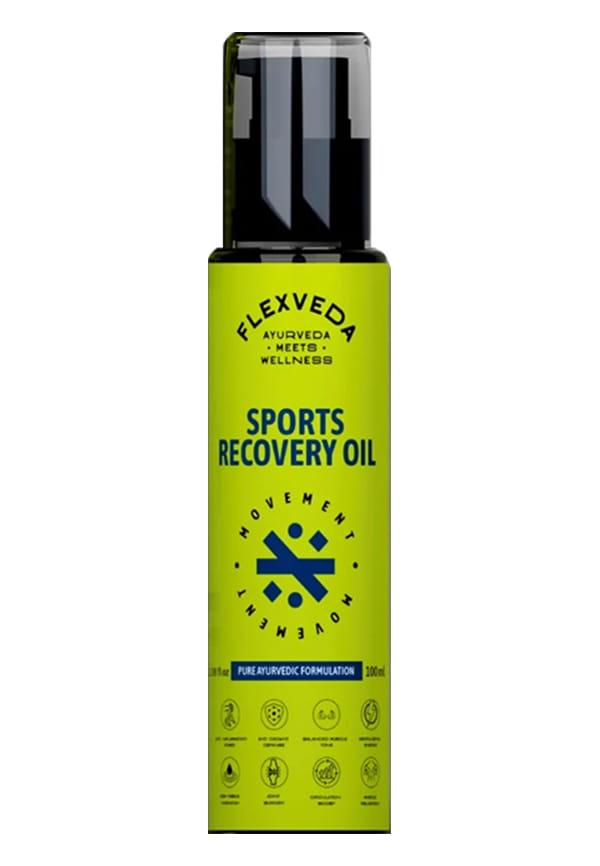
Sports Recovery Oil
Start with breathing exercises and gentle stretching for recovery. Deep diaphragmatic breathing alone can improve circulation and reduce stress. Simple neck rolls, shoulder shrugs, and ankle circles help maintain basic mobility without strain.
As tolerance improves, introduce walking, water aerobics, or chair-based yoga. These low impact exercise for healing options provide more movement variety whilst remaining joint-friendly and easily modifiable.
Resistance band work, balance training, and bodyweight exercises become appropriate. Focus on functional movements that mirror daily activities, preparing your body for real-world demands.
Pilates, gentle jogging, cycling, or swimming can be incorporated. The goal shifts from recovery to maintaining gains and preventing future issues through consistent, enjoyable movement practices.
Your home can become the perfect recovery studio with just a bit of creativity. Pain-free movement strategies don't require fancy equipment or gym memberships—your living space offers everything needed for effective rehabilitation exercises.
The beauty of home-based movement lies in its accessibility and adaptability. You can move at your own pace, in comfortable clothes, without worrying about others watching or judging your progress.
Start your day with gentle spinal movements whilst still in bed. Cat-cow stretches, knee-to-chest pulls, and gentle twists help wake up your spine and prepare your body for the day ahead.
Use your kitchen counter for support during calf raises, gentle squats, or standing marches. The stable surface provides security whilst you work on balance and lower body strength.
Floor-based movements like modified planks, bridges, and gentle stretches can be done whilst watching TV. This multitasking approach makes movement feel less like a chore and more like a natural part of your day.
Different life stages and conditions require tailored approaches to movement. What works for a 25-year-old recovering from a sports injury might not suit a 65-year-old managing arthritis. Understanding these nuances helps create more effective, personalised recovery plans.
The key is matching movement intensity and type to individual capabilities and goals. This personalised approach ensures safety whilst maximising therapeutic benefits.
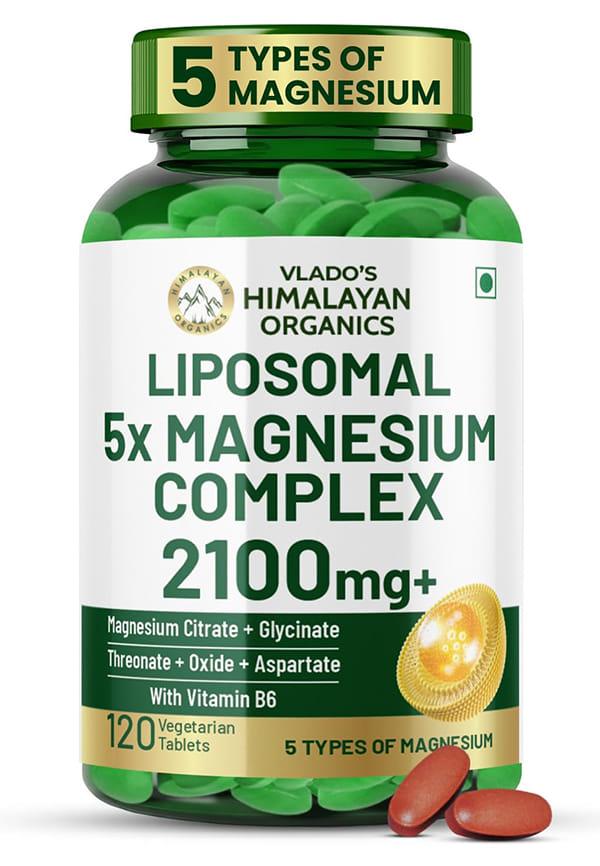
Magnesium Citrate (Chelated) 1000mg | Support Heart And Bone Health | Good For Muscle Relaxation
Mobility exercises post injury for older adults emphasise fall prevention, joint health, and maintaining independence. Balance training, gentle strength work, and flexibility exercises help preserve quality of life and reduce injury risk.
Tissue healing follows predictable timelines, and movement should respect these phases. Early emphasis on pain-free range of motion gradually progresses to strength building and functional training.
For conditions like fibromyalgia or arthritis, consistency trumps intensity. Regular, gentle movement helps manage symptoms and prevent flare-ups better than sporadic intense sessions.
Movement can be particularly powerful for mental health recovery. Gentle, mindful practices help reconnect mind and body whilst building confidence and emotional resilience.
Successful recovery follows a structured approach that balances activity with rest. The 4 R's framework—Rest, Repair, Rebuild, and Return—provides a roadmap for progressing safely through your healing journey.
This framework isn't rigid; it's more like a flexible guide that adapts to your unique situation and progress. Some phases might last longer than others, and that's perfectly normal.
Rest doesn't mean complete inactivity. It means choosing movements that support healing rather than hinder it. Gentle breathing exercises, meditation, and light stretching can be restorative rather than depleting.
Focus on movements that enhance circulation and reduce inflammation. Gentle range-of-motion exercises, light walking, and therapeutic stretches support your body's natural repair processes.
Gradually introduce resistance and challenge as tissues heal. Start with bodyweight exercises, progress to resistance bands, and eventually incorporate functional movements that prepare you for daily activities.
The final phase involves returning to previous activity levels or establishing new, sustainable movement patterns. This transition should be gradual and monitored to prevent re-injury.
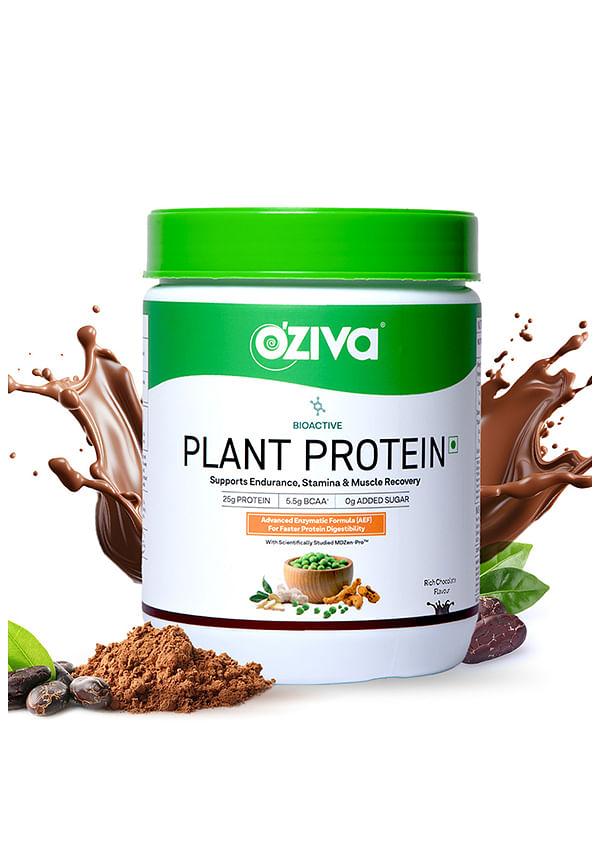
Bioactive Plant Protein for Endurance & Muscle Recovery (RichChocolate)
Daily gentle movement is generally beneficial, but listen to your body. Start with 10-15 minutes daily and adjust based on how you feel. Some days might call for more rest, whilst others allow for longer sessions.
Active recovery involves gentle movement like walking or stretching, whilst passive recovery focuses on complete rest. Both have their place—active recovery on days when you feel capable, passive recovery when your body needs complete rest.
Yes, but vary the intensity and focus areas. You might do gentle stretching daily whilst incorporating slightly more challenging exercises 2-3 times per week. The key is avoiding overuse of any particular body part.
Warning signs include increased pain, excessive fatigue, disturbed sleep, or feeling worse the day after exercise. If symptoms worsen or new pain appears, scale back and consider consulting a healthcare provider.
None! Your body weight, a wall, and a chair provide everything needed for effective gentle movement. As you progress, resistance bands or light weights can add variety, but they're not essential for starting your journey.
Consult a professional if pain worsens, you experience new symptoms, or you're unsure about appropriate exercises for your condition. They can provide personalised guidance and ensure you're moving safely. Products available on Smytten, like recovery-supporting supplements or topical treatments, can complement professional care but shouldn't replace it.
Some benefits, like improved mood and reduced stiffness, might appear within days. Strength gains and significant pain reduction typically take weeks to months. Remember, recovery is rarely linear—celebrate small wins along the way.
Gentle movement complements but doesn't replace professional physical therapy when it's needed. For serious injuries or complex conditions, professional guidance ensures proper technique and progression whilst preventing complications.
Gentle movement for recovery offers a powerful, accessible approach to healing that works with your body rather than against it. The key lies in starting slowly, listening to your body's signals, and progressing gradually through different phases of recovery. Whether you're dealing with an acute injury, managing chronic pain, or simply supporting your overall wellness, therapeutic movement techniques can be adapted to meet your unique needs and circumstances.
Remember that recovery isn't about returning to exactly where you were before—it's about building resilience, understanding your body better, and creating sustainable movement patterns that support long-term health. The 4 R's framework provides structure, but your individual journey will be unique. Consistency matters more than perfection, and small daily movements often yield better results than sporadic intense sessions.
Your recovery journey deserves the same thoughtful approach you'd give to any important project in your life. Just as Smytten believes you should never have to settle when it comes to discovering the right products for your lifestyle, your movement practice should be tailored to your specific needs and preferences. Smytten's extensive collection of wellness products—from recovery-supporting supplements to therapeutic topical treatments—can complement your gentle movement routine, helping you explore what works best for your body. With trial packs available across wellness categories, you can discover products that support your recovery journey without committing to full sizes. After all, why settle for 'maybe' when you can try it all and find what truly helps you heal and thrive?
