Folic Acid for Women FAQ: Your Questions Answered


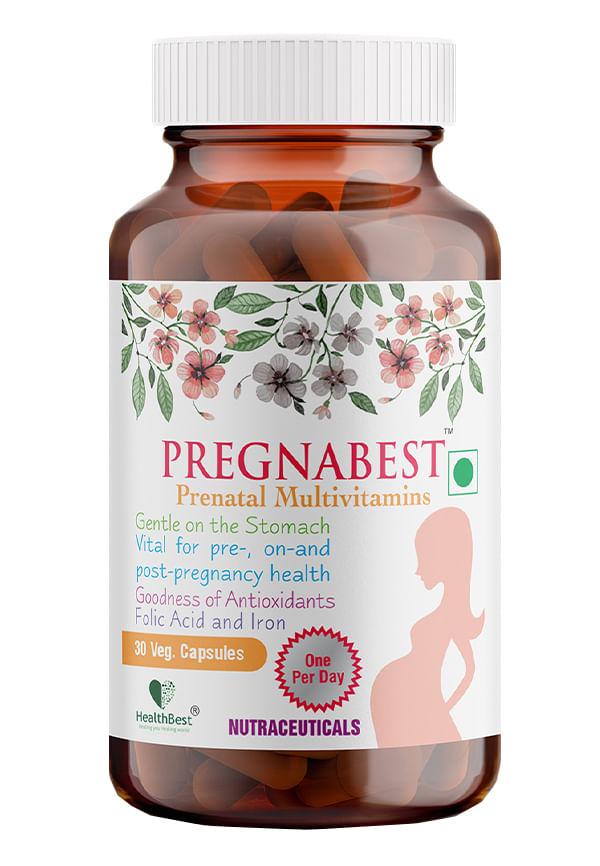
Pregnabest Prenatal Multivitamins for Women – Folic Acid, Iron, Zinc, Vitamin D3
Let's be real—folic acid might not be the most exciting topic, but it's one of those things every woman should know about. Whether you're planning a family, already pregnant, or just want to stay on top of your health game, understanding folic acid is pretty crucial. Here's something that might surprise you: around 50% of pregnancies are unplanned, yet experts recommend starting folic acid supplementation at least 14 weeks before conception. That's a pretty big gap, right? But here's the thing—folic acid isn't just about pregnancy. It plays a massive role in women's health at every stage of life, from supporting your energy levels to keeping your heart healthy. If you've ever wondered about the difference between folate and folic acid, how much you actually need, or whether you're getting enough from your diet, you're in the right place. We're diving deep into everything you need to know about this essential nutrient, and trust us, it's worth getting clued up on. Plus, with platforms like Smytten making it easier to trial wellness products before committing to full sizes, there's never been a better time to explore what works for your body.
TL;DR
Folic acid is essential for women's health beyond pregnancy—it supports DNA synthesis, red blood cell formation, and cardiovascular health
Most women need 400-800 mcg daily, with higher doses (600+ mcg) recommended during pregnancy and preconception
Natural folate from foods has different bioavailability than synthetic folic acid supplements
Deficiency symptoms include fatigue, weakness, and can impact fertility and menstrual cycles
Starting supplementation 14 weeks before trying to conceive is ideal for preventing neural tube defects
Right, let's start with the basics. Folic acid is essentially the synthetic form of folate, a B-vitamin that your body absolutely needs but can't make on its own. Think of it as one of those essential building blocks that keeps everything running smoothly—from your DNA to your red blood cells.
Here's where it gets interesting. Folate is what you find naturally in foods like leafy greens and legumes, while folic acid is the man-made version you'll see in supplements and fortified foods. The key difference? Your body handles them differently. Folic acid actually has better bioavailability than natural folate—meaning your body can absorb and use more of it. That's why most supplements and prenatal vitamins use folic acid rather than natural folate. It's not that one is necessarily better than the other, but folic acid gives you more bang for your buck when it comes to meeting your daily requirements.
So what exactly does folic acid do for you? Quite a lot, actually. It's crucial for DNA synthesis and cell division—basically, every time your body needs to make new cells, folic acid is involved. It's also essential for forming healthy red blood cells, which carry oxygen around your body. That's why folic acid deficiency often leads to a type of anaemia. Beyond that, it supports your nervous system and even plays a role in hormone regulation, which can affect everything from your mood to your menstrual cycle.
The brilliant thing about folic acid is that it's not just a pregnancy vitamin—though that's often when women first hear about it. It's actually beneficial throughout different stages of a woman's life, each with its own specific perks.
If you're trying to conceive or thinking about it in the future, folic acid for fertility is definitely worth knowing about. Research suggests that adequate folic acid levels can improve egg quality and support healthy ovulation. It's not a magic fertility pill, but it's one of those foundational nutrients that helps create the best possible environment for conception. Plus, having good folic acid levels before you even start trying means your body is already prepared for the increased demands of pregnancy.
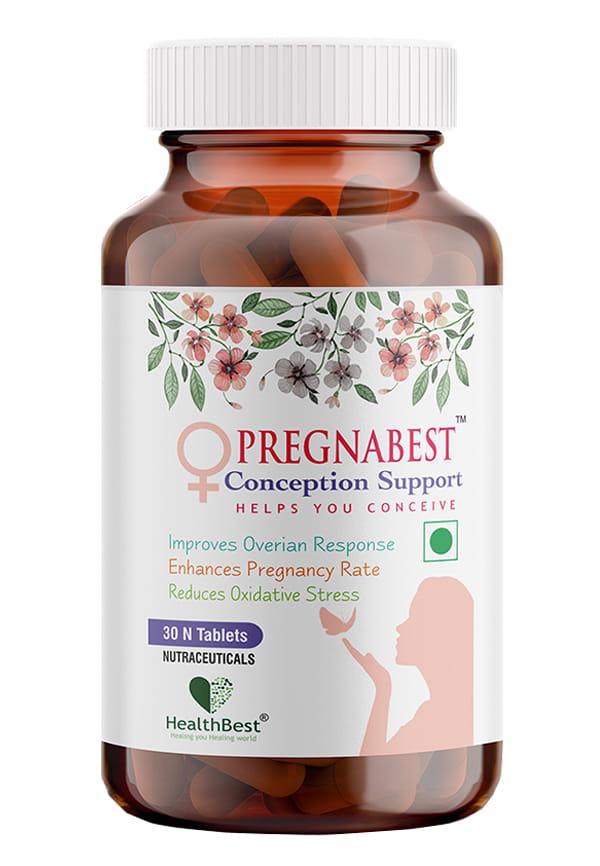
Pregnabest Conception Support Supplement Tablets for Women Enhanced Pregnancy Rate
This is where folic acid really shines. The connection between folic acid and pregnancy is well-established—it significantly reduces the risk of neural tube defects like spina bifida. But that's not all. Adequate folic acid levels during pregnancy may also reduce the risk of miscarriage and support your body's recovery postpartum. The neural tube forms very early in pregnancy (often before you even know you're pregnant), which is why starting supplementation well before conception is so important.
Even if pregnancy isn't on your radar, folic acid still has plenty to offer. It supports cardiovascular health by helping to regulate homocysteine levels—high homocysteine is linked to heart disease risk. There's also emerging research around folic acid's role in mental health and mood regulation. And of course, it helps prevent megaloblastic anaemia, which can leave you feeling constantly tired and run down.
Getting the right folic acid dosage for women isn't one-size-fits-all. Your needs change depending on your age, life stage, and individual circumstances. Let's break down what the experts recommend.
For most adult women, the recommended daily intake is around 400 mcg of folic acid. If you're over 19 and not pregnant or planning to become pregnant, this amount should cover your basic needs. However, some experts suggest that 800 mcg might be more optimal, especially if you're not getting much folate from your diet. Women over 50 might need slightly different amounts, and those with certain health conditions or taking specific medications might need more.
Here's where things ramp up. If you're planning to get pregnant, you should start taking 400-800 mcg of folic acid at least one month before conception—though 14 weeks is even better. Once you're pregnant, the recommendation jumps to 600-800 mcg daily. Women with a higher risk of neural tube defects (perhaps due to family history or previous pregnancies affected by neural tube defects) might need up to 5mg daily, but this should always be under medical supervision.
When it comes to timing, folic acid supplements are generally best absorbed on an empty stomach, but if they make you feel queasy, taking them with food is absolutely fine. Morning tends to be ideal since it helps establish a routine, but the most important thing is consistency. Folic acid doesn't interact with most medications, but it's worth checking with your healthcare provider if you're on any prescription drugs.
While supplements are often the most reliable way to meet your folic acid needs, getting folate from food sources is also valuable. The two approaches work well together, and understanding both can help you make informed choices about your nutrition.
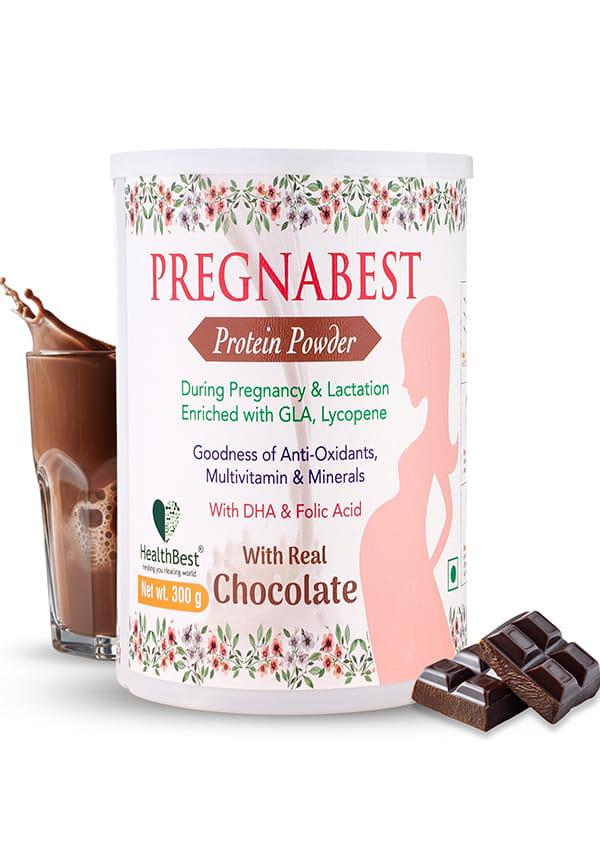
Pregnabest Protein Powder for Women | Prenatal, Pregnancy & Lactation | Anti-Oxidants | Multivitamin & Minerals with DHA & Folic Acid | Chocolate Fla
When it comes to folic acid rich foods, leafy greens are absolute champions. Spinach, kale, and romaine lettuce are packed with folate. Legumes like lentils, chickpeas, and black beans are also excellent sources. Many breakfast cereals are fortified with folic acid, and you'll find good amounts in asparagus, broccoli, and citrus fruits. The challenge with food sources is that folate can be destroyed by cooking and storage, so you might not get as much as you think. Plus, the bioavailability is lower than synthetic folic acid, so you'd need to eat quite a lot of folate-rich foods to meet your daily requirements through diet alone.
For most women, especially those of reproductive age, supplements are pretty much essential. Prenatal vitamins with folic acid are specifically formulated to meet the higher needs during pregnancy, but even if you're not pregnant, a good quality folic acid supplement can help bridge the gap between what you get from food and what you actually need. When choosing a folic acid supplement guide, look for third-party tested products and check the dosage carefully. Some multivitamins contain folic acid, but the amounts can vary widely.
Folic acid deficiency is more common than you might think, especially among women of reproductive age. Knowing what to look out for and understanding your risk factors can help you stay on top of your health.
The early signs of folic acid deficiency can be pretty subtle and often get dismissed as just being tired or stressed. Fatigue is usually the first thing you'll notice, along with general weakness and irritability. You might find yourself getting breathless more easily or feeling like your brain is a bit foggy. As deficiency progresses, you might develop mouth sores, experience hair loss, or notice changes in your skin. For women, folic acid deficiency can also affect your menstrual cycle and fertility, making periods irregular or more painful.
Certain factors put you at higher risk of deficiency. If you follow a restrictive diet, have digestive issues that affect absorption, or take medications like metformin or certain anticonvulsants, you might not be getting or absorbing enough folic acid. Regular alcohol consumption also interferes with folate metabolism. The good news is that prevention is straightforward—a combination of folate-rich foods and appropriate supplementation usually does the trick.
Ideally, at least one month before trying to conceive, though 14 weeks is even better. If you're sexually active and not using contraception, it's worth considering folic acid supplementation since many pregnancies are unplanned. For general health benefits, any time is a good time to start.
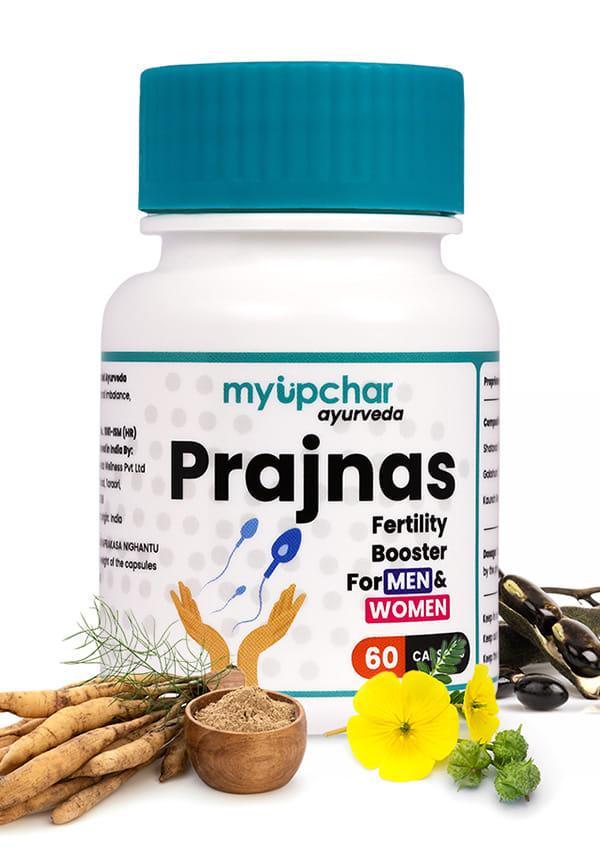
Prajnas Fertility Booster Capsule
For most women, 400-800 mcg daily is appropriate. During pregnancy or when trying to conceive, 600-800 mcg is recommended. Women with higher risk factors might need up to 5mg daily, but this should be under medical supervision.
Take it consistently at the same time each day, preferably on an empty stomach for better absorption. If it causes nausea, taking it with food is fine. Avoid taking it with tea or coffee as these can interfere with absorption.
It's challenging to meet your full requirements through food alone, especially during pregnancy or when trying to conceive. While folate-rich foods are valuable, supplements provide more reliable and bioavailable folic acid.
Folic acid is generally very safe, even at higher doses. Some people might experience mild digestive upset, but this is rare. Very high doses (over 1000 mcg) might mask vitamin B12 deficiency, so it's worth having your B12 levels checked if you're taking high doses long-term.
Folic acid is the synthetic form found in most supplements and fortified foods, while folate supplements contain the natural form. Both are effective, but folic acid has better bioavailability. Some people with certain genetic variations (like MTHFR mutations) might benefit more from folate supplements, available on Smytten for trial before committing to full sizes.
While folic acid isn't a fertility treatment, adequate levels support reproductive health by improving egg quality and supporting healthy ovulation. It's one part of a healthy lifestyle approach to fertility, but won't solve underlying fertility problems on its own.
Folic acid is genuinely one of those nutrients that every woman should have on her radar. Whether you're planning a family, currently pregnant, or just want to support your overall health, getting adequate folic acid is crucial. The key points to remember: start supplementation early if you're thinking about pregnancy (ideally 14 weeks before conception), aim for 400-800 mcg daily for most situations, and don't rely on food sources alone to meet your needs. Deficiency is more common than you might think, but it's also easily preventable with the right approach. If you're experiencing symptoms like persistent fatigue or irregular periods, it's worth discussing folic acid levels with your healthcare provider. Remember, this isn't just about pregnancy—folic acid supports your cardiovascular health, energy levels, and overall wellbeing throughout your life.
Understanding your nutritional needs is part of taking charge of your health, and folic acid is definitely worth getting right. Whether you're exploring supplements for the first time or looking to optimise your current routine, having access to trial options can make all the difference. Smytten is India's largest product discovery and trial platform, connecting consumers with top lifestyle, beauty, wellness, and grooming brands. At its core, Smytten offers curated trial packs from over 1,500 trusted brands, letting you explore and experience wellness products before committing to full-size purchases. With trial packs available for just ₹249 and 100% cashback on trials redeemable for future orders, you can discover what works for your body without the guesswork. After all, when it comes to your health, why settle for 'maybe' when you can try before you buy and find exactly what your body needs?
