Flaxseeds for Estrogen: Your FAQ Guide
-15d082bc-5b35-4800-8f07-e082bee555ef.webp&w=3840&q=75)

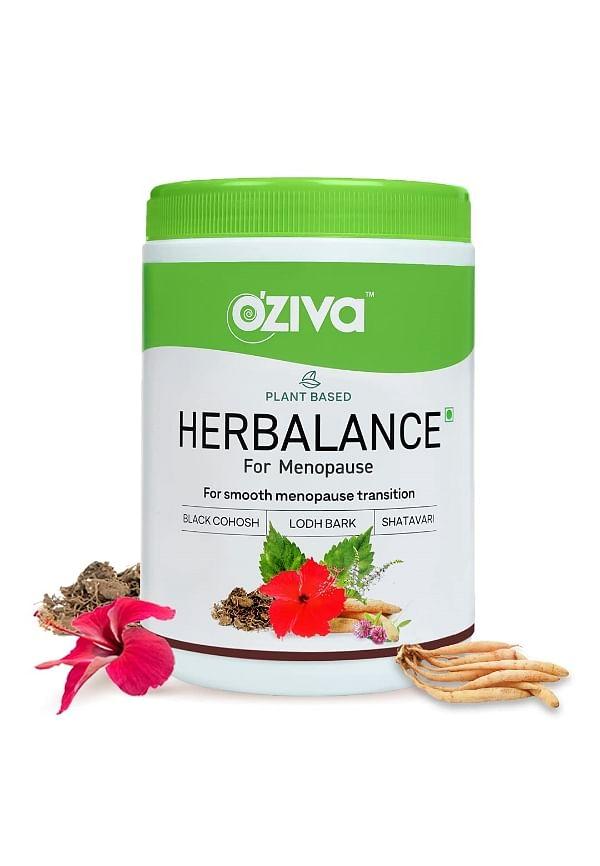
HerBalance for Menopause
Pre-menopause symptoms decreased
 4
4“u r pre menopause symptoms decreased. use daily. amazing product”
Effective for Perimenopause
4“good combination of herbs for managing perimenopausal symptoms”
Excellent for hormone imbalance
5“it's very best products for control hormone imbalance”
Let's be real—navigating hormonal health can feel like solving a puzzle with missing pieces. One minute you're fine, the next you're wondering why your body feels completely out of sync. If you've been hearing whispers about flaxseeds being some sort of hormonal superhero, you're not alone in your curiosity. These tiny seeds have been making waves in wellness circles, especially when it comes to supporting estrogen levels naturally. Whether you're dealing with menopause symptoms, looking for natural ways to support hormonal balance, or simply trying to understand what all the fuss is about, this guide to flaxseeds for estrogen will break down everything you need to know. From the science behind phytoestrogens to practical tips on how to actually use them, we've got your back. Plus, with platforms like Smytten making it easier to discover and trial wellness products, exploring natural health solutions has never been more accessible.
TL;DR
Flaxseeds contain lignans—plant compounds that can mimic estrogen in your body and help balance hormones naturally
These tiny seeds may help with menopause symptoms like hot flashes and support overall women's health
Ground flaxseed works better than whole seeds, and 1-2 tablespoons daily is the sweet spot for most people
They don't actually contain estrogen but have estrogen-like compounds that can help regulate hormonal balance
Always chat with your healthcare provider before adding flaxseeds to your routine, especially if you're on hormone medications
Think of phytoestrogens as nature's clever way of creating estrogen-like compounds in plants. Flaxseeds are absolutely packed with these compounds, specifically lignans—which are basically the VIP members of the phytoestrogen family. When you consume flaxseed lignans estrogen-like effects happen because these plant compounds can bind to the same receptors in your body that your natural estrogen would use.
Here's where it gets interesting: these lignans don't just copy what estrogen does. They're smart enough to act differently depending on what your body needs. If your estrogen levels are low, lignans can provide a gentle boost by mimicking estrogen's effects. But if your estrogen levels are already high, they can actually help balance things out by competing with stronger estrogens for those same receptors. It's like having a hormonal thermostat that adjusts based on your body's current state.
The magic happens in your gut, where beneficial bacteria convert the lignans into compounds called enterolactone and enterodiol. These are the real MVPs that interact with your estrogen receptors. Research shows that people with healthier gut bacteria tend to convert lignans more effectively, which is why maintaining good digestive health matters when you're trying to get the most out of flaxseed benefits for women.
When it comes to supporting women's health, flaxseeds are like that reliable friend who's always got your back. The benefits go way beyond just hormone support—though that's definitely their claim to fame. Let's break down how these little seeds can make a real difference in your daily life.
If you're dealing with menopause symptoms, flaxseed for menopause symptoms might just become your new best friend. Studies have shown that women who consume flaxseeds regularly report fewer and less intense hot flashes. The lignans help stabilise hormone fluctuations that trigger these uncomfortable episodes.
Sleep quality often improves too, which makes sense when you think about it—fewer night sweats mean better rest. Many women also notice their mood feels more stable, likely because balanced hormones mean fewer emotional ups and downs.
The research on flaxseed for breast health is pretty compelling. The lignans in flaxseeds may help protect breast tissue by promoting healthy estrogen metabolism. This doesn't mean flaxseeds are a cure-all, but they're part of a healthy lifestyle that supports overall breast wellness.
Some studies suggest that regular flaxseed consumption might help maintain healthy breast tissue density, though more research is needed to fully understand these effects.
Here's a bonus you might not have expected: flaxseeds are brilliant for heart health, especially during times when hormones are shifting. The omega-3 fatty acids in flaxseeds help keep your cardiovascular system happy, while the lignans may help regulate blood pressure and cholesterol levels.
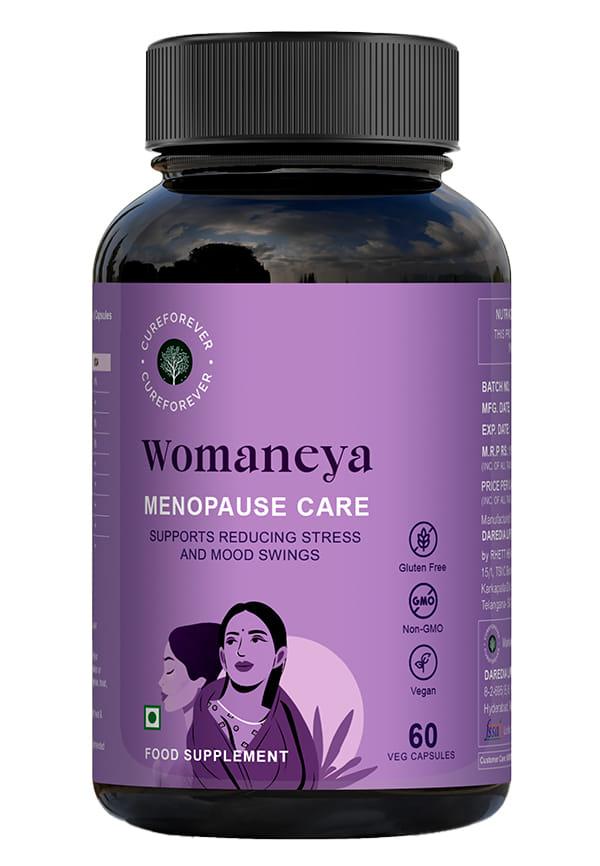
Menopause Care Formula
This is particularly important during menopause when declining estrogen can affect heart health. Think of flaxseeds as a two-in-one solution for hormonal and cardiovascular support.
This is probably the most common question about flaxseeds, and the answer is refreshingly nuanced. Flaxseeds don't actually increase or decrease your estrogen levels in a straightforward way. Instead, the estrogen-like compounds in flaxseed work more like hormonal moderators.
When your estrogen levels are low—say, during menopause—the lignans can provide mild estrogenic effects that help fill the gap. But when your estrogen levels are adequate or high, these same compounds can actually help your body process and eliminate excess estrogen more efficiently. It's like having a smart assistant that knows exactly what your body needs at any given moment.
Individual responses vary quite a bit, which is why some women notice dramatic improvements while others see more subtle changes. Factors like your gut health, overall diet, stress levels, and genetics all play a role in how effectively your body processes these compounds. The key is consistency—most research suggests you need to consume flaxseeds regularly for several weeks to notice meaningful changes in flaxseed and hormonal balance.
Getting the most out of flaxseeds isn't just about eating them—it's about eating them right. The way you prepare and consume them makes a huge difference in how well your body can actually use those beneficial lignans.
Research consistently points to 1-2 tablespoons of ground flaxseed daily as the sweet spot for hormonal benefits. Start with one tablespoon if you're new to flaxseeds—your digestive system will thank you for the gradual introduction. You can work up to two tablespoons once your body adjusts.
Timing matters too. Many women find it helpful to split their daily dose, having half in the morning and half in the evening. This keeps those beneficial compounds circulating throughout the day.
Here's where the benefits of ground flaxseed really shine. Whole flaxseeds are like tiny fortresses—your digestive system can't break them down effectively, so most of the good stuff passes right through. Ground flaxseed, on the other hand, releases all those lignans and omega-3s for your body to absorb.
You can buy pre-ground flaxseed or grind your own in a coffee grinder. If you're grinding your own, store the ground seeds in the fridge and use them within a week to prevent the oils from going rancid. Pre-ground flaxseed should be stored in the freezer and used within a few months.
Consistency is everything when you're using flaxseeds for hormonal support. Try mixing ground flaxseed into your morning smoothie, stirring it into yoghurt, or sprinkling it over salads. Some people love adding it to their morning porridge or even baking it into muffins.
Don't forget about hydration—flaxseeds are high in fibre, so you'll want to drink plenty of water throughout the day. This helps prevent any digestive discomfort and ensures the fibre can do its job properly.
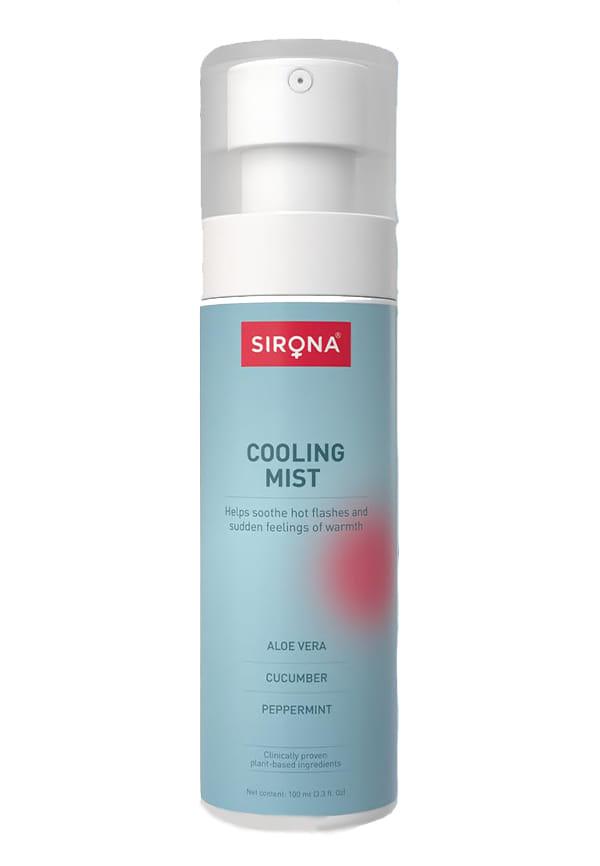
Natural Menopause Cooling Mist Spray
The research on flaxseeds and menopause is genuinely encouraging. Several clinical trials have looked specifically at how flaxseeds affect menopausal women, and the results are worth paying attention to. In one study, women who consumed 40 grams of ground flaxseed daily (that's about 3 tablespoons) experienced a significant reduction in hot flash frequency and intensity compared to those who didn't.
What's particularly interesting is that the benefits seem to build over time. Most women start noticing improvements around the 6-8 week mark, with maximum benefits typically seen after 12 weeks of consistent use. This isn't a quick fix—it's more like training your hormones to find their new normal.
The research also suggests that flaxseeds work best as part of a holistic approach to menopause management. Women who combined flaxseed consumption with regular exercise, stress management, and a balanced diet saw the most significant improvements. Think of flaxseeds as one important piece of your menopause wellness puzzle, not the entire solution.
While flaxseeds are generally safe for most people, there are some important things to keep in mind, especially if you're dealing with specific health conditions or taking certain medications.
If you're dealing with estrogen dominance—where you have too much estrogen relative to other hormones—flaxseeds might actually be helpful. The lignans can support your liver's ability to process and eliminate excess estrogen, potentially helping to restore balance.
However, every person's hormonal picture is different. If you suspect you have estrogen dominance, it's worth working with a healthcare provider who can help you understand your specific situation and whether flaxseeds are right for you.
Flaxseeds can interact with certain medications, particularly blood thinners and hormone therapies. The omega-3s in flaxseeds have mild blood-thinning properties, which could enhance the effects of anticoagulant medications.
If you're taking hormone replacement therapy or other hormone medications, chat with your doctor before adding flaxseeds to your routine. They can help you understand whether flaxseeds might interfere with your treatment or if adjustments need to be made.
Men often wonder whether consuming flaxseeds might affect their hormone levels negatively. The good news is that research suggests flaxseeds are generally safe for men and may even offer some benefits, including prostate health support.
The phytoestrogens in flaxseeds don't appear to significantly affect testosterone levels in healthy men when consumed in normal amounts. However, if you're a man with hormone-sensitive conditions, it's worth discussing flaxseed consumption with your healthcare provider.
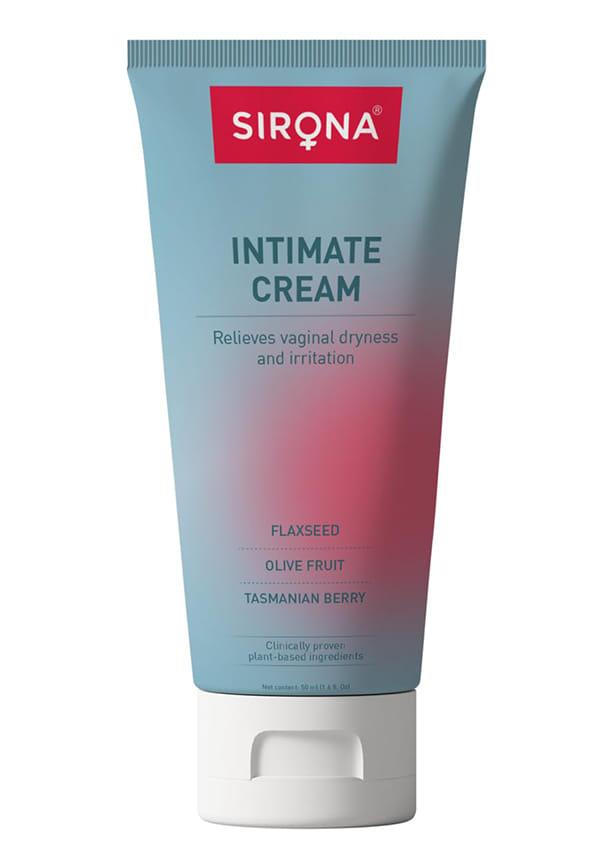
Natural Intimate Cream For Menopause
Flaxseeds don't contain actual estrogen, but they do contain lignans—plant compounds that can mimic estrogen's effects in your body. These phytoestrogens are much weaker than human estrogen but can still provide beneficial hormonal support. Think of them as estrogen's gentle cousin rather than estrogen itself.
This is a question you absolutely need to discuss with your oncologist or healthcare provider. Anastrozole is an aromatase inhibitor used in breast cancer treatment, and there's ongoing debate about whether phytoestrogens like those in flaxseeds might interfere with its effectiveness. Your medical team can provide personalised guidance based on your specific situation.
Flaxseeds top the list as natural estrogen sources, containing the highest concentration of lignans among commonly consumed seeds. Sesame seeds also contain lignans, though in smaller amounts. Pumpkin seeds and sunflower seeds provide some phytoestrogens too, but flaxseeds are definitely the standout performer in this category.
Flaxseeds may actually help with estrogen dominance by supporting your body's ability to metabolise and eliminate excess estrogen. The lignans can help promote the production of sex hormone-binding globulin, which helps regulate estrogen levels. However, estrogen dominance is complex, so it's worth working with a healthcare provider to address the root causes.
Most women start noticing subtle changes around 4-6 weeks of consistent daily consumption, with more significant benefits typically appearing after 8-12 weeks. Remember, you're working with your body's natural processes, so patience is key. Consistency matters more than perfection—missing a day here and there won't derail your progress.
Some women find that regular flaxseed consumption helps regulate their menstrual cycles, likely due to the hormone-balancing effects of lignans. However, irregular periods can have many underlying causes, so it's important to work with a healthcare provider to understand what's going on with your specific situation. Flaxseeds can be part of the solution but shouldn't be your only approach.
Flaxseeds offer a natural, gentle way to support hormonal balance through their rich lignan content. These tiny seeds work as hormonal modulators rather than simple estrogen boosters, helping your body find its optimal balance. The benefits extend beyond hormone support to include cardiovascular health, digestive wellness, and overall nutritional support.
Success with flaxseeds requires consistency, proper preparation (always choose ground over whole), and realistic expectations. Most women see meaningful benefits after 8-12 weeks of daily consumption, with 1-2 tablespoons being the optimal daily dose. Remember that individual responses vary, and what works brilliantly for your friend might take longer to show results for you.
While flaxseeds are generally safe for most people, they're not a one-size-fits-all solution. If you're dealing with hormone-sensitive conditions, taking medications, or have specific health concerns, partnering with a healthcare provider ensures you're making the best choices for your unique situation.
Exploring natural approaches to hormonal health is all about finding what works for your unique body and lifestyle. Flaxseeds represent just one piece of the wellness puzzle, but they're a pretty compelling piece with solid research backing their benefits. Whether you're navigating menopause, looking to support overall hormonal balance, or simply curious about natural health solutions, these tiny seeds offer a gentle, accessible starting point. Smytten is India's largest product discovery and trial platform, connecting consumers with top lifestyle, beauty, wellness, and grooming brands through curated trial packs from over 1,500 trusted brands. With the platform's focus on making wellness exploration affordable and rewarding through 100% cashback on trial minis, discovering complementary health products to support your flaxseed journey has never been easier. After all, why settle for maybe when you can try it all and find what truly works for your body's unique needs?
