Fiber Insights: Transforming Digestive Health Naturally


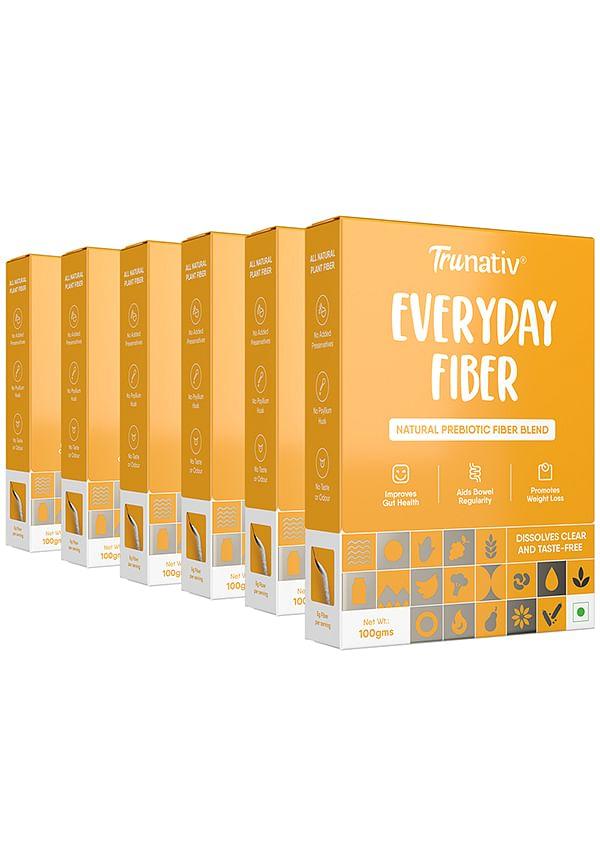
Everyday Fiber, Enhance Your Digestive Health With Plant Based Fiber
Excellent Fibre Supplement
 5
5“One of the best fibre supplements. It dissolves very easily. No significant taste so it's easy to consume.”
Let's be real—your gut health affects everything from your mood to your energy levels. Yet most of us barely get half the fiber we need daily. The benefits of high-fiber diets go way beyond just keeping things regular (though that's pretty important too). From protecting your heart to helping you maintain a healthy weight, fiber is basically your digestive system's best friend. Ready to discover how this simple dietary shift can transform your health naturally?
Fiber is the part of plant foods your body can't digest—and that's exactly what makes it so powerful. Think of it as nature's internal broom, sweeping through your digestive system and doing some serious housekeeping along the way. Most adults need about 25-35 grams of fiber daily, but here's the kicker: the average person only gets about 15 grams. This fiber gap isn't just about numbers on a nutrition label. Your gut is home to trillions of bacteria that literally depend on fiber to thrive. When these good bacteria are happy, they produce short-chain fatty acids that reduce inflammation and support your immune system. It's like having your own personal health squad working 24/7.
Processed foods dominate our plates, and they're basically fiber deserts. White bread, sugary snacks, and refined grains have had their fiber stripped away during processing. Your gut notices this absence, and over time, it can lead to digestive issues, increased disease risk, and that sluggish feeling we've all experienced.
Not all fiber works the same way in your body. There are two main types of fiber, and each has its own superpower. Understanding the difference helps you make smarter food choices that target your specific health goals. Soluble fiber dissolves in water, forming a gel-like substance in your digestive tract. This gel slows down digestion, which helps stabilise blood sugar levels and can lower cholesterol. You'll find soluble fiber in oats, beans, apples, and citrus fruits. It's particularly brilliant for heart health and blood sugar management.
Insoluble fiber doesn't dissolve in water—instead, it adds bulk to your stool and helps food move through your digestive system more efficiently. Think of it as your gut's personal trainer, keeping everything moving at the right pace. Whole grains, nuts, and most vegetables are packed with insoluble fiber. Both types work together beautifully. Soluble fiber feeds your beneficial gut bacteria, while insoluble fiber ensures regular bowel movements. Your digestive system needs both to function optimally.
The research on fiber's health benefits is absolutely mind-blowing. We're talking about one simple dietary change that can impact multiple aspects of your wellbeing. Let's break down what the science actually says about the benefits of fiber.
This is fiber's most famous benefit, and for good reason. Foods for regularity work by adding bulk to your stool and softening it, making bowel movements easier and more regular. If you've ever dealt with constipation, you know how uncomfortable it can be. Fiber essentially acts as a natural laxative, but in the gentlest way possible. Regular fiber intake also reduces your risk of developing hemorrhoids and diverticular disease. Your digestive system functions like a well-oiled machine when it gets enough fiber consistently.

Constipation Relief
Here's where soluble fiber really shines. It binds to cholesterol in your digestive system and helps remove it from your body before it can clog your arteries. Studies show that people who eat high-fiber diets have significantly lower rates of heart disease. Fiber also helps reduce blood pressure and inflammation—two major risk factors for cardiovascular problems. It's like giving your heart a protective shield through your food choices.
Fiber slows down the absorption of sugar, preventing those dramatic blood sugar spikes that leave you feeling crashed and cranky. This is particularly important for preventing type 2 diabetes and managing existing diabetes. When you eat fiber-rich foods, your blood sugar rises more gradually and stays stable longer. This means sustained energy levels and fewer cravings for sugary snacks.
Fiber makes you feel full faster and keeps you satisfied longer. It's not magic—it's science. High-fiber foods take more energy to digest and they physically take up more space in your stomach. This natural appetite control can help you maintain a healthy weight without feeling deprived. Plus, many high-fiber foods are naturally lower in calories, so you can eat satisfying portions without overdoing it.
The evidence for fiber's cancer-fighting properties is particularly strong for colorectal cancer. Fiber helps speed up the elimination of waste from your colon, reducing the time potential carcinogens spend in contact with your intestinal walls. Some studies suggest that high-fiber diets may also reduce the risk of breast and other cancers, though more research is needed to confirm these connections.
Your gut bacteria absolutely love fiber—it's their preferred food source. When beneficial bacteria feast on fiber, they produce short-chain fatty acids that reduce inflammation throughout your body. This supports not just digestive health but also immune function and even mental health. A diverse, fiber-rich diet promotes a diverse gut microbiome, which is associated with better overall health outcomes.
Knowing which foods pack the most fiber helps you make strategic choices throughout the day. The best fiber rich foods are often the most colourful and least processed options in the grocery store.
Apples with their skin provide about 4 grams of fiber per medium fruit. Pears are even better at 6 grams, and raspberries are absolute fiber champions with 8 grams per cup. Avocados deserve a special mention—half an avocado contains 7 grams of fiber plus healthy fats. The key with fruits is eating them whole rather than juiced. The fiber is mostly in the pulp and skin, which gets removed during juicing.

Digestive Enzymes
High-Quality, but Pricey
5“great quality though it's very expensive.”
Broccoli, Brussels sprouts, and artichokes are fiber superstars. One medium artichoke contains a whopping 10 grams of fiber. Sweet potatoes with their skin provide 4 grams, plus they're loaded with vitamins. Leafy greens like spinach and kale might not be the highest in fiber, but they're still valuable sources that add up throughout the day.
Beans are basically fiber bombs—a cup of cooked black beans contains 15 grams. Lentils, chickpeas, and other legumes are similarly impressive. Quinoa provides 5 grams per cooked cup, plus it's a complete protein. Oats are particularly rich in soluble fiber, making them excellent for heart health and blood sugar control.
Chia seeds are tiny but mighty—just two tablespoons provide 10 grams of fiber. Flaxseeds, almonds, and other nuts and seeds are convenient ways to boost your fiber intake while adding healthy fats and protein to your meals.
Incorporating more fiber doesn't require complicated cooking. These high fiber recipes are designed for busy lifestyles while maximising nutritional benefits. Start your day with overnight oats made with rolled oats, chia seeds, berries, and a dollop of almond butter. This breakfast provides about 12 grams of fiber and keeps you satisfied for hours. For lunch, try a hearty lentil and vegetable soup. Combine red lentils with diced tomatoes, carrots, celery, and spinach. One bowl delivers around 15 grams of fiber plus plant-based protein. Dinner could be quinoa-stuffed bell peppers filled with black beans, corn, and diced vegetables. This combination provides complete protein and about 18 grams of fiber per serving.
Apple slices with almond butter, carrot sticks with hummus, or a small handful of mixed nuts can boost your daily fiber intake between meals. These snacks also provide sustained energy without the blood sugar rollercoaster.
While whole foods are always the gold standard, fiber supplements can be helpful in certain situations. If you're struggling to meet your daily fiber needs through food alone, supplements can bridge the gap. Psyllium husk, methylcellulose, and inulin are common supplement options. Each works slightly differently, so it's worth understanding which type might work best for your specific needs. However, supplements can't replicate all the benefits of fiber from whole foods. Real foods provide vitamins, minerals, antioxidants, and other compounds that work synergistically with fiber.
Supplements might be useful if you have digestive issues that make it difficult to tolerate high-fiber foods initially, or if you're travelling and don't have access to your usual fiber-rich options. Always start with a small dose and increase gradually to avoid digestive discomfort. And remember to drink plenty of water—supplements need adequate hydration to work effectively.
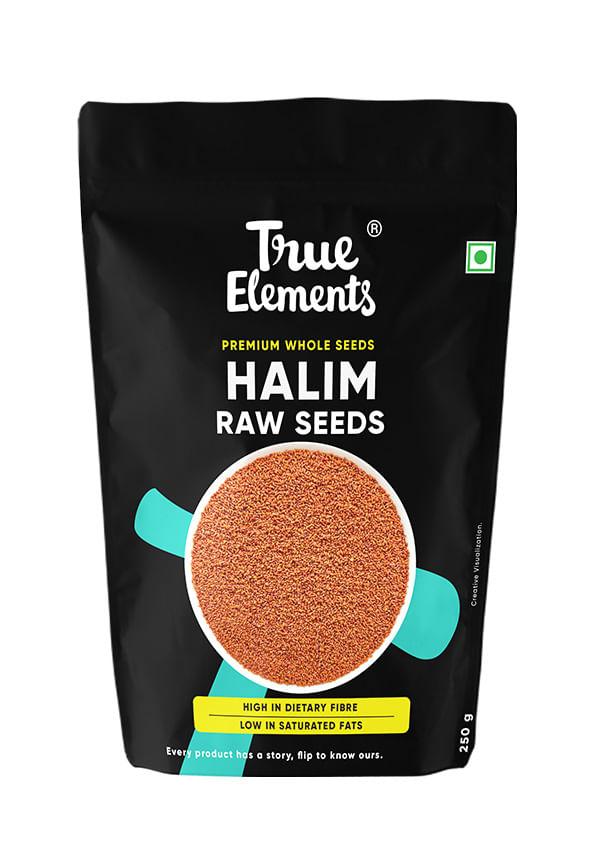
Raw Halim Seeds Improves Digestion
Good quality product
4“I liked it. it's a nice quality.”
Good Product for Health
4“Good product, good for health ”
Good Product for Health
4“Good product, good for health ”
The biggest mistake people make when boosting their fiber intake is going too fast. Your digestive system needs time to adapt, so increase your fiber gradually—about 5 grams per week until you reach your target. Water is absolutely crucial when increasing fiber. Think of fiber as a sponge that needs adequate fluid to do its job properly. Aim for at least 8 glasses of water daily, more if you're very active.
Some gas and bloating is normal when you first increase fiber, but it should subside as your gut bacteria adapt. If discomfort persists, slow down the increase and make sure you're drinking enough water. Spread your fiber intake throughout the day rather than loading up at one meal. This helps your digestive system process it more comfortably.
Fiber adds bulk and softness to your stool, making bowel movements easier and more regular. You might notice your stools become larger and more formed, which is completely normal and healthy.
Yes, excessive fiber (over 50-60 grams daily) can cause bloating, gas, and even interfere with mineral absorption. Stick to the recommended 25-35 grams daily for optimal benefits.
Absolutely. Fiber helps prevent constipation, which is common during pregnancy. Aim for 25-35 grams daily from whole food sources, and always consult your healthcare provider about dietary changes.
Most people notice improved regularity within a few days to a week. Other benefits like better blood sugar control and heart health improvements develop over weeks to months of consistent intake.
Fiber supports weight management by increasing satiety and reducing overall calorie intake. However, it's not a magic solution—it works best as part of an overall healthy eating pattern.
The benefits of high-fiber diets extend far beyond digestive health, though that's certainly where you'll notice the first improvements. From protecting your heart to supporting healthy weight management, fiber is one of the simplest yet most powerful tools for better health. Start small, stay consistent, and listen to your body as you make these changes. Your gut—and your overall health—will thank you for it. Just like discovering new wellness products through platforms like Smytten, where you can explore curated trial packs from trusted brands before committing to full sizes, building a high-fiber diet is about finding what works best for your body through gradual experimentation. Remember, sustainable changes happen gradually. Focus on adding one or two high-fiber foods to your daily routine each week, and before you know it, you'll have transformed your digestive health naturally.
