Expert Insights: Transforming Gut Health Naturally
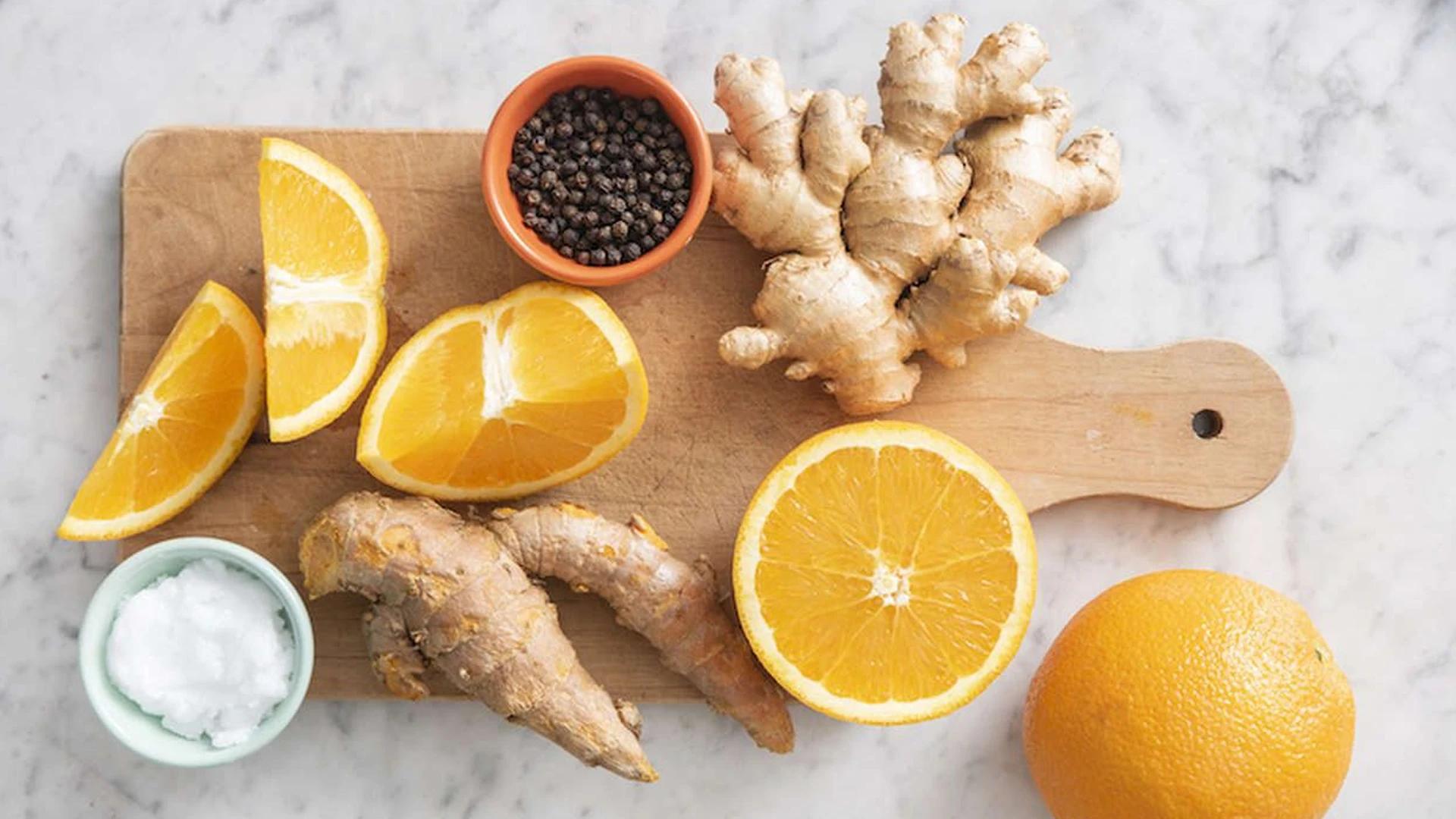


Gut Cleansner
Your gut is basically your body's second brain, and honestly, it deserves way more credit than it gets. We're talking about trillions of bacteria working round the clock to keep you healthy, happy, and functioning at your best. But here's the thing—modern life has been pretty rough on our gut microbiome. From processed foods to stress and antibiotics, our digestive health has taken quite the hit. The good news? Improving gut microbiome naturally isn't just possible, it's actually simpler than you might think. Let's dive into the science-backed ways to transform your gut health and get your digestive system back on track.
Think of your gut microbiome as a bustling city where trillions of bacteria, fungi, and other microorganisms live and work together. This complex ecosystem in your digestive tract plays a massive role in everything from your immune system to your mood. When your gut bacteria are balanced and thriving, you feel energised, your skin glows, and your digestion runs smoothly.
But when things go sideways, your body sends some pretty clear signals. Poor digestive health can show up as bloating, irregular bowel movements, food intolerances, frequent infections, or even brain fog. Your gut flora directly communicates with your brain through what scientists call the gut-brain axis, which explains why gut issues often come with mood swings or anxiety.
Modern lifestyle habits like eating processed foods, chronic stress, lack of sleep, and overuse of antibiotics can seriously disrupt this delicate balance. When harmful bacteria outnumber the good ones, it creates an environment where inflammation thrives and your intestinal health suffers. The result? Your entire wellbeing takes a hit.
Real talk—there's no magic pill for instant gut transformation, but the science is crystal clear on what works. Improving gut microbiome naturally is all about creating the right environment for beneficial bacteria to flourish whilst crowding out the troublemakers.
Research shows that diversity is key when it comes to gut bacteria. The more varied your microbiome, the better it can handle stress, fight off infections, and support your overall health. Studies indicate that people with diverse gut flora tend to have better immune function and lower rates of inflammatory diseases.
Here's what you can expect on your gut healing journey: within the first week of making changes, you might notice improved energy levels. By week two to four, digestive symptoms often start settling down. The real magic happens around the three-month mark when your microbiome has had time to properly rebalance and strengthen.
The fastest way to boost good bacteria naturally involves a two-pronged approach: feeding the beneficial microbes you already have whilst introducing new ones through food and lifestyle changes. This creates a positive cycle where healthy digestion becomes your new normal.
Food is your most powerful tool for transforming gut health, and it's way more exciting than popping supplements. The key is understanding the difference between probiotics and prebiotics—think of probiotics as the good bacteria themselves, whilst prebiotics are the food that keeps them happy and thriving.
Fermented foods are basically gut health superstars. They're packed with live beneficial bacteria that can help restore balance to your microbiome. Greek yoghurt and kefir are brilliant starting points—they're creamy, versatile, and loaded with multiple strains of helpful bacteria.

Gut Health Gummies
Love the app and deals
 4
4“great app with great deals just love it”
Good & Effective Gummies
5“very good and effective gut health gummies.”
Fermented vegetables like kimchi, sauerkraut, and pickles bring serious flavour whilst delivering powerful probiotics. Kombucha has become the trendy choice, and for good reason—it's fizzy, refreshing, and contains beneficial yeasts alongside bacteria. Don't sleep on miso and tempeh either; these fermented soy products add umami depth to meals whilst supporting your gut flora.
Your beneficial bacteria need fuel to thrive, and that's where prebiotics come in. These special fibres pass through your small intestine undigested and become food for your good gut bacteria in the colon.
Garlic, onions, leeks, and asparagus are prebiotic powerhouses that add flavour whilst feeding your microbiome. Bananas, especially slightly green ones, contain resistant starch that beneficial bacteria absolutely love. Apples, with their pectin-rich skin, and Jerusalem artichokes are also fantastic choices for a microbiome diet.
The most effective approach to gut restoration follows a structured framework that addresses the root causes whilst rebuilding a healthy environment. This systematic method ensures you're not just masking symptoms but actually creating lasting change.
Remove the troublemakers first. This means cutting back on processed foods, excess sugar, and inflammatory ingredients that feed harmful bacteria. You'll also want to identify and eliminate any food sensitivities that might be causing ongoing irritation.
Replace what's missing. Many people with gut issues have low stomach acid or insufficient digestive enzymes. Adding apple cider vinegar before meals or eating enzyme-rich foods like pineapple and papaya can help improve digestion.
Reinoculate with beneficial bacteria through fermented foods and targeted probiotics. This step is about actively introducing the good guys back into your system.
Repair the intestinal lining with gut-healing nutrients like L-glutamine, zinc, and omega-3 fatty acids. Bone broth, collagen-rich foods, and anti-inflammatory spices like turmeric all support this healing process.
Your gut health isn't just about what you eat—it's deeply connected to how you live. Stress, sleep, movement, and environmental factors all play crucial roles in maintaining a thriving microbiome.
Chronic stress literally changes the composition of your gut bacteria, favouring harmful strains over beneficial ones. When you're stressed, your body diverts resources away from digestion, creating an environment where bad bacteria can flourish.
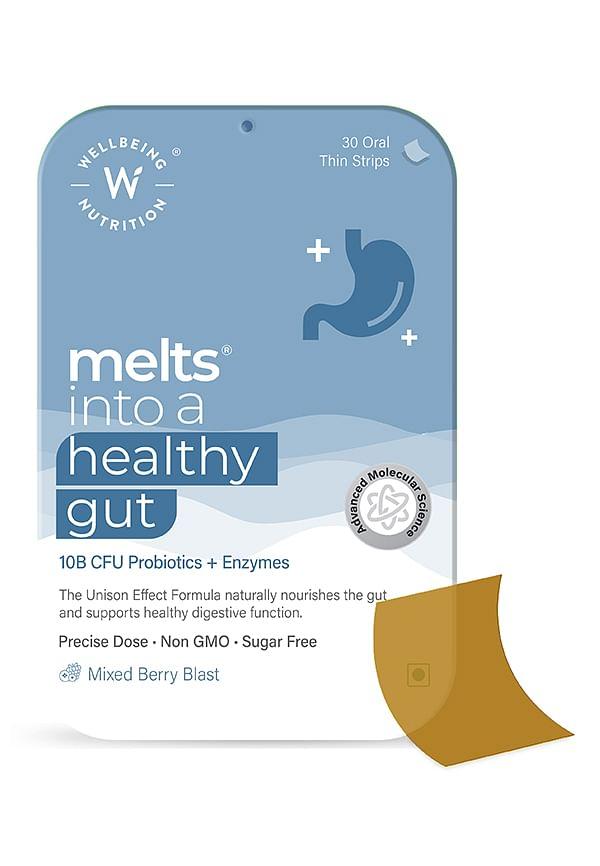
Melts Healthy Gut - Plant Based Probiotic
Great for Digestion
5“really good for your stomach thank you”
Simple stress-busting techniques like deep breathing, meditation, or even a daily walk can make a real difference to your digestive health. Quality sleep is equally important—your gut bacteria follow circadian rhythms just like you do.
Regular movement doesn't just keep you fit; it actually increases the diversity of your gut microbiome. Studies show that people who exercise regularly have more beneficial bacteria and better overall gut health.
You don't need to become a gym fanatic—even moderate activities like walking, yoga, or dancing can boost your microbiome diversity. The key is consistency rather than intensity.
Proper hydration supports the mucosal lining of your intestines and helps beneficial bacteria thrive. Aim for clean, filtered water throughout the day to support optimal intestinal health.
Be mindful of environmental toxins, unnecessary antibiotics, and harsh chemicals that can disrupt your microbiome. When you do need antibiotics, make sure to support your gut with extra probiotics during and after treatment.
Just as important as knowing what to eat is understanding what to limit or avoid. Certain foods can actively harm your gut bacteria and create an environment where inflammation thrives.
Highly processed foods loaded with preservatives, artificial sweeteners, and emulsifiers can disrupt the delicate balance of your microbiome. These additives often act as antimicrobials, killing off beneficial bacteria along with the harmful ones.
Excess sugar feeds pathogenic bacteria and yeast, allowing them to overgrow and crowd out the good guys. This doesn't mean you can never have a treat, but being mindful of your overall sugar intake makes a real difference to your gut health.
Inflammatory foods like trans fats, excessive alcohol, and highly processed meats can damage the intestinal lining and promote harmful bacterial growth. The goal isn't perfection but rather creating a microbiome diet that supports more good choices than harmful ones.
Speaking of wellness discoveries, platforms like Smytten make it easier than ever to explore gut-supporting products without the commitment of full-size purchases. With access to trial packs from trusted wellness brands, you can experiment with different probiotics, digestive enzymes, or gut-healing supplements to find what works best for your unique needs.
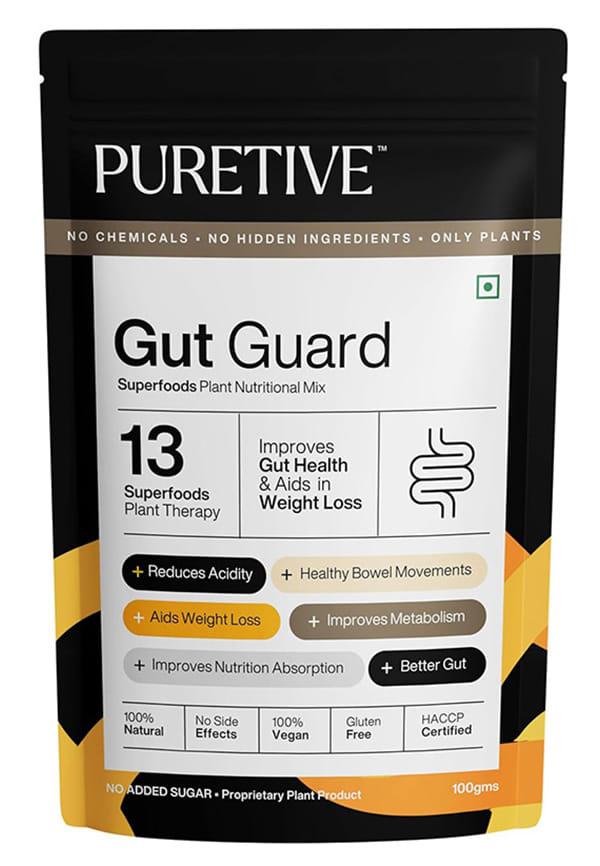
Gut Health Superfoods Nutritional Mix
The fastest approach combines removing inflammatory foods, adding fermented foods daily, managing stress, and ensuring quality sleep. Most people notice improvements within 2-4 weeks, but complete microbiome restoration typically takes 3-6 months of consistent effort.
Focus on eating a diverse range of plant foods, include fermented foods daily, consume prebiotic-rich foods like garlic and onions, reduce processed foods, manage stress levels, and get regular exercise. Variety is key—aim for 30 different plant foods per week.
Initial improvements often appear within 1-2 weeks, significant changes typically occur by 4-8 weeks, and full microbiome restoration can take 3-12 months depending on your starting point and consistency with healthy habits.
Absolutely! A diet rich in fermented foods, diverse plant fibres, and prebiotic foods can effectively restore gut health. Lifestyle factors like stress management, adequate sleep, and regular exercise are equally important for natural microbiome recovery.
Beneficial bacteria naturally crowd out harmful ones when given the right environment. Foods like garlic, ginger, oregano, and apple cider vinegar have natural antimicrobial properties. Starving bad bacteria by reducing sugar and processed foods is equally effective.
Transforming your gut health naturally is one of the most powerful things you can do for your overall wellbeing. It's not about perfection or following rigid rules—it's about making consistent choices that support your microbiome diversity and create an environment where beneficial bacteria can thrive.
Start with small changes like adding one fermented food to your daily routine or including more prebiotic-rich vegetables in your meals. Focus on reducing stress, getting quality sleep, and staying active. Remember, your gut microbiome is unique to you, so what works for others might need tweaking for your specific needs.
The journey to optimal digestive health is exactly that—a journey. Be patient with yourself as your body adapts and heals. With platforms like Smytten offering trial-sized wellness products from over 1,500 trusted brands, you can explore different gut-supporting options without the pressure of full-size commitments. Whether it's trying a new probiotic supplement or discovering a gut-healing tea blend, having access to curated trial packs makes the exploration process both affordable and exciting. After all, why settle for 'maybe' when you can try it all and find what truly works for your unique gut health journey?
