Expert Insights: Mastering Stress Management Today

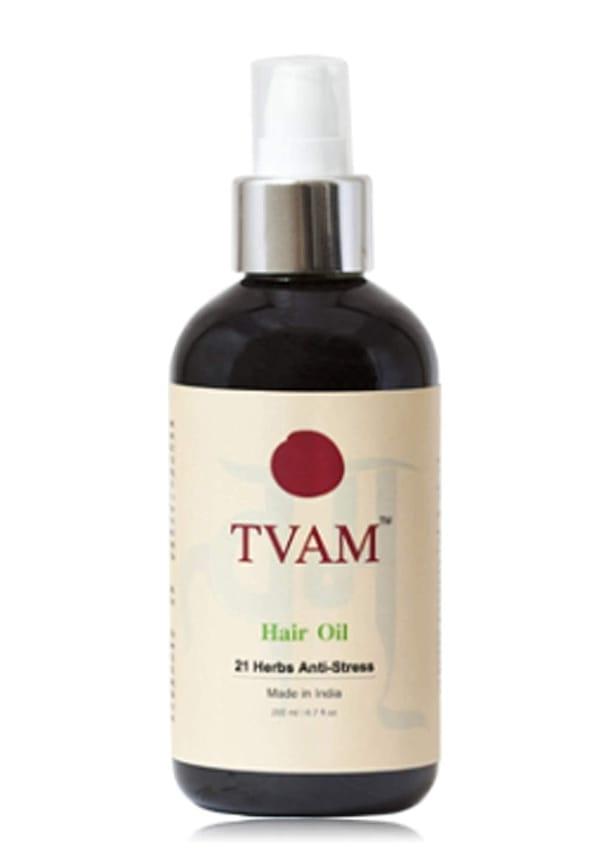
Hair Oil - 21 Herbs Anti-Stress
Let's be real—stress has become the uninvited guest that just won't leave. Whether it's work deadlines, family drama, or just the general chaos of modern life, we're all looking for ways to manage the overwhelm. The good news? There are proven stress management techniques that actually work, backed by science and tested by millions of people navigating similar challenges. From quick stress relief methods to long-term wellbeing strategies, understanding how to cope with stress isn't just helpful—it's essential for your mental health and overall quality of life.
When stress hits, your body doesn't mess about. Your heart rate spikes, cortisol floods your system, and your brain switches into survival mode. Chronic stress literally rewires your brain, making you more reactive and less able to think clearly. But here's the brilliant part—effective stress management techniques can reverse this process. Research shows that consistent stress management practices actually change your brain structure. Regular meditation increases grey matter in areas linked to emotional regulation. Exercise releases endorphins that naturally combat stress hormones. Even simple breathing exercises activate your parasympathetic nervous system, telling your body it's safe to relax. The key is understanding that quick fixes rarely work long-term. Those "just think positive" approaches? They're not addressing the root of how stress affects your mental health. Evidence-based techniques work because they target both the physical and psychological aspects of stress, creating lasting change rather than temporary relief.
Experts consistently recommend these five foundational approaches for effective stress relief and long-term anxiety management. Each technique addresses different aspects of how stress impacts your body and mind.
Movement is medicine for stress. When you exercise, your body metabolises stress hormones and releases feel-good endorphins. You don't need intense gym sessions—even a 10-minute walk can shift your stress levels. The key is consistency rather than intensity.
Mindfulness for stress works by breaking the cycle of anxious thoughts about the future or regrets about the past. Simple practices like focusing on your breath or noticing five things you can see around you can ground you in the present moment.
Your breath is the fastest way to signal safety to your nervous system. Try the 4-7-8 technique: breathe in for 4 counts, hold for 7, exhale for 8. This activates your body's natural relaxation response within minutes.
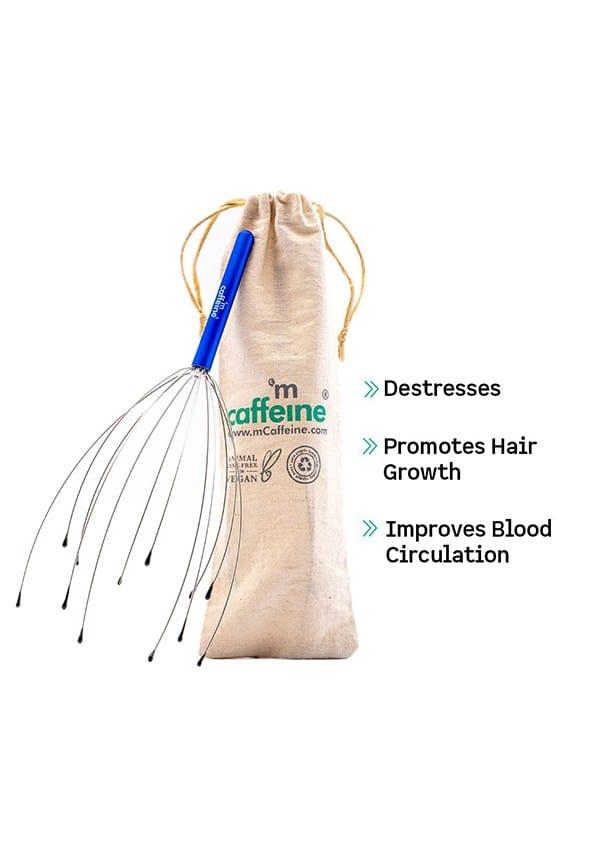
De-stress Scalp Massager
Learning to say "no" effectively is a crucial stress reduction skill. When you're clear about your limits and priorities, you prevent overwhelm before it starts. This includes setting boundaries with technology, work, and even well-meaning family members.
Humans are wired for connection. Having people you can talk to, laugh with, or simply be around reduces stress hormones and boosts resilience. Quality matters more than quantity—one genuine friendship can be more stress-relieving than dozens of superficial connections.
Different life situations call for tailored approaches to coping with stress. What works for a student might not suit a working parent, and workplace stress requires different strategies than relationship challenges.
Student life brings unique stressors—academic pressure, social dynamics, and future uncertainty. Effective techniques include breaking large projects into smaller tasks, using active study methods that engage multiple senses, and creating study-life balance through scheduled breaks. Anxiety management during exams often involves preparation strategies combined with calming techniques like progressive muscle relaxation.
Professional stress requires strategic boundary setting and workplace-appropriate relaxation techniques. This might include taking proper lunch breaks, using transition rituals between work and home, and practising micro-meditations during busy days. Burnout prevention involves recognising early warning signs and addressing them before they escalate.
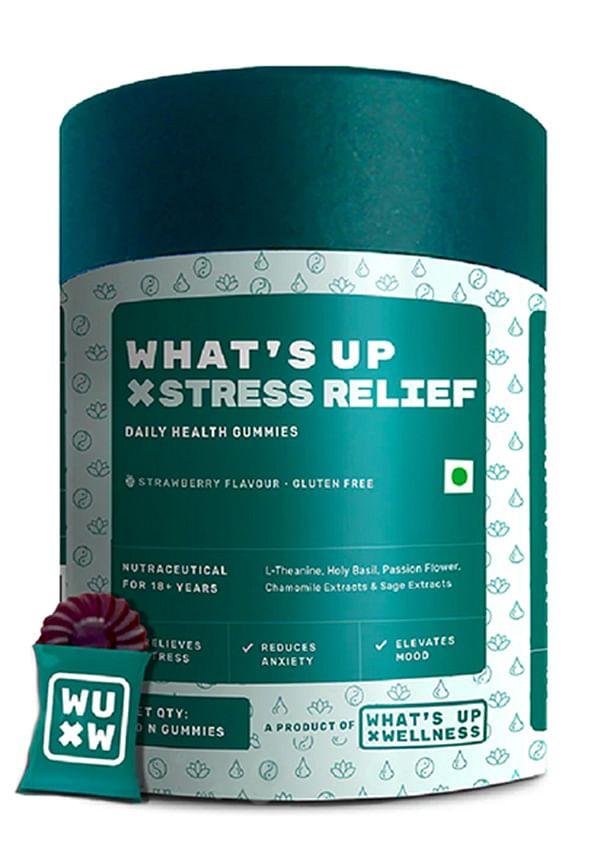
Stress Relief Gummies
Family dynamics can be both a source of stress and support. Effective communication techniques, setting realistic expectations, and creating personal space within relationships are essential. For parents, this often means modelling healthy stress management techniques while managing their own overwhelm.
Deep relaxation techniques go beyond simple rest—they actively counteract stress's effects on your body and mind. These methods help reset your nervous system and build long-term resilience against future stressors. Progressive muscle relaxation involves systematically tensing and releasing different muscle groups, helping you recognise and release physical tension you might not even notice. Start with your toes and work upward, spending 5-10 seconds tensing each muscle group before releasing. Guided imagery and visualisation tap into your brain's ability to create calm through imagination. Picture yourself in a peaceful place—maybe a beach, forest, or cosy room—and engage all your senses in the experience. This technique is particularly effective for anxiety management because it gives your mind something positive to focus on. Mindfulness for stress doesn't require sitting in lotus position for hours. Simple practices like mindful eating, walking meditation, or even mindful dishwashing can reduce stress levels. The goal is bringing full attention to whatever you're doing, rather than letting your mind race ahead to future worries. Yoga combines movement, breath, and mindfulness in one practice. Even gentle stretches can release physical tension while calming mental chatter. Nature therapy—spending time outdoors—naturally reduces cortisol levels and provides perspective on daily stressors.
Sustainable emotional wellness requires more than crisis management—it's about creating systems that support your mental health consistently. Think of it as building your stress resilience muscle rather than just treating symptoms. Creating sustainable routines means finding wellbeing strategies that fit your actual life, not some idealised version. Maybe morning meditation works for you, or perhaps evening journaling suits your schedule better. The best routine is one you'll actually stick to. Nutrition and sleep form the foundation of stress resilience. When you're well-nourished and rested, you naturally handle challenges better. This doesn't mean perfect eating or eight hours of sleep every night—it means being intentional about supporting your body's basic needs. Developing emotional intelligence involves recognising your stress patterns and triggers. Keep a simple stress journal noting what situations, people, or thoughts tend to spike your anxiety. This awareness helps you prepare for or avoid unnecessary stressors. Building your personal stress management toolkit means having multiple strategies ready. Some days you might need vigorous exercise, other days gentle breathing. Having options prevents you from feeling stuck when one approach isn't working. Tracking progress doesn't require complicated apps or detailed logs. Simply notice how you feel week to week. Are you sleeping better? Feeling less reactive? Small improvements compound over time into significant changes in your overall wellbeing strategies. Smytten understands that wellness isn't one-size-fits-all. Just as the platform lets you try different beauty and lifestyle products before committing, finding your ideal stress management approach often requires experimentation. With access to wellness products from trusted brands, you can explore aromatherapy oils, calming teas, or relaxation tools that might become part of your personal stress relief toolkit.
Sometimes self-help strategies aren't enough, and that's completely normal. Recognising when stress has moved beyond what you can manage alone is actually a sign of wisdom, not weakness. Chronic stress that interferes with sleep, relationships, or daily functioning may require professional support. If you're experiencing persistent anxiety management challenges, physical symptoms like headaches or digestive issues, or thoughts of self-harm, it's time to reach out for help. Professional options include counselling, cognitive behavioural therapy, and sometimes medication. Many therapists specialise in stress and anxiety management, offering tools and perspectives you might not discover on your own. The goal isn't replacing your self-care practices but enhancing them with professional guidance. Integrating professional help with personal stress management techniques often provides the most comprehensive approach. A therapist might help you identify thought patterns that increase stress, while you continue practising the breathing techniques and exercise that work for you.
The five core techniques include regular physical activity, mindfulness or meditation practice, deep breathing exercises, effective boundary setting, and maintaining strong social connections. These address both physical and emotional aspects of stress.
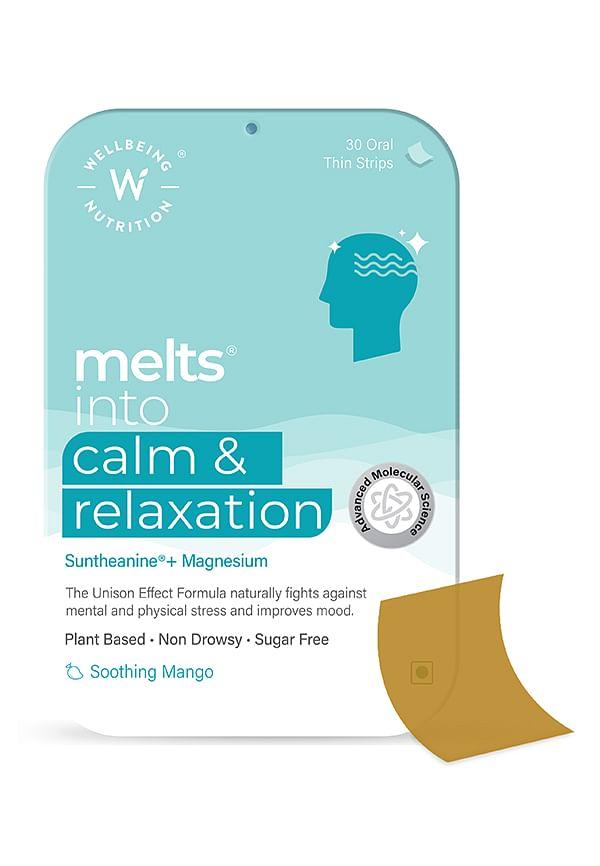
Melts Calm & Relaxation Plant Based Stress & Anxiety Reliever
Some techniques like deep breathing can provide immediate relief within minutes, while others like regular exercise or meditation show benefits after consistent practice over weeks. The key is having both quick relief methods and long-term strategies.
Stress management typically addresses external pressures and your response to them, while anxiety management often focuses on internal worry patterns and anticipatory fears. Many techniques overlap, but anxiety may require more specific cognitive strategies.
Yes, consistent stress management techniques are crucial for burnout prevention. Early intervention with stress relief methods, boundary setting, and self-care practices can prevent the chronic exhaustion that characterises burnout.
The best approach is experimentation. Try different relaxation techniques for a week each and notice what feels natural and effective. Some people respond better to movement-based methods, others to stillness-based practices.
Absolutely. Building effective stress reduction skills is like developing any other ability—it takes practice and patience. Most people notice some immediate benefits but see significant changes after 4-6 weeks of consistent practice.
Mastering stress management isn't about eliminating stress entirely—it's about developing the tools and resilience to navigate life's challenges with greater ease. The most effective approach combines immediate stress relief techniques with long-term wellbeing strategies that support your overall mental health. Remember that finding your ideal stress management approach is a personal journey. What works brilliantly for your friend might not suit your lifestyle or personality, and that's perfectly fine. The key is staying curious and open to trying different techniques until you find your personal toolkit. Just as Smytten believes you should never have to settle when it comes to discovering products that work for you, the same applies to stress management. With over 25 million users trusting Smytten to help them find their perfect matches in beauty and wellness, the platform understands that the right solution is worth the search. Whether you're exploring calming essential oils, stress-relief teas, or wellness products that support your relaxation routine, having the option to try before you fully commit makes building your stress management toolkit both affordable and effective. After all, why settle for 'maybe' when you can try it all and find what truly works for your unique needs?
