Electrolytes for Male Athletes FAQ: Your Questions Answered


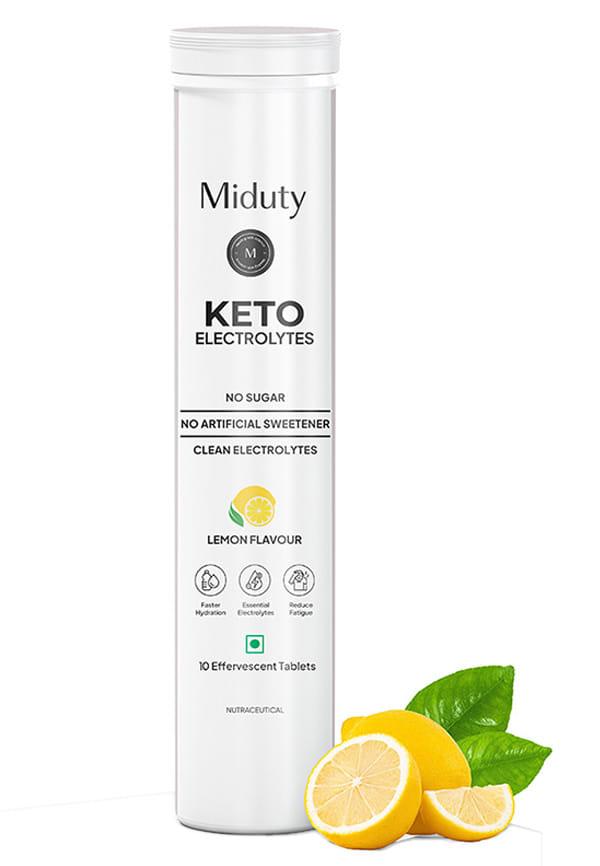
Keto Electrolytes-Hydration-Mineral Balance-Keto Diet-Sugar free-Effervescent
Whether you're smashing personal records at the gym or pushing through that final kilometre of your morning run, your body's electrolyte balance could be the difference between peak performance and hitting the wall. For male athletes, understanding electrolytes isn't just about avoiding cramps—it's about unlocking your body's full potential. From the sodium you lose in sweat to the potassium your muscles desperately need for recovery, getting your electrolyte game right can transform how you train, compete, and recover. With so many sports drinks and supplements available on platforms like Smytten, knowing what actually works for your specific needs as a male athlete has never been more crucial.
Male athletes typically need 500-800mg sodium and 250-350mg potassium per hour during intense exercise due to higher sweat rates
Electrolyte balance affects muscle function, nerve transmission, and overall athletic performance more significantly in men due to higher muscle mass
Proper hydration for male athletes goes beyond water—timing and electrolyte ratios matter for optimal performance and recovery
Warning signs of electrolyte deficiency include muscle cramps, fatigue, and decreased cognitive function during training
Natural food sources combined with strategic supplementation often work better than relying solely on commercial sports drinks
Think of electrolytes as your body's electrical system—they're minerals that carry an electric charge and keep everything running smoothly. The main players include sodium, potassium, magnesium, calcium, and chloride, and they're absolutely essential for muscle contractions, nerve signals, and maintaining proper fluid balance.
For male athletes, the stakes are even higher. Men typically have greater muscle mass than women, which means more tissue that needs proper electrolyte balance to function optimally. Your muscles are basically electrical machines, and without the right electrolyte levels, they can't contract efficiently or recover properly.
Here's where it gets interesting—male athletes have some unique considerations when it comes to electrolyte balance for men. Higher testosterone levels contribute to increased muscle mass, which directly impacts how much sodium and potassium your body needs. Plus, men generally have higher sweat rates during exercise, sometimes losing 1.5-3 litres per hour during intense training.
When your electrolytes are dialled in, muscle function and electrolytes work together like a well-oiled machine. Proper sodium levels help maintain blood volume, while potassium ensures your muscles can contract and relax efficiently. Magnesium supports energy production, and calcium is crucial for muscle contractions. Miss the mark on any of these, and your performance takes a hit.
Let's get real about what your body actually needs. The standard recommendations you see on most sports drink labels? They're often based on average populations, not specifically designed for male athletes who are pushing their bodies to the limit.
Male-specific electrolyte requirements differ significantly from general recommendations. Research shows that men typically need higher sodium intake during exercise—around 500-800mg per hour compared to the 300-500mg often recommended for general populations.
Your higher testosterone levels aren't just about building muscle—they also influence how your body processes and retains electrolytes. More muscle mass means more intracellular fluid, which requires more potassium to maintain proper balance.
If you're over 30, your electrolyte needs might be shifting. Kidney function naturally declines with age, affecting how efficiently you retain sodium and excrete excess potassium. This doesn't mean you need to panic, but it does mean paying closer attention to your sodium and potassium for male athletes intake becomes more important.
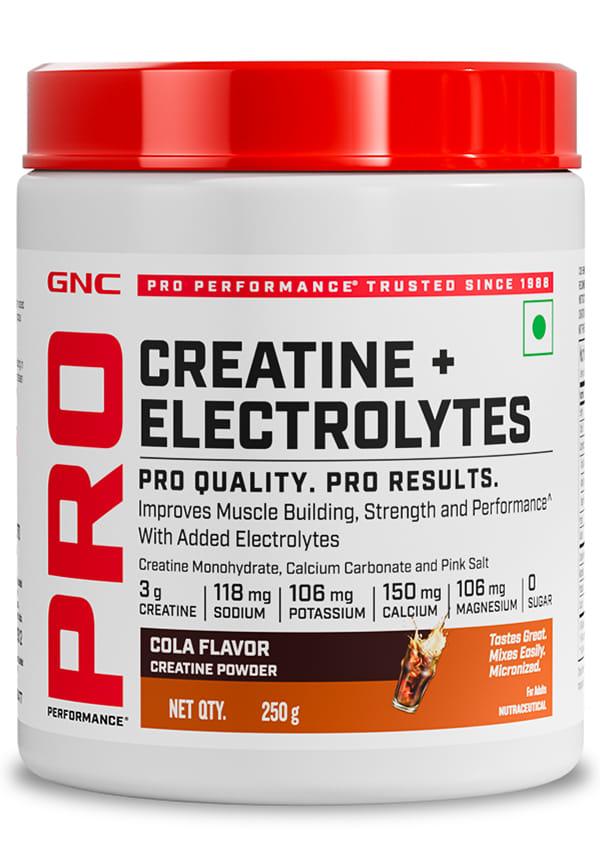
Pro Performance Creatine+ Electrolytes, Cola
Water alone won't cut it when you're serious about performance. Proper hydration for male athletes involves a strategic approach that considers timing, electrolyte content, and your individual sweat rate.
The old "drink when you're thirsty" advice? Completely outdated for athletes. By the time you feel thirsty, you're already behind on hydration, and your performance is likely starting to suffer.
Start hydrating 2-3 hours before your workout with 500-600ml of fluid. About 20-30 minutes before exercise, have another 200-300ml. This gives your kidneys time to process excess fluid while ensuring you start properly hydrated.
For sessions longer than 60 minutes, aim for 150-250ml every 15-20 minutes. This isn't just water—you need electrolytes too. Sports nutrition for men should include 500-800mg sodium per hour during intense exercise.
Here's a practical tip: 10 gulps of fluid equals roughly 200ml. Use this to gauge your intake during training when measuring becomes tricky.
Your post-workout window is crucial for recovery, and replenishing electrolytes after exercise should be a top priority. The first 30 minutes after training are when your body is most receptive to replacing what you've lost.
Don't just focus on replacing fluids—you need to restore electrolyte balance too. For every kilogram of body weight lost during exercise, you need about 1.5 litres of fluid plus electrolytes to fully rehydrate.
Post-workout electrolyte replacement should include sodium (300-500mg), potassium (200-300mg), and magnesium (50-75mg). Combining these with protein and carbohydrates enhances absorption and supports muscle recovery.
Here's something many athletes miss—proper electrolyte balance directly affects sleep quality. Magnesium deficiency can lead to restless sleep, while proper sodium levels help maintain blood pressure regulation during rest.
Not all electrolyte drinks for athletes are created equal, and the marketing hype doesn't always match the science. Let's break down what actually works versus what's just clever packaging.
Natural food sources often provide better bioavailability than synthetic supplements. Bananas for potassium, sea salt for sodium, and dark leafy greens for magnesium can be incredibly effective when timed right.
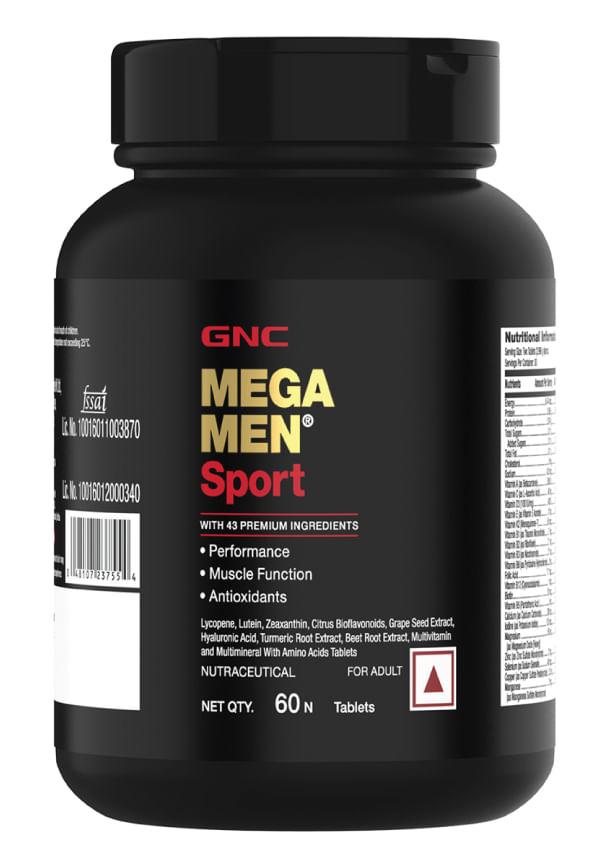
Mega Men Sport Multivitamin - Supports Muscle Performance & Recovery
A simple homemade electrolyte drink: 500ml water, 1/4 teaspoon sea salt, 2 tablespoons lemon juice, and 1 tablespoon honey. This gives you roughly 300mg sodium and natural sugars for energy.
Powders generally offer better value and customisation options. Tablets are convenient for travel but may take longer to absorb. Ready-to-drink options are convenient but often overpriced for what you're getting.
Look for products with at least 200mg sodium per serving and avoid anything with excessive sugar (over 8g per 100ml). Many products available on Smytten offer transparent labelling that makes comparison easier.
Recognising electrolyte deficiency symptoms men experience can be the difference between a great training session and a dangerous one. Your body gives you warning signs—you just need to know what to look for.
Early symptoms include muscle twitches, mild fatigue, and decreased motivation during workouts. These might seem minor, but they're your body's way of saying the electrical system isn't running optimally.
Muscle cramps aren't just about dehydration—they're often a sign of sodium or potassium imbalance. If you're cramping regularly during or after exercise, your electrolyte strategy needs adjustment.
Brain fog, poor decision-making during competition, and difficulty concentrating can all stem from electrolyte imbalances. Your brain needs proper sodium levels to maintain blood flow and optimal function.
Severe symptoms like persistent vomiting, confusion, or irregular heartbeat require immediate medical attention. These could indicate dangerous electrolyte imbalances that need professional treatment.
Sodium tops the list at 500-800mg per hour during exercise, followed by potassium at 250-350mg per hour. Magnesium (75-100mg) becomes crucial for recovery, while calcium supports muscle contractions. Individual needs vary based on sweat rate, exercise intensity, and environmental conditions.
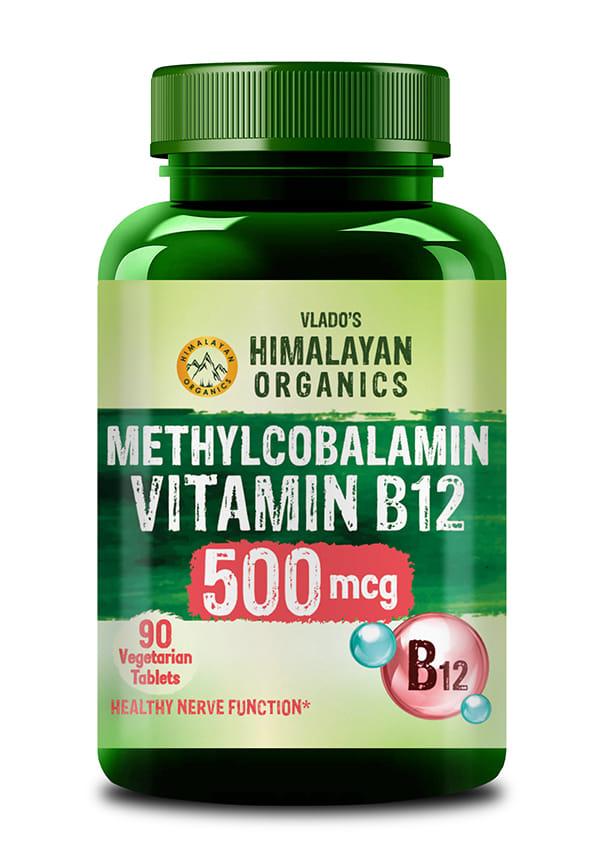
Vitamin B12 Supplements 500 mcg - Methylcobalamin B12 Vitamin Tablets for Men & Women
Daily electrolyte supplementation can be beneficial for active individuals, but moderation is key. Stick to 200-400mg sodium per day from supplements if you're training regularly. Your regular diet should provide most electrolytes on rest days. Products available on Smytten often offer balanced daily formulations that won't overload your system.
Upper limits include 2,300mg sodium, 4,700mg potassium, and 400mg magnesium from all sources. Signs of excess include bloating, high blood pressure, or digestive issues. If you have kidney problems, consult a healthcare provider before increasing electrolyte intake significantly.
Environmental factors dramatically affect needs—heat and humidity can double your requirements. Exercise duration matters too: sessions under 60 minutes might only need water, while longer sessions require electrolyte replacement. Individual sweat testing can provide personalised guidelines for optimal hydration strategies.
Training phase determines daily needs. During intense training blocks, daily supplementation supports recovery and performance. Off-season might only require electrolytes on workout days. Competition periods often benefit from consistent daily intake to maintain optimal balance.
Monitor your energy levels, muscle function, and recovery quality. Persistent fatigue, frequent cramping, or poor sleep quality might indicate imbalance. Sweat stains on clothing (white residue) suggest high sodium loss. Consider professional testing if symptoms persist despite dietary adjustments.
Endurance athletes have unique needs that go beyond standard recommendations. Marathon runners, cyclists, and triathletes lose significantly more electrolytes and need sustained replacement strategies.
For best electrolytes for endurance sports, focus on sustained-release formulations that provide steady electrolyte delivery over hours rather than quick spikes. Sodium becomes even more critical—aim for the higher end of recommendations (700-800mg per hour) during ultra-endurance events.
Events lasting over 4 hours require careful electrolyte periodisation. Alternate between different electrolyte sources to prevent flavour fatigue and ensure comprehensive mineral replacement. Consider adding extra magnesium for events over 6 hours.
Getting your electrolyte strategy right as a male athlete isn't just about preventing cramps—it's about optimising every aspect of your performance and recovery. Your higher muscle mass and sweat rates mean you need more than the average recommendations, particularly for sodium and potassium. Focus on timing your intake properly: pre-exercise preparation, during-exercise maintenance, and post-exercise recovery all require different approaches.
Don't rely solely on commercial sports drinks. Natural food sources combined with strategic supplementation often provide better results and value. Pay attention to your body's signals—muscle cramps, fatigue, and poor recovery are often early warning signs that your electrolyte balance needs adjustment. Remember that benefits of electrolytes for performance extend beyond just physical output to include cognitive function, sleep quality, and long-term health.
Mastering electrolyte balance is a game-changer for serious male athletes, but finding the right products and strategies can feel overwhelming. Smytten makes this journey easier by offering trial packs from trusted wellness and sports nutrition brands, letting you test different electrolyte supplements before committing to full-size purchases. With over 1,500 brands available on Smytten and 100% cashback on trials, you can explore various electrolyte solutions to find what works best for your training needs. Whether you're looking for natural electrolyte powders, convenient tablets, or comprehensive recovery formulations, Smytten's curated selection helps you make informed choices. After all, why settle for guessing when you can try before you buy and discover the perfect electrolyte strategy for your athletic goals?
