Effective Stress Relief Techniques FAQ: Your Questions Answered


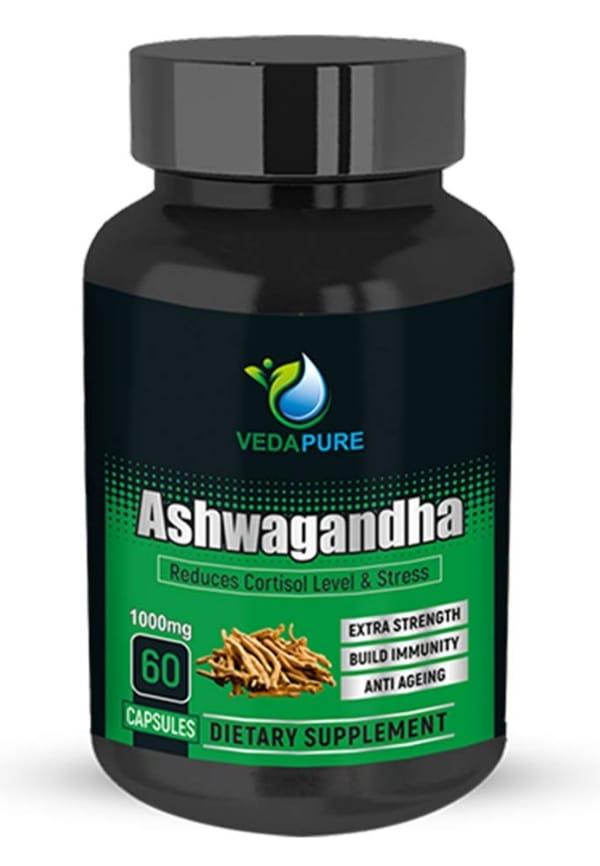
Ashwagandha Anxiety & Stress Relief
Let's be real—stress is basically the uninvited guest that shows up to every life event, from work deadlines to family drama. Whether you're dealing with daily pressures or feeling completely overwhelmed, finding effective stress relief techniques that actually work can feel like searching for a needle in a haystack. The good news? You don't need to become a meditation guru overnight or completely overhaul your life. Sometimes the simplest methods are the most powerful, and with platforms like Smytten offering wellness products to support your stress management journey, you've got more options than ever to find what works for your unique situation.
TL;DR
Quick stress relief techniques like the 3-3-3 rule and box breathing can reduce stress in under 10 minutes
Long-term stress management requires a combination of physical activity, proper sleep, and social support
Mindfulness practices and relaxation exercises help rewire your brain's response to stress
Lifestyle changes in nutrition and time management create sustainable stress reduction
Building a personalised stress relief toolkit ensures you're prepared for any situation
When stress hits hard and fast, you need techniques that work immediately. These rapid-response methods are your emergency toolkit for those moments when anxiety feels overwhelming and you need to regain control quickly.
This grounding technique is brilliant because it's so simple you can use it anywhere—during a stressful meeting, on public transport, or even in the middle of a family argument. Here's how it works: name three things you can see, three sounds you can hear, and move three parts of your body. This sensory grounding method pulls your mind away from anxious thoughts and anchors you firmly in the present moment. The beauty of this technique lies in its accessibility—no special equipment, no quiet space required, just your awareness and a few seconds of intentional focus.
Your breath is literally your built-in stress relief system, and box breathing is one of the most effective ways to activate your body's relaxation response. Breathe in for 4 counts, hold for 7, then exhale for 8. This pattern slows your heart rate and signals to your nervous system that it's safe to relax. The extended exhale is particularly powerful because it activates your parasympathetic nervous system—your body's natural "rest and digest" mode.
Physical tension and mental stress go hand in hand, which is why progressive muscle relaxation works so well for immediate relief. Start with your toes, tense the muscles for 5 seconds, then release. Work your way up through your calves, thighs, abdomen, shoulders, and face. This technique not only releases physical tension but also helps you become more aware of where you hold stress in your body.
While quick fixes are essential for crisis moments, building long-term resilience requires consistent habits that support your mental wellness strategies. These approaches focus on creating a foundation that makes you naturally more resistant to stress.
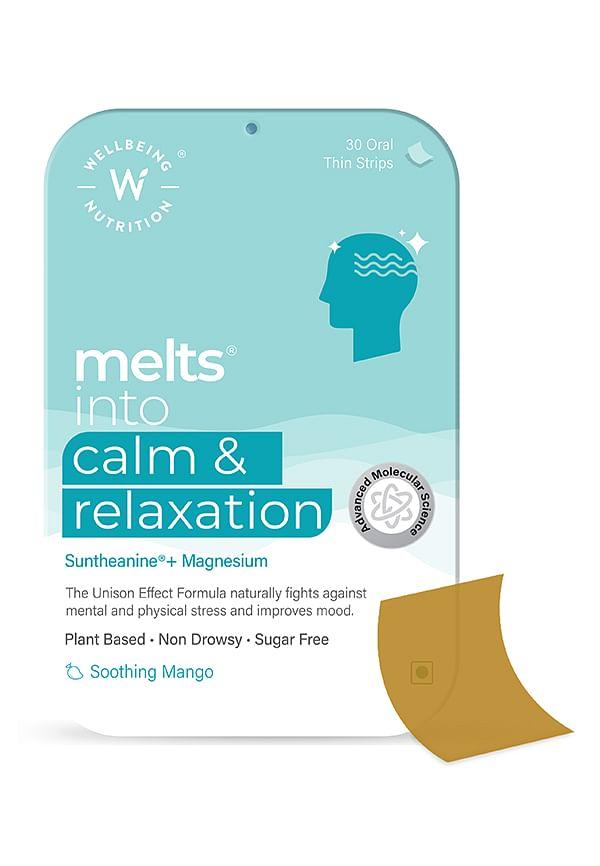
Melts Calm & Relaxation Plant Based Stress & Anxiety Reliever
Exercise isn't just about physical fitness—it's one of the most powerful anxiety reduction methods available. Just 20 minutes of moderate aerobic activity can reduce cortisol levels and flood your system with feel-good endorphins. You don't need to become a gym enthusiast; even a brisk walk around your neighbourhood or dancing to your favourite playlist counts. Mind-body practices like yoga and tai chi offer the added benefit of combining movement with mindfulness, giving you double the stress-busting power.
Poor sleep and high stress create a vicious cycle—stress keeps you awake, and lack of sleep makes you more vulnerable to stress. Creating a screen-free hour before bedtime and optimising your sleep environment with cool temperatures and minimal light can dramatically improve your stress resilience. Quality sleep literally resets your stress response system, making you better equipped to handle whatever tomorrow throws your way.
Humans are wired for connection, and isolation amplifies stress. Building and maintaining supportive relationships isn't just nice to have—it's essential for mental health. Whether it's venting to a trusted friend, joining a support group, or seeking professional help when needed, having people in your corner makes stress feel more manageable. Sometimes just knowing someone understands what you're going through can be incredibly calming.
Mindfulness isn't about emptying your mind or achieving some zen-like state of perfection. It's about changing your relationship with stress by observing your thoughts and feelings without getting swept away by them. These practices help create space between you and your stressful thoughts.
Your brain can't always tell the difference between what's real and what's vividly imagined, which makes guided imagery incredibly powerful for stress relief. Close your eyes and mentally transport yourself to a place where you feel completely safe and relaxed—maybe a beach, a forest, or even your childhood bedroom. Engage all your senses: what do you see, hear, smell, feel, even taste? This mental vacation gives your nervous system a break from stress and can be done anywhere in just a few minutes.
Meditation doesn't require sitting cross-legged for hours or achieving perfect silence. Start with just 5 minutes of focused breathing or use guided meditation apps that walk you through the process. Mindfulness-based cognitive therapy (MBCT) combines meditation with cognitive techniques to help you recognise and interrupt negative thought patterns before they spiral into full-blown stress responses. The key is consistency rather than duration—5 minutes daily beats an hour once a week.
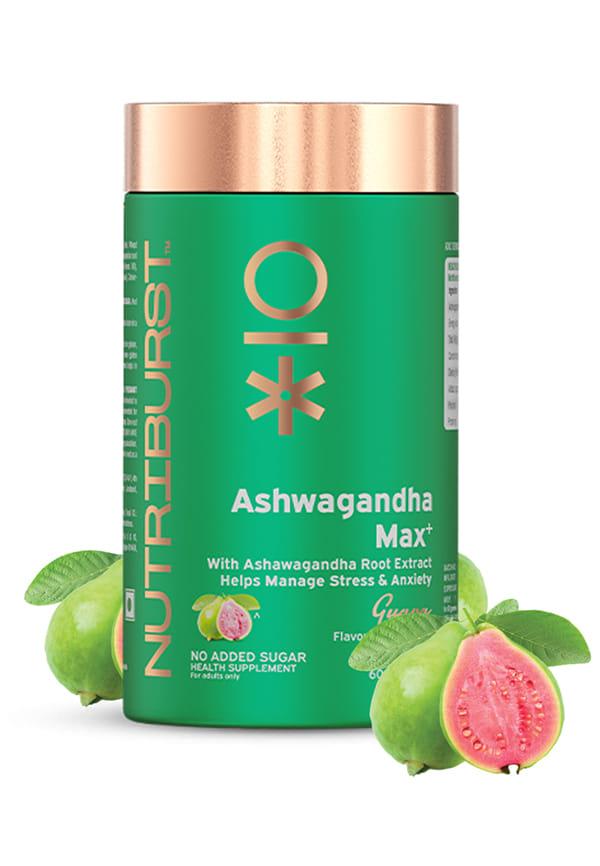
Ashwagandha Max Gummies for Stress Management
Sometimes the most effective stress relief comes from tweaking your daily routines rather than adding new practices. These lifestyle adjustments work behind the scenes to reduce your overall stress load and improve your coping with daily stress.
What you eat directly affects how your body handles stress. Foods rich in omega-3 fatty acids, magnesium, and B vitamins can naturally reduce stress hormones, while excessive caffeine and sugar can send your anxiety levels soaring. Maintaining stable blood sugar through regular, balanced meals prevents the energy crashes that make everything feel more stressful. Think of nutrition as fuel for your stress resilience—the better the fuel, the smoother you'll run under pressure.
Feeling overwhelmed often stems from trying to do too much with too little time. Learning to prioritise ruthlessly and set boundaries isn't selfish—it's essential for maintaining your mental health. The "work smarter, not harder" principle applies here: focus on what truly matters and let go of perfectionism in areas that don't. Sometimes the most productive thing you can do is say no to commitments that don't align with your priorities.
When regular stress tips into burnout territory, you need more intensive strategies. Recognising the difference between everyday stress and chronic burnout is crucial for choosing the right approach to recovery.
Burnout isn't just feeling tired after a busy week—it's a state of physical, emotional, and mental exhaustion that doesn't improve with rest. Warning signs include feeling cynical about work or relationships, experiencing physical symptoms like headaches or digestive issues, and losing interest in activities you once enjoyed. If stress feels constant and unrelenting despite your best efforts, it might be time to seek professional support rather than trying to push through on your own.
Your thoughts about stress often create more suffering than the actual stressful situation. Cognitive restructuring involves catching negative thought patterns and challenging them with more balanced perspectives. Instead of "I can't handle this," try "This is challenging, but I've handled difficult things before." This isn't about positive thinking—it's about realistic thinking that doesn't amplify stress unnecessarily. Building this mental flexibility takes practice but creates lasting resilience.
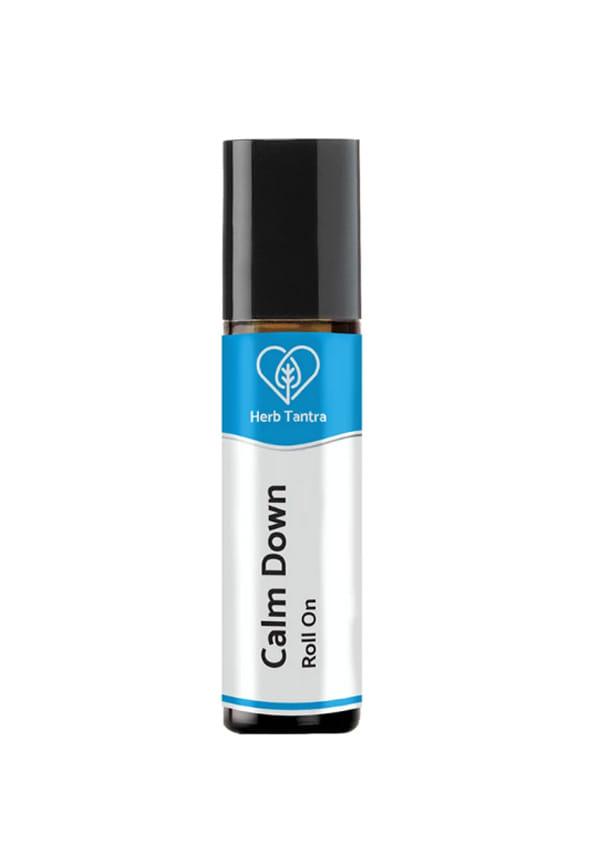
Calm Down Anxiety Relief Roll-On
Based on research, the top five techniques are: deep breathing exercises, regular physical activity, mindfulness meditation, adequate sleep, and social support. The key is finding which combination works best for your lifestyle and personality. What works brilliantly for your friend might not suit you, so experiment to build your personal toolkit.
The busiest people often need stress relief the most. Try micro-practices: 30-second breathing exercises between meetings, walking meetings instead of sitting ones, or listening to calming music during your commute. Even tiny moments of intentional relaxation add up over time.
For immediate relief, try the 3-3-3 grounding technique or box breathing. Both can be done anywhere and work within minutes. Cold water on your wrists or face can also trigger an instant calming response by activating your vagus nerve.
Warning signs include persistent sleep problems, frequent illness, relationship conflicts, difficulty concentrating, and physical symptoms like headaches or digestive issues. If stress interferes with your daily functioning for more than a few weeks, consider speaking with a healthcare professional. You can also explore wellness products available on Smytten that support stress management and overall well-being.
Absolutely! Aromatherapy oils, herbal teas, stress-relief supplements, and relaxation aids can complement your stress management techniques. The key is finding what works for your specific needs and preferences through trial and experimentation.
Effective stress relief isn't about finding one perfect technique—it's about building a comprehensive toolkit that addresses both immediate crises and long-term resilience. Quick methods like the 3-3-3 rule and box breathing provide instant relief, while lifestyle changes in sleep, nutrition, and exercise create lasting protection against stress. Mindfulness practices help you change your relationship with stressful thoughts, and social connections provide essential emotional support. Remember that managing stress is a skill that improves with practice, not a destination you reach once and stay at forever.
Your journey to better stress management is deeply personal, and what works might evolve as your life changes. That's where platforms like Smytten become invaluable—offering curated trial packs from over 1,500 trusted wellness brands, you can explore stress-relief products without committing to full-size purchases. Whether it's aromatherapy oils, herbal supplements, or relaxation aids, Smytten's trial before you buy approach lets you discover what genuinely supports your mental wellness. With 100% cashback on trials and PAN-India delivery, building your stress management toolkit has never been more accessible. After all, why settle for maybe when you can try it all and find what truly works for your unique stress relief needs?
