Daily Water Intake Guide FAQ: Hydration Questions Answered
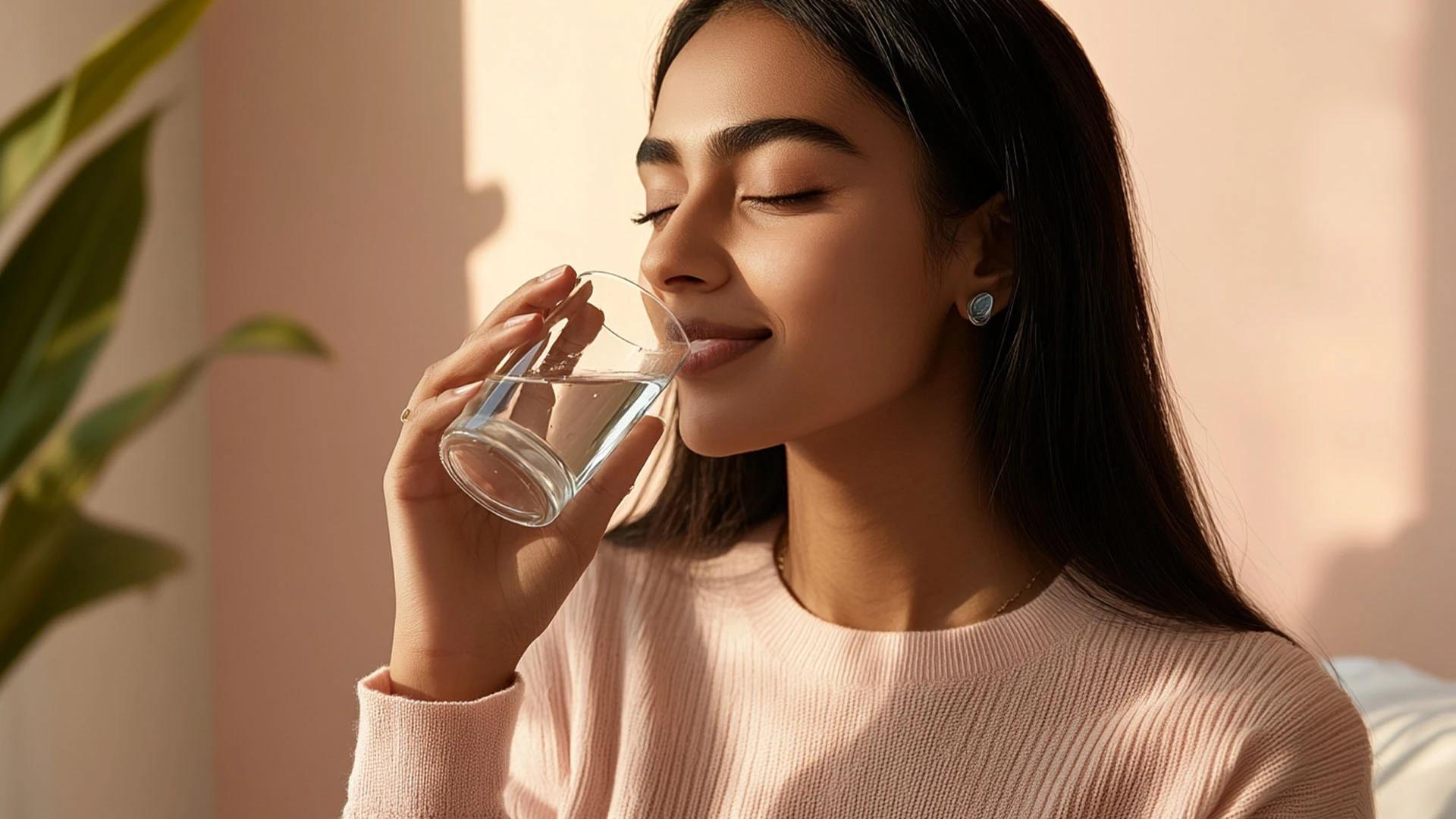

Optimal Hydration Daily Cream
Water is literally life, but figuring out exactly how much to drink daily can feel like solving a puzzle. Between conflicting advice online, varying recommendations from health experts, and your own body's unique needs, creating a proper daily water intake guide that actually works for you isn't always straightforward. Whether you're dealing with afternoon brain fog, wondering if those headaches are dehydration-related, or simply want to optimise your wellness routine, understanding your hydration needs is crucial. From calculating your personal water requirements to recognising dehydration symptoms and exploring the genuine benefits of drinking water, this comprehensive guide answers your most pressing hydration questions. Plus, with wellness brands on Smytten offering everything from electrolyte supplements to hydration-boosting products, you can trial different approaches to find what works best for your lifestyle.
Most adults need 2.7-3.7 litres of water daily, but individual needs vary based on weight, activity, and climate
Proper hydration supports brain function, reduces cortisol levels, aids digestion, and maintains healthy skin
Early dehydration symptoms include thirst, fatigue, headaches, and decreased urine output
Drinking too much water (over 4 litres quickly) can be dangerous and cause water intoxication
The best approach is spreading water intake throughout the day rather than chugging large amounts at once
The age-old question of daily water intake doesn't have a one-size-fits-all answer, but science gives us solid starting points. Your body's hydration needs depend on multiple factors, from your weight and activity level to the climate you live in.
According to health authorities, men typically need about 15.5 cups (3.7 litres) of fluids daily, while women need around 11.5 cups (2.7 litres). These figures include water from all beverages and food—yes, your morning tea and that juicy orange count towards your daily tally.
For children and teens, the requirements are lower but still significant. Kids aged 4-8 need about 6 cups daily, while teenagers require 8-11 cups depending on their gender and activity level. Pregnant and breastfeeding women need additional fluids—about 13 cups during pregnancy and 16 cups while breastfeeding.
Want a more personalised approach? Try the body weight calculation: divide your weight in kilograms by 30 to get your baseline water needs in litres. So if you weigh 60kg, you'd need about 2 litres as a starting point.
But here's where it gets interesting—you'll need to adjust this based on your lifestyle. Add an extra 350-500ml for every hour of exercise, increase intake during hot weather, and bump it up if you're ill or consuming caffeine or alcohol.
Proper hydration isn't just about quenching thirst—it's about optimising every system in your body. The benefits of drinking water extend far beyond basic survival, touching everything from your brain function to your skin health.
Water acts as your body's internal transport system, carrying nutrients to cells and flushing out waste products. It keeps your joints lubricated, which is why dehydration can make you feel stiff and achy.
Your kidneys particularly love adequate hydration—they filter about 180 litres of blood daily, and proper water intake helps them do this job efficiently. Plus, staying hydrated supports healthy digestion and can prevent constipation.
Optimal Hydration Body Lotion
Here's something fascinating: your brain is about 75% water, so even mild dehydration can impact cognitive function. Studies show that losing just 2% of your body's water can lead to decreased concentration, increased anxiety, and that dreaded brain fog.
Proper hydration also helps regulate stress hormones like cortisol. When you're dehydrated, your body perceives it as stress, potentially elevating cortisol levels and affecting your mood and energy.
The importance of hydration extends to your skin health too. Well-hydrated skin appears plumper and more radiant, while chronic dehydration can contribute to premature ageing and dullness.
Regular adequate water intake also supports your immune system, helps maintain healthy blood pressure, and may even aid in weight management by supporting metabolism and reducing false hunger signals.
Staying hydrated doesn't have to feel like a chore. With the right strategies, you can make proper hydration a natural part of your routine without constantly thinking about it.
Start your day with a large glass of water before your morning coffee or tea. Your body naturally dehydrates overnight, so this helps replenish what you've lost and kickstarts your metabolism.
Keep a water bottle at your desk and set hourly reminders to take a few sips. If plain water feels boring, try infusing it with cucumber, lemon, or mint for natural flavour without added sugars.
Pre-hydrate before workouts and sip regularly during exercise rather than waiting until you feel thirsty. Post-workout, aim to drink 150% of the fluid you lost through sweat to fully rehydrate.
Taper your water intake 2-3 hours before bed to avoid disrupting sleep with bathroom trips, but don't stop drinking entirely. A small glass of water with dinner is usually perfect.
Your body sends clear signals when it needs more water, but many people miss these early warning signs or mistake them for other issues.
Optimal Hydration Body Spray Moisturizer
Thirst is actually a late indicator of dehydration—by the time you feel thirsty, you're already mildly dehydrated. Earlier signs include fatigue, headaches, and decreased urine output.
Check your urine colour as a hydration indicator. Pale yellow is ideal, while dark yellow or amber suggests you need more fluids. Dry mouth, dizziness when standing, and difficulty concentrating are also common early symptoms.
Severe dehydration requires immediate attention and includes symptoms like rapid heartbeat, sunken eyes, extreme fatigue, and confusion. If you experience these, seek medical help immediately.
Elderly adults have a decreased sense of thirst and may not recognise dehydration symptoms quickly. Athletes lose significant fluids through sweat and need careful monitoring, especially in hot climates.
People living in hot, humid climates or at high altitudes also have increased hydration needs due to environmental factors that accelerate fluid loss.
While dehydration gets most of the attention, drinking too much water can also be problematic. Understanding safe limits helps you stay properly hydrated without overdoing it.
Drinking more than 4 litres of water in a short timeframe can lead to water intoxication or hyponatremia, where your blood sodium levels become dangerously diluted. This is rare but serious.
Symptoms include nausea, headache, confusion, and in severe cases, seizures. Your kidneys can only process about 0.8-1 litre per hour, so spacing out your intake is crucial.
Rather than chugging large amounts at once, aim for consistent sipping throughout the day. This allows your body to absorb and utilise the water effectively rather than simply flushing it out.
Your optimal water intake depends on factors like kidney function, heart health, and certain medications. If you have medical conditions or take medications that affect fluid balance, consult your healthcare provider for personalised guidance.
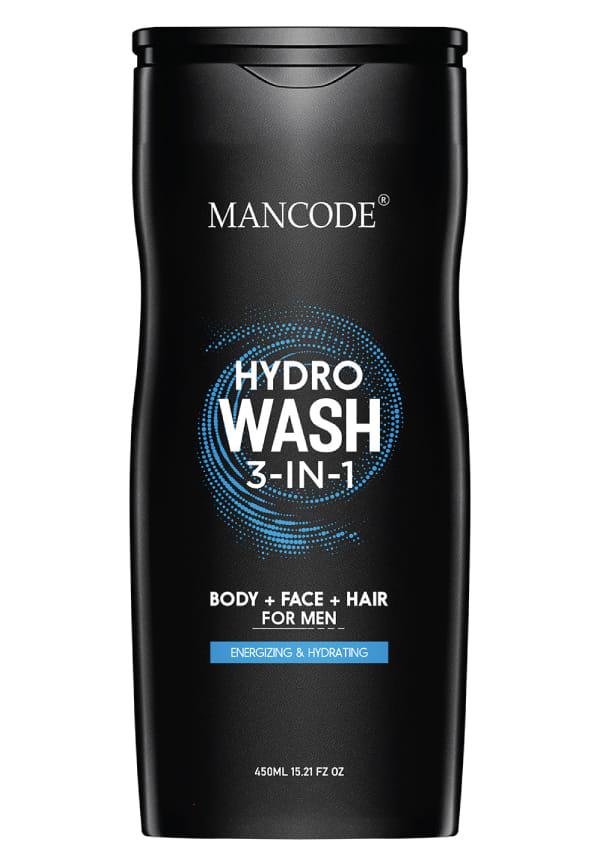
3 in 1 Hydro Body Wash For Men
For many people, 2 litres is a good baseline, but it might not be sufficient if you're active, live in a hot climate, or have a larger body size. Use the body weight calculation method and adjust based on your lifestyle factors for a more personalised approach.
Four litres can be safe if spread throughout the day and you're very active or live in a hot climate. However, drinking this amount quickly or without electrolyte balance can be dangerous. Monitor your body's response and consult a healthcare provider if you have concerns.
Even mild dehydration can impair cognitive function, memory, and concentration. Water helps maintain proper blood flow to the brain and supports neurotransmitter production. Many people notice clearer thinking within 15-30 minutes of rehydrating properly.
Yes, dehydration is a physical stressor that can elevate cortisol levels. Maintaining proper hydration helps your body manage stress more effectively and may contribute to lower baseline cortisol levels, though hydration alone isn't a complete stress management solution.
Aim for consistent intake rather than large amounts at once. Start with a glass upon waking, sip regularly throughout the morning and afternoon, and taper off 2-3 hours before bed. Listen to your body's thirst cues and adjust based on activity and climate.
Use a marked water bottle, smartphone apps, or simply keep a tally. Many people find success with the "rubber band method"—moving bands from one wrist to another with each glass consumed. Find what works for your lifestyle and stick with it. You can also explore hydration-supporting products available on Smytten to complement your water intake routine.
Creating an effective daily water intake guide starts with understanding your individual needs rather than following generic recommendations. Most adults need 2.7-3.7 litres daily, but your optimal amount depends on your weight, activity level, climate, and overall health. The benefits of proper hydration extend far beyond basic survival—from supporting brain function and managing stress hormones to maintaining healthy skin and digestion.
Pay attention to early dehydration symptoms like fatigue and headaches, but also be mindful not to overdo it. Spreading your water intake throughout the day is more effective than drinking large amounts at once. Remember that staying hydrated is about consistency, not perfection, and small adjustments to your routine can make a significant difference in how you feel daily.
Proper hydration forms the foundation of good wellness, but it's just one piece of your overall health puzzle. Whether you're looking to optimise your daily routine, address specific health concerns, or simply feel your best, the right approach often involves trying different strategies to see what works for your unique lifestyle. Smytten is India's largest product discovery and trial platform, connecting consumers with top lifestyle, beauty, wellness, and grooming brands through curated trial packs from over 1,500 trusted brands. With authentic brand-verified minis available for trial, you can explore hydration-supporting supplements, electrolyte products, and wellness solutions before committing to full-size purchases. The platform's 100% cashback on trials makes it easy to discover what truly supports your hydration goals, because why settle for 'maybe' when you can #TryItAll!
