Daily Stress Relief Yoga FAQ: Your Questions Answered
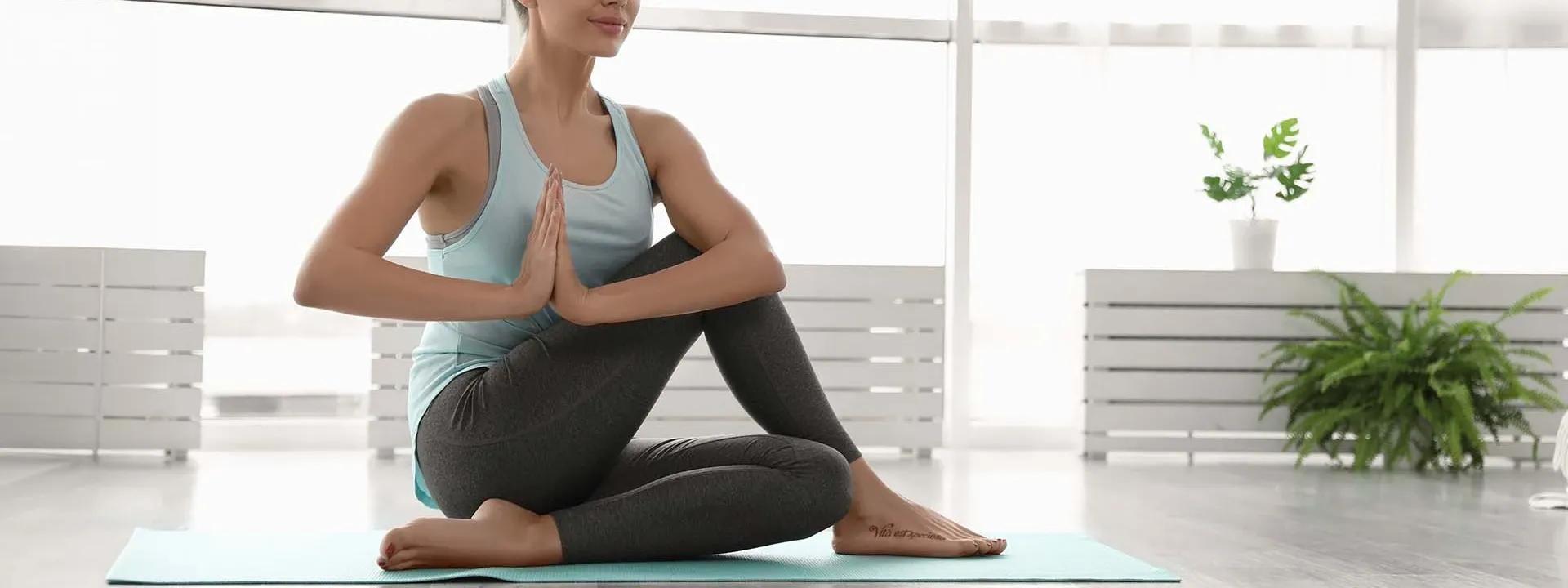

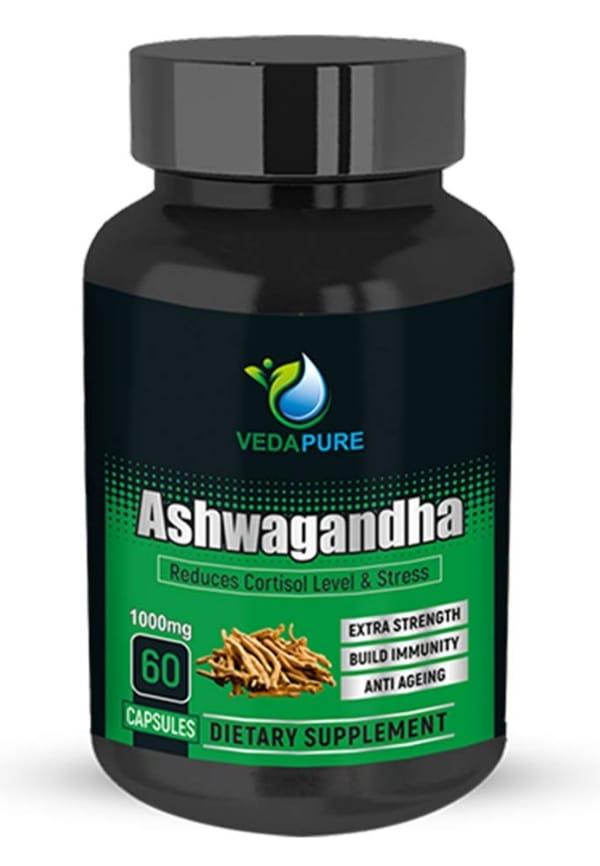
Ashwagandha Anxiety & Stress Relief
Let's be real—stress has become that uninvited guest who's overstayed their welcome in all our lives. Between work deadlines, social commitments, and the general chaos of modern living, finding moments of calm feels like searching for a needle in a haystack. That's where daily stress relief yoga steps in as your gentle yet powerful ally. Unlike intense workout routines that might leave you more drained, yoga offers a mindful approach to unwinding both body and mind. Whether you're completely new to the mat or looking to deepen your practice, this comprehensive FAQ guide answers all your burning questions about incorporating stress-busting yoga into your daily routine. From gentle poses that melt away tension to breathing exercises that calm your nervous system, we'll explore how this ancient practice can become your modern-day stress management toolkit. Plus, with platforms like Smytten making wellness products more accessible through trial packs, building a supportive self-care routine has never been easier.
TL;DR
Daily stress relief yoga combines gentle poses, breathing exercises, and mindfulness to effectively manage stress and anxiety
Restorative yoga, Hatha yoga, and Yin yoga are the most effective styles for stress relief, especially for beginners
A consistent 10-15 minute daily practice can show stress relief benefits within 2-3 weeks
Essential poses like Child's Pose, Cat-Cow, and Legs-Up-the-Wall provide immediate calming effects
Combining yoga with proper breathing techniques and mindfulness meditation amplifies stress management results
Not all yoga styles are created equal when it comes to stress management. While power yoga might leave you feeling energised, it's not necessarily your best bet for unwinding after a hectic day. The key is choosing styles that activate your parasympathetic nervous system—basically, your body's natural "rest and digest" mode.
Restorative yoga tops the list for stress relief. This practice uses props like bolsters and blankets to support your body in passive poses, allowing deep relaxation without effort. Think of it as giving your nervous system permission to completely switch off.
Hatha yoga offers slow, deliberate movements perfect for beginners. Each pose is held for several breaths, giving you time to focus inward and release physical tension. The predictable pace helps calm an anxious mind that's used to racing thoughts.
Yin yoga involves holding poses for 3-5 minutes, primarily targeting connective tissues. This extended time in each position allows your nervous system to gradually downshift from stress mode to relaxation mode.
These foundational poses form the backbone of any effective stress relief practice. Each one targets different aspects of stress—from physical tension to mental overwhelm. The beauty lies in their simplicity; you don't need years of experience to feel their benefits.
Start with these five poses and notice how your body responds. Some might feel more natural than others, and that's perfectly normal.
Child's Pose creates an immediate sense of safety and grounding. Kneel on your mat, touch your big toes together, and sit back on your heels. Fold forward, extending your arms in front or resting them alongside your body. This pose activates your vagus nerve, which signals your body to relax.
Cat-Cow combines gentle spinal movement with rhythmic breathing. Start on hands and knees, then alternate between arching your back (cow) and rounding it (cat). This flowing movement releases tension in your spine whilst connecting you to your breath.
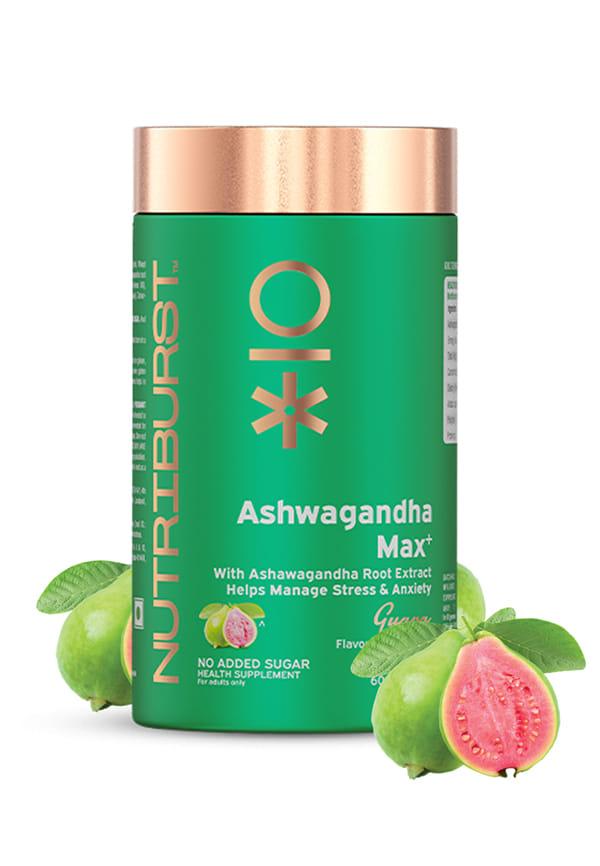
Ashwagandha Max Gummies for Stress Management
Standing Forward Fold encourages blood flow to your brain whilst creating a sense of introspection. Stand with feet hip-width apart, then fold forward from your hips. Let your arms hang heavy or hold opposite elbows for a gentle sway.
Legs-Up-the-Wall is perhaps the most accessible inversion for stress relief. Lie on your back near a wall and extend your legs up against it. This pose helps shift blood flow, reduces swelling, and signals deep relaxation to your nervous system.
Your breath is your most powerful tool for immediate stress relief. Unlike other stress management techniques that might take time to show results, conscious breathing can shift your nervous system within minutes. These breathing exercises for stress work by activating your body's relaxation response.
The magic happens when you combine these techniques with your yoga practice, creating a synergistic effect that amplifies stress relief benefits.
The 4-7-8 technique works like a natural tranquiliser. Inhale for 4 counts, hold for 7, then exhale for 8. This pattern forces your nervous system to slow down and can help manage acute stress or anxiety moments.
Diaphragmatic breathing teaches you to breathe deeply into your belly rather than shallow chest breathing. Place one hand on your chest, another on your belly. Focus on making the bottom hand rise whilst keeping the top hand relatively still.
Box breathing creates equal counts for inhaling, holding, exhaling, and holding empty. Try 4 counts for each phase, visualising drawing a square with your breath. This technique helps improve focus whilst calming your mind.
Building a consistent at-home yoga practice doesn't require a fancy studio or expensive equipment. Your living room can become your sanctuary with just a yoga mat and perhaps a few cushions or blankets. The key is creating a routine that fits seamlessly into your existing schedule.
Think of your practice as a daily appointment with yourself—non-negotiable time for stress relief and self-care. Even 10 minutes can make a significant difference in your stress levels and overall wellbeing.
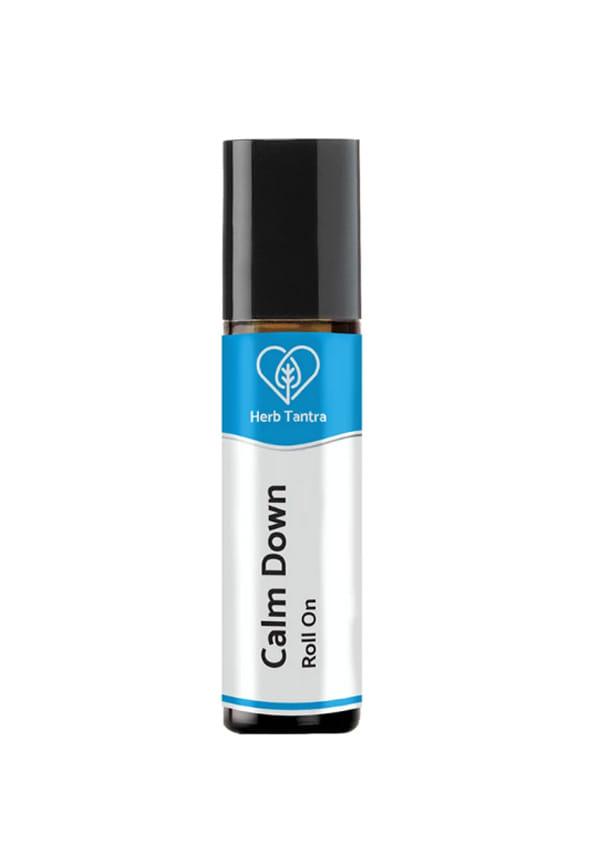
Calm Down Anxiety Relief Roll-On
Start your day with a 5-minute morning sequence that sets a calm tone. Begin with gentle neck rolls and shoulder shrugs to release overnight tension. Move into Cat-Cow stretches to awaken your spine, then finish with a few rounds of energising breath work.
Your evening sequence should focus on releasing the day's accumulated stress. Try gentle twists to wring out tension, forward folds to turn inward, and finish with Legs-Up-the-Wall or a supported Child's Pose. End with a few minutes of mindfulness meditation.
On particularly hectic days, even a 3-minute practice can help. Try three rounds of 4-7-8 breathing followed by a gentle forward fold. These quick stress relief techniques can be done anywhere—your office, bedroom, or even a quiet corner during lunch break.
Yoga for anxiety extends far beyond physical poses. The principles you learn on your mat—mindfulness, breath awareness, and present-moment focus—can transform how you handle daily stressors. This integration is where the real magic of stress management happens.
Think of your yoga practice as training for life. Each time you breathe through a challenging pose, you're building resilience for challenging life situations.
Mindful movement means bringing yoga principles to everyday activities. Walk with awareness of your breath, sit with attention to your posture, or practice mindful eating. These micro-practices accumulate throughout the day, creating a foundation of calm.
Progressive muscle relaxation involves systematically tensing and releasing different muscle groups. Start with your toes, work up to your head, holding tension for 5 seconds before releasing. This technique helps you recognise where you hold stress in your body.
Mindfulness meditation doesn't require sitting in lotus pose for hours. Start with 5 minutes of focused breathing or body scanning. Apps and guided meditations can help, but the goal is developing your own relationship with stillness and awareness.
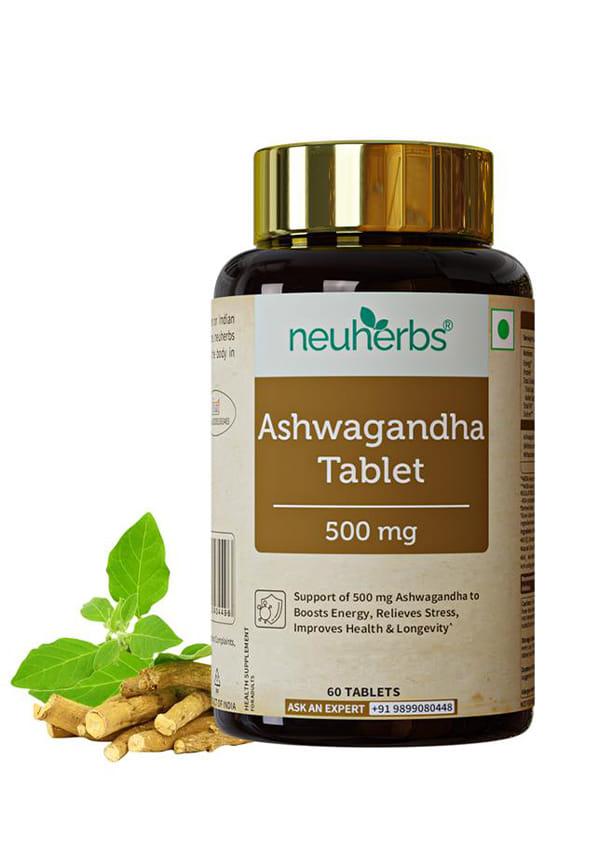
Ashwagandha Tablets,Reduce Stress & Support Sleep Cycle
Most people notice immediate relaxation after their first session, but lasting changes typically appear within 2-3 weeks of consistent practice. Your nervous system needs time to retrain itself, so patience and consistency are key. Even 10 minutes daily is more beneficial than longer, sporadic sessions.
Absolutely! Yoga is incredibly adaptable. Chair yoga, gentle stretches, or even just breathing exercises can provide significant stress relief. Always listen to your body and modify poses as needed. Consider consulting a qualified instructor who can suggest appropriate modifications for your specific needs.
The best time is whenever you can practice consistently. Morning yoga can prevent stress accumulation throughout the day, whilst evening practice helps release built-up tension. Many people find that splitting their practice—energising poses in the morning and calming ones in the evening—works best.
Yoga complements other wellness approaches beautifully. While aromatherapy products, stress-relief teas, or calming skincare routines address external factors, yoga works from the inside out. Many people find combining yoga with other wellness products creates a comprehensive stress management approach that addresses both mind and body.
Yes, emotional releases during yoga are completely normal. Stress and trauma can be stored in your body, and gentle movement combined with deep breathing can help release these held emotions. If you feel overwhelmed, return to Child's Pose or simply focus on your breath until the intensity passes.
A yoga mat is helpful but not essential—a towel on carpet works fine. Cushions, blankets, or bolsters can enhance comfort in restorative poses. The most important equipment is your willingness to show up consistently. Start simple and add props as your practice develops.
Daily stress relief yoga offers a gentle yet powerful approach to managing modern life's pressures. The combination of mindful movement, conscious breathing, and present-moment awareness creates a comprehensive toolkit for stress management. Remember that consistency trumps intensity—a short daily practice will serve you better than sporadic longer sessions.
Start with simple poses like Child's Pose and Cat-Cow, gradually building your practice as you become more comfortable. Focus on breathing exercises for stress, as these can be used anywhere, anytime you need quick relief. Most importantly, be patient with yourself as you develop this new habit.
Your stress relief journey is unique to you. What works for others might not work for you, and that's perfectly fine. Experiment with different styles, poses, and breathing techniques until you find your perfect combination. The goal isn't perfection—it's progress towards a calmer, more centred you.
Building a sustainable stress relief practice takes time, patience, and often some trial and error to find what works best for your lifestyle. Just as Smytten believes you shouldn't have to settle when it comes to discovering the right products for your needs, your wellness journey deserves the same approach. Smytten's trial packs let you explore various wellness products—from aromatherapy oils to calming teas—that can complement your yoga practice without the commitment of full-size purchases. With over 1,500 trusted brands available on Smytten and 100% cashback on trials, you can experiment with different wellness approaches to create your perfect stress-relief routine. Whether it's finding the right essential oil for your meditation space or discovering a calming herbal tea for post-yoga relaxation, Smytten's authentic brand-verified minis make it easy to try before you buy. After all, why settle for maybe when you can #TryItAll and create a wellness routine that truly works for you?
