Daily Mindfulness Practices FAQ: Your Questions Answered
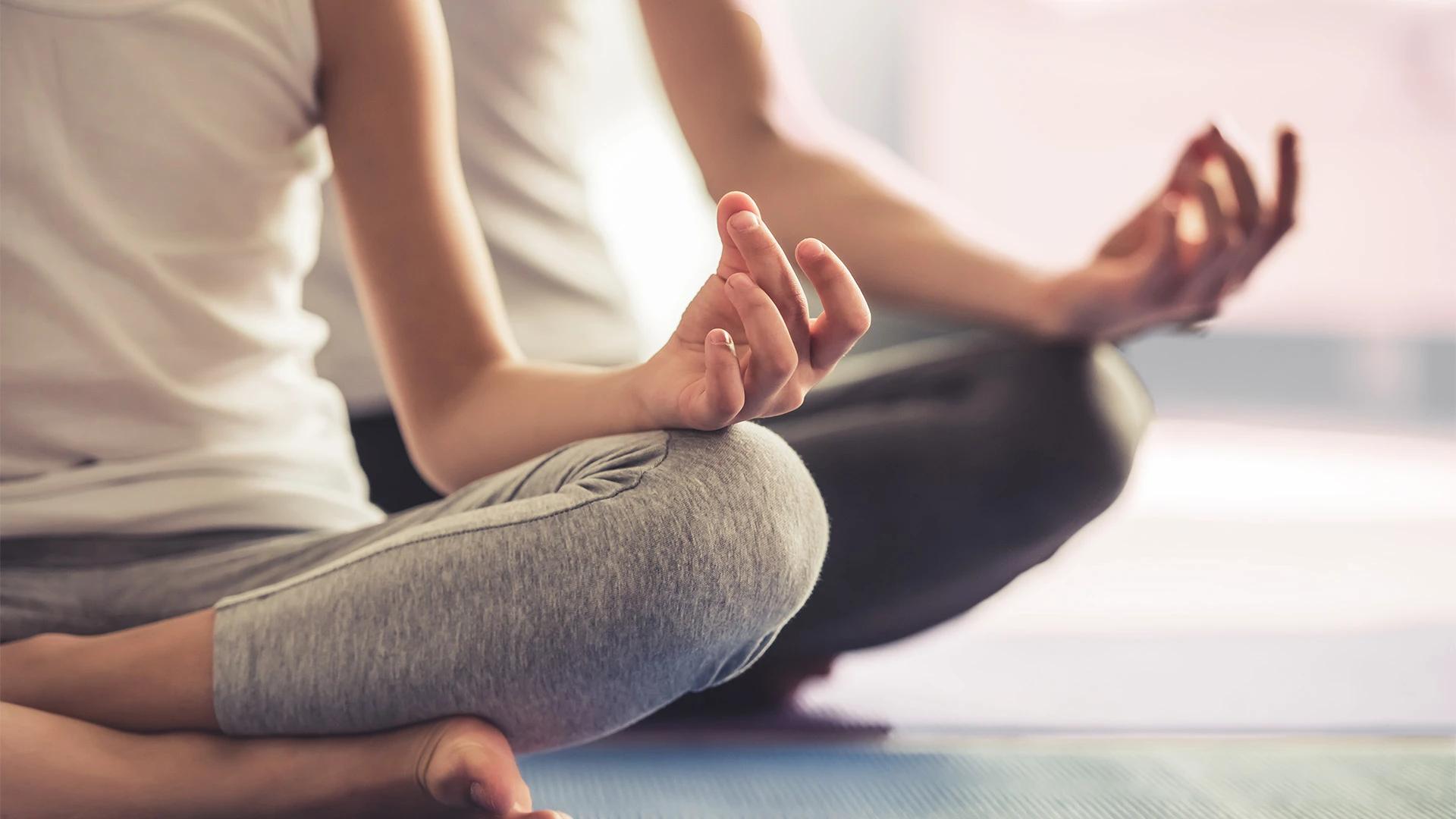

Life feels like it's moving at warp speed, doesn't it? Between work deadlines, social commitments, and endless notifications, finding a moment of peace can feel impossible. That's where daily mindfulness practices come in—not as another item on your to-do list, but as your secret weapon for staying grounded in the chaos. Whether you're dealing with stress, seeking mental clarity, or just want to feel more present in your own life, mindfulness isn't some mystical concept reserved for meditation retreats. It's actually a collection of simple, science-backed techniques that can transform how you experience each day. From quick breathing exercises you can do at your desk to evening routines that help you unwind, there are countless ways to weave mindfulness into your routine. The best part? You don't need hours of free time or special equipment—just a willingness to pause and tune into the present moment. On platforms like Smytten, you'll find wellness products that can support your mindfulness journey, but the real magic happens when you discover which practices work for your lifestyle.
Daily mindfulness practices are simple techniques like breathing exercises, body scans, and present moment awareness that reduce stress and improve mental clarity
You can practice mindfulness anywhere—from 5-minute morning routines to mindful moments during work breaks
The 5 basics include breath awareness, body awareness, thought observation, emotional recognition, and present moment focus
Consistency matters more than duration—even 5 minutes daily can make a significant difference
Building a sustainable self-care routine with mindfulness helps manage anxiety and supports emotional well-being
Daily mindfulness practices are intentional activities that help you stay present and aware throughout your day. Think of them as mental fitness routines—just like you might do squats for your legs, mindfulness exercises strengthen your ability to focus and stay calm. The core principle is simple: paying attention to what's happening right now, without getting caught up in yesterday's regrets or tomorrow's worries.
Here's where it gets interesting—mindfulness and meditation aren't the same thing. Meditation is like going to the gym for your mind, usually involving sitting quietly for a set period. Mindfulness, on the other hand, is more like taking the stairs instead of the lift—it's about bringing that same focused awareness into everyday activities. You can practice mindfulness while brushing your teeth, eating lunch, or even during a stressful meeting.
The science behind these practices is pretty compelling. Research shows that regular mindfulness can improve mental clarity, reduce anxiety, and even change your brain structure in positive ways. The key isn't perfection—it's consistency. Even five minutes of daily practice can start rewiring your brain for better emotional well-being and stress management.
The beauty of mindfulness exercises lies in their flexibility. You don't need to completely overhaul your schedule or find extra hours in your day. Instead, it's about transforming moments you're already living into opportunities for present moment awareness.
Your morning sets the tone for everything that follows. Before reaching for your phone, try taking five conscious breaths. Feel your chest rise and fall, notice the temperature of the air. This simple practice creates a buffer between sleep and the day's demands.
Setting intentions is another powerful morning practice. Instead of jumping straight into your to-do list, ask yourself: "How do I want to feel today?" or "What's one thing I'm grateful for right now?" Even your morning routine—brushing teeth, showering, making coffee—can become mindful moments when you pay attention to the sensations, sounds, and smells involved.
Your desk can become a mindfulness sanctuary with the right techniques. Try the "transition breath"—three deep breaths between tasks to reset your focus. When emails pile up, pause before opening each one and take a conscious breath. This prevents that overwhelming feeling of being constantly reactive.
During meetings, practice listening mindfully. Instead of planning what you'll say next, focus entirely on what's being said. You'll be surprised how much more you absorb and how much calmer you feel. Even walking to the loo can become a mini-meditation if you pay attention to each step.
Evening mindfulness helps your nervous system shift from "go mode" to "rest mode." Try a gratitude reflection—mentally noting three things that went well, no matter how small. A body scan before bed involves mentally checking in with each part of your body, releasing tension as you go.
Mindful preparation for sleep means putting devices away 30 minutes early and focusing on calming activities. This isn't about adding more tasks—it's about doing what you're already doing with more awareness and intention.
Understanding the fundamental elements of mindfulness practice gives you a solid foundation to build upon. These five basics aren't complicated meditation techniques—they're simple awareness skills that anyone can develop with practice.
Breath Awareness forms the cornerstone of most mindfulness exercises. Your breath is always available as an anchor to the present moment. Start with basic breathing exercises like counting breaths from one to ten, then starting over. When your mind wanders (and it will), gently return to counting. This isn't about perfect focus—it's about noticing when you've drifted and kindly bringing yourself back.
Body Awareness involves tuning into physical sensations without trying to change them. Progressive body scan methods work well here—starting from your toes and slowly moving attention up through your body. Notice areas of tension, warmth, coolness, or tingling. This practice helps you recognise stress signals early and respond rather than react.
Thought Observation is about watching your thoughts like clouds passing in the sky. Non-judgmental awareness techniques teach you to notice thoughts without getting caught up in their content. Instead of "I shouldn't be thinking about work right now," try "I notice I'm having thoughts about work." This subtle shift creates space between you and your thoughts.
Emotional Recognition involves identifying feelings without immediately trying to fix or change them. When anxiety arises, instead of pushing it away, try naming it: "I'm feeling anxious right now." This acknowledgment often reduces the emotion's intensity and helps you respond more skillfully.
Present Moment Focus is about anchoring your attention in the here and now. Anchoring practices might involve focusing on sounds around you, the feeling of your feet on the ground, or the taste of your tea. These techniques for mental clarity help break the cycle of rumination and worry.
When stress hits, having go-to mindfulness exercises can be a game-changer. These stress reduction methods don't require special equipment or perfect conditions—just a willingness to pause and breathe. The key is having both quick relief techniques for acute stress and deeper practices for ongoing anxiety management.
The box breathing method is brilliant for immediate calmness and peace. Breathe in for four counts, hold for four, exhale for four, hold for four. Repeat this pattern for a few minutes. It's called "box" breathing because each phase is equal, like the sides of a square.
The 5-4-3-2-1 grounding exercise engages your senses to bring you into the present. Notice five things you can see, four things you can touch, three things you can hear, two things you can smell, and one thing you can taste. This technique is particularly helpful for anxiety management because it interrupts the worry spiral.
Mindful walking practices can happen anywhere—even in a small space. Focus on the sensation of your feet touching the ground, the rhythm of your steps, or the movement of air against your skin. Walking meditation combines gentle movement with mindfulness, making it perfect for restless moments.
Guided body scan meditation involves systematically relaxing each part of your body. Start at your toes and slowly work upward, spending 30 seconds to a minute on each area. This practice is excellent for releasing physical tension and promoting emotional well-being.
Loving-kindness meditation begins with sending good wishes to yourself, then gradually extending them to loved ones, neutral people, difficult people, and finally all beings. This practice cultivates compassion and reduces negative emotions. Mindful eating exercises transform meals into meditation. Pay attention to colours, textures, flavours, and the act of chewing. This not only enhances enjoyment but also improves digestion and helps with emotional eating patterns.
Creating sustainable self-care routines with mindfulness isn't about perfection—it's about finding what works for your unique lifestyle and sticking with it. The most effective daily meditation practice is one you'll actually do consistently, even if it's just five minutes.
Start by identifying your natural rhythms. Are you a morning person who feels energised by sunrise practices, or do you prefer evening wind-down sessions? Maybe you're someone who benefits from midday reset moments. There's no wrong answer—only what works for you. Consider your schedule realistically. If mornings are chaotic, don't force a 20-minute meditation. Instead, try three mindful breaths while your coffee brews.
Tracking progress helps maintain motivation without becoming obsessive. You might use a simple journal to note how you feel before and after practice, or mark calendar days when you've done any mindfulness activity. The goal isn't perfect attendance—it's building awareness of how these practices affect your emotional well-being.
Common obstacles include feeling like you don't have time, thinking your mind is "too busy" for mindfulness, or expecting immediate dramatic results. The truth is, mindfulness works precisely because it meets you where you are. A busy mind isn't a barrier—it's exactly why you need these practices. Start small, be patient with yourself, and remember that noticing you've forgotten to practice is itself a moment of mindfulness.
Quality trumps quantity every time. Even five minutes of focused daily meditation can create meaningful changes in your stress levels and mental clarity. Research suggests that consistency matters more than duration—practising for five minutes every day is more beneficial than doing 30 minutes once a week. Start with what feels manageable and gradually increase if you want to.
Think of meditation as formal practice time—sitting quietly, following guided instructions, or focusing on your breath for a set period. Mindfulness is the skill you develop through meditation that you can then apply throughout your day. You can be mindful while washing dishes, walking, or listening to a friend. Meditation is the training; mindfulness is using that training in real life.
Absolutely. Mindfulness exercises work by activating your parasympathetic nervous system—your body's "rest and digest" mode. This naturally counteracts the fight-or-flight response that drives anxiety. Regular practice helps you recognise stress signals earlier and respond more skillfully rather than getting swept away by anxious thoughts. Many people find their anxiety management improves significantly with consistent mindfulness practice.
Link your mindfulness practice to existing habits. If you always have morning coffee, use those first few sips as a mindful moment. Set realistic expectations—missing a day doesn't mean you've failed. Consider using apps or joining online communities for accountability. Most importantly, remember why you started. On Smytten, you can explore wellness products that support your mindfulness journey, from aromatherapy items to calming teas that enhance your practice environment.
A wandering mind isn't a problem—it's completely normal and actually part of the practice. The moment you notice your mind has wandered is a moment of mindfulness. Gently guide your attention back to your chosen focus point without judging yourself. Think of it like training a puppy—you wouldn't get angry at a puppy for being distracted, you'd kindly redirect its attention.
Apps can be helpful, especially for beginners who benefit from guided instruction. Look for apps that offer variety in session lengths and styles. However, don't become dependent on them—the goal is developing your own capacity for present moment awareness. Use apps as training wheels, not permanent solutions.
Mindfulness doesn't require extra time—it transforms time you're already spending. Practice mindful breathing while waiting for the lift, do a body scan while lying in bed before sleep, or eat one meal per day mindfully. The key is weaving awareness into activities you're already doing rather than adding new tasks to your schedule.
You might notice you're less reactive to stressful situations, sleep better, or feel more present in conversations. Physical signs include lower muscle tension, improved digestion, or fewer headaches. Emotional indicators include feeling more patient, experiencing greater emotional well-being, and having better relationships. These changes often happen gradually, so be patient with the process.
Daily mindfulness practices aren't about achieving some zen-like state of perfection—they're practical tools for navigating life with more ease and awareness. The most important thing to remember is that consistency beats intensity every time. Whether you choose morning breathing exercises, workplace mindfulness moments, or evening wind-down routines, the key is finding practices that fit naturally into your existing life.
Start with the basics: breath awareness, body awareness, thought observation, emotional recognition, and present moment focus. These foundational skills will serve you well whether you're dealing with acute stress or working on long-term emotional well-being. Remember that a wandering mind isn't a failure—it's exactly what mindfulness practice is designed to work with.
Building sustainable self-care routines takes time and experimentation. Be patient with yourself as you discover which meditation techniques and mindfulness exercises resonate with you. The goal isn't to eliminate stress entirely but to develop a healthier relationship with it. With regular practice, you'll likely find that anxiety management becomes more natural, mental clarity improves, and you feel more grounded in your daily life.
Your mindfulness journey is uniquely yours, and there's no single "right" way to practice. Whether you're drawn to quick stress reduction methods or deeper meditation techniques, the most important step is simply beginning. As you explore different approaches to calmness and peace, remember that even small moments of awareness can create significant shifts in how you experience your day. Smytten is India's largest product discovery and trial platform, connecting consumers with top lifestyle, beauty, wellness, and grooming brands. Through curated trial packs from over 1,500 trusted brands, you can explore wellness products that support your mindfulness practice—from aromatherapy essentials to calming teas—before committing to full-size purchases. With 100% cashback on trials and authentic brand-verified minis available across 27,000+ pincodes, discovering what works for your self-care routine has never been easier. After all, why settle for 'maybe' when you can #TryItAll!
