Daily Mindful Yoga Routine FAQ: Your Questions Answered


Stress Reliever Tea
Starting a daily mindful yoga routine might feel like adding another task to your already packed schedule, but here's the thing—it's actually one of the most rewarding investments you can make for your mental and physical wellbeing. Whether you're completely new to yoga or looking to bring more mindfulness into your existing practice, creating a consistent routine doesn't have to be overwhelming or time-consuming. From quick morning stretches that set the tone for your day to calming evening poses that help you unwind, a mindful approach to yoga transforms simple movements into powerful moments of self-care. The beauty of building this practice lies in its flexibility—you can start with just five minutes and gradually expand as it becomes a natural part of your day. With so many questions swirling around how to begin, what poses to include, and how to maintain consistency, we've gathered the most common queries to help you create a daily mindful yoga routine that actually sticks. Plus, with platforms like Smytten offering wellness products to support your journey, you can explore everything from aromatherapy essentials to yoga accessories without the commitment of full-size purchases.
A daily mindful yoga routine can be as short as 5-10 minutes and focuses on connecting breath with movement for mental clarity and stress relief
Morning yoga for beginners should include gentle poses like child's pose, cat-cow stretches, and simple breathing exercises
Consistency matters more than duration—starting small and building gradually leads to lasting habits
Combining yoga with other self-care practices like journaling or aromatherapy creates a holistic wellness routine
You don't need expensive equipment—a yoga mat and comfortable clothes are enough to begin your practice at home
A daily mindful yoga routine goes beyond just moving through poses—it's about creating intentional moments where you connect your breath, body, and mind. Unlike traditional yoga classes that might focus purely on physical alignment or strength building, mindful yoga emphasises present-moment awareness and gentle self-observation. Think of it as meditation in motion, where each stretch becomes an opportunity to check in with yourself.
The science behind this practice is pretty compelling. Research shows that combining mindfulness meditation techniques with gentle movement can reduce cortisol levels, improve sleep quality, and boost mental clarity. When you practice consistently, even for just 10-15 minutes daily, you're essentially training your nervous system to respond more calmly to stress. Your brain starts recognising these moments of stillness as safe spaces, making it easier to access that sense of calm throughout your day.
Starting a daily practice isn't just about flexibility or strength—though those are lovely bonuses. Regular mindful yoga can improve your focus at work, help you sleep better, and even strengthen your immune system. Many people find that after a few weeks of consistent practice, they naturally start making healthier choices in other areas of their lives too.
For beginners, starting with 3-4 days per week is perfectly fine. As your body adapts and you begin craving that daily reset, you can gradually increase to daily practice. Remember, even five minutes counts—consistency trumps duration every time.
Morning yoga sets the tone for your entire day, but it doesn't need to be complicated or time-consuming. The key is creating a sequence that gently awakens your body while calming your mind. Start by choosing a consistent time—even if it's just 10 minutes before your usual morning routine begins.
Your space doesn't need to be Instagram-worthy. A quiet corner of your bedroom or living room works perfectly. Clear enough space to stretch your arms overhead and lie down comfortably. Natural light is lovely if you have it, but don't stress if you're practicing before sunrise.
Honestly, you need very little to start. A yoga mat provides cushioning and grip, but a folded blanket or towel works in a pinch. Comfortable clothes that allow you to move freely are more important than expensive yoga gear. If you want to explore props like blocks or straps later, you can always try them out first.
Begin in child's pose for 1-2 minutes, focusing on deep breathing. Move into cat-cow stretches to warm your spine, then transition to downward-facing dog. Add some gentle sun salutations if you're feeling energetic, or stick with seated twists and forward folds for a gentler start. End with a few minutes in savasana or seated meditation.

Aromatherapy Stress Relieving Candle Eucalyptus & Spearmint
When building your daily routine, focus on poses that feel nourishing rather than challenging. Gentle yoga at home should leave you feeling refreshed and centred, not exhausted. The beauty of practicing at home is that you can modify everything to suit your body's needs on any given day.
Start with foundational poses that work multiple areas of your body while promoting relaxation. Child's pose is perfect for grounding and introspection. Cat-cow stretches gently mobilise your spine after hours of sleep. Seated forward folds calm your nervous system while stretching your back body.
Child's pose grounds you and provides a sense of safety. Legs-up-the-wall pose is incredible for reducing anxiety and improving circulation. Gentle spinal twists help release tension while promoting digestion. Bridge pose strengthens your back body while opening your heart. Reclined butterfly pose opens your hips and encourages deep breathing.
Use pillows, blankets, or cushions to make poses more comfortable. If sitting on the floor is uncomfortable, try practicing in a chair. Tight hamstrings? Bend your knees in forward folds. The goal is to feel supported and relaxed, not to achieve perfect alignment.
Sometimes you need yoga most when you have the least time for it. Short yoga for stress relief sequences are like emergency self-care kits—quick, effective, and available whenever you need them. Even five minutes of mindful movement can shift your entire nervous system from fight-or-flight mode into rest-and-digest mode.
The magic happens when you combine gentle movement with breathing exercises for anxiety. Deep, slow breathing activates your vagus nerve, which signals to your brain that you're safe. Add some gentle stretches, and you're essentially giving your body permission to release the physical tension that stress creates.
Try three rounds of cat-cow stretches followed by a seated spinal twist on each side. Finish with two minutes of deep breathing in child's pose. This sequence can be done anywhere—even in your office clothes—and works wonders for midday stress relief.
Box breathing (inhaling for 4 counts, holding for 4, exhaling for 4, holding for 4) is incredibly effective for anxiety. The 4-7-8 breath (inhale for 4, hold for 7, exhale for 8) is perfect for bedtime stress relief. Practice these techniques during your yoga poses to amplify their calming effects.
Your daily mindful yoga routine becomes even more powerful when you weave it into a broader tapestry of self-care practices. Think of yoga as the foundation, with other wellness habits building upon it. This holistic approach to wellbeing creates a sustainable lifestyle rather than just another item on your to-do list.
Journaling after your practice can deepen the mindfulness aspect significantly. Spend just five minutes writing about how your body felt during the poses, what thoughts came up, or simply what you're grateful for. This reflection helps integrate the calm awareness you cultivated during practice into your conscious mind.
Yoga Tea
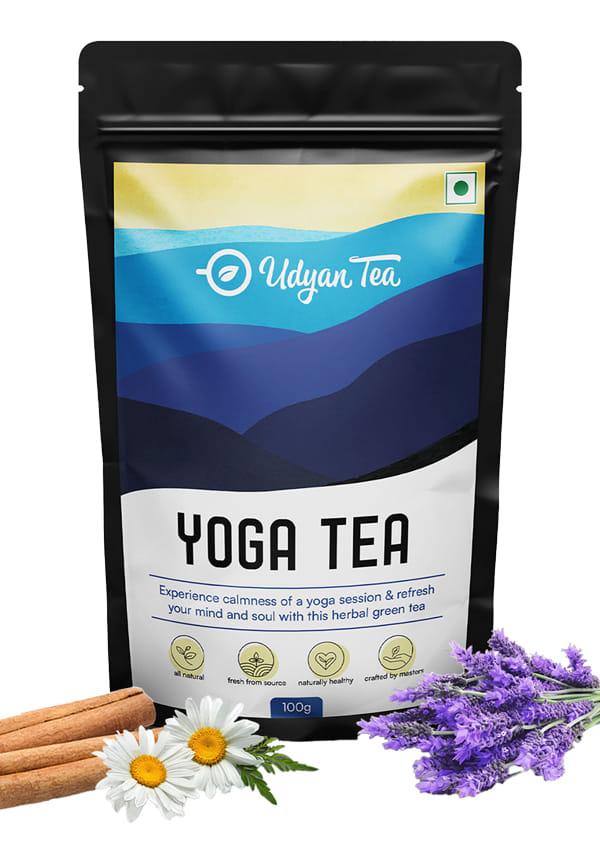
Consider incorporating aromatherapy into your practice space. Essential oils like lavender or eucalyptus can enhance relaxation and create positive associations with your practice time. You might also explore herbal teas that support relaxation—sipping chamomile or passionflower tea after your evening practice can extend the calming benefits.
Practice yoga on an empty stomach when possible, especially for morning routines. If you're practicing later in the day, wait at least 2-3 hours after a large meal. Stay hydrated throughout the day, but avoid drinking large amounts of water right before practice to prevent discomfort during poses.
Consistency is where the real transformation happens, but it's also where most people struggle. The key to maintaining your yoga for mental clarity practice lies in making it so simple and enjoyable that skipping it feels harder than doing it. This means starting smaller than you think you should and building gradually.
Track your practice in a way that feels motivating rather than judgmental. Some people love checking off calendar days, while others prefer noting how they feel before and after practice. Find what works for you and remember that missing a day doesn't mean you've failed—it just means you're human.
When motivation wanes, focus on showing up rather than performing perfectly. Even sitting quietly and breathing for five minutes counts as practice. During busy periods, try incorporating yoga into existing routines—gentle stretches while your coffee brews or breathing exercises during your commute.
Consider joining online yoga communities or finding a practice buddy. Sharing your journey with others creates accountability and provides encouragement during challenging times. Many people find that posting about their practice on social media or keeping a practice journal helps maintain motivation.
Start with 5-10 minutes daily and gradually increase as the habit becomes established. Even five minutes of mindful movement can provide significant benefits for stress relief and mental clarity. Most people find that 15-30 minutes feels sustainable for long-term practice.
Absolutely! Gentle, mindful yoga is safe for daily practice. Listen to your body and choose restorative poses on days when you feel tired or sore. The key is consistency rather than intensity, so adapt your practice to match your energy levels each day.

Yoga Tea
Morning practice helps set a calm, focused tone for your day, while evening practice can help you unwind and prepare for better sleep. The best time is whenever you can practice consistently. Some people prefer midday sessions for stress relief during busy workdays.
A yoga mat is helpful but not essential—you can practice on a carpet or folded blanket. Comfortable clothes that allow movement are more important than expensive gear. Props like blocks or straps can be useful but aren't necessary for beginners.
Many people notice improved sleep and reduced stress within the first week of consistent practice. Physical benefits like increased flexibility and strength typically develop over 2-4 weeks. Mental clarity and emotional regulation often improve gradually over several months of regular practice.
While yoga provides many physical and mental benefits, it's best viewed as part of a well-rounded fitness routine. Gentle yoga excels at flexibility, stress relief, and mindfulness but may not provide enough cardiovascular exercise or strength training for complete fitness.
Missing a day doesn't derail your progress—simply return to your practice the next day without judgment. Consistency over perfection is the goal. Some people find it helpful to have a "minimum viable practice" of just 2-3 minutes for particularly busy days.
Focus on how poses feel rather than how they look. You should feel a gentle stretch without pain. Online videos, books, or occasional classes with qualified instructors can help you learn proper alignment. Available on Smytten, you'll find various wellness products that can support your home practice journey.
Creating a daily mindful yoga routine is one of the most accessible and effective ways to improve both your physical and mental wellbeing. Start small with just 5-10 minutes of gentle poses and breathing exercises, focusing on consistency rather than perfection. Morning practice can energise your day, while evening sessions help you unwind and prepare for restful sleep.
Remember that your practice should feel nourishing, not stressful. Choose poses that feel good in your body, modify as needed, and don't worry about achieving perfect alignment. The combination of mindful movement, conscious breathing, and present-moment awareness creates powerful benefits that extend far beyond your yoga mat.
Building sustainable habits takes time, so be patient with yourself as you establish this new routine. Track your practice in a way that feels motivating, and don't hesitate to adapt your routine based on your changing needs and schedule. The goal is to create a practice that supports your overall wellbeing and brings more calm, clarity, and joy into your daily life.
Your journey towards a consistent daily mindful yoga routine is deeply personal, and there's no single right way to approach it. Whether you're drawn to energising morning sequences or calming evening practices, the most important step is simply beginning. As you explore different poses, breathing techniques, and self-care practices, you might find yourself curious about products that can enhance your wellness journey—from aromatherapy essentials to yoga accessories. Smytten is India's largest product discovery and trial platform, connecting you with top wellness and lifestyle brands through curated trial packs. With over 1,500 trusted brands available, you can explore everything from calming essential oils to comfortable yoga wear before committing to full-size purchases. Each trial is linked with Trial Points, and you can get up to 8 minis for just ₹249, plus enjoy 100% cashback on your trials. This try-before-you-buy approach means you can discover what truly supports your practice without the guesswork, making your wellness journey both affordable and rewarding. After all, why settle for 'maybe' when you can #TryItAll!
