Create a Wellness Routine FAQ: Your Questions Answered


Calming & Anti-Fatigue Body Massage Oil
Creating a wellness routine feels like one of those things everyone talks about but nobody really explains properly. You know the drill—wake up, drink water, meditate, exercise, eat well, sleep eight hours. Sounds simple enough, right? But then real life happens, and suddenly your perfectly planned routine crumbles faster than a biscuit in tea. The truth is, building a sustainable wellness routine isn't about copying someone else's Instagram-worthy morning ritual. It's about understanding what actually works for your lifestyle, your goals, and your very real constraints. Whether you're a busy professional trying to squeeze self-care into lunch breaks, a student juggling deadlines, or someone just starting their wellness journey, the key is finding practices that feel good rather than adding more pressure to your day. That's where Smytten comes in handy—when you're exploring wellness products like supplements, aromatherapy oils, or skincare that supports your routine, you can try before you commit to full sizes.
A wellness routine combines movement, nutrition, sleep, and mental health practices tailored to your lifestyle
Start small with micro-habits and build gradually—consistency beats perfection every time
Morning rituals should energise you, while evening routines help you wind down naturally
Busy schedules need flexible wellness practices that fit into existing daily patterns
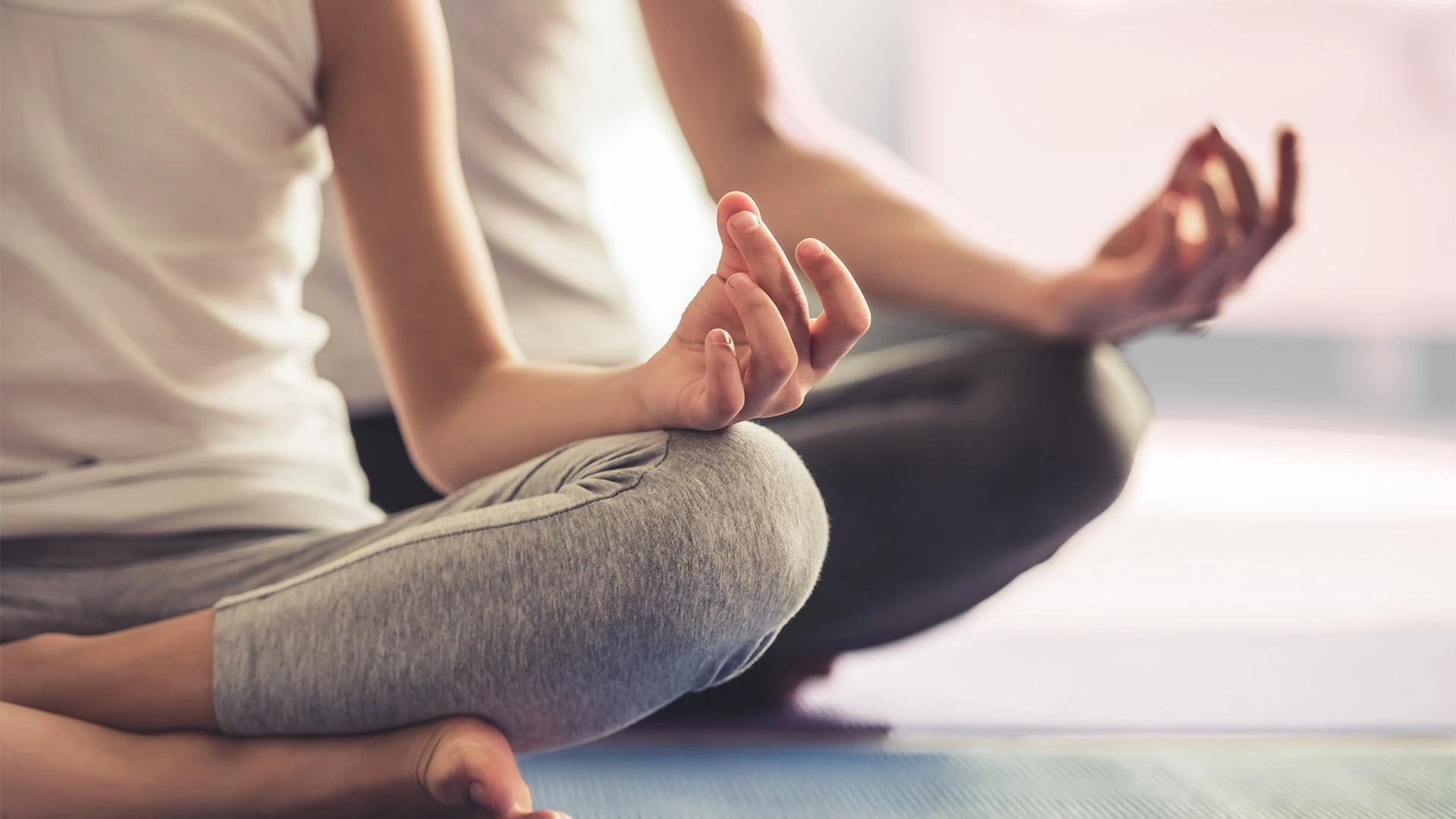
Mindfulness exercises can be done anywhere and don't require special equipment or lengthy time commitments
Let's be real—a wellness routine isn't just another trendy lifestyle concept. It's basically a personalised collection of daily wellness practices that support your physical, mental, and emotional wellbeing. Think of it as your personal wellbeing plan that goes beyond just eating your vegetables and hitting the gym occasionally.
A proper wellness routine typically includes four core areas: movement (doesn't have to be intense workouts), quality sleep, nourishing food, and mental health support. Unlike rigid fitness programmes or strict diets, wellness routines are meant to be flexible and sustainable. They're about creating habits that make you feel good rather than checking boxes on someone else's perfect day.
Research shows that routines reduce decision fatigue and lower cortisol levels. When you automate healthy choices, your brain doesn't have to work as hard to make good decisions. This is why successful wellness routines feel effortless once they're established—your brain has basically put them on autopilot.
The biggest misconception? That wellness routines need to be time-consuming or expensive. You don't need a £200 yoga mat or a two-hour morning ritual. Some of the most effective wellness practices take less than five minutes and cost absolutely nothing.
Starting a wellness routine can feel overwhelming when you're scrolling through social media seeing people's elaborate morning rituals. But here's the thing—those people didn't start with hour-long routines. They started small and built up gradually, which is exactly what you should do too.
The habit stacking method works brilliantly for building healthy habits. This means attaching a new wellness practice to something you already do automatically. For example, after you brush your teeth (existing habit), you do two minutes of stretching (new habit). Your brain already has the neural pathway for teeth brushing, so it's easier to add the stretching onto it.
Start with practices that take two minutes or less. Want to meditate? Start with two minutes, not twenty. Want to journal? Write three sentences, not three pages. This removes the mental barrier of "I don't have time" and helps you build consistency before intensity.
Ask yourself what you actually need more of in your life. More energy? Better sleep? Less stress? Clearer skin? Your answers will guide which practices to prioritise. There's no point forcing yourself into a 6 AM workout routine if what you really need is better sleep hygiene.
Track your habits, but don't obsess over perfect streaks. Use a simple calendar or app to mark off completed practices. The goal is awareness, not perfection. Missing a day doesn't mean starting over—it just means getting back to it tomorrow.

Aromatherapy Spearmint And Lavender Stress Relieving And Tranquil Sleep Aroma Spray
Your morning wellness ritual sets the tone for your entire day, but it doesn't need to look like a wellness influencer's highlight reel. The best morning routines are the ones that actually fit into your life and make you feel energised rather than stressed about time.
A holistic health approach to mornings focuses on gentle transitions rather than jarring wake-ups. This means avoiding the snooze button (which actually makes you groggier) and instead using natural light or gradual alarm sounds to ease into consciousness.
Start with a glass of water—your body has been fasting for hours and needs hydration before caffeine. Follow this with some gentle stretching or movement. Even five minutes of stretching in bed counts and helps activate your circulation.
Before checking your phone, take a moment to set an intention for the day. This could be as simple as "I want to feel calm" or "I'm going to be kind to myself today." It's about starting with purpose rather than immediately reacting to external demands.
15-minute routine: Water, 5-minute stretch, 5-minute meditation, intention setting, healthy breakfast.
30-minute routine: Water, 10-minute movement, 10-minute mindfulness practice, nutritious breakfast, brief planning.
60-minute routine: Water, 20-minute exercise, 15-minute meditation, healthy breakfast, journaling, day preparation.
Your evening self-care routine is just as important as your morning ritual, but it serves a completely different purpose. While mornings are about energising and preparing, evenings are about releasing the day's stress and preparing your body and mind for restorative sleep.
Effective stress management techniques for evenings focus on signalling to your nervous system that it's safe to relax. This means dimming lights, reducing stimulation, and engaging in calming activities that help you transition from "doing" mode to "being" mode.
The blue light from screens interferes with melatonin production, making it harder to fall asleep. Try implementing a "phone curfew" one hour before bed. Use this time for reading, gentle stretching, or preparing for the next day.
Deep breathing exercises, gentle yoga, warm baths, or herbal teas can help activate your parasympathetic nervous system. Choose activities that feel soothing rather than stimulating. Some people find journaling helpful for "downloading" the day's thoughts and worries.
Your bedroom should be cool, dark, and quiet. Consider blackout curtains, a white noise machine, or earplugs if needed. Keep your sleeping space clutter-free and reserve it primarily for sleep and relaxation.

Travellers Fatigue Massage Oil
Having a packed schedule doesn't mean you can't prioritise mental health self-care. It just means getting creative about when and how you incorporate wellness practices into your existing routine. The key is finding pockets of time that already exist rather than trying to create new time blocks.
Self-care routine ideas for busy people focus on efficiency and integration. Instead of adding more tasks to your to-do list, you're enhancing activities you're already doing or using transition times more mindfully.
Between meetings, try desk stretches or breathing exercises. While your tea brews, do some gentle neck rolls. During your commute (if you're not driving), practice gratitude or listen to a calming podcast. These micro-moments add up throughout the day.
Spend an hour on Sunday preparing nutritious snacks and meals for the week. This isn't just about saving time—it's about ensuring you have nourishing options when you're too busy to think about food choices. Include plenty of fruits, vegetables, and protein-rich options.
Use weekends for longer wellness practices that support your weekday routine. This might mean meal prep, longer workouts, extended meditation sessions, or simply catching up on sleep. Think of weekends as your wellness foundation for the busy week ahead.
Mindfulness exercises are probably the most versatile wellness tools you can have. They don't require equipment, special clothing, or specific locations. You can practice mindfulness while washing dishes, walking to work, or even during stressful meetings.
The beauty of stress management techniques rooted in mindfulness is that they work by training your attention rather than changing your circumstances. This means you can feel calmer and more centred even when life gets chaotic.
The 4-7-8 breathing technique is brilliant for anxiety management. Breathe in for 4 counts, hold for 7, exhale for 8. This activates your vagus nerve and signals your nervous system to relax. You can do this anywhere, anytime.
Start at your toes and slowly move your attention up through your body, noticing any tension or sensations without trying to change them. This practice helps you become more aware of how stress shows up physically and can prevent tension from building up.
Instead of generic gratitude lists, try specific appreciation. Rather than "I'm grateful for my family," try "I'm grateful for the way my partner made me laugh this morning." Specific gratitude creates stronger positive emotions and neural pathways.
Turn your daily walks into mindfulness practice by focusing on the sensation of your feet touching the ground, the rhythm of your breathing, or the sounds around you. This transforms necessary movement into meditation time.

Paradise Massage Therapy
The 5-3-1 rule suggests doing 5 minutes of movement, 3 minutes of mindfulness, and 1 minute of gratitude daily. It's a simple framework that covers physical, mental, and emotional wellness in just 9 minutes. You can do these practices separately throughout the day or combine them into a short routine. The beauty of this approach is its simplicity—even on your busiest days, 9 minutes feels manageable.
The seven evidence-based wellness habits are: adequate sleep (7-9 hours), regular movement, nutritious eating, stress management, social connection, purposeful activities, and mindfulness practice. Start with whichever habit feels most achievable for you right now. Sleep and movement often provide the biggest immediate benefits, while mindfulness and stress management support long-term resilience.
Universal wellness practices include: morning hydration, some form of daily movement, mindful eating (even if it's just one meal), stress release activity, and consistent sleep schedule. These can be adapted to any lifestyle—movement might be walking for some and yoga for others, stress release could be journaling or calling a friend.
Research suggests it takes 21-66 days for a habit to become automatic, with an average of 66 days. However, you'll likely notice benefits within the first week of consistent practice. The key is starting small and being patient with yourself. Focus on consistency over perfection—doing something small daily is more effective than sporadic intense efforts.
Missing days is completely normal and doesn't mean you've failed. The "never miss twice" rule is helpful—if you miss one day, make sure you get back to it the next day. Avoid all-or-nothing thinking that makes you abandon your routine entirely after a few missed days. Flexibility is actually a sign of a sustainable routine, not a weakness.
Absolutely! Many effective wellness practices cost nothing—walking, breathing exercises, gratitude journaling, stretching, and meditation apps with free content. When you do want to try wellness products like supplements, essential oils, or skincare that supports your routine, platforms like Smytten let you trial products before committing to full sizes, making wellness exploration more affordable.
Look for improvements in energy levels, sleep quality, mood stability, and stress resilience rather than dramatic changes. You might notice you're less reactive to daily stressors, feel more energised in the afternoons, or sleep more soundly. These subtle shifts often indicate that your routine is supporting your overall wellbeing effectively.
Creating a wellness routine that actually sticks isn't about perfection—it's about finding sustainable practices that support your unique lifestyle and goals. Start small with micro-habits, focus on consistency over intensity, and remember that flexibility is a feature, not a bug, of effective wellness routines.
The most successful wellness routines combine movement, mindfulness, proper nutrition, and adequate rest in ways that feel natural rather than forced. Whether you have 5 minutes or 50 minutes, there are meaningful practices you can incorporate into your day. The key is choosing activities that energise rather than drain you, and building them gradually into habits that support your long-term wellbeing.
Building a personal wellbeing plan is a journey of discovery, and sometimes that means trying new products to see what actually works for your routine. Whether you're exploring aromatherapy oils for your evening wind-down, testing different supplements for energy support, or finding the right skincare products for your morning ritual, Smytten makes this exploration affordable and risk-free. With curated trial packs from over 1,500 trusted wellness brands, you can try before you buy, ensuring that every product you add to your routine is one you genuinely love. After all, your wellness routine should be filled with things that make you feel good—and with 100% cashback on trials and authentic brand-verified minis available across India, discovering your perfect wellness products has never been easier. Why settle for 'maybe' when you can #TryItAll!
