Collagen Powder for Indian Skin FAQ: Does It Work?

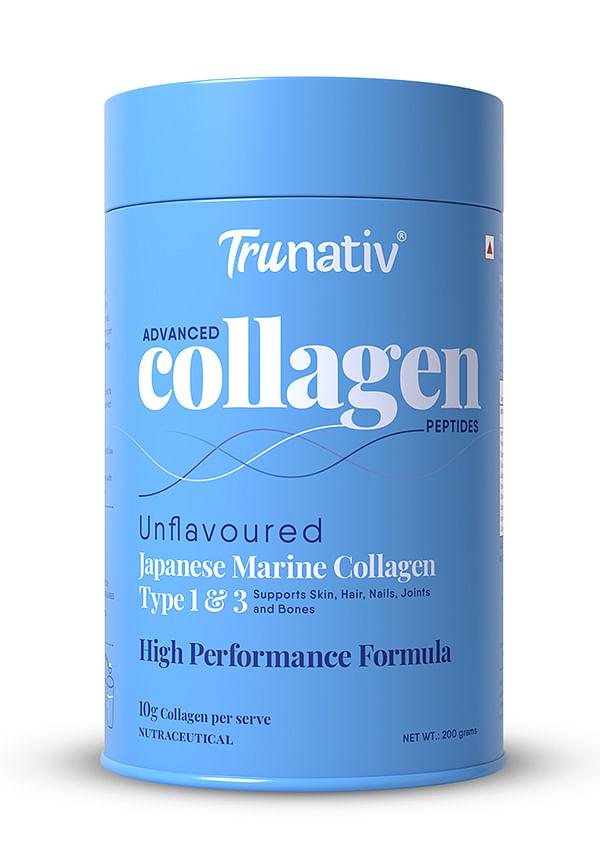
Advanced Collagen Powder, Japanese Marine Collagen Type 1 and 6
Let's be real—scrolling through Instagram and seeing those glowing skin transformations from collagen powder can make anyone wonder if it's the real deal. Especially when you're dealing with Indian skin that faces everything from pollution to monsoon humidity. The collagen supplement market is booming, but does collagen powder actually work for Indian skin types? We're diving deep into the science, the myths, and everything you need to know before adding another powder to your wellness routine.
Collagen is basically your skin's best friend—it's the protein that keeps everything plump, bouncy, and youthful. Think of it as the scaffolding that holds your skin together, giving it that firm, elastic feel. But here's where it gets interesting for Indian skin specifically.
Indian skin comes with its own unique set of characteristics that can affect how collagen and skin health work together. Higher melanin content means better natural sun protection, but it also means different healing patterns and responses to treatments. Plus, Indian skin tends to be more prone to hyperpigmentation and can be naturally oilier, especially in humid climates.
Your collagen production starts declining around age 25—about 1% per year. For Indian skin, environmental factors like pollution, UV exposure, and lifestyle stress can accelerate this process. The good news? Indian skin often ages differently than other skin types, with wrinkles appearing later but pigmentation issues showing up earlier. This means your approach to collagen supplementation might need to be tailored to address these specific concerns.
The key is understanding that while collagen supplements for skin work on a cellular level, your skin's response will depend on factors like genetics, lifestyle, and your current indian skin care routine. It's not a one-size-fits-all situation, which is why some people swear by it while others see minimal results.
Here's the science bit that actually matters: when you consume collagen powder, your digestive system breaks it down into amino acids. These amino acids then travel through your bloodstream and can potentially signal your body to produce more collagen naturally.
Recent studies have shown promising collagen benefits for skin, with participants seeing improvements in skin hydration, elasticity, and overall texture after 8-12 weeks of consistent use. One study found that women taking 2.5g of collagen daily showed a 20% reduction in wrinkle depth and 65% increase in skin hydration after eight weeks.
Not all collagen is created equal. Marine collagen (from fish) tends to have better bioavailability than bovine collagen, meaning your body can absorb and use it more effectively. For vegetarians, plant-based collagen boosters containing vitamin C, zinc, and amino acids can support your body's natural collagen production.
Most research suggests you'll start seeing changes around the 4-6 week mark, with more significant improvements appearing after 12 weeks. Your nails might strengthen first, followed by hair changes, and finally skin improvements. Patience is key here—collagen isn't an overnight miracle worker.
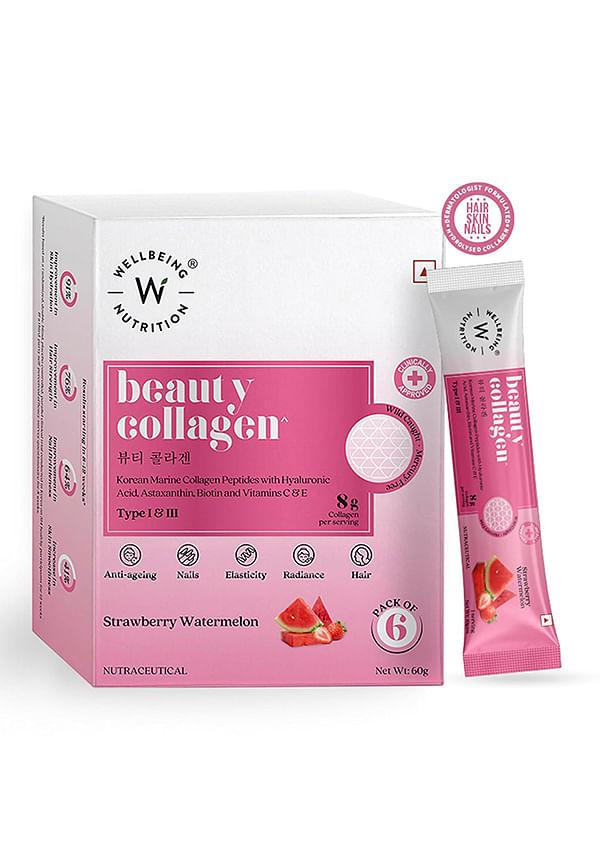
Beauty Korean Marine Collagen | Strawberry Watermelon 6 Sachets
Real talk: collagen powder works best when it's part of a holistic approach. Your body needs specific nutrients to actually use that collagen effectively, and your lifestyle plays a huge role in how well it works.
Vitamin C is absolutely essential for collagen synthesis—without it, your body can't properly build new collagen fibres. Indian foods like amla, guava, and citrus fruits are fantastic natural sources. Zinc, found in pumpkin seeds and chickpeas, also plays a crucial role in collagen production.
Bone broth, fish, eggs, and leafy greens all contain collagen-building nutrients. For vegetarians, focus on foods rich in vitamin C, proline, and glycine—think bell peppers, tomatoes, and soy products.
Sleep is when your body does most of its repair work, including collagen production. Aim for 7-8 hours of quality sleep. Regular exercise increases blood flow, delivering nutrients to your skin cells. And absolutely crucial for Indian skin—sun protection. UV damage breaks down existing collagen faster than you can replace it.
Collagen supplements work from the inside out, but pairing them with topical treatments can amplify results. Look for serums with vitamin C, retinol, or peptides that support skin aging solutions from the outside. Traditional Indian ingredients like turmeric and neem can complement collagen supplementation by reducing inflammation and supporting overall skin health.
If you've tried collagen powder and didn't see the glowing results everyone talks about, you're not alone. There are several reasons why collagen supplements might not work as expected, and understanding these can help you make better choices.
Quality matters massively. Many budget collagen powders contain low-quality protein that your body can't effectively use. Look for hydrolysed collagen peptides—these are broken down into smaller molecules that are easier to absorb. Also, dosage is crucial. Most effective studies use 2.5-10g daily, but many people take much less thinking it'll still work.
Taking collagen with coffee or tea can reduce absorption due to tannins. Instead, mix it with water, smoothies, or take it on an empty stomach. Also, if you're not supporting your collagen intake with vitamin C and other nutrients, you're basically giving your body puzzle pieces without the picture.
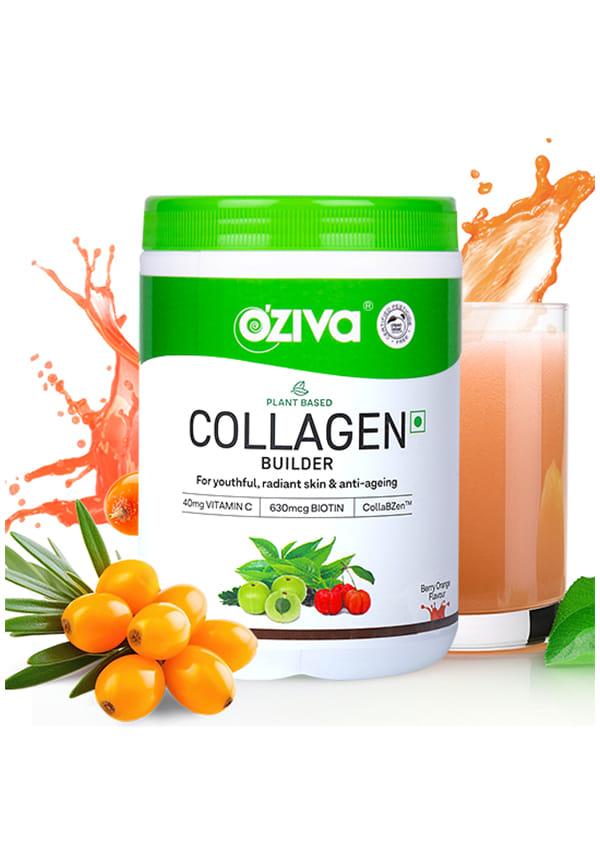
Plant Based Collagen Builder - Berry Orange
Genetics play a role in how well you respond to supplementation. Some people naturally produce collagen more efficiently, while others might need higher doses or longer timeframes to see results. Age also matters—younger skin might not show dramatic changes because collagen levels are still relatively high.
Shopping for collagen in India can be overwhelming with so many options available. Here's what actually matters when choosing the best collagen sources for your skin health goals.
First, check the source. Marine collagen typically offers better absorption rates and is often considered superior for skin benefits. If you're vegetarian, look for supplements that contain collagen-building amino acids rather than actual collagen. Brands like True Elements, available through platforms like Smytten, offer quality options you can try before committing to full-size purchases.
Look for third-party testing certificates, especially for heavy metals and contaminants. The supplement should clearly state the amount of collagen per serving—anything less than 2.5g probably won't be effective. Hydrolysed or peptide forms are preferable over whole collagen proteins.
Quality collagen supplements in India typically range from ₹1,500 to ₹4,000 per month. While expensive doesn't always mean better, extremely cheap options often use low-quality sources or insufficient doses. Consider the cost per gram of actual collagen, not just the package price.
Most people start noticing subtle changes around 4-6 weeks, with more significant improvements in skin hydration supplements and elasticity appearing after 8-12 weeks of consistent daily use. Indian skin may respond slightly differently due to higher melanin content, but the timeline remains similar.
Absolutely not. Collagen works from the inside out, but you still need proper cleansing, moisturising, and sun protection. Think of collagen as a foundation that supports your topical skincare efforts, not a replacement for them.
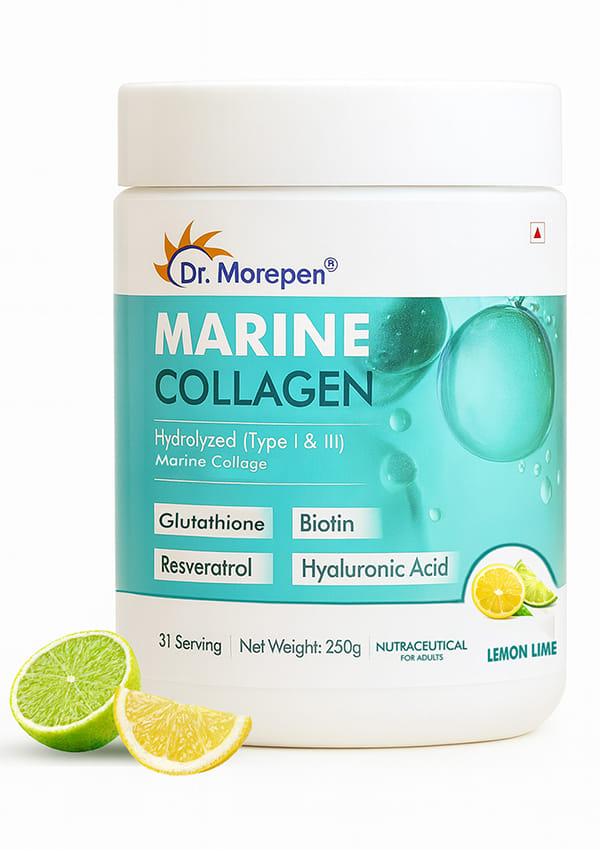
Dr. Morepen Marine Collagen Powder with Biotin for Skin & Hair, Lemon Lime, 250g
Marine collagen (Type I) is generally considered most effective for collagen for skin elasticity and hydration. It has smaller molecular size and better bioavailability compared to bovine collagen, making it easier for your body to absorb and utilise.
Collagen supplements are generally safe, but some people experience mild digestive upset initially. Indian skin isn't more prone to side effects, but if you have sensitive skin or existing skin conditions, start with a lower dose and monitor your response.
While true collagen comes from animal sources, vegetarians can take supplements containing collagen-building nutrients like vitamin C, zinc, proline, and glycine. These natural collagen boosters support your body's own collagen production effectively.
Research suggests 2.5-10g daily is effective for skin benefits. Start with 5g daily and adjust based on your response. Taking it consistently is more important than taking large amounts sporadically.
Oily skin may see improvements in texture and pore appearance, while dry skin typically notices enhanced hydration first. Both skin types can benefit from improved elasticity and reduced fine lines with consistent use.
Vitamin C enhances collagen absorption and synthesis, so taking them together is beneficial. Avoid taking collagen with calcium or iron supplements as they can interfere with absorption. Space them out by at least 2 hours.
So, does collagen powder work for Indian skin? The science suggests it can, but it's not magic. Your results will depend on the quality of the supplement, your consistency, supporting nutrients, and realistic expectations. Indian skin has unique characteristics that may influence how quickly you see results, but the fundamental benefits remain the same.
The key is finding quality products and giving them time to work. Platforms like Smytten make this easier by offering trial-sized wellness products from trusted brands, so you can test different collagen supplements without committing to full-size purchases. With over 1,500 brands available, you can explore various options and find what works best for your skin type and budget.
Remember, collagen supplementation works best as part of a comprehensive approach to skin health. Combine it with a solid skincare routine, proper nutrition, adequate sleep, and sun protection for the best results. Your skin deserves the trial-and-error process to find what truly works—after all, why settle for maybe when you can Try It All?
