Calming Yoga Poses for Sleep FAQ: Your Questions Answered

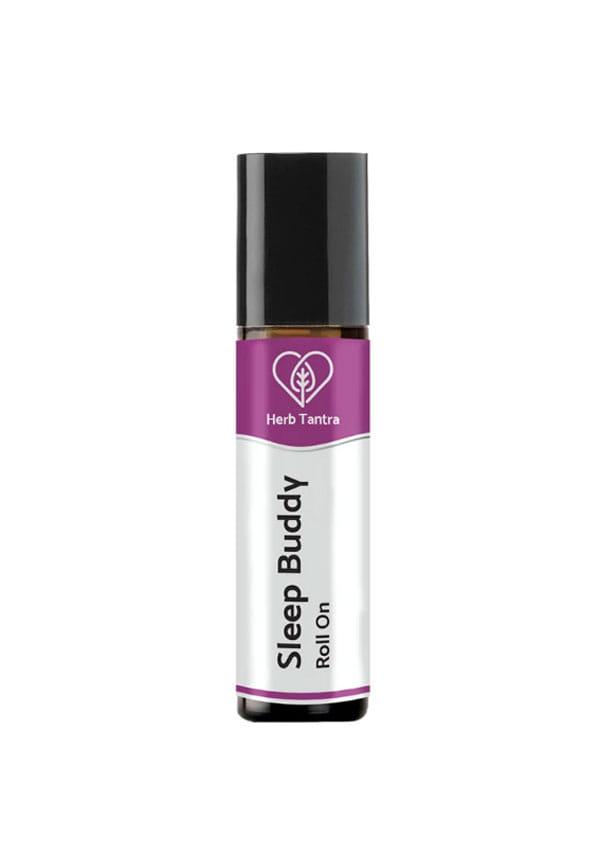
Sleep Buddy Insomnia Relief Roll-On
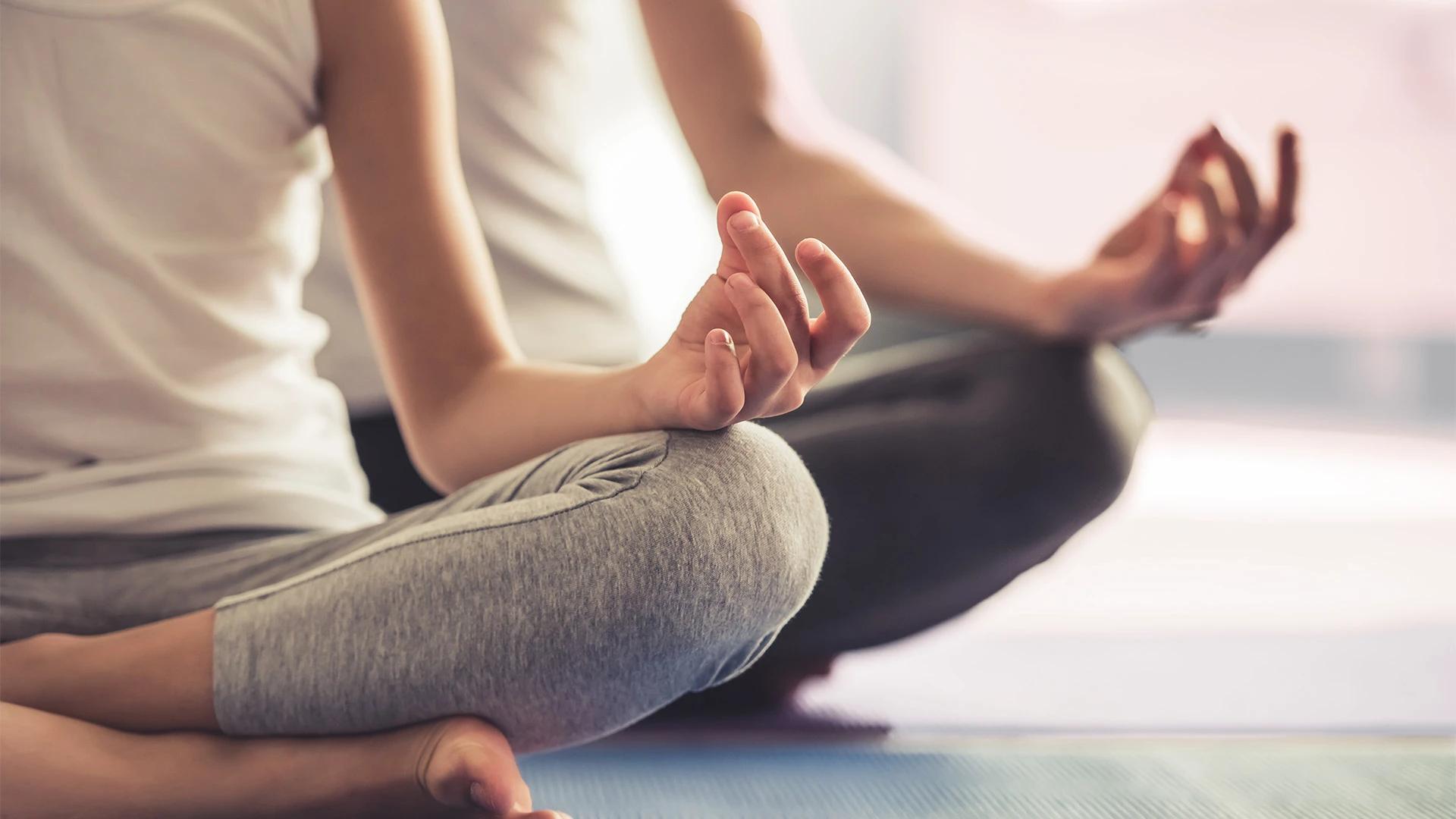
Struggling to fall asleep despite feeling exhausted? You're not alone. Millions of people toss and turn each night, searching for that elusive peaceful slumber. While there are countless sleep aids and remedies available to trial on Smytten, one of the most natural and effective approaches might already be within your reach—calming yoga poses for sleep. These gentle movements and mindful breathing techniques can transform your bedtime routine from restless to restorative. Whether you're dealing with racing thoughts, physical tension, or simply need help winding down after a long day, the right yoga poses can signal to your body that it's time to rest. Let's dive into everything you need to know about using yoga as your natural sleep companion.
Calming yoga poses for sleep activate your parasympathetic nervous system, naturally preparing your body for rest
Seven key poses—including Child's Pose, Legs Up the Wall, and Corpse Pose—can significantly improve sleep quality
A consistent bedtime yoga routine of 10-20 minutes can help with insomnia, anxiety, and stress-related sleep issues
Gentle yoga for relaxation works best when practised 30-60 minutes before bedtime in a calm environment
Combining restorative yoga poses with proper breathing techniques maximises sleep benefits
The science behind yoga for insomnia is quite fascinating. When you practise gentle yoga for relaxation, you're essentially flipping a biological switch in your nervous system. Your body has two main modes: the sympathetic nervous system (fight-or-flight) and the parasympathetic nervous system (rest-and-digest). Modern life keeps most of us stuck in that first mode, which is why sleep feels so elusive.
Research published in sleep medicine journals shows that regular yoga practice can improve sleep quality by up to 55%. The magic happens when slow, mindful movements combined with deep breathing activate your parasympathetic nervous system. This shift lowers your heart rate, reduces cortisol levels, and releases tension from your muscles—creating the perfect conditions for sleep. Mindfulness yoga for sleep takes this a step further by quieting mental chatter and helping you stay present rather than worrying about tomorrow's to-do list.
Not all yoga poses are created equal when it comes to sleep preparation. These seven restorative yoga poses are specifically chosen for their ability to calm your nervous system and prepare your body for rest. Each one targets different areas of tension while promoting overall relaxation.
This gentle forward fold is like a warm hug for your nervous system. Kneel on your mat, touch your big toes together, and sit back on your heels. Open your knees hip-width apart and fold forward, extending your arms in front of you or alongside your body. This pose stretches your spine, calms your mind, and creates a sense of safety and grounding.
Perfect for those who spend long days on their feet, this pose improves circulation whilst reducing stress. Lie on your back near a wall and extend your legs up against it. Let your arms rest by your sides and breathe deeply. This inversion helps drain tension from your legs and signals to your body that it's time to slow down.
Lie on your back and bring the soles of your feet together, allowing your knees to fall open. Place pillows under your knees for support if needed. This hip-opening pose releases tension stored in your pelvis and creates space for deeper breathing.
Start on your hands and knees, then gently arch and round your spine in a flowing motion. This movement releases lower back tension that often accumulates during the day and helps you tune into your breath rhythm.

Ashwagandha Tablets,Reduce Stress & Support Sleep Cycle
Stand with feet hip-width apart and fold forward from your hips, letting your arms hang heavy. This pose calms anxiety by encouraging blood flow to your brain whilst stretching your entire back body.
Lie on your back and draw your knees towards your chest, then grab the outsides of your feet. Gently rock side to side if it feels good. This playful pose releases hip tension and has a naturally grounding effect.
The ultimate relaxation pose. Lie flat on your back with arms slightly away from your body, palms facing up. Focus on releasing tension from each part of your body, starting from your toes and working up to the crown of your head.
Building a consistent bedtime yoga routine is key to experiencing the full benefits of sleep aid yoga. The beauty of sleepy time yoga lies in its flexibility—you can create a practice that fits your schedule and energy levels. Start with just 10 minutes if you're new to yoga, then gradually extend your practice as it becomes a natural part of your evening wind-down.
Begin with Cat-Cow (2 minutes), move into Child's Pose (3 minutes), transition to Happy Baby (2 minutes), and finish with Corpse Pose (3 minutes). This simple flow addresses the most common areas of tension whilst being accessible for complete beginners.
Start with gentle neck rolls and shoulder shrugs (2 minutes), flow through Cat-Cow (3 minutes), hold Child's Pose (4 minutes), move to Standing Forward Bend (3 minutes), settle into Reclining Bound Angle (4 minutes), and end with extended Corpse Pose (4 minutes). This longer sequence allows for deeper relaxation and more thorough tension release.
Dim the lights, put away electronic devices, and consider using props like bolsters or pillows for extra comfort. The ideal timing is 30-60 minutes before you plan to sleep, giving your body time to fully transition into rest mode.
Different sleep challenges require slightly different approaches. Whether you're dealing with racing thoughts, physical tension, or chronic insomnia, there's a yoga practice that can help. Understanding your specific sleep patterns helps you choose the most effective poses and techniques.
Focus on longer holds in restorative poses like Legs Up the Wall (hold for 5-10 minutes) combined with 4-7-8 breathing. This technique involves inhaling for 4 counts, holding for 7, and exhaling for 8. The extended exhale activates your relaxation response more powerfully than regular breathing.

Sleep Tabs with 5mg melatonin, Brahmi, Tagar & Jatamansi, Sleeping Tablets for Stress Free Sleep & Calmness - 60 Tablets
Grounding poses work best for anxious minds. Child's Pose and Happy Baby help you feel supported and safe. Add gentle self-massage to your temples or the base of your skull whilst in these poses to enhance the calming effect.
Target areas where you hold stress—typically the neck, shoulders, and hips. Gentle neck rolls, shoulder shrugs, and hip circles before moving into your pose sequence help release physical tension that contributes to mental stress.
Restorative and gentle yoga styles work best before sleep. Focus on poses that involve forward folds, gentle inversions, and supported positions. Avoid vigorous or heating practices like power yoga or hot yoga in the evening, as these can be too stimulating.
The most effective positions include Child's Pose, Legs Up the Wall, Reclining Bound Angle, and Corpse Pose. These poses activate your parasympathetic nervous system and release physical tension that can interfere with sleep.
Hold each pose for 3-5 minutes to allow your nervous system to fully relax. Unlike active yoga where poses are held briefly, sleep yoga benefits from longer, more meditative holds that give your body time to release tension.
Absolutely! Many poses can be adapted for bed practice. Legs Up the Wall can be done against your headboard, and poses like Happy Baby and Reclining Bound Angle work perfectly on a mattress. Just ensure your mattress provides enough support for comfortable positioning.
Yes, gentle bedtime yoga is safe for daily practice. In fact, consistency enhances the benefits. Your body will begin to associate these movements with sleep time, making it easier to wind down. Products available on Smytten like essential oils or relaxation aids can complement your nightly practice.
Bedtime yoga focuses on calming and cooling poses, slower movements, and longer holds. Regular yoga might include energising poses, faster flows, and strength-building elements that would be counterproductive before sleep.
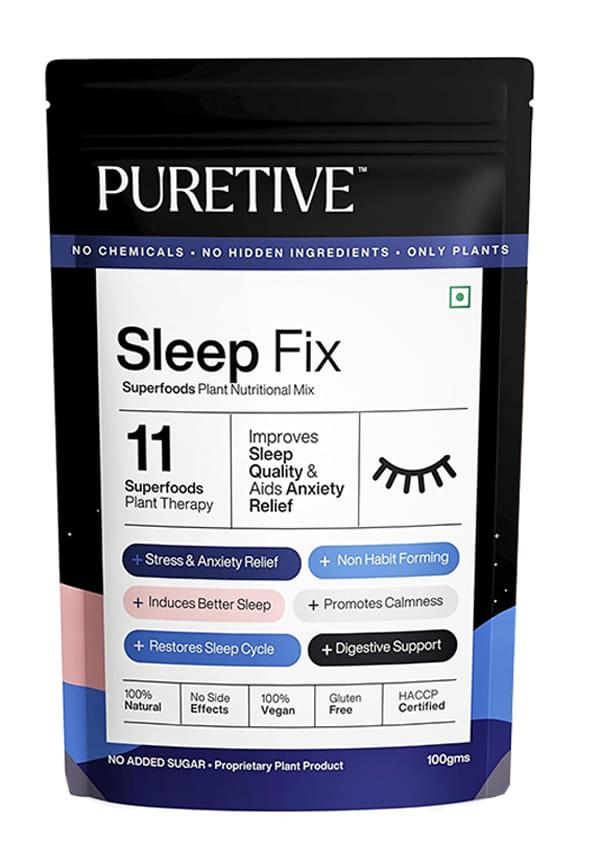
Sleep Fix Superfoods Mix | Natural Melatonin
While yoga can be incredibly effective for mild sleep issues, always consult with a healthcare provider before making changes to any medication regimen. Many people find that yoga reduces their reliance on sleep aids over time, but this should be a gradual, supervised process.
Some people notice improvements after just one session, whilst others may need 2-3 weeks of consistent practice. The key is regularity—even 10 minutes nightly can create noticeable changes in your sleep quality within a fortnight.
Taking your bedtime yoga routine from good to transformative involves attention to detail and consistency. These expert strategies can help you get the most out of your practice and accelerate your journey to better sleep.
The 4-7-8 breathing technique mentioned earlier deserves special attention. This method, developed by Dr. Andrew Weil, is sometimes called a "natural tranquiliser" for the nervous system. Practice it during your final Corpse Pose for maximum effect. Start slowly—the technique can feel intense at first, but becomes more natural with practice.
Lavender, chamomile, and sandalwood can enhance your practice's relaxation benefits. Apply a drop to your wrists or diffuse in your bedroom during your routine. The scent association will eventually trigger relaxation responses even outside your yoga practice.
Combine this technique with Corpse Pose by consciously tensing and then releasing each muscle group. Start with your toes, work up through your legs, torso, arms, and face. This method helps identify areas of held tension you might not notice otherwise.
Don't push into poses or force flexibility—this activates your stress response rather than calming it. Avoid checking your phone during or immediately after practice, as blue light can undo the relaxation benefits. Finally, don't worry about "perfect" form; comfort and relaxation are more important than precise alignment in bedtime yoga.
Calming yoga poses for sleep offer a natural, accessible solution for better rest. The seven poses outlined—Child's Pose, Legs Up the Wall, Reclining Bound Angle, Cat-Cow, Standing Forward Bend, Happy Baby, and Corpse Pose—work by activating your parasympathetic nervous system and releasing physical tension. Whether you have 10 or 20 minutes, consistency matters more than duration.
Remember that yoga for insomnia, anxiety relief yoga, and stress reducing yoga all work through similar mechanisms: slowing down your nervous system and creating space for rest. The key is finding the routine that works for your lifestyle and sticking with it. Most people see improvements within 2-3 weeks of regular practice.
Your bedtime yoga routine should feel nurturing, not demanding. Listen to your body, modify poses as needed, and focus on the breath. With patience and consistency, these gentle movements can transform not just your sleep, but your overall relationship with rest and relaxation.
Creating lasting change in your sleep patterns requires patience, consistency, and sometimes a bit of experimentation to find what works best for you. Just as Smytten allows you to trial before you buy with their curated selection of wellness products, approaching your bedtime yoga practice with curiosity and openness helps you discover which poses and routines truly serve your sleep needs. Whether you're exploring essential oils to enhance your practice, trying different relaxation aids, or simply committing to those few minutes of gentle movement each night, remember that small, consistent actions create the biggest transformations. With over 1,500 trusted brands available on Smytten and authentic brand-verified minis delivered across India, you can complement your yoga practice with products that support your wellness journey—all while enjoying 100% cashback on trials. After all, when it comes to better sleep and overall wellbeing, why settle for 'maybe' when you can try it all?
