Calming Yoga Poses for Beginners FAQ: Your Questions Answered
-65d01249-8838-4be8-a356-54403af050f7.webp&w=3840&q=75)

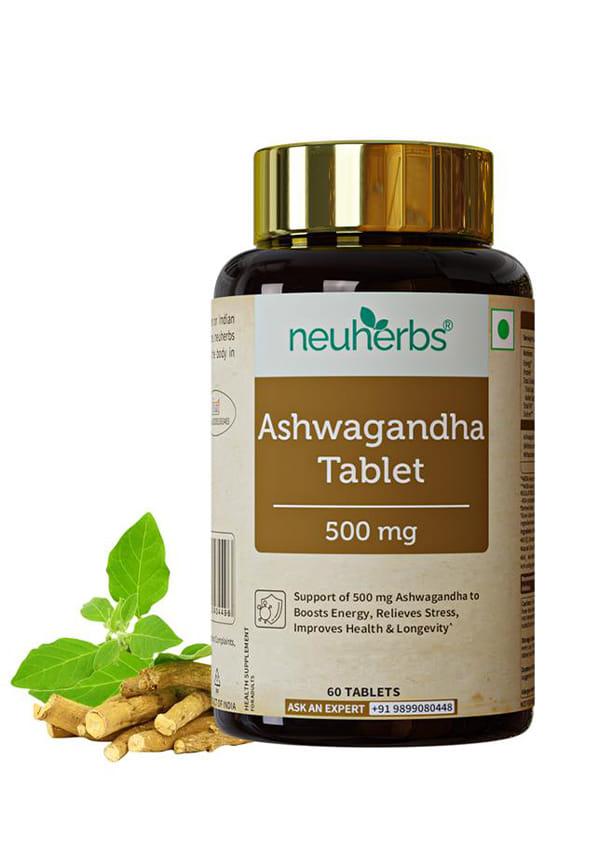
Ashwagandha Tablets,Reduce Stress & Support Sleep Cycle
Let's be real—when life gets overwhelming, sometimes you just need to hit pause and breathe. If you're curious about starting yoga but feel intimidated by those pretzel-like poses you see on Instagram, you're not alone. Calming yoga poses for beginners are your gateway to finding peace without the pressure. These gentle movements focus on relaxation rather than flexibility competitions, making them perfect for anyone looking to unwind. Whether you're dealing with work stress, struggling with sleep, or simply want to create a moment of calm in your day, these beginner-friendly poses might just become your new favourite way to reset. Plus, with platforms like Smytten offering wellness products to support your self-care journey, building a holistic routine has never been easier.
TL;DR
Calming yoga poses for beginners focus on gentle movements that reduce stress and promote relaxation
Essential poses like Child's Pose, Legs-Up-the-Wall, and Cat-Cow can be done at home with minimal equipment
Regular practice of beginner yoga for anxiety can help regulate your nervous system and improve sleep quality
Restorative yoga differs from dynamic styles by using longer holds and supportive props for deeper relaxation
Combining simple poses with breathing exercises creates a powerful tool for managing daily stress
Calming yoga is all about slowing down and giving your nervous system a chance to reset. Unlike dynamic yoga styles that get your heart pumping, gentle yoga for stress relief focuses on poses that activate your body's relaxation response. Think of it as the difference between a sprint and a leisurely walk—both have their place, but when you need to unwind, you want the gentle approach.
The beauty of calming yoga lies in its simplicity. You don't need to be flexible or strong to benefit from these poses. Most calming poses involve supported positions where gravity does the work, allowing your muscles to release tension naturally. Research shows that just 10-15 minutes of gentle movement can lower cortisol levels and improve mood, making it a proper game-changer for busy lifestyles.
The five essential poses every beginner should know are Child's Pose for grounding, Legs-Up-the-Wall for circulation, Cat-Cow for spinal mobility, Reclined Bound Angle for hip opening, and Corpse Pose for complete relaxation. These poses work together to address different areas of tension whilst being completely accessible to newcomers.
Creating a calming yoga practice at home is simpler than you might think. The key is starting with poses that feel good rather than challenging, focusing on easy yoga poses for relaxation that don't require special equipment or years of training.
Start by kneeling on your mat with your big toes touching and knees hip-width apart. Sit back on your heels, then fold forward, extending your arms in front of you or resting them alongside your body. Rest your forehead on the mat and breathe deeply for 5-10 breaths. If your knees feel uncomfortable, place a cushion between your calves and thighs for support.
Lie on your back near a wall and scoot your bottom as close to the wall as comfortable. Extend your legs up the wall, letting your arms rest by your sides with palms facing up. This pose improves circulation and signals to your nervous system that it's time to relax. Stay here for 5-15 minutes, focusing on your breath.
Begin on your hands and knees with wrists under shoulders and knees under hips. Inhale, arch your back and look up (Cow). Exhale, round your spine and tuck your chin to chest (Cat). Move slowly between these positions for 5-8 cycles, coordinating movement with breath for maximum mindful movement for calm.
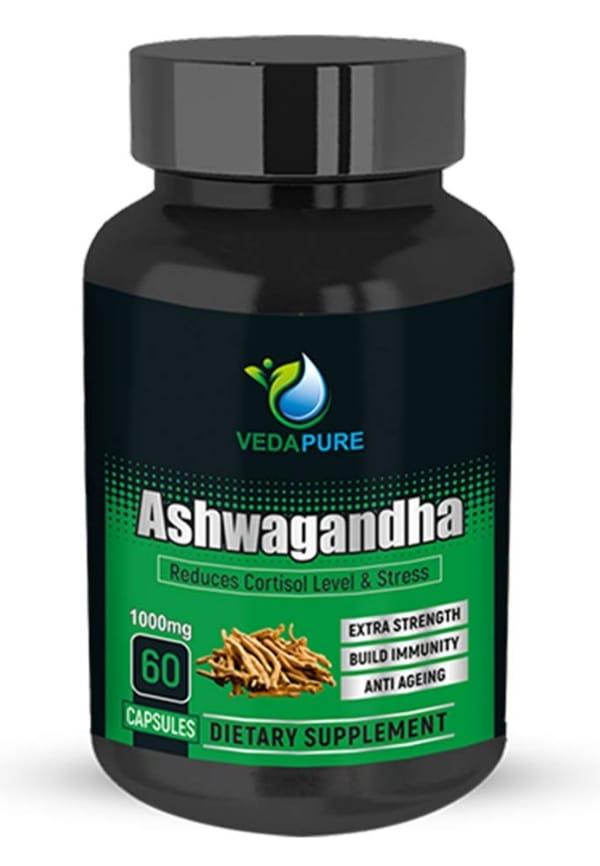
Ashwagandha Anxiety & Stress Relief
Lie on your back and bring the soles of your feet together, letting your knees fall open to the sides. Place pillows or cushions under your knees for support if needed. Rest your arms comfortably by your sides and close your eyes, staying here for 5-10 minutes whilst focusing on releasing tension in your hips and heart.
The connection between gentle movement and mental calm isn't just feel-good fluff—there's proper science behind it. When you practice beginner yoga for anxiety, you're essentially giving your nervous system a reset button. The slow, deliberate movements combined with focused breathing activate your parasympathetic nervous system, which is responsible for the "rest and digest" response.
Studies have shown that regular yoga practice can reduce cortisol levels, lower blood pressure, and improve mood regulation. The magic happens when you combine physical poses with breathing exercises for calm, creating a powerful tool for managing stress. Unlike high-intensity exercise that can sometimes increase anxiety in sensitive individuals, gentle yoga provides all the benefits without overstimulating your system.
What makes yoga particularly effective for anxiety is its emphasis on present-moment awareness. When you're focused on holding a pose and breathing deeply, your mind naturally shifts away from worrying about the future or ruminating on the past. This mindful movement for calm becomes a form of moving meditation that's accessible even to those who struggle with traditional sitting meditation.
Think of restorative yoga for beginners as the ultimate chill cousin of the yoga family. While regular yoga styles like Vinyasa or Ashtanga focus on building strength and flexibility through active movement, restorative yoga is all about passive relaxation and deep rest.
In restorative practice, you'll hold poses for much longer—sometimes 5-20 minutes—using props like bolsters, blankets, and blocks to support your body completely. The goal isn't to stretch deeper or build muscle; it's to create conditions where your nervous system can fully relax. This makes it perfect for yoga for sleep and relaxation, especially when practised in the evening.
Regular yoga classes often involve flowing between poses, building heat, and challenging your balance or strength. Restorative yoga, on the other hand, might include only 4-6 poses in an entire session, with the emphasis on complete surrender and letting go. It's particularly beneficial for people dealing with chronic stress, insomnia, or those who simply want to balance out more active forms of exercise.
Building a sustainable at-home yoga for beginners practice starts with realistic expectations and simple sequences. You don't need an hour-long session to feel the benefits—even 5-10 minutes of simple yoga stretches for peace can shift your entire day.
For a quick morning routine, try this 5-minute sequence: start in Child's Pose for 1 minute, move through 5 rounds of Cat-Cow, hold Downward Dog for 30 seconds, and finish with 2 minutes in Corpse Pose. This gentle wake-up helps set a calm tone for your day without requiring you to get up much earlier.
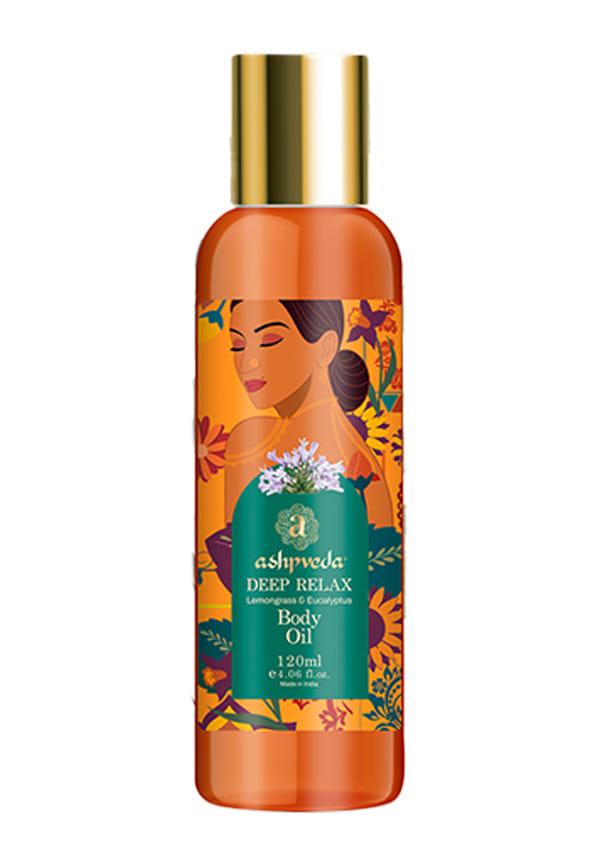
Deep Relax Body Oil with Lemongrass & Eucalyptus | Ayurvedic Massage Oil for Stress Relief, Muscle Tension & Skin Hydration | Lightweight & Fast Abso
Your evening routine should focus on releasing the day's tension. Begin with gentle neck rolls and shoulder shrugs, move into Reclined Bound Angle Pose for 5 minutes, practice Legs-Up-the-Wall for 10 minutes, and end with extended Corpse Pose while focusing on your breath. This sequence specifically supports yoga for sleep and relaxation.
Week 1-2: Master the basic poses, holding each for shorter periods. Week 3-4: Extend your practice time and add breathing techniques. Month 2: Experiment with longer holds and different pose combinations. Month 3: Develop your personal routine based on what feels best for your body and schedule.
Breath is the bridge between your body and mind, making breathing exercises for calm an essential part of any yoga practice. The beautiful thing about breathwork is that you can do it anywhere—no mat required.
Start with three-part breathing: place one hand on your chest and one on your belly. Breathe in slowly, filling your belly first, then your ribs, then your chest. Exhale in reverse order. This simple technique activates your vagus nerve and signals to your brain that you're safe to relax.
This technique is brilliant for moments of acute stress. Inhale for 4 counts, hold for 7, and exhale for 8. The extended exhale activates your parasympathetic nervous system, creating an immediate calming effect. Practice this before bed or whenever you feel overwhelmed.
Visualise drawing a square with your breath: inhale for 4, hold for 4, exhale for 4, hold for 4. This balanced breathing pattern helps regulate your nervous system and can be particularly helpful during stressful situations. The rhythm creates a meditative quality that supports yoga for inner peace.
Child's Pose is often considered the most universally calming pose because it creates a sense of safety and grounding. The forward fold naturally calms the nervous system, whilst the supported position allows for complete relaxation. If Child's Pose doesn't work for your knees, Legs-Up-the-Wall offers similar calming benefits with different positioning.
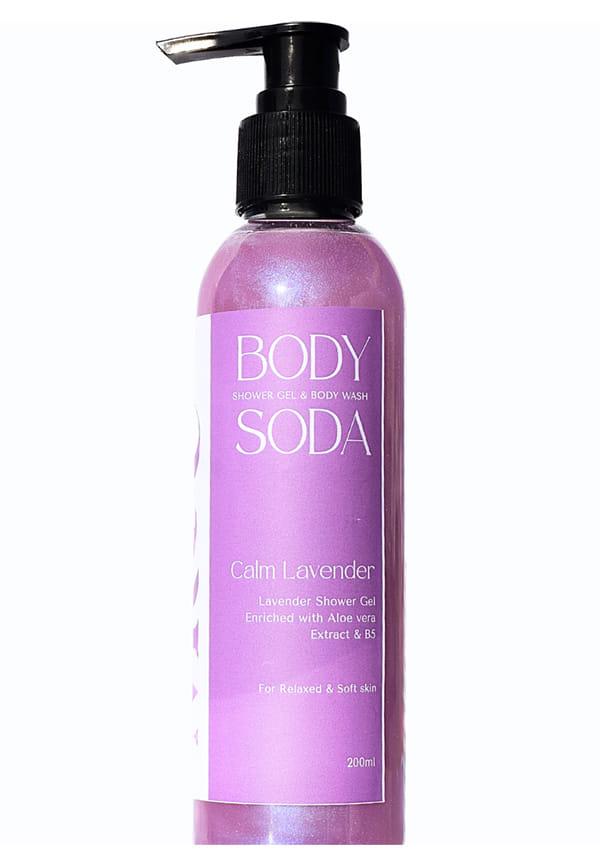
Calm Lavender Body Wash For Relaxed Skin
Calming and fragrant
 4
4“calming effect with great fragrance”
Start with 30 seconds to 2 minutes for active poses like Cat-Cow, and 3-10 minutes for passive poses like Child's Pose or Legs-Up-the-Wall. Listen to your body—if a pose feels uncomfortable, come out of it. The goal is relaxation, not endurance. As you become more comfortable, you can gradually extend the time.
Absolutely! Gentle, calming poses are safe for daily practice and can actually be more beneficial when done consistently. Unlike intense physical exercise, restorative yoga supports recovery rather than creating additional stress on your system. Even 5-10 minutes daily can make a significant difference in your stress levels and sleep quality.
Flexibility is not a prerequisite for yoga—it's often a result! Calming yoga poses can be modified with props like cushions, blankets, and blocks to accommodate any body. Remember, the goal is relaxation, not achieving a perfect pose. Your practice should feel good, not painful or straining.
Evening practice is ideal for promoting better sleep and unwinding from the day's stress. However, morning gentle yoga can help set a calm tone for your day. The key is consistency—choose a time that works with your schedule and stick to it. Even Smytten offers wellness products that can enhance your practice routine, making it easier to create a dedicated self-care space.
While a yoga mat provides stability, you can start with just a towel or carpet. Household items work brilliantly as props—pillows replace bolsters, books can substitute for blocks, and blankets provide warmth and comfort. The most important equipment is your willingness to slow down and breathe.
Calming yoga poses for beginners offer a gentle entry point into stress relief and relaxation without requiring advanced flexibility or strength. The five essential poses—Child's Pose, Legs-Up-the-Wall, Cat-Cow, Reclined Bound Angle, and Corpse Pose—can be practised safely at home with minimal equipment. Regular practice, even just 5-10 minutes daily, can significantly impact your stress levels, sleep quality, and overall well-being.
The key to success lies in consistency rather than perfection. Start small, listen to your body, and remember that yoga is a personal practice—what works for others might not work for you, and that's perfectly fine. Combine gentle movement with breathing exercises for maximum benefit, and don't hesitate to use props or modifications to make poses accessible for your body.
Starting a calming yoga practice is one of the kindest gifts you can give yourself, especially in our fast-paced world. As you explore these gentle poses and breathing techniques, remember that wellness is a journey of discovery. Just like Smytten allows you to try before you buy with their curated trial packs from trusted wellness brands, your yoga practice should be about exploring what feels right for your body and mind. With over 1,500 brands available on Smytten and 100% cashback on trials, you can discover complementary wellness products—from aromatherapy oils to calming teas—that enhance your practice. Whether you're seeking yoga for inner peace or simply want to unwind after a long day, the path to calm starts with a single breath and your willingness to try something new.
