Calcium for Men's Bones FAQ: All Your Questions Answered

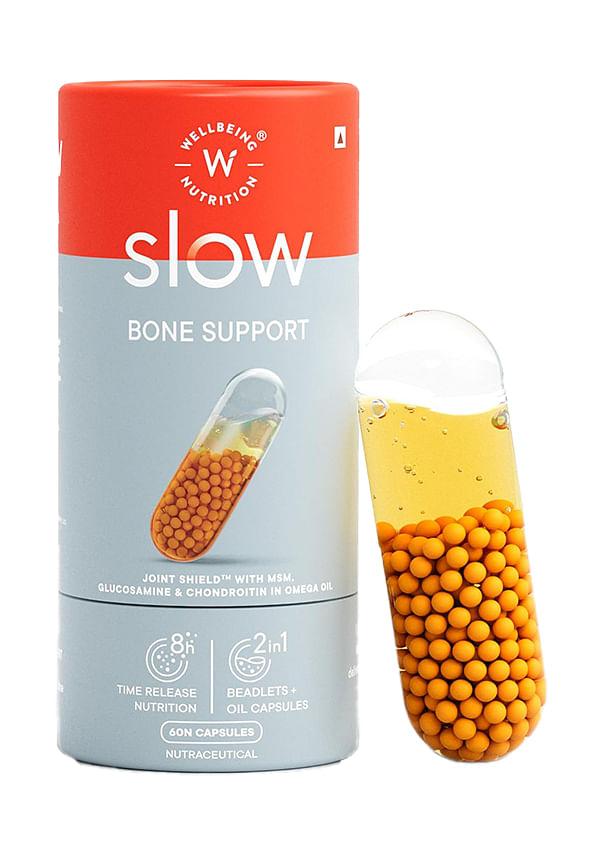
Slow Bone Support Capsule Men & Women | Bone and Joint Vitamin Supplements
Let's be real—when it comes to bone health, most conversations centre around women and osteoporosis. But here's the thing: men need calcium just as much, and the consequences of ignoring bone health can be pretty serious. Your bones are constantly rebuilding themselves, and calcium is the main building block they need to stay strong. Without enough calcium intake for men, you're basically setting yourself up for weaker bones, increased fracture risk, and potential osteoporosis down the line. Whether you're in your twenties building peak bone mass or in your fifties maintaining what you've got, understanding your calcium needs is crucial. That's where platforms like Smytten come in handy—offering trial packs of bone health supplements and wellness products so you can find what works for your body without the commitment of full-size purchases.
TL;DR
Men need 1,000mg of calcium daily (ages 19-70), increasing to 1,200mg after 70
Peak bone mass builds until age 30, then gradual loss begins—making early calcium intake crucial
Food sources like dairy, leafy greens, and fortified foods are often better than supplements
Vitamin D is essential for calcium absorption—they work as a team
Weight-bearing exercise combined with proper calcium intake gives the best results for maintaining strong bones
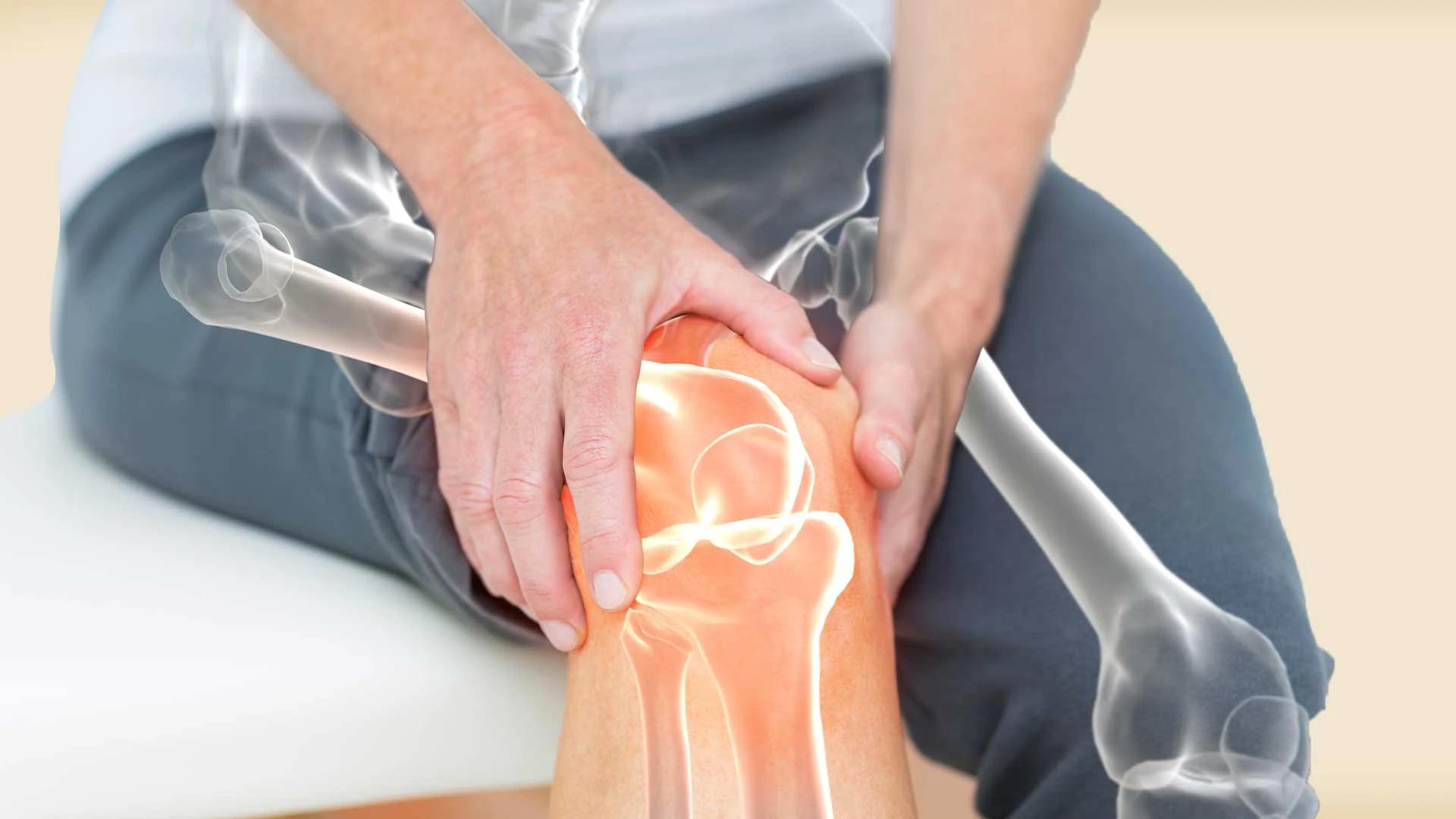
The importance of calcium for male bones goes way beyond what most blokes realise. Your skeleton isn't just a static frame—it's a living tissue that's constantly breaking down and rebuilding. This process, called bone remodelling, relies heavily on having enough calcium available. During your teens and twenties, your body builds bone faster than it breaks it down, helping you reach peak bone mass around age 30. After that, the balance shifts, and you start losing bone density gradually.
Here's where it gets interesting: men actually have a head start on women when it comes to bone health. You typically build about 25% more bone mass during those peak years, which gives you a buffer. But don't let that fool you into thinking you're immune to bone problems.
About one in four men over 50 will break a bone due to osteoporosis—that's not exactly a small number. The thing is, men's bones are generally larger and denser than women's, so when bone loss does happen, it often goes unnoticed until there's a fracture. Unlike women, who experience rapid bone loss after menopause, men's bone loss is more gradual but steady, starting around age 40.
Let's clear up some misconceptions. First, the idea that "only women get osteoporosis" is complete rubbish. Men account for about 20% of osteoporosis cases, and the consequences can be even more severe. Second, thinking you can "catch up" on calcium later in life isn't realistic—your body can only absorb so much at once, and building bone mass becomes much harder after 30.
Men's daily calcium needs are pretty straightforward, but the timing and absorption factors make it more complex than just hitting a number. The recommended daily intake varies by age, and understanding why these amounts matter can help you make better choices about your bone health strategy.
From ages 19 to 70, men need 1,000mg of calcium daily. That might sound like a lot, but it's roughly equivalent to three glasses of milk or a combination of dairy and other calcium-rich foods. After 70, the requirement jumps to 1,200mg because your body becomes less efficient at absorbing calcium, and bone loss accelerates.
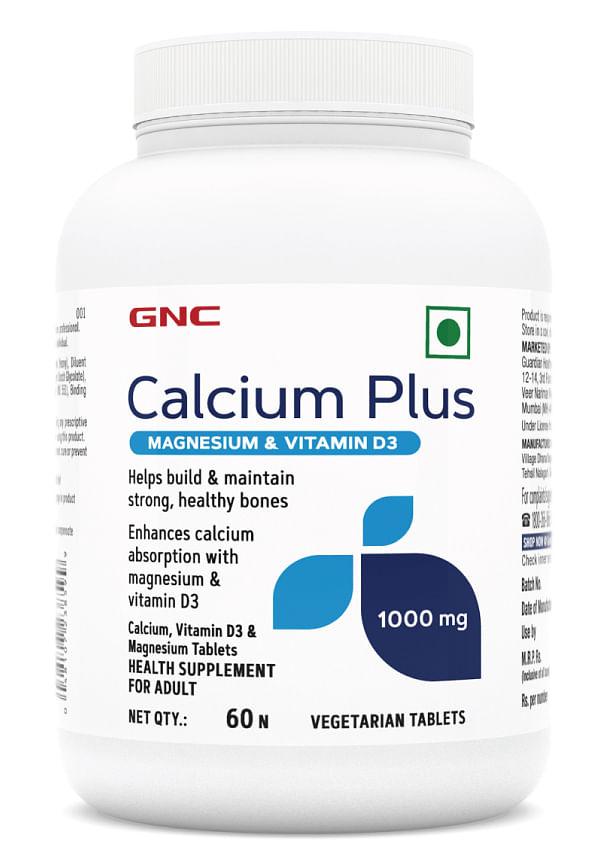
Calcium Plus 1000 mg with Magnesium and Vitamin D3 - Promotes Healthy & Strong Bones
If you're an athlete or particularly active, your needs might be slightly higher due to increased bone turnover from intense training. However, more isn't always better—your body can only absorb about 500mg of calcium at once, so spreading intake throughout the day is key.
This is where vitamin D and calcium for men become a power couple. Without adequate vitamin D, your body can only absorb about 10-15% of dietary calcium. With sufficient vitamin D, that jumps to 30-40%. Other factors like excessive caffeine, alcohol, and smoking can interfere with absorption, while certain medications (particularly proton pump inhibitors and steroids) can also impact how well your body uses calcium.
When it comes to getting your calcium, you've got options. The best calcium sources for men include both food and supplements, but there's definitely a hierarchy in terms of what your body prefers. Food sources generally come with additional nutrients that help with absorption and bone health, making them the gold standard.
Dairy products are the obvious champions here. A cup of milk contains about 300mg of calcium, while an ounce of cheddar cheese packs around 200mg. Greek yoghurt is particularly brilliant because it's high in protein too, which your bones also need. But if dairy isn't your thing, don't worry—there are plenty of alternatives.
Leafy greens like kale and collard greens are excellent sources, though you'll need larger portions to match dairy's calcium content. Canned sardines with bones are a fantastic option, providing about 325mg per 3.75-ounce tin, plus omega-3 fatty acids. Almonds, sesame seeds, and tahini are also solid choices, and many plant-based milks are fortified to match or exceed dairy milk's calcium content.
Supplements can be helpful if you're consistently falling short of your daily needs through food alone. Calcium carbonate is the most common form and contains the most elemental calcium, but it needs to be taken with food for proper absorption. Calcium citrate is more expensive but absorbs better on an empty stomach and might be easier on your digestive system.
The key is not to go overboard—taking more than 500mg at once is wasteful since your body can't absorb it effectively. If you need 1,000mg daily and only get 400mg from food, consider a 300mg supplement twice daily rather than one large dose.
Maintaining strong bones isn't just about calcium—it's about creating the right environment for bone health. Think of calcium as the bricks and other nutrients as the mortar and tools needed to build a strong wall. Without the supporting cast, even adequate calcium won't give you optimal bone health.
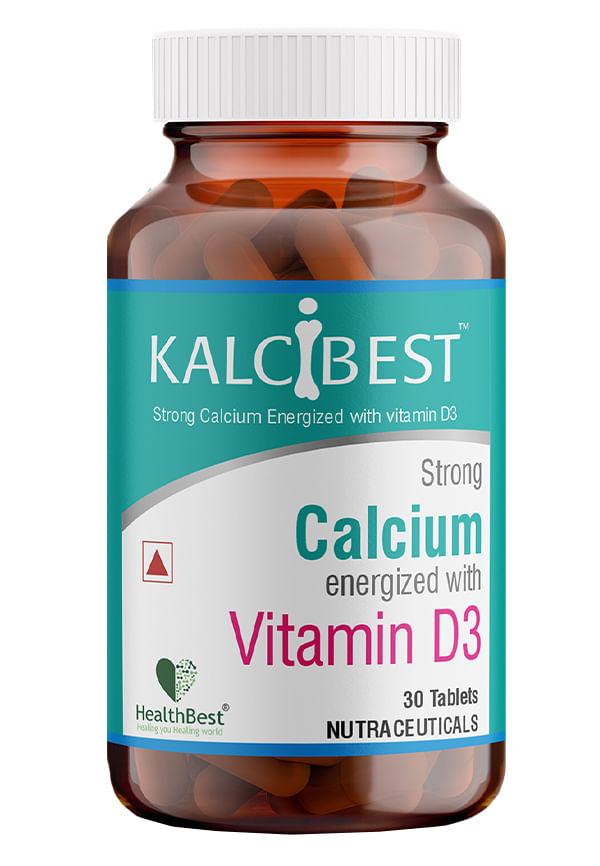
KalciBest Calcium Supplement Tablets for Men & Women - Promotes Joint Muscle & Strengthen Bone Health
Vitamin D is the star supporting actor here, but magnesium, phosphorus, and vitamin K2 also play crucial roles. Magnesium helps convert vitamin D to its active form and is involved in bone formation. About 60% of your body's magnesium is stored in bones, so deficiency can directly impact bone health. Vitamin K2 helps direct calcium to bones rather than soft tissues, which is why it's found in fermented foods and certain cheeses.
Weight-bearing exercise is non-negotiable for bone health. Your bones respond to stress by becoming stronger, so activities like walking, running, weightlifting, and even dancing signal your body to maintain and build bone mass. Resistance training is particularly effective because it targets multiple muscle groups and creates the kind of stress that bones love.
On the flip side, smoking accelerates bone loss, excessive alcohol interferes with bone formation, and a sedentary lifestyle basically tells your bones they're not needed. Even something as simple as taking the stairs instead of the lift can contribute to better bone health over time.
Your body can only absorb about 500mg of calcium in a single dose. This is why spreading your calcium intake throughout the day is more effective than taking one large supplement. If you need 1,000mg daily, aim for 2-3 smaller doses rather than one massive one.
It depends on the type. Calcium carbonate needs stomach acid to dissolve properly, so take it with meals. Calcium citrate can be taken anytime since it doesn't require stomach acid for absorption. Always check your supplement label for specific instructions.
Absolutely, but it requires some planning. Three servings of dairy or fortified alternatives daily, plus calcium-rich vegetables and other foods, can easily meet your needs. Many people find this easier and more enjoyable than relying on supplements.
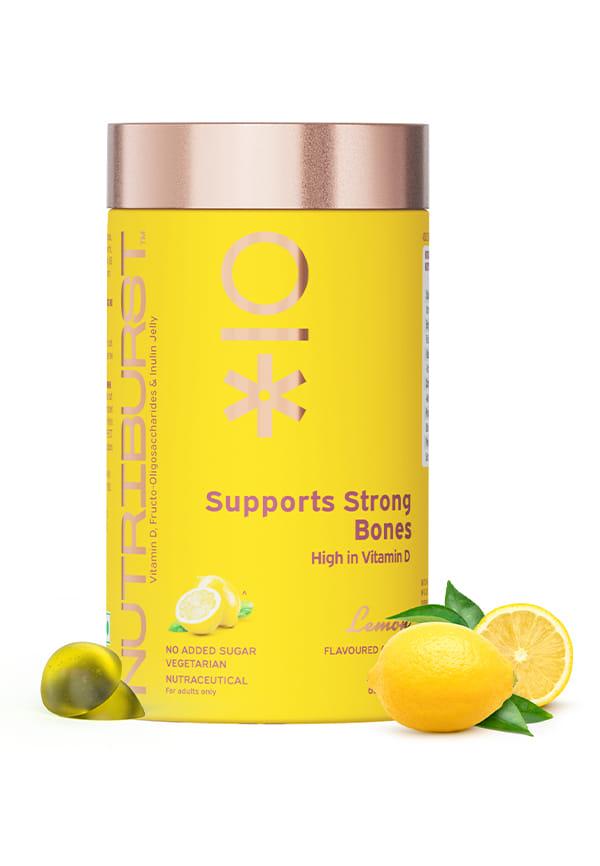
Support Muscle and Bones
Generally, no. The standard recommendations account for active lifestyles. However, if you're doing intense endurance training or have been advised by a sports nutritionist, your needs might be slightly higher. Focus on overall nutrition rather than just calcium.
Early calcium deficiency rarely has obvious symptoms since your body will pull calcium from bones to maintain blood levels. Long-term deficiency can lead to decreased bone density, increased fracture risk, and in severe cases, muscle cramps or numbness. Regular bone density testing is the best way to monitor your bone health.
Yes, excessive calcium intake (over 2,500mg daily) can interfere with the absorption of other minerals like iron and zinc, and may increase the risk of kidney stones. It might also contribute to cardiovascular issues, though research is ongoing. Stick to recommended amounts unless advised otherwise by a healthcare provider.
Your calcium needs remain steady at 1,000mg from ages 19-70, then increase to 1,200mg after 70. However, your body's ability to absorb calcium decreases with age, making it even more important to optimise absorption through adequate vitamin D and spreading intake throughout the day.
Several medications can impact calcium absorption, including proton pump inhibitors (for acid reflux), certain antibiotics, and corticosteroids. If you're on long-term medication, discuss with your doctor whether you need to adjust your calcium intake or timing. You can explore various bone health supplements available on Smytten to find options that work with your medication schedule.
Your bones are an investment that pays dividends throughout your life, and calcium is the foundation of that investment. The key is consistency rather than perfection—aim for 1,000mg daily through a combination of food sources and, if needed, supplements. Remember that calcium works best as part of a team with vitamin D, magnesium, and other bone-supporting nutrients.
Don't wait until you're older to start thinking about bone health. The habits you build now, whether you're 25 or 55, will determine how strong your bones are in the decades to come. Weight-bearing exercise, adequate nutrition, and avoiding bone-damaging habits like smoking are all within your control.
Most importantly, bone health isn't just about preventing fractures—it's about maintaining your independence, staying active, and feeling confident in your body's ability to support you through whatever life throws your way.
Taking charge of your bone health doesn't have to be complicated or expensive. Whether you're exploring calcium-rich foods, considering supplements, or looking for the right vitamin D to pair with your calcium intake, the key is finding what works for your lifestyle and sticking with it. Smytten makes this exploration easier by offering trial packs of bone health supplements and wellness products from trusted brands, so you can discover what your body responds to best without committing to full-size purchases. With over 1,500 brands available and the convenience of trying before you buy, you can build a bone health routine that's tailored to your needs. After all, why settle for guessing when you can try it all and find what truly works for your long-term bone health?
