Building Consistent Wellness Habits FAQ: Your Questions Answered


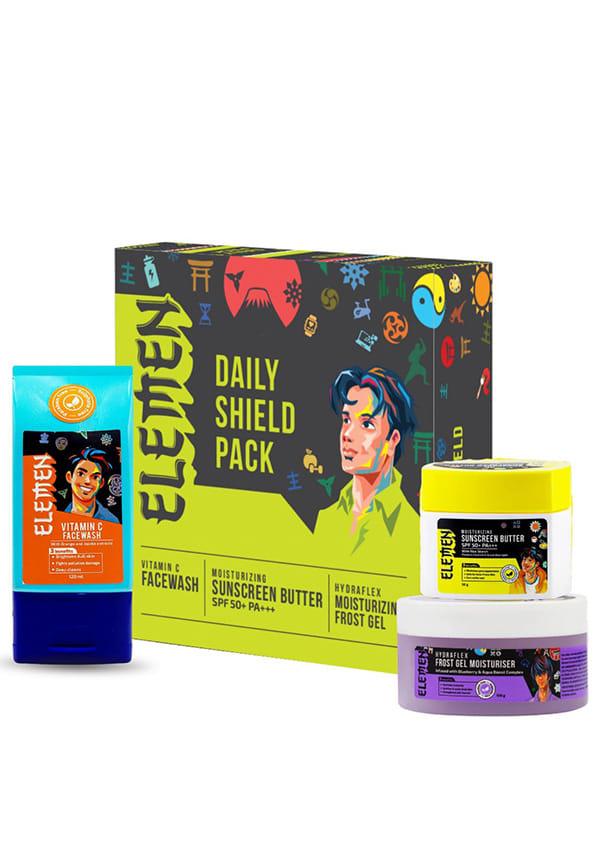
Daily Shield Pack (Vitamin C Facewash + Frost Gel Moisturizer + Sunscreen)
Building consistent wellness habits feels like one of those things everyone talks about but few actually master. You know the drill—January rolls around, you're all fired up about that morning yoga routine or drinking more water, and by February? Well, let's just say life happens. But here's the thing: creating sustainable wellness practices isn't about perfection or dramatic overhauls. It's about small, smart changes that actually stick. Whether you're trying to establish healthy routines for the first time or wondering why your previous attempts didn't work out, this guide breaks down everything you need to know about building habits that become second nature. From understanding the science behind habit formation to navigating real-world obstacles, we've got your back. Plus, with platforms like Smytten making it easier to trial wellness products before committing, there's never been a better time to experiment and find what truly works for your lifestyle.
Building consistent wellness habits takes 21-254 days depending on complexity, not the mythical 21 days
Start micro-small with 2-minute habits and stack them onto existing routines for better success rates
Focus on systems over motivation—design your environment to make healthy choices easier
Track progress meaningfully, plan for setbacks, and celebrate small wins to maintain momentum
Sustainable self-care means personalising practices to fit your schedule and lifestyle, not following trends
Let's get real about what we're actually talking about when we say "building consistent wellness habits." We're not referring to those dramatic lifestyle overhauls you see on social media or the latest wellness trend that promises to change your life in a week. Consistent wellness habits are small, repeatable actions that support your physical, mental, and emotional well-being over time. Think drinking a glass of water when you wake up, taking a five-minute walk after lunch, or doing three deep breaths before bed.
The science behind habit formation is fascinating and way more nuanced than that "21 days to form a habit" myth floating around. Research from University College London shows that building new habits actually takes anywhere from 18 to 254 days, with an average of 66 days. The timeline depends on the complexity of the habit, your current lifestyle, and how well the new behaviour fits into your existing routines. Simple habits like drinking water might stick in a few weeks, while complex ones like establishing a full morning routine could take months.
Here's why developing daily wellness practices matters beyond just feeling good about yourself. Studies consistently show that people with established healthy routines have lower rates of chronic diseases, better mental health outcomes, and higher life satisfaction. Your habits literally shape your brain through neuroplasticity—the more you repeat a behaviour, the stronger those neural pathways become. This means that maintaining a healthy lifestyle becomes easier over time, not harder.
Establishing healthy routines doesn't have to feel overwhelming when you break it down into manageable steps. This framework focuses on creating sustainable changes rather than quick fixes that burn out after a few weeks.
Your new habit should take less than two minutes to complete when you're starting out. Want to develop a meditation practice? Start with two minutes, not twenty. Planning to exercise daily? Begin with putting on your workout clothes. This approach works because it removes the mental resistance that kills most habit-building attempts before they begin.
Habit stacking is your secret weapon for developing daily wellness practices. Link your new habit to something you already do consistently. After I brush my teeth, I'll do ten squats. After I pour my morning coffee, I'll write down three things I'm grateful for. This technique leverages your existing neural pathways to build new ones.
Make the healthy choice the easy choice by tweaking your surroundings. Keep a water bottle on your desk, lay out your workout clothes the night before, or prep healthy snacks on Sunday. Your environment should nudge you towards your wellness goals, not work against them.
Choose one simple metric to track—whether it's checking off days you completed your habit or noting how you feel. The key is consistency in tracking, not perfection in execution. A simple calendar with X marks or a basic habit tracker app works better than complex systems you'll abandon.

Vitamin C Exfoliating Face Wash, Pure Aloe Vera Gold Gel and Steam Distilled Rose Water | For Glowing and Hydrated Skin | ChemicalFree Skincare Produ
Life will throw curveballs at your wellness routine. Plan for them. What will you do when you're travelling, sick, or dealing with a stressful period? Having a "minimum viable habit" version keeps you connected to your practice even when things get chaotic.
Share your goals with someone who'll check in on your progress without being judgmental. This could be a friend, family member, or online community. The key is finding someone who understands that building habits is a process, not a pass-or-fail test.
Your brain needs positive reinforcement to stick with new behaviours. Celebrate completing your habit for three days straight, a full week, or hitting any milestone that feels meaningful to you. These celebrations don't need to be big—a mental high-five or sharing your progress with a friend works perfectly.
Once your micro-habit feels automatic (usually after 2-4 weeks), slowly expand it. Two minutes of meditation becomes five, then ten. A short walk becomes a longer one. This gradual progression prevents overwhelm while building momentum.
Real talk: most self-care advice you see online isn't actually sustainable. Those elaborate morning routines and expensive spa treatments might look great on Instagram, but they're not realistic for most people's daily lives. Creating sustainable self-care means building practices that fit your schedule, budget, and energy levels—not the other way around.
Start by identifying what self-care actually means for you personally. For some, it's physical care like regular exercise or skincare routines. For others, it's mental care like reading, journaling, or learning new skills. Emotional self-care might involve setting boundaries, practicing gratitude, or connecting with loved ones. Your personal wellness strategies should address the areas where you feel most depleted.
Think of self-care as having different tools for different situations. Quick 5-minute tools for busy days might include deep breathing, listening to a favourite song, or applying a face mask. Medium 15-30 minute tools could be taking a bath, going for a walk, or doing some gentle stretching. Longer tools for weekends might include cooking a special meal, having a proper skincare routine, or pursuing a hobby.
The best self-care practices are ones you can weave into your existing routine. Listen to podcasts or audiobooks while commuting. Do calf raises while brushing your teeth. Practice gratitude while your coffee brews. These micro-moments of self-care add up without requiring extra time in your schedule.
Your self-care needs change with the seasons, your life circumstances, and your energy levels. What works in summer might not work in winter. A morning routine that fits your schedule during term time might need tweaking during holidays. Build flexibility into your practices so they can evolve with you rather than becoming another source of stress.

Advanced Activs Vitamin C Face Wash + Skin Glow Power Serum Combo
Achieving balanced living doesn't require a complete lifestyle overhaul—it's about integrating small, consistent practices throughout your day. The key is finding routines that support your energy levels and well-being without feeling like a chore.
Think of your day in three phases: morning foundation, workday maintenance, and evening restoration. Each phase serves a different purpose in maintaining your overall wellness, and the practices you choose should reflect that.
Your morning routine sets the tone for everything that follows. Start with hydration—your body has been without water for 6-8 hours, so drinking a glass of water upon waking helps kickstart your metabolism and brain function. Add some gentle movement, even if it's just stretching in bed or doing a few jumping jacks. Finally, include a moment of mindfulness, whether that's setting an intention for the day, practicing gratitude, or simply taking three conscious breaths.
Maintaining healthy lifestyle habits during busy workdays requires strategic micro-breaks. Set reminders to stand and stretch every hour, practice the 20-20-20 rule for eye health (every 20 minutes, look at something 20 feet away for 20 seconds), and take actual lunch breaks away from your workspace. These small practices prevent the accumulation of stress and physical tension throughout the day.
Your evening routine is about transitioning from the day's demands to rest and restoration. Create digital boundaries by setting a phone curfew, spend a few minutes reflecting on the day or planning tomorrow, and establish a consistent sleep preparation routine. This might include dimming lights, doing gentle stretches, or reading a few pages of a book.
Let's address the elephant in the room: why do most attempts at building long-term health habits fail? Understanding these common pitfalls helps you navigate around them rather than falling into the same traps that derail most people's wellness journeys.
The biggest culprit is all-or-nothing thinking. You miss one day of your new exercise routine and decide you've "failed," so you might as well give up entirely. This perfectionist mindset treats habit-building like a pass-or-fail test rather than a skill you're developing. Progress isn't linear, and expecting it to be sets you up for disappointment.
Motivation is unreliable—it comes and goes based on your mood, energy levels, and what's happening in your life. Instead of relying on feeling motivated, focus on building systems that make healthy choices easier. This means creating environmental cues, establishing routines, and removing friction from the behaviours you want to maintain.
"I don't have time" is often code for "this isn't a priority right now." That's okay—be honest about what you can realistically commit to. It's better to consistently do something small than to sporadically attempt something ambitious. Five minutes of daily movement beats an hour-long workout you only do once a week.
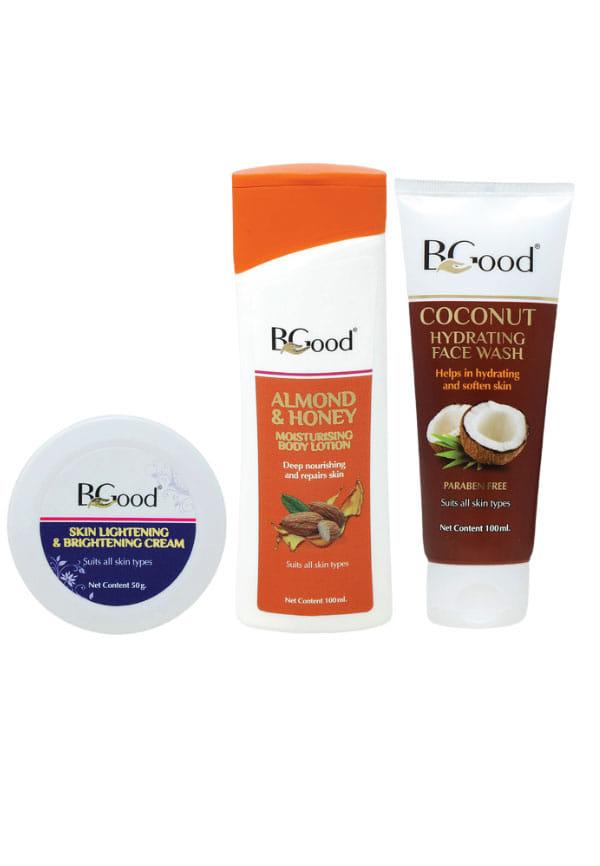
Almond & Honey Moisturising Body Lotion + Brightening Cream & Coconut Hydrating Face Wash
When you inevitably break your streak (and you will), have a plan for getting back on track. The key is resuming as quickly as possible without self-judgment. Treat it like missing a bus—you don't give up on transportation entirely; you catch the next one. The same principle applies to your wellness habits.
The 3-3-3 rule is a practical framework for habit formation: start with 3 minutes daily for the first 3 weeks, then evaluate after 3 months. This approach prevents overwhelm while building consistency. For wellness habits specifically, those first 3 minutes might be drinking water, doing light stretches, or practicing deep breathing. The 3-week mark is when the behaviour starts feeling more natural, and 3 months gives you enough data to assess whether the habit is truly serving your well-being goals.
The seven foundational wellness habits are: regular physical activity (even 10 minutes daily), balanced nutrition (focus on whole foods), quality sleep (7-9 hours nightly), stress management (through breathing, meditation, or other techniques), social connection (meaningful relationships), mental stimulation (learning, reading, puzzles), and purpose or meaning (activities that align with your values). These habits work synergistically—improving one often positively impacts the others.
Here's a prioritised list with implementation difficulty: 1) Drink water upon waking (easy), 2) Take daily walks (easy), 3) Practice gratitude (easy), 4) Eat one extra serving of vegetables daily (moderate), 5) Establish a consistent sleep schedule (moderate), 6) Practice deep breathing when stressed (easy), 7) Move your body for 20 minutes daily (moderate), 8) Limit screen time before bed (challenging), 9) Meal prep or plan ahead (challenging), 10) Regular social connection (moderate). Start with the easy ones to build momentum.
Research shows habit formation takes 18-254 days, with an average of 66 days. Simple habits like drinking water or taking vitamins form faster (18-30 days), while complex routines like regular exercise or meditation take longer (50-200+ days). Factors that speed up the process include starting small, linking to existing habits, consistent timing, and environmental design. The key is focusing on consistency over perfection during this formation period.
The top failure patterns are: setting unrealistic expectations, relying on motivation alone, trying to change too much at once, lacking environmental support, and giving up after missing a few days. Prevention strategies include starting micro-small, designing your environment for success, planning for obstacles, tracking progress simply, and having a "get back on track" plan. Remember, the goal is progress, not perfection.
Absolutely! Experimenting with different products can make wellness habits more enjoyable and sustainable. Whether it's finding the right skincare routine, discovering supplements that work for you, or trying new healthy snacks, having products you genuinely enjoy using makes consistency easier. Platforms like Smytten make this experimentation affordable by offering trial packs, so you can find what works without committing to full-size purchases upfront.
Building consistent wellness habits is a skill that improves with practice, not a destination you reach and maintain effortlessly. The most successful approach focuses on small, sustainable changes that compound over time rather than dramatic overhauls that burn out quickly. Start with micro-habits that take less than two minutes, stack them onto existing routines, and design your environment to support your goals.
Remember that setbacks are part of the process, not signs of failure. The difference between people who successfully maintain long-term health habits and those who don't isn't perfection—it's persistence and the ability to get back on track quickly after inevitable disruptions. Focus on systems over motivation, celebrate small wins, and be patient with the timeline. Your future self will thank you for the consistency you build today.
Creating lasting wellness habits is ultimately about making it easier to choose what's good for you, day after day. Whether you're exploring new skincare routines, trying different supplements, or discovering wellness products that make self-care more enjoyable, having access to trial options removes the guesswork from building your ideal routine. Smytten's trial packs let you experiment with wellness products from trusted brands before committing to full sizes, making it simpler to find what genuinely works for your lifestyle. With 100% cashback on trials and authentic brand-verified minis available across India, you can build your wellness habits with confidence, knowing you're investing in products that truly support your goals. After all, why settle for maybe when you can try it all and find what actually sticks?
