Benefits of Yoga for Stress: Your FAQ Answered
-65d01249-8838-4be8-a356-54403af050f7.webp&w=3840&q=75)

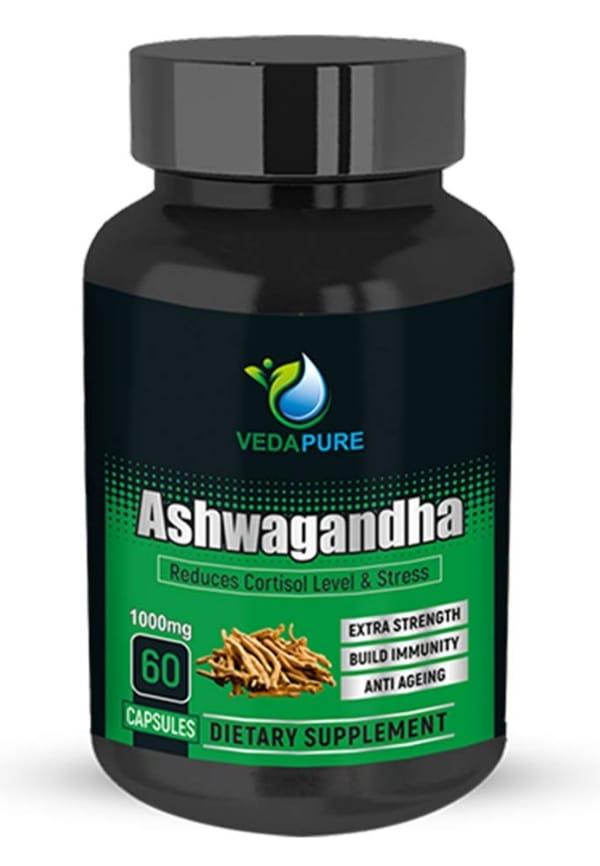
Ashwagandha Anxiety & Stress Relief
Feeling like stress has become your unwanted flatmate? You're definitely not alone. Between work deadlines, social pressures, and the general chaos of modern life, stress seems to follow us everywhere. But here's the thing—yoga might just be the game-changer you've been looking for. This ancient practice isn't just about fancy poses or flexibility; it's a proven stress-buster that works on both your mind and body. Whether you're dealing with daily anxiety or just need a way to unwind after a long day, yoga offers practical tools that actually work. From calming your nervous system to releasing physical tension, the benefits of yoga for stress are backed by science and loved by millions. Ready to discover how a few minutes on the mat could transform your relationship with stress? Let's dive into everything you need to know about using yoga as your personal stress-relief toolkit. And if you're curious about exploring wellness products that complement your yoga journey, platforms like Smytten make it easy to try before you commit to full-size purchases.
Yoga reduces stress by activating your parasympathetic nervous system and lowering cortisol levels
Mental health benefits include anxiety relief, improved mood, and better emotional regulation
Gentle styles like restorative, hatha, and yin yoga are perfect for stress relief
Simple poses like child's pose and legs-up-the-wall provide immediate calming effects
Combining breathwork with mindful movement creates powerful stress reduction techniques
Let's get real about what's actually happening in your body when you roll out that yoga mat. The benefits of yoga for stress aren't just feel-good fluff—there's solid science backing up why this practice works so well for calming your mind and body.
When you're stressed, your body kicks into fight-or-flight mode, flooding your system with cortisol and adrenaline. Yoga essentially hits the reset button, switching you from that panicked state to what's called the rest-and-digest response. This happens through controlled breathing and gentle movements that signal to your nervous system that it's safe to relax.
The magic really happens in your nervous system. Yoga activates your parasympathetic nervous system—think of it as your body's built-in chill pill. Through specific breathing techniques and poses, you're literally rewiring your stress response. Studies show that regular yoga practice can reduce cortisol levels by up to 23%, whilst boosting feel-good chemicals like GABA and endorphins.
Physical tension is another major player in the stress game. Your neck, shoulders, and back are like stress storage units, holding onto tension from hours of hunching over laptops or dealing with difficult situations. Yoga targets these areas specifically, releasing knots and tightness that contribute to that overall feeling of being wound up.
The mindfulness component is where yoga really shines as one of the most effective stress reduction techniques. By focusing on your breath and body in the present moment, you're giving your anxious mind a break from its usual worry spiral. It's like meditation in motion, helping you step out of stress-inducing thought patterns.
The mental health benefits of yoga go way beyond just feeling relaxed after class. This practice creates real, lasting changes in how your brain processes stress and emotions, making it a powerful tool for overall emotional well-being.
Yoga works brilliantly for anxiety relief because it interrupts the anxiety cycle at multiple points. When anxious thoughts start spiralling, the physical practice grounds you in your body, whilst breathing exercises calm your nervous system. It's like having a reset button for those moments when your mind starts racing.
Research shows that yoga can be as effective as some medications for reducing depression symptoms. The practice increases levels of GABA, a neurotransmitter that helps regulate mood, whilst also reducing inflammation in the brain—a key factor in depression. Plus, the sense of accomplishment from learning new poses can boost self-esteem and confidence.
One of the most fascinating aspects of yoga for emotional well-being is how physical postures can help release stored emotions. Hip openers, for instance, are famous for bringing up unexpected feelings. This isn't just new-age thinking—trauma and stress literally get stored in our tissues, and yoga provides a safe way to process and release these emotions.
The cognitive benefits are pretty impressive too. Regular practice improves focus, memory, and decision-making abilities. When your mind isn't constantly dealing with stress, it has more bandwidth for creativity and problem-solving. Many people find they can think more clearly and handle challenges with greater ease after establishing a consistent yoga routine.
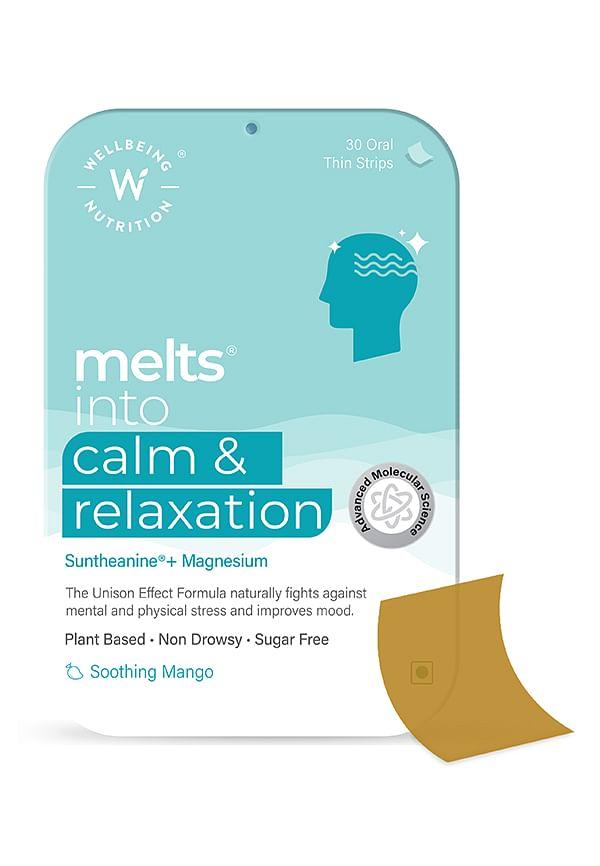
Melts Calm & Relaxation Plant Based Stress & Anxiety Reliever
Not all yoga is created equal when it comes to stress relief. Whilst any movement can be beneficial, certain styles are specifically designed to calm your nervous system and promote deep relaxation. Let's explore the most effective options for yoga for relaxation.
This is the ultimate gentle yoga for stress. Restorative yoga uses props like bolsters, blankets, and blocks to support your body in passive poses that you hold for 5-20 minutes. It's like giving your nervous system a spa day. The extended hold times allow your body to fully surrender and activate that all-important rest-and-digest response.
Perfect for beginners, hatha yoga focuses on slower movements and longer holds. The emphasis on coordinating breath with movement makes it an excellent choice for stress management. You'll have time to really focus on your breathing and body awareness without feeling rushed or overwhelmed.
Yin yoga targets deep connective tissues through long-held poses, typically 3-5 minutes each. This style is incredibly meditative and allows for both physical and emotional release. It's particularly effective for people who carry stress in their hips, shoulders, and back.
When stress hits hard, you need poses that work fast. These calming yoga poses are your go-to toolkit for coping with stress through yoga, whether you're at home, in the office, or anywhere you can find a quiet spot.
Child's Pose (Balasana) is like a warm hug for your nervous system. Kneel on the floor, touch your big toes together, and sit back on your heels. Open your knees hip-width apart and fold forward, extending your arms in front of you or alongside your body. This pose instantly creates a sense of safety and introspection.
Legs-Up-the-Wall (Viparita Karani) is a game-changer for anxiety. Lie on your back near a wall and extend your legs up against it. This gentle inversion helps blood flow back to your heart and signals to your nervous system that it's time to relax. Hold for 5-15 minutes for maximum benefit.
Cat-Cow Stretch releases tension in your spine whilst coordinating breath with movement. Start on hands and knees, arch your back whilst lifting your head (cow), then round your spine whilst tucking your chin (cat). The flowing movement helps release physical and emotional tension.
Forward Fold (Uttanasana) creates an inward focus that naturally calms the mind. Stand with feet hip-width apart and fold forward from your hips, letting your arms hang heavy. The inversion aspect helps quiet mental chatter.
Corpse Pose (Savasana) might look like just lying down, but it's actually one of the most challenging and beneficial poses. Lie flat on your back, arms slightly away from your body, palms facing up. Focus on releasing tension from every part of your body, starting from your toes and working up to your head.
The breath is where the real magic happens in yoga. Mindfulness and yoga work together through conscious breathing to create profound shifts in your stress levels and overall well-being. These techniques are like having a portable stress-relief toolkit that you can use anywhere.
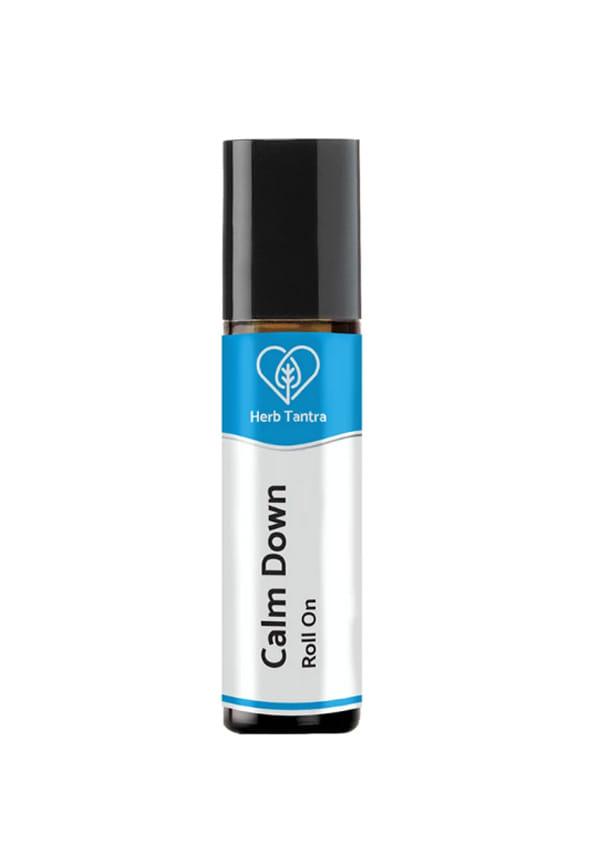
Calm Down Anxiety Relief Roll-On
Pranayama, or breath control, is fundamental to yoga's stress-busting powers. Deep, conscious breathing activates your vagus nerve, which directly communicates with your brain to switch off the stress response. Even just five minutes of focused breathing can dramatically shift your state of mind.
The 4-7-8 breathing technique is brilliant for immediate anxiety relief. Inhale for 4 counts, hold for 7, and exhale for 8. This pattern naturally slows your heart rate and calms your nervous system. It's particularly effective when you're feeling overwhelmed or can't sleep due to stress.
Box breathing is another powerful tool for yoga for nervous system regulation. Inhale for 4 counts, hold for 4, exhale for 4, and hold empty for 4. This creates a steady rhythm that helps balance your autonomic nervous system and brings immediate calm.
Mindful movement takes yoga beyond just physical exercise. By connecting each movement with your breath and staying present with the sensations in your body, you're training your mind to stay in the moment rather than spiralling into stress-inducing thoughts about the past or future.
The beauty of these practices is that you can take them off the mat. Whether you're stuck in traffic, dealing with a difficult conversation, or feeling overwhelmed at work, these breathing techniques provide instant access to calm.
Building a sustainable yoga practice for stress relief doesn't require hours of daily commitment or advanced poses. The key is finding what works for your lifestyle and stress levels, then building consistency around those practices.
Start with just 10-15 minutes daily. Focus on basic poses like child's pose, gentle twists, and simple breathing exercises. The goal is to create a habit, not to master complex poses. Even five minutes of conscious breathing can provide significant yoga for anxiety relief.
Quick desk yoga sequences can be lifesavers during stressful periods. Simple neck rolls, seated spinal twists, and breathing exercises can be done between classes or meetings. Consider keeping a yoga mat at your office or dorm room for easy access to longer sessions when time permits.
Longer restorative sessions of 30-45 minutes can provide deeper healing for chronic stress patterns. Focus on gentle, supported poses and extended relaxation periods. Consider working with a qualified instructor who understands trauma-informed yoga approaches.
Yoga reduces stress through multiple mechanisms: it activates your parasympathetic nervous system, lowers cortisol levels, releases physical tension, and promotes mindfulness. The combination of movement, breathing, and meditation creates a powerful stress-reduction effect that works on both physical and mental levels. Most people notice some immediate benefits, whilst long-term changes typically develop over 4-8 weeks of regular practice.
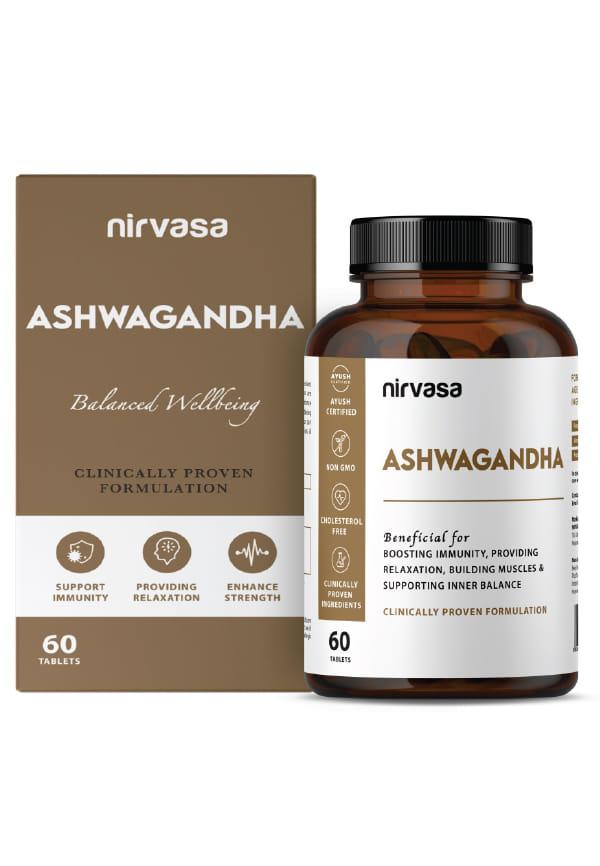
Ashwagandha Tablets | Elevates Strength, Stress Relief & Boosts Immunity
You can experience immediate stress relief from yoga—even a single session can lower cortisol levels and activate relaxation responses. However, the most significant benefits come with consistent practice. Many people notice improved sleep and reduced anxiety within the first week, whilst deeper changes in stress resilience typically develop over several months.
Yoga is incredibly effective but works best as part of a comprehensive stress management approach. It complements other techniques like therapy, medication, proper sleep, and healthy lifestyle choices rather than replacing them. If you're dealing with severe anxiety or depression, it's important to work with healthcare professionals alongside your yoga practice.
Both morning and evening practice have unique benefits. Morning yoga sets a calm tone for the day and builds stress resilience, whilst evening practice helps you unwind and process the day's tensions. The best time is whenever you can be consistent—even a few minutes during lunch break can be beneficial.
Absolutely not! You can start with just a comfortable space on the floor. A yoga mat is helpful but not essential initially. Many effective stress-relief poses can be done in regular clothes without any props. Online videos and apps make it easy to learn at home, though in-person classes can provide valuable guidance for beginners.
Consistency matters more than duration. Daily practice, even if just 5-10 minutes, is more beneficial than longer sessions once or twice a week. For stress management, aim for at least 3-4 sessions per week, gradually building up as it becomes a natural part of your routine. Listen to your body and adjust frequency based on your stress levels and schedule.
Flexibility is a result of yoga, not a requirement! Many people start yoga specifically because they feel stiff and stressed. The beauty of yoga for stress relief is that it meets you where you are. Modifications and props can make any pose accessible, and the stress-reduction benefits come from the breathing and mindfulness aspects as much as the physical postures.
The benefits of yoga for stress are both immediate and long-lasting, making it one of the most effective natural approaches to stress management. The science is clear: regular yoga practice can significantly reduce cortisol levels, improve emotional regulation, and build resilience against daily stressors.
Remember that you don't need to be flexible, experienced, or have hours of free time to benefit from yoga. Even simple breathing exercises and gentle poses can provide powerful stress relief. The key is consistency rather than perfection—a few minutes of mindful practice daily will serve you better than sporadic longer sessions.
Whether you choose restorative yoga for deep relaxation, hatha yoga for gentle movement, or simple breathing techniques for quick relief, the most important step is starting. Your future, less-stressed self will thank you for taking that first step onto the mat.
Stress doesn't have to be your constant companion, and yoga offers a proven path to greater calm and resilience. As you explore different wellness practices and products that support your stress-relief journey, Smytten makes it easy to discover what works best for you. With curated trial packs from over 1,500 trusted wellness brands, you can try before you buy, ensuring you find the perfect products to complement your yoga practice. From aromatherapy oils to relaxation teas, Smytten's 100% cashback on trials means you can explore stress-relief products without the financial stress. After all, why settle for 'maybe' when you can #TryItAll and find your perfect wellness routine?
