Benefits of Morning Routine FAQ: Your Questions Answered



Active Start Breakfast Kit
Ever wondered why some people seem to have their life together while others struggle to get out of bed? The secret might just be in how they start their day. Morning routines aren't just trendy wellness content—they're backed by solid science and can genuinely transform how you feel, think, and perform. From reducing stress to boosting productivity, the benefits of morning routine practices are real and measurable. Whether you're a night owl trying to become a morning person or someone looking to optimise their existing habits, understanding these benefits can help you create a daily routine that actually works. On Smytten, you'll find wellness products that can support your morning rituals, making it easier to build habits that stick.
Morning routines reduce stress and anxiety by creating structure and predictability in your day
Science shows that consistent morning habits boost productivity, mental clarity, and decision-making abilities
A good morning routine improves sleep quality and helps regulate your circadian rhythm
Building sustainable morning rituals takes about 21-66 days, depending on the complexity of habits
The key is starting small and customising your routine to fit your lifestyle, not copying someone else's
Let's be real—morning routines aren't just Instagram-worthy content. Research from the National Alliance on Mental Illness shows that structured morning habits can reduce cortisol levels by up to 23%, which translates to less stress throughout your day. When you have a predictable sequence of morning rituals, your brain doesn't have to make as many decisions early on, preserving mental energy for more important tasks later.
The science behind morning routine benefits is pretty fascinating. Your circadian rhythm—basically your body's internal clock—responds incredibly well to consistent patterns. When you wake up and do the same wellness routine each day, you're essentially training your body to be more alert and energised at the right times. Studies published in the Journal of Health Psychology found that people with structured morning habits reported 31% better mood stability and 27% improved focus compared to those without routines.
The research is clear: morning habits create a ripple effect that influences your entire day. From mental health improvements to physical wellness gains, here's what actually happens when you commit to a healthy morning routine.
When your morning feels chaotic, your whole day follows suit. A structured start reduces decision fatigue and creates a sense of control that your nervous system absolutely loves. Research shows that people with consistent morning rituals have 40% lower cortisol spikes compared to those who wing it every day.
Here's where it gets interesting—your brain is naturally more focused in the morning due to higher levels of cortisol and lower distractions. A productive morning routine capitalises on this natural state, helping you tackle important tasks when your mental clarity is at its peak.
Your morning routine actually starts working on tonight's sleep quality. Consistent wake times and morning light exposure help regulate melatonin production, making it easier to fall asleep and wake up naturally. It's like setting your body's internal clock to work with you, not against you.
Morning movement, even just 10 minutes, kickstarts your metabolism and improves circulation. Studies show that people who include physical activity in their morning habits report 35% higher energy levels throughout the day compared to those who exercise later or not at all.
Your prefrontal cortex—the part responsible for complex thinking—is freshest in the morning. A wellness routine that includes mindfulness or planning helps you make better decisions and think more clearly when it matters most.

Night Kiss Body Lotion & Hand Lotion Daily Skin Moisture
Good Smell & Skin Suitable
 5
5“good smell and suitable for my skin.”
Good Smell & Skin Suitable
5“good smell and suitable for my skin.”
Good Smell & Skin Suitable
5“good smell and suitable for my skin.”
Building an effective morning routine isn't about copying what works for someone else—it's about understanding the core elements that science says matter most. The best morning habits combine physical activation, mental preparation, and intentional planning to set you up for success.
Your brain needs time to fully wake up before being bombarded with notifications and information. Starting with 15-30 minutes of phone-free time allows your cortisol levels to naturally regulate and prevents that overwhelming feeling that comes from diving straight into digital chaos.
This doesn't mean you need to become a gym person overnight. Simple stretching, a short walk, or even dancing to your favourite song counts. The goal is to get your blood flowing and signal to your body that it's time to be awake and alert.
Whether it's meditation, journaling, or simply sitting quietly with your morning drink, giving your mind space to process and prepare is crucial. This component of your daily routine helps reduce anxiety and improves emotional regulation throughout the day.
Spending 5-10 minutes identifying your top priorities prevents that scattered feeling that comes from reactive living. When you start your day right with clear intentions, you're more likely to feel accomplished and in control by evening.
You've probably seen various morning routine frameworks floating around social media. While there's no one-size-fits-all approach, understanding these popular methods can help you find elements that work for your lifestyle and schedule.
This method breaks down into 5 minutes of meditation, 5 minutes of stretching, 5 minutes of journaling, and 30 minutes of reading or learning. It's designed to hit multiple wellness areas without feeling overwhelming. The beauty of this approach is that it's only 45 minutes total, making it realistic for most people.
The 20/20/20 rule suggests spending 20 minutes each on movement, reflection, and learning. This method, popularised by productivity experts, creates a balanced start that addresses physical, emotional, and intellectual needs. It's particularly effective for people who want a more substantial morning routine but still need to get to work on time.
The 5 AM club gets a lot of attention, but research shows that the benefits come from consistency and quality, not necessarily the specific time. If you're naturally a night owl, forcing a 5 AM wake-up might actually decrease your productivity. The key is finding a wake time that gives you enough uninterrupted morning space while aligning with your natural chronotype.
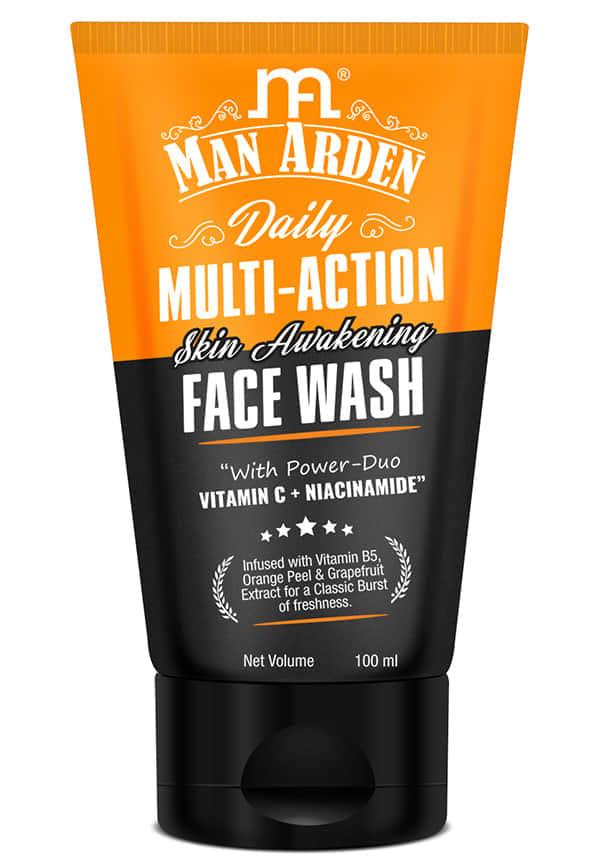
Vitamin C Daily Multi-Action Skin Awakening & Brightening Face Wash Vitamin C + Niacinamide
Shift workers, parents, and students all need different approaches to morning habits. The principles remain the same—structure, movement, mindfulness, and intention—but the timing and duration can be adapted. Even a 10-minute morning routine checklist can provide significant benefits when done consistently.
Creating a sustainable healthy morning routine is more about understanding yourself than following someone else's blueprint. The most successful morning rituals are built gradually and adapted to fit real life, not perfect Instagram scenarios.
Before changing anything, spend a week tracking what you naturally do in the mornings. Notice when you feel most alert, what activities energise you, and what tends to stress you out. This baseline helps you identify what's already working and what needs adjustment.
If you have 20 minutes, don't try to fit in a 45-minute routine. If you hate meditation, don't force it—try journaling or quiet music instead. The best morning habits are ones you'll actually want to do, not ones you feel you should do because they work for someone else.
Start with just one element for the first week, then gradually add components. Research shows it takes 21-66 days to form a habit, depending on complexity. Beginning with something simple like drinking a glass of water or doing three deep breaths sets you up for success rather than overwhelm.
Keep a simple log of how you feel after your morning routine—energy levels, mood, and overall satisfaction. This data helps you identify which elements provide the most benefits and which might need tweaking. Remember, your wellness routine should evolve with your life circumstances.
Let's address the elephant in the room—maintaining morning habits isn't always easy. Life happens, schedules change, and motivation fluctuates. The key to long-term success is anticipating these challenges and having strategies ready.
Time constraints are the biggest obstacle most people face. If you only have 10 minutes, focus on one meaningful activity rather than rushing through multiple elements. A short, consistent daily routine beats an elaborate one you can only manage twice a week. For busy schedules, consider preparing the night before—laying out workout clothes, setting up your journal, or preparing your morning drink ingredients.
Lack of motivation often strikes when the initial excitement wears off. This is normal and expected. The trick is making your routine so simple that you can do it even when you don't feel like it. On low-motivation days, commit to just one element of your morning rituals. Often, starting with something small leads to completing the full routine anyway.
Family obligations and shared spaces require creativity and communication. If you live with others, discuss your morning routine goals and find ways to minimise disruption. Sometimes this means waking up 15 minutes earlier or finding a quiet corner of your home. Remember, even a modified version of your routine is better than skipping it entirely.

Daily Advance Ultra Hydrating Lotion
Great Experience, Good Product
5“great experience , good product”
Great Experience, Good Product
5“great experience , good product”
Great Experience, Good Product
5“great experience , good product”
Morning routines create structure and predictability that reduce stress and decision fatigue. They help regulate your circadian rhythm, improve mental clarity, and set a positive tone for the entire day. Research shows that people with consistent morning habits report better mood stability, increased productivity, and improved overall wellbeing.
The 5-5-5-30 method involves 5 minutes of meditation, 5 minutes of stretching or light movement, 5 minutes of journaling or reflection, and 30 minutes of reading or learning something new. This 45-minute routine is designed to address mental, physical, and intellectual wellness without being overwhelming.
The 20/20/20 rule suggests dedicating 20 minutes each to movement (exercise or stretching), reflection (meditation or journaling), and learning (reading or skill development). This creates a balanced hour-long morning routine that addresses multiple aspects of personal development.
The benefits of early rising depend on your natural chronotype and lifestyle. While 5 AM works for some people, research shows that consistency matters more than the specific time. Night owls forcing themselves to wake at 5 AM might actually experience decreased productivity. The key is finding a wake time that provides uninterrupted morning space while aligning with your natural sleep patterns.
Habit formation typically takes 21-66 days, depending on the complexity of the routine and individual factors. Simple habits like drinking water upon waking might stick within 2-3 weeks, while more complex routines involving multiple activities may take 2-3 months to feel automatic. Starting small and building gradually increases your chances of success.
You can still benefit from morning structure even if you're naturally a night owl. Start with a very simple routine—perhaps just 5-10 minutes of gentle activities. Focus on consistency rather than duration, and gradually adjust your sleep schedule by 15 minutes earlier each week if you want to shift your natural rhythm.
Absolutely. Students often see significant improvements in focus, memory retention, and stress management with consistent morning habits. Even a simple routine of reviewing notes, doing light stretching, or setting daily intentions can improve academic performance and overall wellbeing. The key is adapting the routine to fit class schedules and study demands.
Morning routines provide structure and predictability, which are crucial for mental health stability. They create a sense of control and accomplishment early in the day, reduce anxiety through familiar patterns, and often include mindfulness or reflection components that support emotional regulation. Many wellness products available on Smytten can support these mental health benefits through aromatherapy, skincare rituals, or nutritional supplements.
The benefits of morning routine practices extend far beyond just feeling more organised—they create a foundation for better mental health, increased productivity, and improved overall wellbeing. The science is clear: consistent morning habits reduce stress, enhance focus, and help regulate your body's natural rhythms. Whether you choose the 5-5-5-30 method, the 20/20/20 rule, or create your own approach, the key is starting small and building gradually.
Remember that the best morning routine is one you'll actually stick to, not the most impressive one you've seen online. Focus on consistency over perfection, and don't be afraid to adjust your routine as your life circumstances change. Even a simple 10-minute morning ritual can provide significant benefits when done regularly. The goal isn't to become someone else—it's to create a daily routine that supports the person you want to be.
Building a morning routine that works for you is a journey of self-discovery and gradual improvement. As you explore different wellness products and practices to support your morning rituals, Smytten offers an excellent way to try before you buy. With India's largest collection of trial packs from trusted wellness brands, you can discover which products genuinely enhance your morning routine without committing to full-size purchases. From aromatherapy oils for meditation to energising skincare products, Smytten's curated minis let you experiment with different elements until you find what truly works for your lifestyle. With 100% cashback on trials and authentic brand-verified products available across PAN-India, you can build your perfect morning routine through smart, affordable discovery. After all, why settle for 'maybe' when you can #TryItAll and create morning habits that genuinely transform your days?
