Benefits of Mindful Living Habits FAQ: Your Questions Answered



Retexture Renew Exfoliating Body Lotion
Ever wondered why everyone's talking about mindful living these days? It's not just another wellness trend that'll fade away—the benefits of mindful living habits are backed by solid science and real-world results. From better sleep to sharper focus, reduced stress to improved relationships, mindful living is basically like giving your brain and body a daily upgrade. Whether you're dealing with work pressure, relationship drama, or just feeling overwhelmed by life's constant demands, developing mindful habits can be your secret weapon for navigating it all with more ease and clarity. At Smytten, we've noticed how wellness products that support mindful living have become some of our most tried and loved items, showing just how much people are craving this kind of balance in their lives.
TL;DR
Mindful living habits offer scientifically-proven benefits including reduced stress, improved focus, better sleep, and enhanced emotional regulation
Daily wellness habits like morning mindfulness routines and present-moment awareness can transform your mental clarity and productivity
Effective stress reduction strategies through mindful living include body scan practices, mindful movement, and emergency mindfulness tools
Self-care routines that incorporate emotional well-being tips support personal growth and healthier relationships
Research shows conscious living benefits extend to physical health, neuroplasticity changes, and long-term wellness outcomes
Let's be real—the benefits of mindful living habits go way beyond just feeling zen for five minutes. We're talking about actual, measurable changes that can transform how you experience life. Research consistently shows that people who practice mindfulness regularly see improvements across multiple areas of their wellbeing.
On the physical side, mindfulness practices can lower your blood pressure, improve sleep quality, and even boost your immune system. Your body literally starts functioning better when you're not constantly running on stress mode. Mental health benefits are equally impressive—studies show reduced anxiety levels, better depression management, and improved emotional resilience.
Mental clarity techniques rooted in mindfulness can sharpen your focus like nothing else. When you train your brain to stay present, you're essentially building your concentration muscles. This means fewer distractions, better decision-making, and that satisfying feeling of actually finishing what you started.
Stress reduction strategies through mindful living work because they help you respond rather than react. Instead of your emotions hijacking your day, you develop the ability to pause, breathe, and choose how you want to handle whatever life throws at you.
Your daily wellness habits are like the foundation of a house—get them right, and everything else becomes more stable. Mental clarity techniques woven into your routine can completely change how sharp and focused you feel throughout the day.
Morning mindfulness routines set the tone for everything that follows. Even just five minutes of conscious breathing or gentle stretching can help your brain shift from sleep mode to focused productivity. It's like giving your mind a proper warm-up before the day's marathon begins.
Improved focus techniques don't have to be complicated. Simple practices like taking three conscious breaths before checking emails or doing a quick body scan during lunch breaks can maintain your mental clarity when work gets intense.
End-of-day mindfulness helps your brain process everything that happened, rather than carrying mental clutter into your sleep. This creates space for fresh thinking the next day.
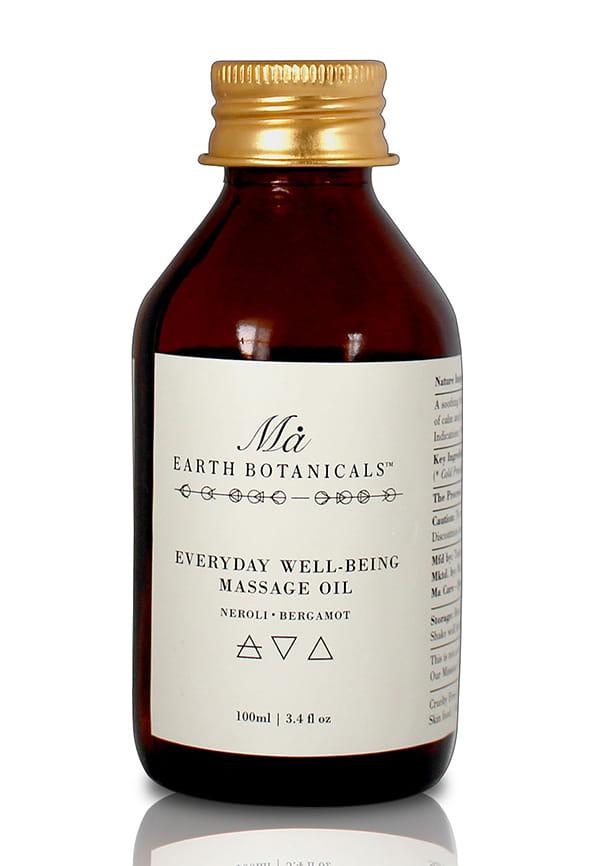
Everyday Well-Being Massage Oil
Living in the present moment becomes easier when you're intentional about your relationship with technology. Setting boundaries around phone use and creating tech-free zones can dramatically reduce mental overwhelm.
Stress reduction strategies that actually work aren't about eliminating stress completely—that's impossible. Instead, they're about changing your relationship with stress so it doesn't control your life. Living in the present moment is one of the most powerful tools for this transformation.
Present-moment awareness techniques work because stress usually comes from worrying about the future or ruminating about the past. When you anchor yourself in what's happening right now, you often discover that this moment is actually manageable, even if your thoughts are telling you otherwise.
Your body holds stress in ways you might not even notice. Regular body scans help you identify and release physical tension before it becomes chronic pain or fatigue.
Movement doesn't have to mean intense workouts. Mindful walking, gentle yoga, or even conscious stretching can shift your nervous system from stress mode to calm mode surprisingly quickly.
For those moments when stress hits hard, having go-to techniques like the 4-7-8 breathing pattern or the 5-4-3-2-1 grounding exercise can help you regain control when everything feels chaotic.
Self-care routines that incorporate emotional well-being tips aren't just about bubble baths and face masks (though those can be lovely too). Real self-care is about developing personal growth habits that help you understand and manage your emotional landscape with more skill and compassion.
Daily emotional check-ins are like taking your emotional temperature. Just asking yourself "How am I feeling right now?" and actually listening to the answer can prevent small frustrations from becoming major meltdowns.
Mindful boundary setting means paying attention to how different people and situations affect your energy. When you're aware of these patterns, you can make choices that protect your emotional well-being.

Hydrating Mist With Rose I Rejuvinating Freshener I Treating Acne on Face I Tightening pores & Minimizing Aging lines
Personal growth habits include noticing the voice in your head and choosing to speak to yourself with the same kindness you'd show a good friend. This shift alone can transform your relationship with yourself.
Emotional well-being tips extend to how you connect with others. Mindful listening and conscious communication can deepen your relationships and reduce interpersonal stress.
The research on conscious living benefits is pretty mind-blowing when you dig into it. We're not talking about wishful thinking here—neuroscience has shown that regular mindfulness practice literally changes your brain structure. Areas associated with learning, memory, and emotional regulation get stronger, while the parts linked to stress and fear become less reactive.
Studies tracking people over months and years show that mindfulness practices can reduce inflammation markers in the blood, improve immune function, and even slow cellular aging. One landmark study found that people who practiced mindfulness for eight weeks showed measurable changes in brain areas associated with attention and sensory processing.
Your brain's ability to rewire itself (neuroplasticity) means that conscious living benefits compound over time. The more you practice, the more natural these positive changes become.
Companies investing in mindfulness training for employees consistently see improvements in focus, creativity, and job satisfaction. It turns out that when people feel more centred, they perform better at pretty much everything.
Research shows that mindful people tend to have more satisfying relationships, better communication skills, and increased empathy. These social benefits create positive feedback loops that enhance overall life satisfaction.
The top five benefits include reduced stress and anxiety, improved focus and concentration, better emotional regulation, enhanced sleep quality, and stronger immune function. These benefits often start showing up within just a few weeks of consistent practice.

Herbal Vitamin C Moisturizing Body Lotion
Beyond the core five, mindful living also brings increased self-awareness, better pain management, improved relationships, enhanced creativity, greater life satisfaction, reduced blood pressure, better digestive health, increased patience, improved memory, and a stronger sense of purpose.
For most people, mindfulness is safe and beneficial. However, some individuals with certain mental health conditions might find that intensive meditation brings up difficult emotions or memories. It's always wise to start gently and consult a healthcare provider if you have concerns.
Many people notice immediate effects like feeling calmer or more focused after just one mindful breathing session. More substantial changes in stress levels, sleep quality, and emotional regulation typically develop over 2-8 weeks of regular practice.
While mindfulness can be incredibly helpful, it's not a replacement for professional mental health treatment when needed. Think of it as a valuable complement to, not a substitute for, proper medical or psychological care.
Meditation is a formal practice where you set aside time to train your attention. Mindful living is about bringing that same quality of awareness to everyday activities—eating, walking, talking, working. You can live mindfully without formal meditation, though many find the combination most beneficial.
Start small with just 2-3 minutes of conscious breathing each morning, or try eating one meal per day without distractions. The key is consistency rather than duration. Available on Smytten are various wellness products that can support your mindfulness journey, from aromatherapy essentials to calming teas.
The benefits of mindful living habits extend far beyond temporary stress relief—they're about fundamentally changing how you experience life. From improved mental clarity and emotional regulation to better physical health and stronger relationships, mindfulness practices offer a comprehensive approach to wellbeing that's backed by solid science.
The beauty of mindful living is that you don't need to overhaul your entire life to start seeing benefits. Small, consistent changes in how you approach daily activities can create ripple effects that transform your overall quality of life. Whether it's taking three conscious breaths before checking your phone or practising gratitude during your evening routine, these simple shifts can lead to profound changes over time.
Remember, developing mindful habits is a journey, not a destination. Be patient with yourself as you explore what works best for your lifestyle and needs. The goal isn't perfection—it's progress towards a more conscious, intentional way of living that supports your overall wellbeing.
Smytten is India's largest product discovery and trial platform, connecting consumers with top lifestyle, beauty, wellness, and grooming brands that support mindful living. At its core, Smytten offers curated trial packs from over 1,500 trusted brands, letting you explore wellness products that complement your mindfulness journey before committing to full-size purchases. Whether you're looking for aromatherapy essentials, calming teas, or skincare products that turn your routine into a mindful ritual, you can get up to 8 minis for just ₹249 with 100% cashback on trials. With over 25 million users and authentic brand-verified minis delivered across 27,000+ pincodes, Smytten helps you discover products that truly support your wellbeing goals. After all, why settle for 'maybe' when you can try before you buy and find what genuinely enhances your mindful living practice?
