Benefits of Gentle Movement FAQ: Your Questions Answered

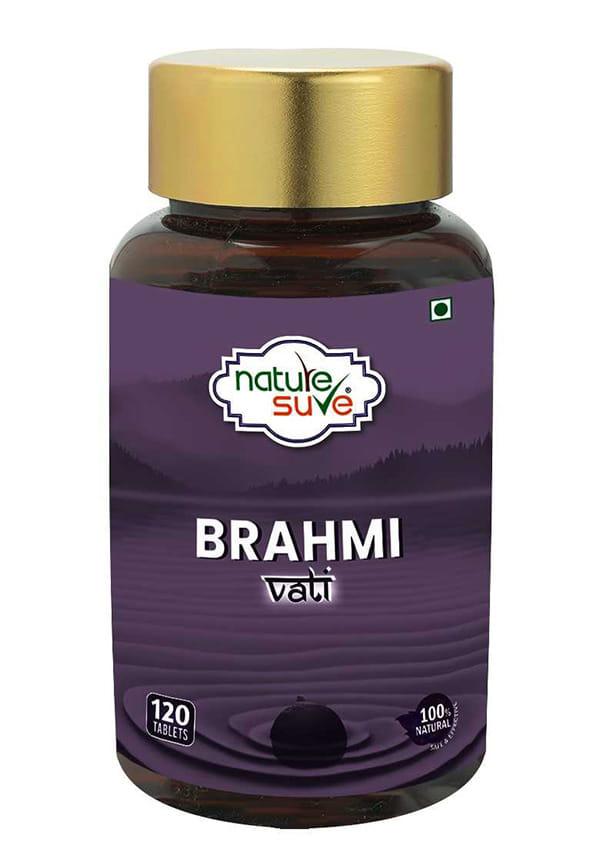
Brahmi Vati 120 Buddhiwardhak Ayurvedic Tablets
Let's be real—when you think about exercise, your mind probably jumps to intense gym sessions, sweaty HIIT workouts, or running until you can barely breathe. But here's the thing: gentle movement might just be the wellness game-changer you've been sleeping on. From mindful stretching to slow walks in the park, the benefits of gentle movement are backed by solid science and could be exactly what your body and mind need. Whether you're dealing with a packed schedule, recovering from an injury, or simply want to explore a more sustainable approach to fitness, gentle movement offers a refreshing alternative that's worth considering. At Smytten, we believe in trying it all when it comes to wellness—and that includes discovering movement practices that actually work for your lifestyle.
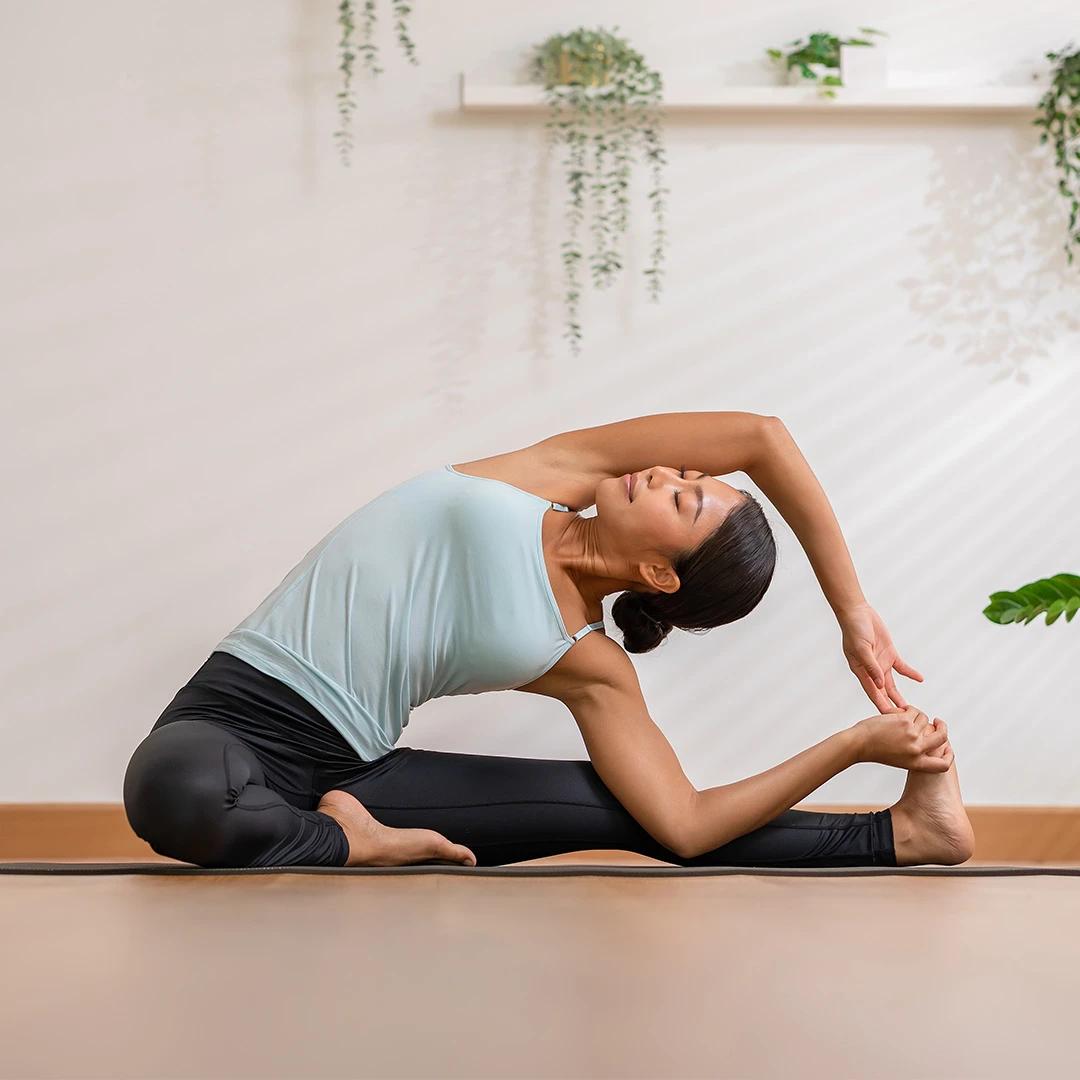
Gentle movement includes activities like yoga, tai chi, walking, and gentle stretching that focus on slow, controlled, mindful approaches to fitness
Science shows gentle exercise benefits include improved cardiovascular health, better mental wellbeing, enhanced flexibility, and reduced stress levels
Low impact movement is perfect for all fitness levels and can complement or even replace high-intensity workouts depending on your goals
Therapeutic movement helps with specific conditions like arthritis, chronic fatigue, and mental health challenges whilst being accessible to everyone
Starting a gentle movement practice requires minimal equipment and can be adapted to fit any schedule or physical limitation
Gentle movement is exactly what it sounds like—physical activity that prioritises slow, controlled, and mindful approaches over high-intensity, high-impact exercises. Think of it as the opposite of those brutal workout videos that leave you questioning your life choices. Instead, gentle movement focuses on activities that feel good whilst still providing genuine health benefits.
The core characteristics of gentle movement include being low impact, emphasising proper form over speed, and incorporating mindfulness into physical activity. This approach includes practices like yoga, tai chi, gentle stretching, walking, swimming, and even some forms of dance. What makes these activities special is their focus on body awareness and the mind-body connection rather than pushing yourself to exhaustion.
Unlike sedentary behaviour (which involves minimal movement), gentle movement keeps your body active whilst respecting its limits. It's particularly brilliant for beginners, people with chronic conditions, those recovering from injuries, or anyone who wants to maintain fitness without the intensity that traditional workouts demand. The beauty of mindful movement advantages lies in their accessibility—you don't need special equipment, expensive gym memberships, or hours of free time to get started.
Absolutely, and the research backs this up completely. Studies consistently show that gentle exercise benefits are real and measurable, debunking the old "no pain, no gain" mentality that's dominated fitness culture for decades. Research published in various medical journals demonstrates that even light physical activity can significantly improve cardiovascular health, mental wellbeing, and overall quality of life.
What's particularly interesting is how gentle movement compares to high-intensity workouts. Whilst intense exercise certainly has its place, gentle movement offers unique advantages that high-intensity training simply can't match. For instance, gentle exercise is more sustainable long-term, causes less stress on joints and muscles, and is more accessible to people of all fitness levels and ages.
The benefits of light activity extend beyond just physical health. Research shows that gentle movement can be just as effective as intense exercise for improving mood, reducing anxiety, and enhancing sleep quality. Plus, it's much easier to maintain consistency with gentle movement, which is crucial for long-term health benefits. For beginners, gentle movement provides an excellent foundation for building fitness habits without the intimidation factor that often comes with traditional gym workouts.
The physical benefits of gentle movement are honestly quite impressive when you look at the research. Your body responds positively to consistent, low-impact activities in ways that might surprise you. From your heart to your bones, gentle movement supports multiple body systems without placing excessive stress on any single area.
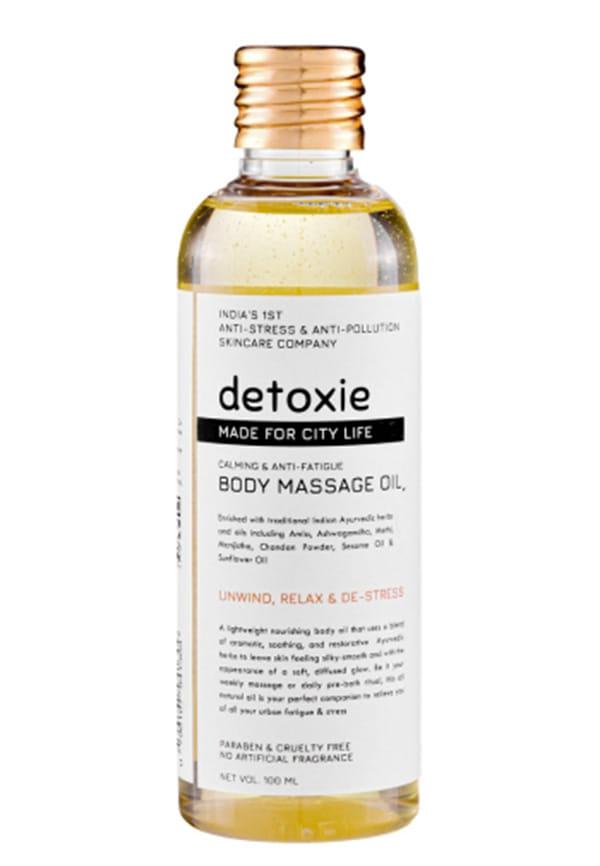
Calming & Anti-Fatigue Body Massage Oil
Gentle movement works wonders for your heart health. Regular walking, swimming, or yoga can improve circulation, help regulate blood pressure, and support healthy cholesterol levels. The slow exercise for health approach allows your cardiovascular system to adapt gradually, building endurance without overwhelming your heart.
Your lymphatic system also gets a boost from gentle movement. Unlike your circulatory system, the lymphatic system doesn't have a pump (like your heart), so it relies on muscle contractions to move lymph fluid around your body. Gentle movement provides just enough muscle activation to support this process, helping with detoxification and immune function.
Mobility exercises and gentle stretching work brilliantly for maintaining and improving joint health. Regular gentle movement helps keep joints lubricated, reduces stiffness, and can even slow down age-related joint deterioration. This is particularly important as we get older and our joints naturally become less flexible.
Muscle strength doesn't require heavy weights or intense resistance training. Gentle movement activities like yoga, tai chi, and bodyweight exercises can help maintain muscle mass and strength, especially when performed consistently. The therapeutic movement approach focuses on functional strength—the kind you actually use in daily life.
One of the most underrated benefits of gentle movement is its impact on balance and coordination. Activities like tai chi and yoga specifically target proprioception—your body's ability to sense its position in space. This is crucial for preventing falls, especially as we age.
Core stability naturally improves through many gentle movement practices. Unlike traditional core workouts that might focus on crunches or planks, gentle movement strengthens your core through functional movements that translate to better posture and reduced back pain in daily life.
The mental health benefits of gentle movement are honestly just as impressive as the physical ones. There's something magical about the combination of physical activity and mindfulness that creates a perfect storm for mental wellbeing. The body movement for wellness approach recognises that our physical and mental health are deeply interconnected.
Gentle movement acts as a natural stress reliever by helping regulate cortisol levels. Unlike high-intensity exercise, which can temporarily spike stress hormones, gentle movement tends to have a calming effect on your nervous system. This makes it particularly beneficial for people dealing with chronic stress or anxiety.
The mindful movement advantages extend to mood regulation as well. Regular gentle movement has been shown to be as effective as some medications for managing mild to moderate depression. The combination of physical activity, fresh air (if you're moving outdoors), and the meditative quality of gentle movement creates a powerful mood-boosting cocktail.
Sleep quality often improves significantly with regular gentle movement practice. Unlike intense evening workouts that might leave you too energised to sleep, gentle movement in the evening can actually help prepare your body for rest. The mind-body connection strengthened through gentle movement also contributes to better sleep patterns and deeper, more restorative rest.
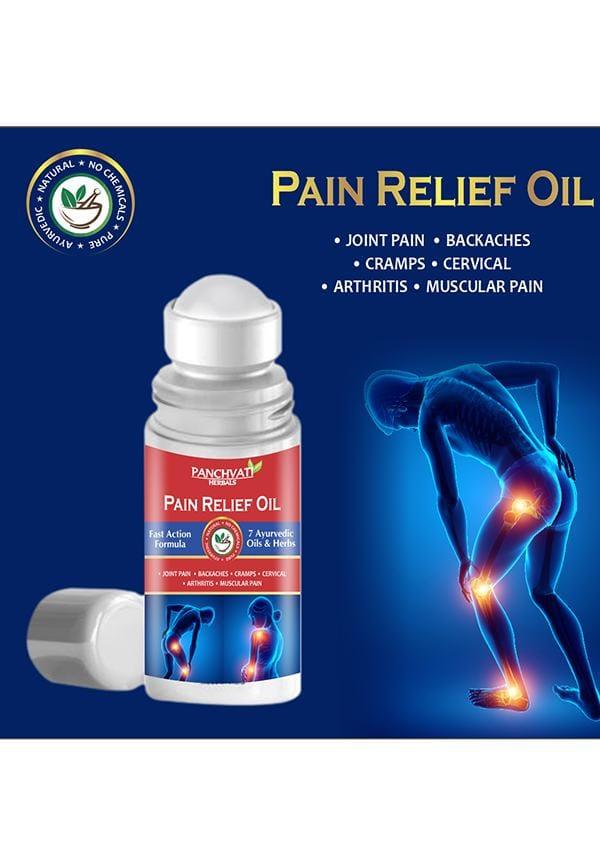
Dard Shakti Pain Relief Massage Oil
One of the most brilliant aspects of gentle movement is its therapeutic potential for various health conditions. Restorative movement can be particularly beneficial for people dealing with chronic conditions that make traditional exercise challenging or uncomfortable.
For arthritis and joint pain, gentle movement can be absolutely transformative. Water-based exercises, gentle yoga, and tai chi can help maintain joint mobility whilst reducing pain and stiffness. The key is finding the right balance between movement and rest, which therapeutic movement practices excel at providing.
People with chronic fatigue syndrome often find that gentle movement helps manage their symptoms better than complete rest or intense exercise. The gradual, mindful approach allows them to stay active without triggering post-exertional malaise—a common issue with more intense forms of exercise.
During pregnancy and postpartum recovery, gentle movement provides a safe way to maintain fitness and support physical and mental health. Prenatal yoga, walking, and gentle stretching can help with common pregnancy discomforts whilst preparing the body for childbirth and recovery.
Starting a gentle movement practice is refreshingly simple compared to launching into an intense fitness routine. The beauty lies in its accessibility—you can literally start where you are, with what you have, right now. Begin by honestly assessing your current fitness level and any physical limitations or health conditions you need to consider.
Setting realistic goals is crucial for success. Instead of aiming for dramatic transformations, focus on consistency and how movement makes you feel. Your goals might include moving for 10 minutes daily, improving flexibility, reducing stress, or simply establishing a sustainable routine that you actually enjoy.
The gentle stretching benefits become apparent quite quickly, often within the first week of consistent practice. Start with simple stretches you can do at home—neck rolls, shoulder shrugs, gentle spinal twists, and basic leg stretches. These require no equipment and can be done in your pyjamas if that's what works for you.
Equipment needs are minimal for most gentle movement practices. A yoga mat is helpful but not essential—a towel on carpet works fine to start. Comfortable clothes that allow for movement and perhaps some supportive trainers for walking are really all you need. The low barrier to entry is one of the major advantages of gentle movement over traditional gym-based fitness routines.
Daily gentle movement is ideal, but even 3-4 times per week can provide significant benefits. The key is consistency rather than duration. Start with 10-15 minutes daily and gradually increase as it becomes a natural part of your routine. Listen to your body and adjust frequency based on how you feel.
The 3-3-3 rule suggests walking for 3 minutes every 3 hours, 3 times per day. This simple approach breaks up sedentary time and provides gentle movement throughout the day. It's particularly useful for people with desk jobs or those who find it challenging to set aside longer periods for exercise.
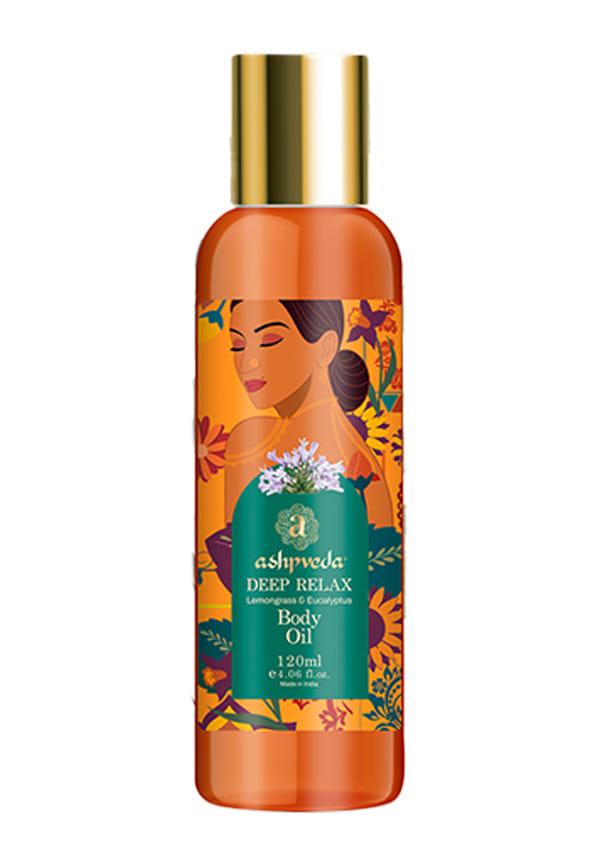
Deep Relax Body Oil with Lemongrass & Eucalyptus | Ayurvedic Massage Oil for Stress Relief, Muscle Tension & Skin Hydration | Lightweight & Fast Abso
For many people, gentle movement can provide all the health benefits they need. However, it depends on your specific goals. If you're training for athletic performance, you'll likely need some higher-intensity work. For general health, stress management, and longevity, gentle movement can absolutely be your primary form of exercise.
Many people notice improvements in mood and energy levels within the first week. Physical changes like improved flexibility and reduced stiffness typically appear within 2-4 weeks. Cardiovascular and strength benefits usually become noticeable after 6-8 weeks of consistent practice. Remember, the benefits of gentle movement are cumulative and long-lasting.
Whilst gentle movement burns fewer calories than intense exercise, it can absolutely support weight management. The sustainability factor is crucial—you're more likely to stick with gentle movement long-term, which is key for maintaining a healthy weight. Plus, gentle movement helps reduce stress-related eating and improves sleep, both important factors in weight management.
Gentle movement can be particularly beneficial for chronic pain management, but it's essential to work with healthcare providers to develop an appropriate routine. Many people find that gentle movement helps reduce pain levels and improves quality of life. Start very slowly and pay attention to how your body responds. You can discover wellness products that support your movement practice available on Smytten, from muscle relief balms to aromatherapy oils that enhance relaxation.
The benefits of gentle movement extend far beyond what many people realise. This approach to fitness offers a sustainable, accessible way to improve both physical and mental health without the intensity and potential drawbacks of high-impact exercise. From cardiovascular health to stress reduction, gentle movement provides comprehensive wellness benefits that can transform your daily life.
The beauty of gentle movement lies in its adaptability. Whether you're a complete beginner, dealing with health challenges, or simply looking for a more mindful approach to fitness, gentle movement can be tailored to meet your needs. The low impact movement approach respects your body's limits whilst still providing meaningful health benefits.
Starting a gentle movement practice doesn't require major lifestyle changes or expensive equipment. Simple activities like walking, gentle stretching, or basic yoga poses can be the foundation of a transformative wellness routine. The key is consistency and listening to your body's needs rather than pushing through pain or discomfort.
Gentle movement represents a refreshing shift away from the "no pain, no gain" mentality that has dominated fitness culture. It's about finding joy in movement, respecting your body's needs, and building sustainable habits that support long-term health and wellbeing. Just as Smytten believes you should never have to settle when it comes to discovering the right products for your lifestyle, the same principle applies to finding movement practices that truly work for you. With India's largest minis collection of wellness products available on Smytten, you can explore everything from muscle recovery balms to aromatherapy essentials that complement your gentle movement practice. The platform's try before you buy approach means you can discover what supports your wellness journey without the commitment of full-size purchases. After all, why settle for maybe when you can try it all and find what genuinely enhances your gentle movement routine?
