Beginner Stress Relief Yoga FAQ: Your Questions Answered

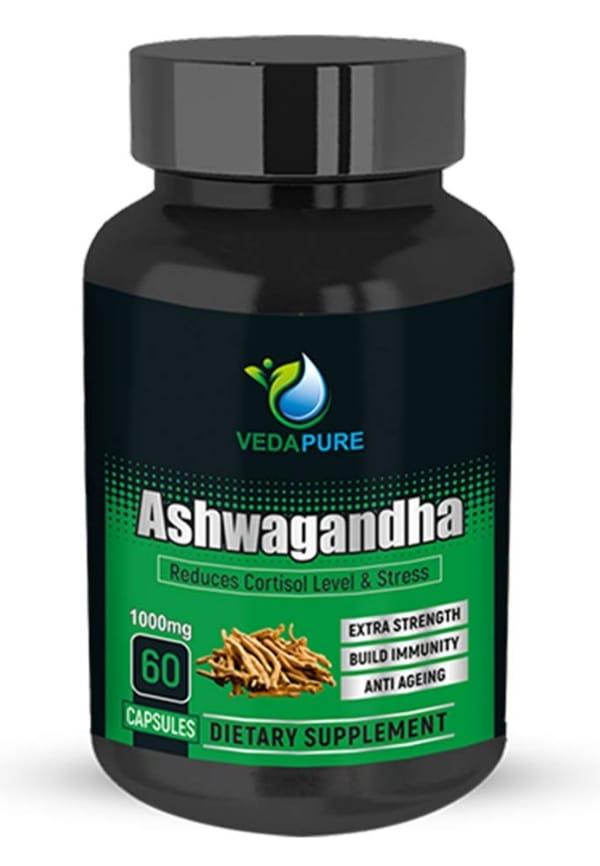
Ashwagandha Anxiety & Stress Relief
Feeling overwhelmed by daily stress and wondering if yoga might be your answer? You're not alone. Beginner stress relief yoga has become a go-to solution for millions seeking natural ways to manage anxiety and find inner calm. Whether you're dealing with work pressure, relationship stress, or just the general chaos of modern life, gentle yoga for stress can offer the reset your mind and body desperately need. The beauty of yoga for relaxation lies in its accessibility—you don't need to be flexible, strong, or experienced to start reaping the benefits. At Smytten, we understand the importance of wellness in your daily routine, which is why we've curated this comprehensive guide to answer all your burning questions about starting your stress relief yoga journey.
Beginner stress relief yoga is accessible to everyone, regardless of fitness level or flexibility
Simple poses like Child's Pose and Legs-Up-the-Wall can provide immediate stress relief
Consistent practice, even just 5-10 minutes daily, yields better results than occasional long sessions
Breathing techniques are just as important as physical poses for anxiety relief
You can start practicing today with no special equipment or prior experience needed
Absolutely, and here's why it's actually perfect for newcomers. Unlike intense fitness routines that might add to your stress, beginner yoga for calm focuses on gentle movements that work with your body's natural relaxation response. The whole point is to create a safe space where you can decompress, not compete.
The science behind yoga's stress-busting powers is pretty fascinating. When you practice mindful movement for stress, your nervous system shifts from fight-or-flight mode into rest-and-digest mode. This isn't just feel-good fluff—studies show that regular yoga practice can actually lower cortisol levels (your main stress hormone) and activate your parasympathetic nervous system. The combination of gentle stretching, controlled breathing, and present-moment awareness creates a perfect storm for stress relief.
Here's the thing about gentle yoga for stress—it meets you exactly where you are. You don't need to touch your toes or hold a headstand. Most calming yoga routines focus on accessible poses that anyone can do, often using props like pillows or walls for support. The emphasis is on how the poses make you feel, not how they look. Plus, you can practice in your pyjamas in your living room—no fancy studio required.
"I'm not flexible enough" is probably the most common worry, but flexibility isn't a prerequisite—it's a potential outcome. Stress-reducing yoga poses are designed to gently encourage your body to release tension, not force it into pretzel shapes. If you're dealing with physical limitations, most poses can be modified or done from a chair. Time is another concern, but even five minutes of easy yoga for beginners can make a noticeable difference in your stress levels.
Ready to dive into some actual poses? These foundational movements form the backbone of most stress relief routines. The beauty of these yoga poses for anxiety is their simplicity—you can do them anywhere, anytime you need a moment of calm.
Child's Pose (Balasana) is your ultimate stress-buster. Kneel on the floor, touch your big toes together, and sit back on your heels. Open your knees about hip-width apart, then fold forward, extending your arms in front of you or resting them alongside your body. This pose naturally calms your nervous system and gives you permission to just be.
Cat-Cow Pose combines gentle spinal movement with rhythmic breathing. Start on your hands and knees, then alternate between arching your back (cow) and rounding it (cat). This flowing movement releases tension in your spine and helps reset your nervous system.
Legs-Up-the-Wall is pure magic for instant relaxation. Lie on your back near a wall and extend your legs up against it. This gentle inversion helps blood flow back to your heart and signals your body that it's time to chill out.
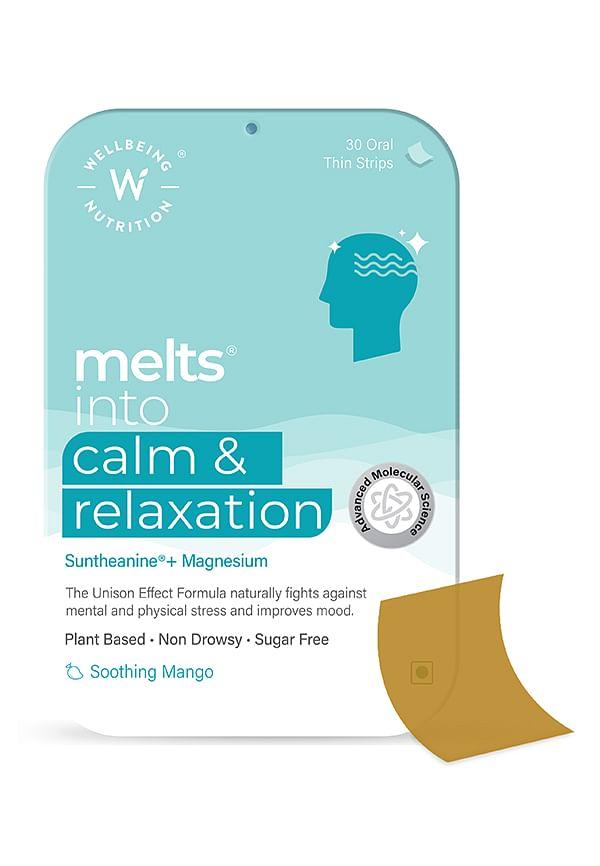
Melts Calm & Relaxation Plant Based Stress & Anxiety Reliever
Standing Forward Fold is perfect when you need quick anxiety relief. Stand with feet hip-width apart, then slowly fold forward, letting your arms hang heavy. This pose helps quiet your mind and releases tension in your back and shoulders.
Corpse Pose variations might look like just lying down, but there's an art to deep relaxation. Lie on your back with arms at your sides, palms up. Focus on releasing tension from each part of your body, starting with your toes and working up to your head.
Easy Pose with breathing combines mindful movement for stress with breath awareness. Sit cross-legged (or in a chair), close your eyes, and focus on slow, deep breaths. This simple practice can shift your entire energy in just a few minutes.
Sometimes stress hits hard and fast, and you need emergency stress-reducing yoga poses. A simple seated spinal twist can help release physical tension, while alternate nostril breathing can quickly calm your mind. The key is having a few go-to moves that you can do even in your office or a bathroom stall when anxiety strikes.
Building a sustainable practice is where the real magic happens. It's not about perfect poses or hour-long sessions—it's about consistency and finding what works for your lifestyle and stress patterns.
Morning calming yoga routines tend to be more energising, helping you start the day with intention rather than rushing into chaos. Think gentle sun salutations or seated stretches that wake up your body mindfully. Evening practices focus more on releasing the day's tension—poses like forward folds and gentle twists that signal to your nervous system that it's time to wind down.
Start small and build gradually. Five-minute sessions are perfect for establishing the habit without overwhelming yourself. Once that feels natural, expand to 15 minutes for a more complete practice. Thirty-minute sessions are lovely when you have time, but consistency trumps duration every time. Better to do five minutes daily than an hour once a week.
Notice how you feel before and after practice. Are you sleeping better? Feeling less reactive to daily stressors? Physical tension often decreases gradually, so pay attention to areas where you typically hold stress—shoulders, jaw, lower back. Keep it simple with a basic mood check-in or stress level rating before and after your practice.
Here's where yoga for relaxation gets really powerful. The physical poses are just one piece of the puzzle—your breath is the secret sauce that transforms simple stretching into genuine stress relief techniques.
The 4-7-8 breathing technique is incredibly effective for anxiety relief exercises. Inhale for 4 counts, hold for 7, exhale for 8. This pattern naturally slows your heart rate and activates your relaxation response. Box breathing is another gem—inhale for 4, hold for 4, exhale for 4, hold for 4. It's simple enough to do anywhere but powerful enough to shift your entire nervous system.
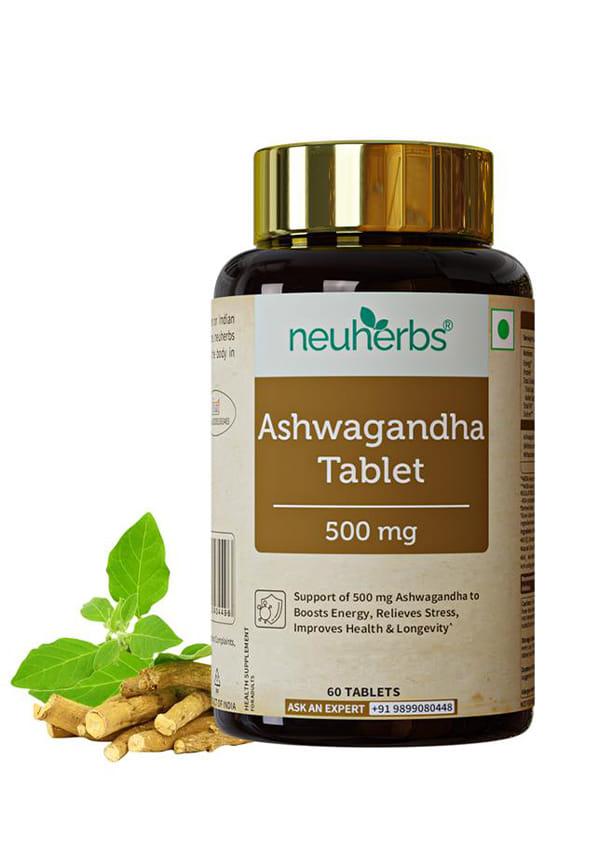
Ashwagandha Tablets,Reduce Stress & Support Sleep Cycle
The real magic happens when you combine gentle movement with present-moment awareness. Instead of just going through the motions, pay attention to how each pose feels in your body. Notice where you hold tension, how your breath changes, what thoughts arise. This mindful movement for stress approach transforms your practice from exercise into meditation in motion.
Let's be real—everyone makes mistakes when starting out. The key is learning from them quickly so they don't derail your stress relief journey.
Yoga isn't about forcing your body into shapes it's not ready for. Gentle yoga for stress means listening to your body and backing off when something doesn't feel right. Your flexibility and strength will improve naturally over time—there's no need to rush the process. Remember, the goal is stress relief, not stress creation.
It's better to practice for five minutes every day than for an hour once a week. Building sustainable habits means starting small and being realistic about what you can maintain. If you miss a day, don't spiral into guilt—just get back to it the next day. Consistency, not perfection, is what creates lasting change.
Yoga isn't just physical exercise—it's a practice that integrates body, mind, and breath. If you're just going through the motions without paying attention to how you feel or what you're thinking, you're missing out on the deeper stress relief benefits. The mental component is what transforms simple stretching into powerful anxiety relief exercises.
The real test of your practice isn't how you feel on your yoga mat—it's how you handle stress throughout your day. The principles you learn through beginner stress relief yoga can become powerful tools for navigating life's challenges.
You don't need a yoga mat to apply what you've learned. Simple breathing exercises can be done during meetings, gentle neck rolls can ease computer tension, and even a minute of mindful breathing in the bathroom can reset your nervous system. These mini stress relief techniques can be lifesavers during particularly challenging workdays.
Yoga teaches acceptance and non-attachment—powerful concepts for stress management. When you can observe your thoughts and emotions without getting completely caught up in them, you develop resilience. This doesn't mean becoming passive, but rather responding to challenges from a place of calm awareness rather than reactive panic.
Gentle, restorative styles like Hatha yoga, Yin yoga, or specifically designed stress relief sequences work best for beginners. The key is choosing practices that emphasise relaxation over intensity. Look for classes or videos labelled as "gentle," "restorative," or "stress relief" rather than "power" or "hot" yoga.
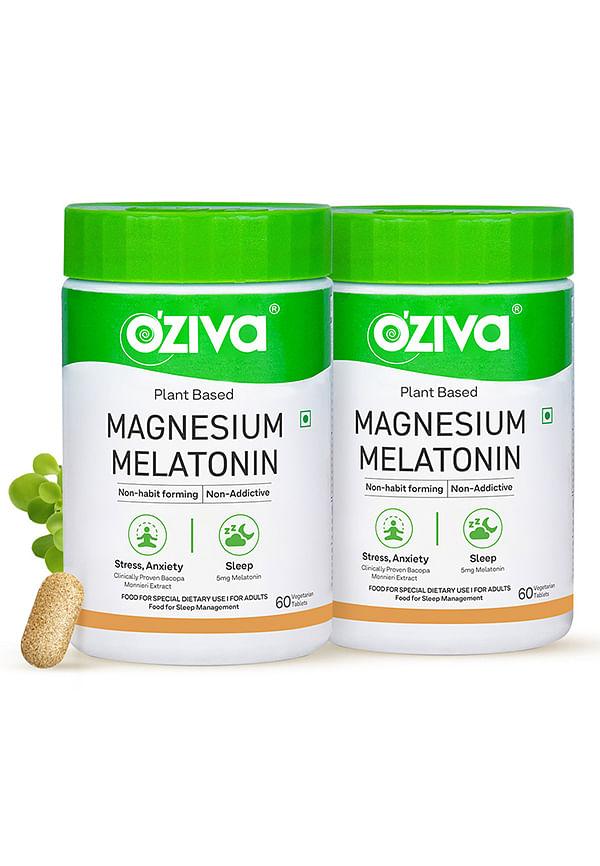
Magnesium Melatonin - Restful Sleep, Reduced Stress, Anxiety
Daily practice, even if it's just 5-10 minutes, is more effective than longer, infrequent sessions. Your nervous system responds better to consistent, gentle input rather than sporadic intense sessions. Start with what feels manageable and gradually increase as the habit becomes natural.
Absolutely. Most yoga poses for anxiety can be modified or done from a chair. The beauty of stress relief yoga is that it's about how poses make you feel, not how they look. Chair yoga, wall-supported poses, and gentle breathing exercises can be just as effective as traditional floor poses.
Fitness-focused yoga emphasises strength, flexibility, and physical challenge. Yoga for relaxation prioritises nervous system regulation, stress relief, and mental calm. The poses might be similar, but the intention and approach are completely different. For stress relief, slower, gentler movements with emphasis on breathing work best.
Many people notice immediate benefits after just one session—feeling calmer, more centred, or physically more relaxed. However, the deeper, lasting changes in how you handle stress typically develop over weeks or months of consistent practice. The key is patience and consistency rather than expecting instant transformation.
Combining yoga with other wellness practices can enhance your overall stress management. Aromatherapy, meditation apps, herbal teas, or stress-relief supplements can complement your yoga practice beautifully. The key is finding a combination that feels sustainable and enjoyable for your lifestyle.
Not at all. While props like yoga blocks, bolsters, or straps can be helpful, they're not essential. A towel can substitute for a yoga mat, pillows can replace bolsters, and a wall can provide support for many poses. The most important "equipment" is your willingness to slow down and pay attention to your body and breath.
Yes, many effective stress relief poses can be done in a space as small as your bed or a corner of your room. Chair yoga, seated breathing exercises, and wall-supported poses require minimal space. The key is adapting your practice to your environment rather than waiting for perfect conditions.
The best time is whenever you can be consistent. Morning practice can set a calm tone for your day, while evening practice can help you decompress and prepare for better sleep. Some people benefit from midday stress-busting sessions. Experiment to find what works best for your schedule and stress patterns.
Beginner stress relief yoga is one of the most accessible and effective tools for managing daily stress and anxiety. You don't need to be flexible, strong, or experienced to start benefiting from gentle yoga for stress. The combination of mindful movement, controlled breathing, and present-moment awareness creates a powerful antidote to modern life's pressures. Start small with just five minutes daily, focus on consistency over perfection, and remember that the goal is feeling better, not looking perfect in poses. Whether you're dealing with work stress, relationship challenges, or general life overwhelm, these simple practices can provide the reset your nervous system needs.
Your wellness journey is deeply personal, and finding the right tools for stress management often involves some trial and discovery. Just as Smytten allows you to try before you buy with curated trial packs from trusted wellness brands, approaching stress relief yoga with curiosity and patience will help you discover what works best for your unique needs. At Smytten, we believe in making wellness accessible and affordable, offering 100% cashback on trial minis so you can explore various stress relief products alongside your yoga practice. With over 25 million users discovering their perfect wellness matches through our platform, we understand that everyone's path to calm is different. Whether you're exploring aromatherapy oils to enhance your practice, herbal teas for post-yoga relaxation, or other wellness products available on Smytten, remember that you never have to settle for 'maybe' when it comes to your wellbeing. After all, why settle when you can #TryItAll!
