Basics of Sleep Science FAQ: Your Questions Answered
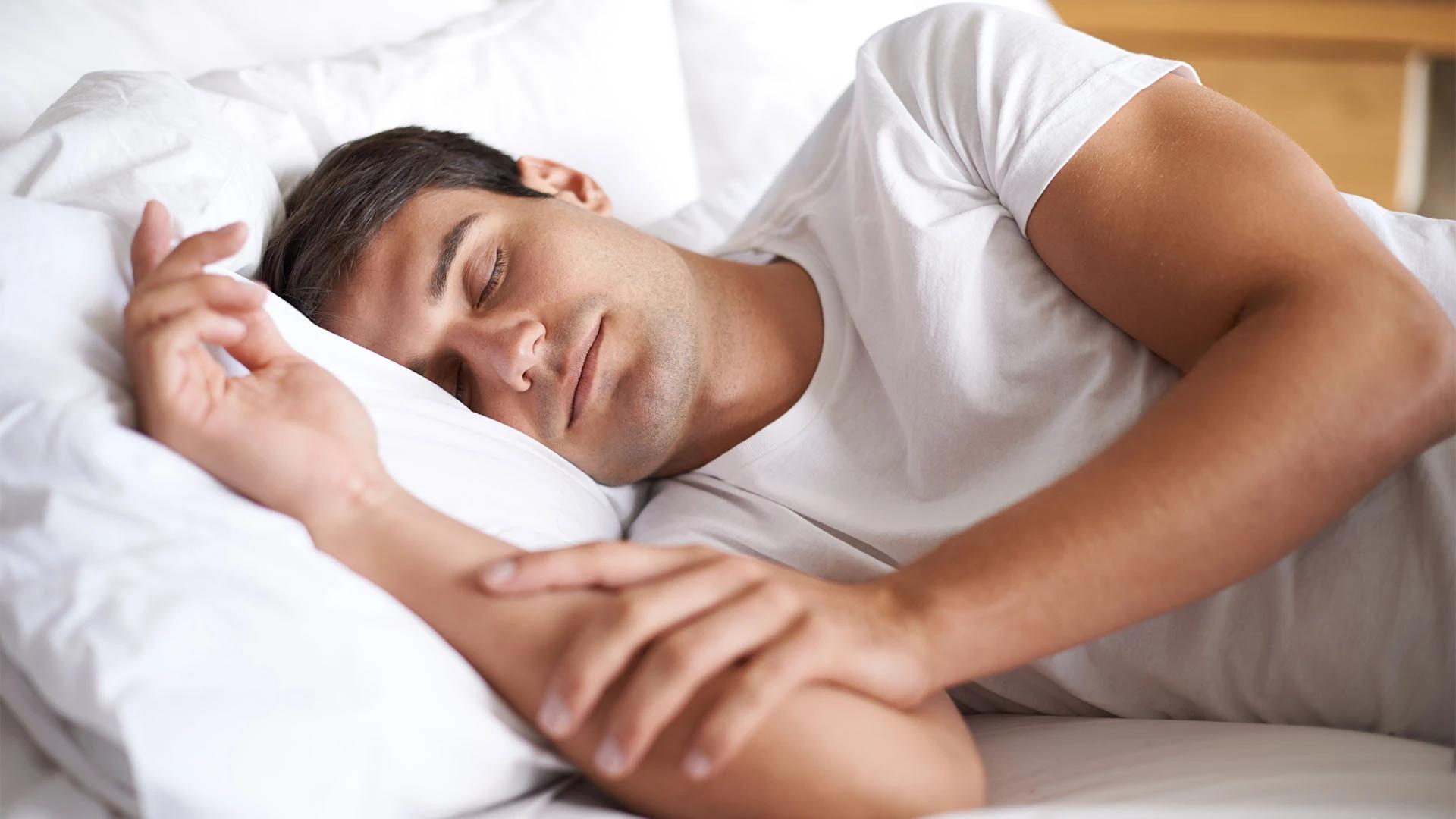


Magnesium Melatonin - Restful Sleep, Reduced Stress, Anxiety
Ever wondered why you feel groggy after a poor night's sleep or why some people seem to function perfectly on six hours whilst others need a solid eight? The basics of sleep science hold the answers to these mysteries and so much more. Sleep isn't just downtime for your body—it's an incredibly active period where your brain processes memories, repairs tissues, and resets for the next day. Understanding how sleep works can transform not just your nights, but your entire wellbeing. Whether you're curious about what happens during those mysterious dream phases or want to know why your circadian rhythm seems to have a mind of its own, diving into sleep science reveals fascinating insights that might just change how you approach your bedtime routine. On Smytten, you'll find wellness products that support better sleep, from calming teas to aromatherapy essentials that can complement your newfound sleep knowledge.
Sleep science reveals that our rest involves complex cycles of REM and non-REM stages, each serving crucial functions for brain and body health
Your circadian rhythm acts as an internal clock, regulating when you feel sleepy or alert based on light exposure and natural patterns
Deep sleep is essential for physical recovery and memory consolidation, whilst REM sleep supports emotional processing and creativity
Sleep deprivation affects everything from immune function to decision-making abilities, making quality rest non-negotiable for optimal health
Evidence-based sleep hygiene practices can dramatically improve sleep quality and overall wellbeing
Sleep science is the study of how and why we sleep, covering everything from brain activity during sleep to the complex biological processes that occur whilst we rest. It's a relatively young field that's exploded with discoveries over the past few decades, revealing that sleep is far from the passive state we once thought it was.
When we talk about the sleep cycle explained, we're looking at two main types of sleep: REM (Rapid Eye Movement) and non-REM sleep. These alternate throughout the night in roughly 90-minute cycles, with each type serving different but equally important functions. Non-REM sleep has three stages, progressing from light sleep to the deepest, most restorative phase.
Sleep researchers use sophisticated tools to study brain activity during sleep, including EEG machines that measure electrical activity, and brain imaging technology that shows which areas are active during different sleep stages. These studies have revealed that far from shutting down, your brain is incredibly busy during sleep—just busy with different tasks than when you're awake.
Understanding REM sleep starts with knowing it's the stage where most vivid dreaming occurs, but its importance goes far beyond entertainment. During REM sleep, your brain processes emotions, consolidates memories, and essentially files away the day's experiences. Your eyes move rapidly beneath closed lids, your breathing becomes irregular, and your muscles are temporarily paralysed to prevent you from acting out your dreams.
The importance of deep sleep cannot be overstated—this is Stage 3 non-REM sleep, also called slow-wave sleep. During this phase, your brain waves slow dramatically, your body temperature drops, and growth hormone is released. This is when physical repair happens, your immune system strengthens, and your brain clears out metabolic waste that's accumulated during the day.
Each stage serves a specific purpose in your nightly restoration process. Stage 1 is the transition from wakefulness to sleep, lasting just a few minutes. Stage 2 makes up about 45% of your total sleep time and is when your heart rate and breathing slow down. Stage 3 deep sleep is crucial for feeling refreshed, whilst REM sleep supports cognitive function and emotional regulation.
A complete sleep cycle typically lasts 90-110 minutes, and you'll go through 4-6 cycles per night. Early in the night, you spend more time in deep sleep, whilst REM periods become longer and more frequent towards morning. This natural pattern explains why waking up at certain times feels easier than others.
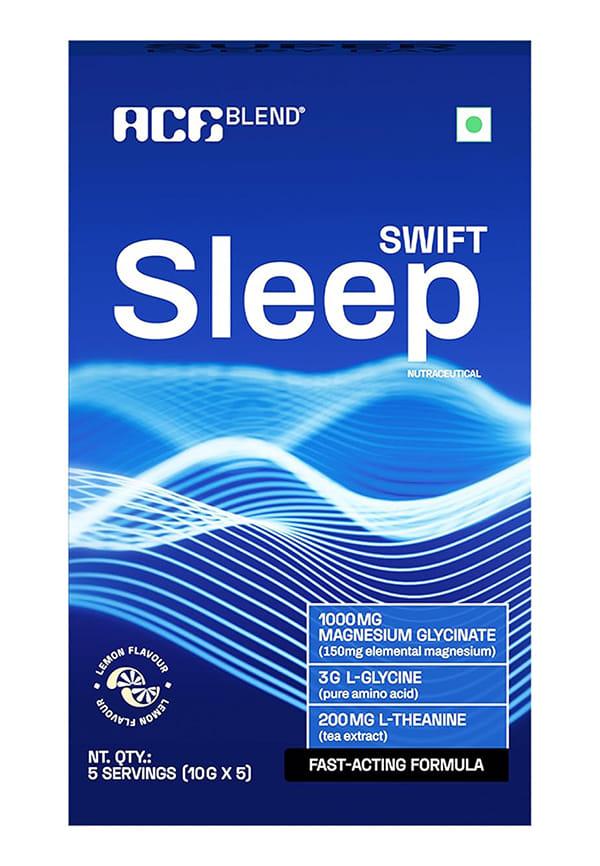
Swift Sleep, Natural Sleep Supplement With Magnesium, L-Theanine And Glycine
Your circadian rhythm function operates like an internal clock, running on roughly a 24-hour cycle that responds primarily to light and darkness. This biological timekeeper doesn't just control when you feel sleepy—it influences body temperature, hormone release, and even when you're most alert throughout the day.
Light exposure, particularly blue light, signals to your brain that it's time to be awake by suppressing melatonin production. As evening approaches and light dims, melatonin levels rise, making you feel drowsy. This is why exposure to screens before bed can disrupt your natural sleep-wake cycle.
Shift work, jet lag, and irregular sleep schedules can throw your circadian rhythm off balance. When your internal clock doesn't match your environment, you might experience difficulty falling asleep, staying asleep, or feeling alert when you need to be.
As we age, our circadian rhythms naturally shift earlier, which is why older adults often feel sleepy earlier in the evening and wake up earlier in the morning. The amount of deep sleep also decreases with age, which can affect how rested you feel.
How sleep affects health extends far beyond simply feeling rested. During sleep, your brain literally cleans itself through the glymphatic system, flushing out toxins and waste products that accumulate during waking hours. This process is crucial for preventing neurodegenerative diseases and maintaining cognitive function.
Memory consolidation is one of sleep's most important functions. During different sleep stages, your brain sorts through the day's experiences, strengthening important memories and discarding unnecessary information. This is why a good night's sleep often helps you see problems more clearly or remember things you couldn't recall when tired.
Sleep supports immune function, with studies showing that people who get adequate sleep are less likely to get sick when exposed to viruses. Sleep also regulates hormones that control hunger, stress, and growth, making it essential for maintaining a healthy weight and managing stress levels.
Quality sleep is crucial for emotional stability and mental health. Sleep deprivation can increase irritability, anxiety, and depression symptoms, whilst adequate rest helps you process emotions and maintain psychological resilience.
The effects of sleep deprivation start showing up quickly, often within just one night of poor sleep. Cognitive performance suffers first—you might notice difficulty concentrating, slower reaction times, or trouble making decisions. Your mood becomes more volatile, and you're more likely to feel stressed or overwhelmed by normal daily challenges.
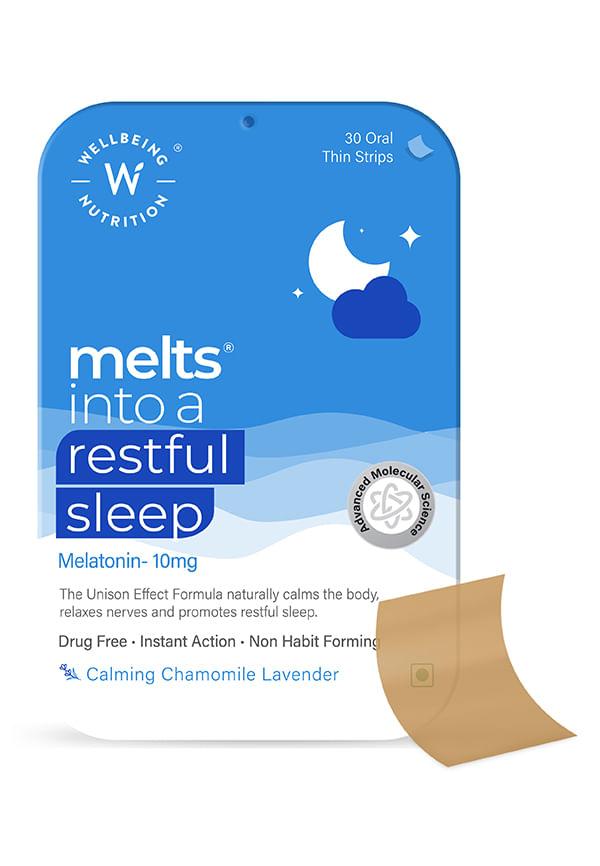
Melts Restful Sleep Melatonin 10mg with Tagara, Passion Flower, L-Theanine, Chamomile (30 Oral Strips)
Chronic sleep deprivation creates a sleep debt that compounds over time. Unlike financial debt, you can't simply pay it back with one long sleep session. Consistent, quality sleep over time is needed to restore optimal function and health.
Persistent sleep loss is linked to serious health conditions including diabetes, heart disease, obesity, and weakened immune function. The risk of accidents also increases significantly when you're sleep-deprived, affecting both personal safety and public health.
Warning signs include feeling tired despite spending adequate time in bed, needing caffeine to function, falling asleep during the day, or feeling irritable and moody. If you're experiencing these symptoms regularly, it might be time to evaluate your sleep habits.
Sleep hygiene tips backed by research focus on creating consistent routines and optimal sleep environments. The most effective strategies involve regulating your exposure to light, maintaining regular sleep and wake times, and creating a bedroom environment that promotes rest.
Factors influencing sleep quality include room temperature (ideally between 16-19°C), noise levels, and light exposure. Your pre-sleep routine matters too—activities like reading, gentle stretching, or meditation can signal to your body that it's time to wind down.
The 3-3-3 rule suggests avoiding caffeine 3 hours before bed, large meals 3 hours before sleep, and screens 3 hours before bedtime. Whilst the screen rule might be challenging in our digital world, even reducing blue light exposure an hour before bed can make a difference.
Your bedroom should be cool, dark, and quiet. Consider blackout curtains, a comfortable mattress, and perhaps a white noise machine if you live in a noisy area. The goal is to make your bedroom a sanctuary dedicated to sleep and relaxation.
The five principles of sleep health are valuing sleep as essential for health, prioritising it in your daily schedule, personalising your approach based on your individual needs, protecting your sleep time from disruptions, and trusting the process even when results aren't immediate. These principles help create a sustainable approach to better sleep that fits your lifestyle whilst respecting the science behind healthy rest.
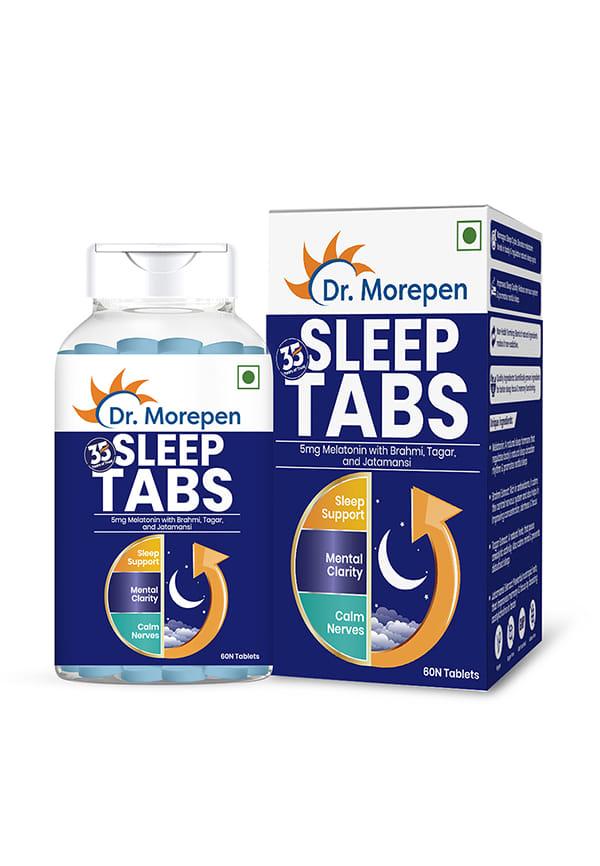
Sleep Tabs with 5mg melatonin, Brahmi, Tagar & Jatamansi, Sleeping Tablets for Stress Free Sleep & Calmness - 60 Tablets
The four sleep stages include Stage 1 (light sleep transition), Stage 2 (true sleep onset with slower heart rate), Stage 3 (deep sleep or slow-wave sleep), and REM sleep (dream and memory consolidation phase). Each stage serves specific functions, from physical restoration in deep sleep to emotional processing during REM sleep.
From an evolutionary and biological perspective, sleep serves critical functions that can't be replicated during waking hours. Your brain needs sleep to clear metabolic waste, consolidate memories, and reset neurotransmitter levels. Your body uses sleep time for tissue repair, immune system strengthening, and hormone regulation—all essential processes for survival and optimal function.
Current sleep research continues to reveal new insights about optimal sleep duration, timing, and quality. Recent studies have shown the importance of sleep consistency, the role of light exposure in regulating circadian rhythms, and how different sleep stages contribute to various aspects of health. This research helps develop evidence-based recommendations that go beyond old wives' tales to provide scientifically sound sleep strategies.
Many wellness brands offer natural sleep support products that can complement good sleep hygiene practices. These might include herbal teas, aromatherapy products, or supplements containing ingredients like melatonin or magnesium. Whilst these can be helpful additions to a healthy sleep routine, they work best when combined with proper sleep hygiene rather than as standalone solutions.
Most people notice some improvement in sleep quality within a few days to a week of implementing better sleep hygiene practices. However, significant changes in sleep patterns and feeling fully rested may take 2-4 weeks of consistent practice. Your body needs time to adjust to new routines and reset its internal clock.
The basics of sleep science reveal that quality rest is far more complex and important than simply lying down with your eyes closed. Your sleep cycles, circadian rhythm, and the various stages of sleep all work together to support your physical health, mental wellbeing, and cognitive function. Understanding these processes empowers you to make informed decisions about your sleep habits and recognise when something might be affecting your rest quality.
Implementing evidence-based sleep hygiene practices doesn't require dramatic lifestyle changes—small, consistent adjustments to your routine, environment, and habits can lead to significant improvements in how you feel and function. Remember that good sleep is an investment in every aspect of your health, from your immune system to your emotional resilience.
Sleep science continues to evolve, but one thing remains clear: quality rest is non-negotiable for optimal health and wellbeing. Whether you're exploring natural sleep aids, aromatherapy products, or wellness supplements that support better rest, Smytten offers curated trial packs from trusted wellness brands that can complement your sleep improvement journey. With over 1,500 brands available for trial, you can discover what works best for your individual sleep needs without committing to full-size purchases. After all, when it comes to finding your perfect sleep support routine, why settle for guessing when you can try it all and make informed choices based on what actually works for you?
