Balance Gut Flora FAQ: Your Gut Health Questions Answered


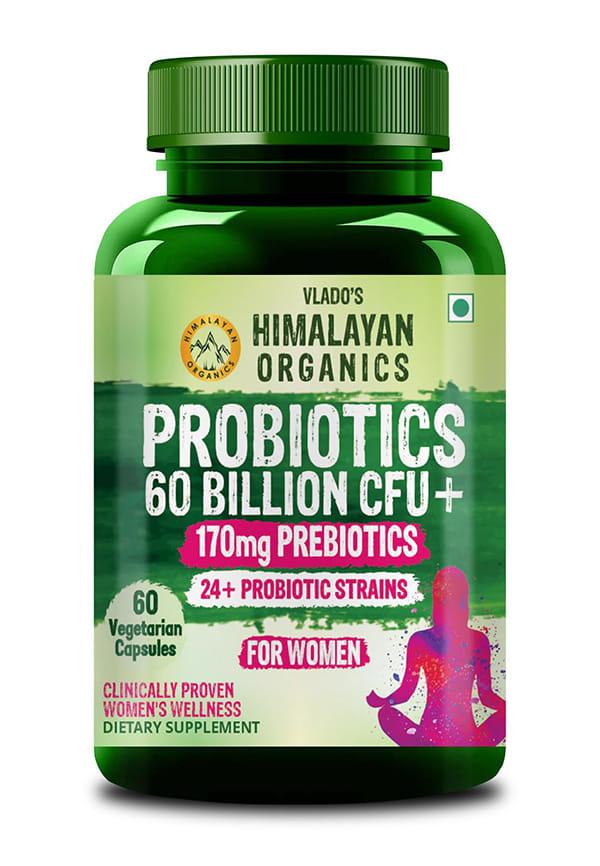
Probiotics Supplement 60 Billion CFU+ Gut Health Supplements
Your gut is basically your body's control centre, and when it's out of whack, everything else feels off too. If you've been dealing with bloating, random mood swings, or just feeling generally meh, your gut flora might be trying to tell you something. The good news? Learning how to balance gut flora isn't rocket science, and with the right approach, you can get your digestive health back on track. Whether you're curious about probiotics for gut health or wondering which fermented foods actually work, we've got the answers you need. Plus, with platforms like Smytten making it easier to trial wellness products before committing, there's never been a better time to explore what works for your unique microbiome.
Gut flora balance affects everything from digestion to mood and immunity
Signs of imbalance include bloating, fatigue, skin issues, and frequent infections
Restore gut flora naturally through fermented foods, prebiotics, and lifestyle changes
Probiotics work best when combined with prebiotic-rich foods
Rebalancing takes 3-4 weeks minimum with consistent effort
Let's start with the basics—your gut flora, also called your intestinal flora or gut microbiome, is essentially a bustling city of trillions of bacteria living in your digestive system. Think of it as your body's own ecosystem where good gut bacteria and harmful bacteria are constantly competing for space and resources.
When your microbiome balance is on point, the beneficial bacteria keep the troublemakers in check. These good guys help break down food, produce essential vitamins like B12 and K, and even communicate with your brain through what scientists call the gut-brain axis. Real talk—about 70% of your immune system lives in your gut, so when your healthy gut bacteria are thriving, your whole body benefits.
Your gut health impacts way more than just digestion. A balanced microbiome helps regulate inflammation, supports mental clarity, and even influences your mood through serotonin production. When things go sideways, you might notice digestive issues, but the effects can ripple out to affect your skin, energy levels, and overall wellbeing.
Wondering if your gut flora needs some TLC? Your body's pretty good at sending signals when things aren't quite right. Here are the most common red flags that your microbiome balance might be off:
Digestive drama: Chronic bloating, gas, or inconsistent bowel movements that just won't quit
Energy crashes: Persistent fatigue even when you're getting enough sleep
Sleep struggles: Tossing and turning for no apparent reason
Skin issues: Eczema, random breakouts, or inflammation that won't clear up
Getting sick often: Your immune system feels like it's constantly under attack
Weird cravings: Sudden urges for sugar or processed foods, plus unexplained weight changes
Brain fog: Mood swings, difficulty concentrating, or feeling mentally cloudy
Autoimmune flare-ups: Existing conditions getting worse or new sensitivities developing
Bad breath or body odour: Even with good hygiene habits
Nutrient deficiencies: Despite eating a decent diet, you're still lacking key vitamins
Ready to give your gut the love it deserves? The best approach combines probiotics for gut health with foods that actually feed your beneficial bacteria. It's like creating the perfect environment for your microscopic allies to thrive.

Gut Cleansner
Fermented foods for gut health are your best friends here. We're talking about yoghurt with live cultures, kefir, kimchi, sauerkraut, and kombucha—basically anything that's been through a natural fermentation process. These foods deliver live beneficial microbes straight to your digestive system.
The key is consistency. Try to include at least one serving of fermented foods daily, and mix it up to get different strains of bacteria. Your gut loves diversity, so don't just stick to one type.
Here's where it gets interesting—prebiotics are basically food for your good gut bacteria. Think of them as fertiliser for your internal garden. Fiber-rich foods like whole grains, legumes, garlic, onions, and asparagus are prebiotic superstars.
Aim for 21-38 grams of fibre daily, but increase gradually to avoid any digestive discomfort. Your gut bacteria will thank you for the steady supply of their favourite fuel.
Building a gut-friendly diet isn't about restriction—it's about abundance. The more diverse your plant intake, the more diverse your microbiome becomes. Think of it as creating a thriving ecosystem rather than a monoculture.
Focus on anti-inflammatory foods like leafy greens, berries, fatty fish, and nuts. These help create an environment where healthy gut bacteria can flourish whilst keeping inflammation in check. On the flip side, processed sugars and highly refined foods tend to feed the not-so-helpful bacteria, so it's worth keeping those to a minimum.
Fermented superstars: Yoghurt, kefir, miso, tempeh, kimchi
Prebiotic champions: Garlic, onions, leeks, asparagus, bananas
Fiber heroes: Oats, quinoa, lentils, chickpeas, chia seeds
Anti-inflammatory allies: Turmeric, ginger, leafy greens, berries
Bone broth: Supports gut lining repair and provides collagen
Your gut microbiome is like a fingerprint—completely unique to you. However, there are some key players that most healthy guts have in common. Understanding these can help you make better choices for your digestive health.
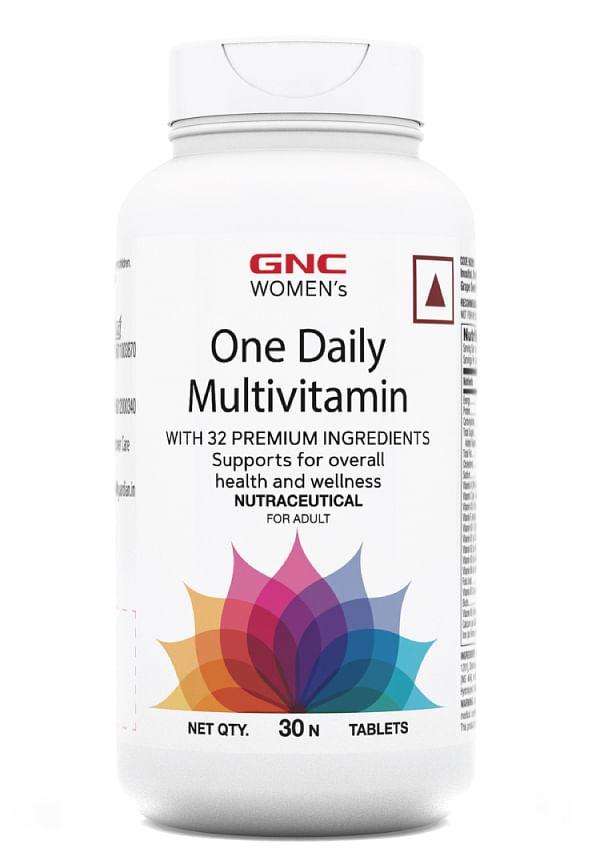
Womens One Daily Multivitamin - Improves Energy, Immunity, Skin and Overall Health
Product Effective
 5
5“actually works, my mother feels healthier”
The main beneficial bacteria strains include Lactobacillus and Bifidobacterium families. These are the good guys you'll often see listed on probiotic supplements. They help with digestion, vitamin production, and keeping harmful bacteria in check.
Scientists often look at the ratio between two major bacterial groups: Firmicutes and Bacteroidetes. A healthy balance between these groups is associated with better metabolic health and weight management. When this ratio gets skewed, it can contribute to various health issues.
What bad bacteria in the gut are called varies, but pathogenic bacteria like certain strains of E. coli or Clostridium can cause problems when they overgrow. The goal isn't to eliminate all bacteria—it's to maintain a healthy balance where the good guys outnumber the troublemakers.
Your daily habits play a massive role in maintaining microbiome balance. It's not just about what you eat—how you live affects your gut flora in ways you might not expect.
Antibiotics, whilst sometimes necessary, can be like dropping a bomb on your gut ecosystem. They don't discriminate between good and bad bacteria, so if you've recently taken a course, focus extra hard on rebuilding with probiotics and prebiotics.
Chronic stress literally changes your gut bacteria composition. When you're constantly stressed, your body produces cortisol, which can reduce the diversity of your microbiome. Regular exercise, meditation, or even just taking time to properly chew your food can help manage stress levels.
Poor sleep disrupts your gut bacteria's natural rhythms—yes, they have circadian rhythms too! Aim for 7-9 hours of quality sleep. Regular physical activity also promotes bacterial diversity, so find movement you actually enjoy rather than forcing yourself through workouts you hate.
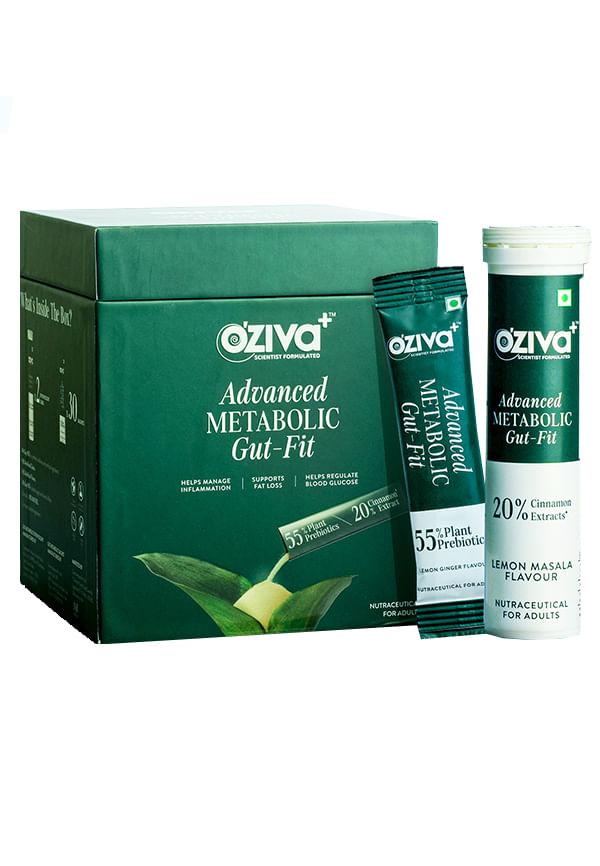
Advanced Metabolic Gut-Fit For Gut & Metabolic Health - Lemon masala
Helpful for digestion
5“It's really helpful in improving your digestion and constipation issues...”
Loved the product
5“I am using it regularly and I really loved the product.”
Real talk—there's no overnight fix for gut health. Most people start noticing improvements within 3-4 weeks of consistent changes, but full rebalancing can take several months. Start with adding one fermented food daily, increasing fibre gradually, and managing stress levels. The key is consistency rather than perfection.
You'll likely notice better digestion first—less bloating, more regular bowel movements, and reduced gas. Many people also report improved energy levels and clearer thinking within the first few weeks. Skin improvements and better mood often follow as your microbiome balance continues to improve.
Probiotics are helpful, but they work best as part of a bigger picture. Without prebiotics to feed them and lifestyle changes to support them, probiotic supplements might not stick around long enough to make a lasting difference. Think of them as reinforcements rather than the whole army.
A healthy gut typically means regular, comfortable digestion, stable energy levels, clear skin, and good mood regulation. If you're experiencing consistent digestive issues, frequent infections, or unexplained fatigue, it might be worth exploring gut health with a healthcare provider. Some functional medicine practitioners offer comprehensive stool testing to assess microbiome diversity.
Antibiotics are the biggest disruptor, followed by chronic stress, excessive alcohol, and highly processed foods loaded with artificial additives. If you've had to take antibiotics, focus on rebuilding immediately with fermented foods and prebiotic-rich meals. Platforms like Smytten make it easy to trial different probiotic supplements and gut-supporting products before committing to full sizes.
Not necessarily. Many fermented foods provide more diverse bacterial strains than supplements, plus they come with additional nutrients. If you do choose supplements, look for ones with multiple strains and proper storage requirements. The most expensive option isn't always the most effective.
Balancing your gut flora isn't about following a perfect protocol—it's about making consistent, sustainable changes that support your unique microbiome. Focus on adding beneficial foods rather than restricting everything, and remember that your gut health affects far more than just digestion.
Start small with one fermented food daily, gradually increase your fibre intake, and pay attention to how stress and sleep affect your digestive health. Most importantly, give yourself time—meaningful changes in gut health happen over weeks and months, not days.
Your journey to better gut health doesn't have to be overwhelming or expensive. Whether you're exploring new probiotic supplements, trying different fermented foods, or looking for gut-supporting wellness products, Smytten makes it easier to discover what works for your body without the commitment of full-size purchases. With trial packs from trusted wellness brands available on Smytten, you can experiment with different approaches to gut health and find your perfect match. After all, when it comes to your wellbeing, why settle for guesswork when you can try it all and make informed choices that truly support your digestive health?
