Ashwagandha: Expert Insights on Stress & Sleep


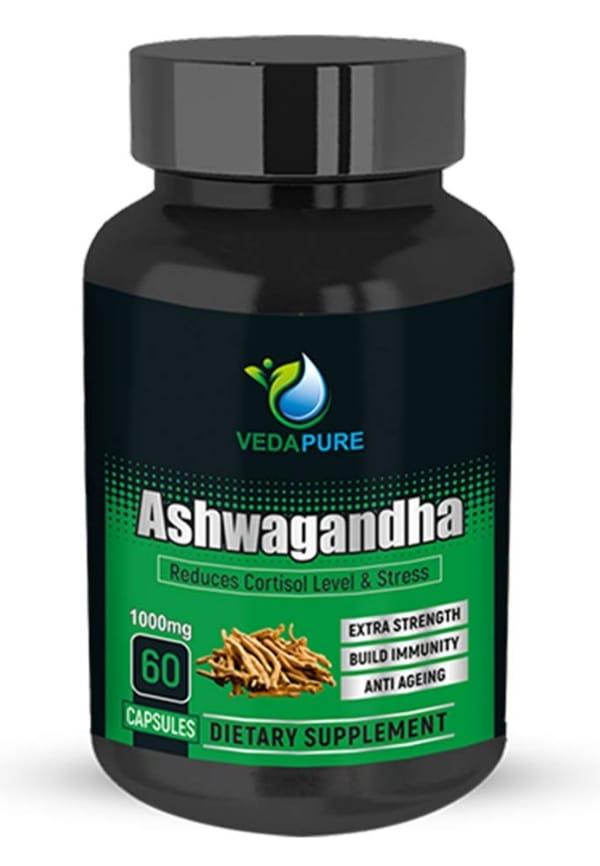
Ashwagandha Anxiety & Stress Relief
Let's be real—stress and sleepless nights have become our unwanted companions in today's fast-paced world. If you've been scrolling through wellness feeds lately, you've probably stumbled upon ashwagandha being hailed as the ancient solution to modern problems. But is this herb really worth the hype, or just another wellness trend? We're diving deep into the science behind ashwagandha for stress and sleep, giving you the expert insights you need to make an informed choice about this powerful adaptogen.
Ashwagandha, scientifically known as Withania somnifera, is an ancient herb that's been used in Ayurvedic medicine for over 3,000 years. Often called "Indian winter cherry" or "poison gooseberry," this small shrub with yellow flowers packs a serious wellness punch. The name itself translates to "smell of horse," which might sound off-putting, but it actually refers to the herb's unique smell and the traditional belief that it gives you the strength of a horse. What makes ashwagandha special among natural stress relief options is its classification as an adaptogen. Think of adaptogens for stress as your body's personal stress manager—they help your system adapt to various stressors and maintain balance. The magic happens at the cellular level, where ashwagandha works on your hypothalamic-pituitary-adrenal (HPA) axis, the command centre that controls your stress response. The herb's active compounds, called withanolides, are the real MVPs here. These naturally occurring steroids help regulate cortisol, your primary stress hormone. When you're constantly stressed, your cortisol levels stay elevated, leading to that wired-but-tired feeling we all know too well. Ashwagandha benefits include helping to normalise these levels, essentially teaching your body how to chill out again.
Here's where things get really interesting. Ashwagandha isn't just about stress—it's also a game-changer for sleep. As a herbal sleep aid, it works differently from your typical melatonin supplement or chamomile tea. Instead of just making you drowsy, ashwagandha addresses the root causes of sleep issues. Clinical studies have shown that ashwagandha can significantly improve sleep quality by affecting your sleep architecture—basically, how your sleep cycles work. Research indicates that people taking ashwagandha fall asleep faster, experience fewer nighttime awakenings, and report feeling more refreshed in the morning. One study found that participants taking 300mg of ashwagandha extract twice daily saw a 72% improvement in sleep quality scores. The herb works by influencing neurotransmitters like GABA (gamma-aminobutyric acid), which promotes relaxation and sleep. It also helps regulate your circadian rhythm, your body's internal clock that tells you when to be awake and when to sleep. Unlike some sleep remedies that can leave you groggy the next day, ashwagandha supports natural sleep patterns without the hangover effect.
The evidence supporting ashwagandha is pretty impressive. Multiple clinical trials have demonstrated its effectiveness as both a stress reliever and sleep enhancer. In one landmark study, participants taking ashwagandha showed a 30% reduction in cortisol levels compared to the placebo group. For sleep specifically, research shows that ashwagandha can reduce sleep onset time by up to 29% and increase sleep efficiency by 10%. These aren't just small improvements—they're meaningful changes that can transform how you feel and function daily.
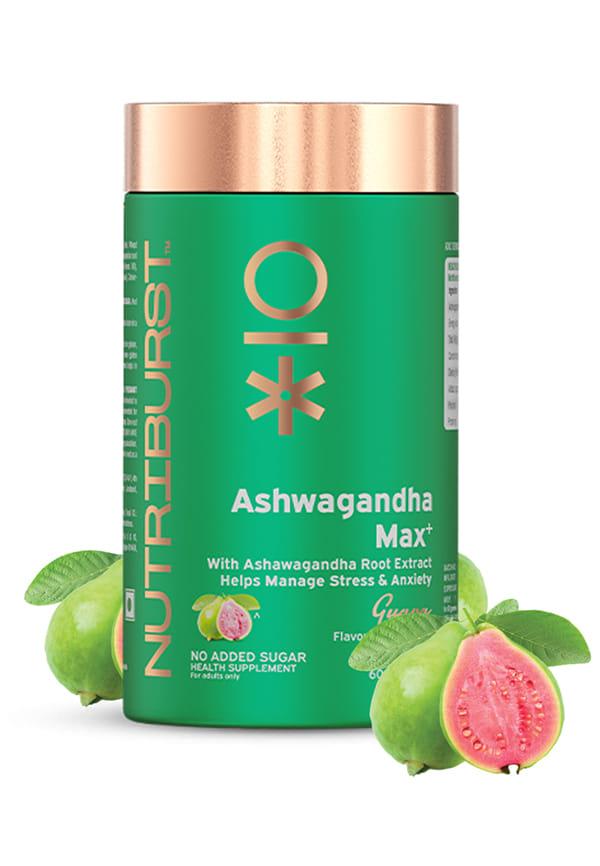
Ashwagandha Max Gummies for Stress Management
Now for the practical stuff—how much should you take and when? Ashwagandha dosage isn't a one-size-fits-all situation, but research gives us some solid guidelines. Most clinical studies showing positive results used doses between 300-600mg daily of standardised root extract. For stress management, many experts recommend starting with 300mg taken twice daily—once in the morning and once in the evening. If you're primarily using it for sleep support, taking 300-600mg about 30-60 minutes before bedtime tends to work best. The key is consistency; ashwagandha uses are most effective when you take it regularly rather than just when you're feeling particularly stressed. When choosing a supplement, look for standardised extracts containing at least 1.5-12% withanolides. These are the active compounds that deliver the benefits, so the concentration matters. Some products specify "KSM-66" or "Sensoril," which are patented forms with specific standardisation levels that have been used in clinical research. Timing can make a difference too. If you're new to ashwagandha, start with a lower dose to see how your body responds. Some people find it energising, while others find it relaxing—your individual response will help determine the best timing for you.
Let's talk safety because, whilst ashwagandha is generally well-tolerated, it's not suitable for everyone. Most people experience no side effects, but some may notice mild stomach upset, drowsiness, or headaches, especially when first starting. There are some important contraindications to be aware of. If you have autoimmune conditions like rheumatoid arthritis, lupus, or multiple sclerosis, ashwagandha might stimulate immune system activity, potentially worsening symptoms. It can also interact with certain medications, particularly those for blood pressure, blood sugar, and thyroid conditions. Pregnant and breastfeeding women should avoid ashwagandha, as there isn't enough safety data for these populations. If you're taking any medications or have health conditions, it's always wise to chat with a healthcare provider before adding any new supplement to your routine.
Women may experience additional benefits from ashwagandha, particularly related to hormonal balance. Some studies suggest it may help support thyroid function and could be beneficial for managing stress-related menstrual irregularities. However, because it can influence hormone levels, women with hormone-sensitive conditions should use caution.
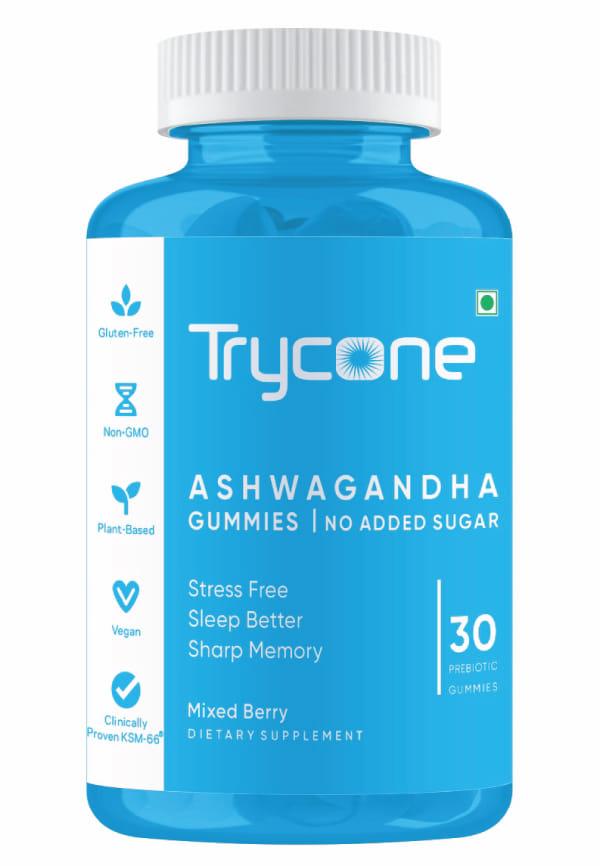
Ashwagandha KSM 66 |No Added Sugar Stress Free
Whilst ashwagandha can be incredibly beneficial, it works best as part of a holistic approach to wellness. Think of it as one tool in your stress-management toolkit, alongside good sleep hygiene, regular exercise, and stress-reduction techniques like meditation or yoga. The beauty of exploring wellness supplements like ashwagandha is that you can discover what works best for your unique body and lifestyle. Some people notice benefits within a few days, whilst others may need several weeks of consistent use to see significant changes. The key is patience and consistency. Many people find that combining ashwagandha with other anxiety relief herbs like passionflower, lemon balm, or L-theanine can enhance the overall calming effect. However, if you're new to herbal supplements, it's best to try one at a time so you can gauge individual effects. With platforms like Smytten, you can explore various wellness supplements through trial packs before committing to full-size purchases. This approach lets you test how different ashwagandha formulations work for your body without the financial risk of buying a full bottle that might not suit you. Smytten's curated selection includes trusted wellness brands, making it easier to find quality ashwagandha supplements that align with your wellness goals.
Most people notice improvements in sleep quality within 1-2 weeks of consistent use, though some may experience benefits sooner. For optimal results, give it at least 4-6 weeks of regular use.
Whilst ashwagandha is generally safe, combining it with other sleep aids or medications should be done under professional guidance. It may enhance the effects of other sedating substances.
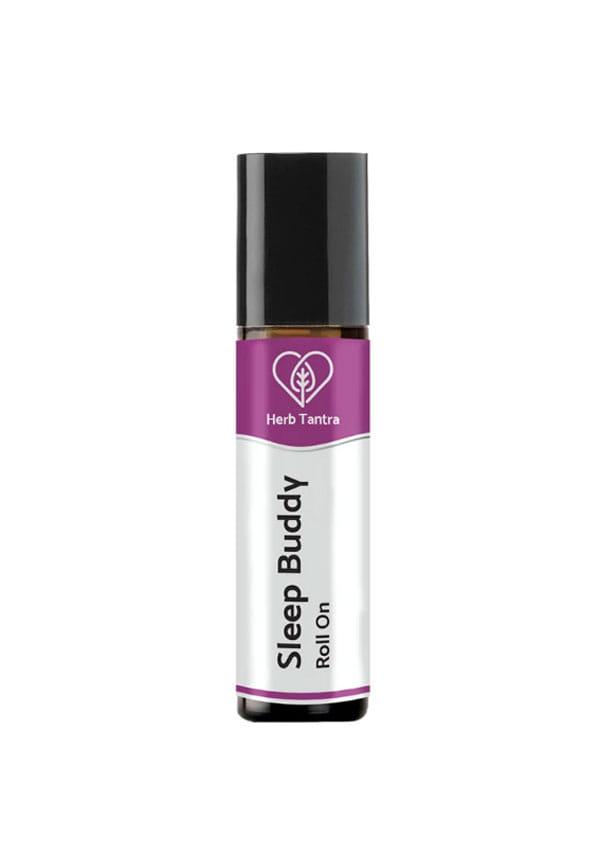
Sleep Buddy Insomnia Relief Roll-On
Current research suggests ashwagandha is safe for long-term use in healthy adults, with studies lasting up to 8 weeks showing no adverse effects. However, it's wise to take periodic breaks and consult with a healthcare provider for extended use.
Standardised root extracts with specified withanolide content are generally considered most effective. Look for reputable brands that provide third-party testing results.
Taking ashwagandha with food can help reduce potential stomach upset. Many people find it works well with a light meal or snack.
No, ashwagandha is not habit-forming and doesn't cause physical dependency. You can stop taking it without withdrawal symptoms.
Ashwagandha stands out as a scientifically-backed option for managing stress and improving sleep quality. Its adaptogenic properties make it particularly valuable for our modern, high-stress lifestyles. The research is compelling, showing real benefits for cortisol reduction, sleep quality improvement, and overall stress management. Remember, finding the right wellness approach is personal. What works brilliantly for your friend might not be your perfect match, and that's completely normal. The key is being open to trying different approaches and giving your body time to respond. With Smytten's trial platform, you can explore various ashwagandha formulations and other wellness supplements without the commitment, helping you discover what truly works for your unique needs. After all, why settle for restless nights and constant stress when you can explore natural solutions that might just transform your wellbeing?
