Anxiety Relief Yoga Sequence FAQ: Your Questions Answered

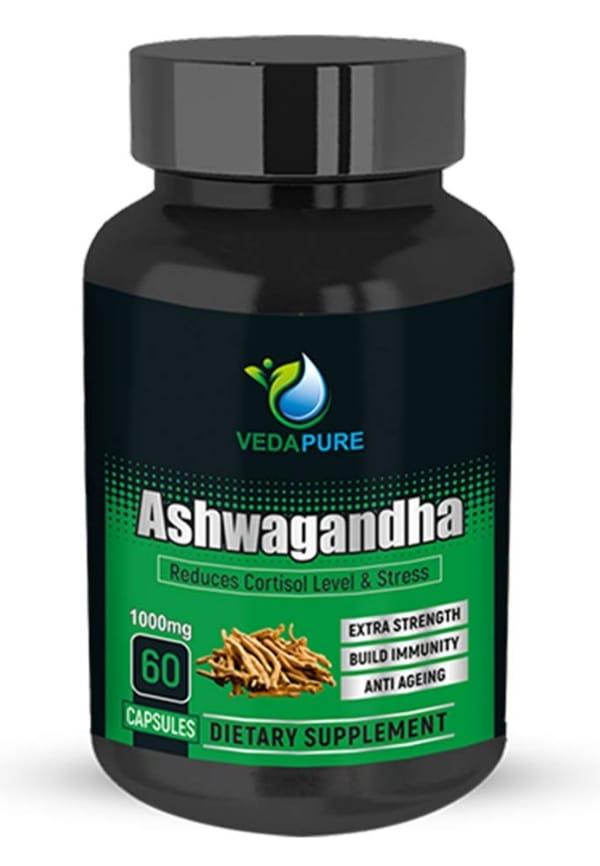
Ashwagandha Anxiety & Stress Relief
Feeling overwhelmed by anxiety and wondering if yoga could be your answer? You're not alone. Millions of people are discovering that an anxiety relief yoga sequence can be a game-changer for managing stress and finding inner calm. Unlike quick fixes that mask symptoms, yoga works with your body's natural systems to create lasting peace. From gentle poses that ground your nervous system to breathing exercises that instantly soothe racing thoughts, yoga offers a toolkit that's always available when anxiety strikes. Whether you're completely new to yoga or looking to deepen your practice for mental wellness, understanding how to create and use an effective anxiety relief sequence can transform how you handle life's stressful moments. At Smytten, we believe in exploring holistic approaches to wellness, and yoga is one of the most accessible and powerful tools you can try.
Anxiety relief yoga sequences work by activating your parasympathetic nervous system and reducing cortisol levels through mindful movement and breath work
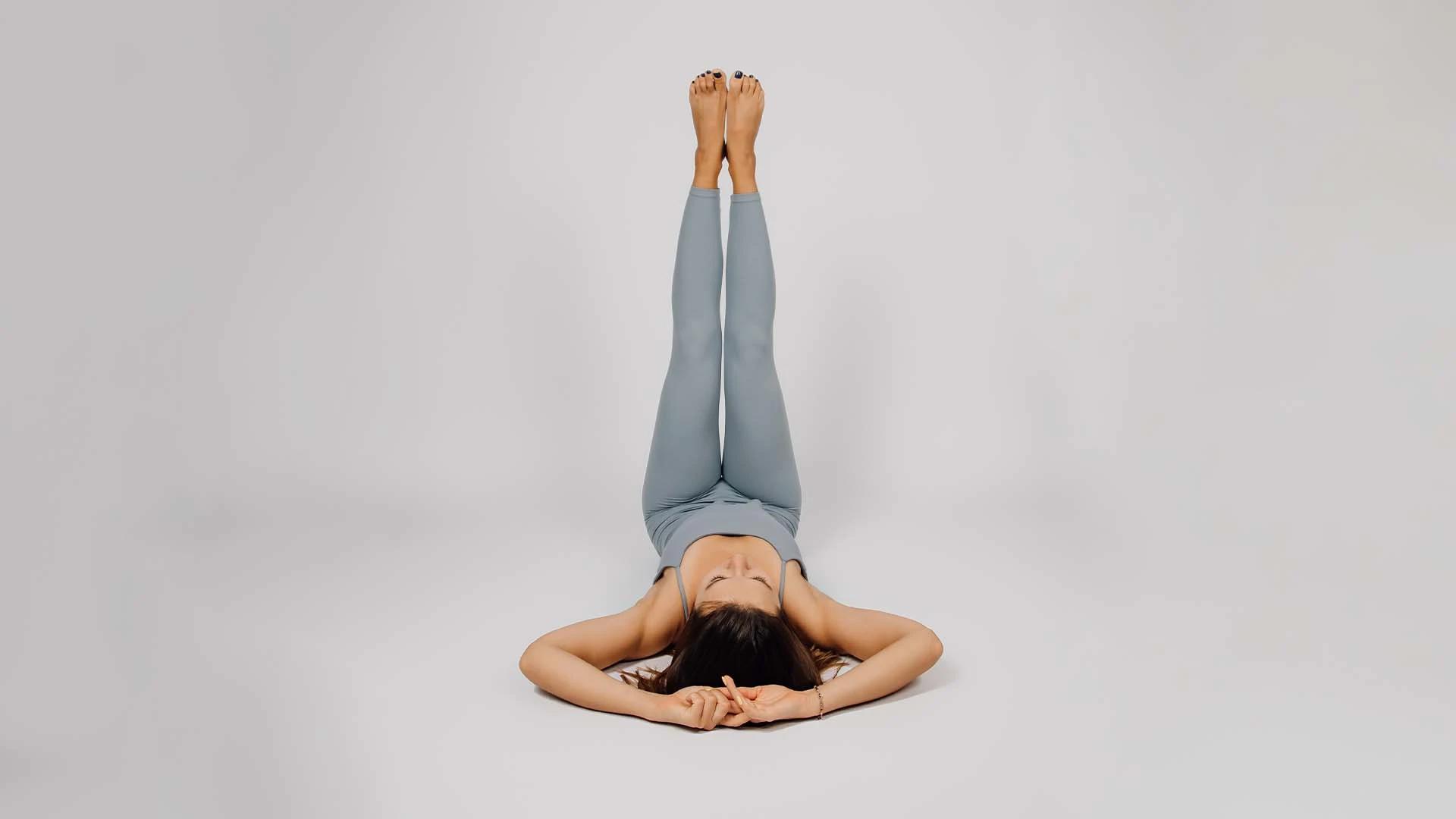
Key poses include grounding positions like Child's Pose, heart-opening poses like Fish Pose, and restorative poses like Legs-Up-The-Wall
Breathing exercises such as 4-7-8 breath and box breathing are essential components that enhance the calming effects of physical poses
A consistent 15-20 minute daily practice can provide significant anxiety relief, with modifications available for all fitness levels and physical limitations
Combining yoga with other natural anxiety management techniques creates a comprehensive approach to mental wellness
An anxiety relief yoga sequence is a carefully curated series of poses, breathing exercises, and mindful movements designed specifically to calm your nervous system and reduce anxiety symptoms. Unlike general fitness yoga, these sequences focus on gentle, therapeutic movements that signal safety to your brain and body.
When you practice yoga for stress reduction, you're literally rewiring your brain's response to anxiety. Research shows that yoga activates the parasympathetic nervous system—your body's "rest and digest" mode—which directly counteracts the fight-or-flight response that fuels anxiety. Regular practice can reduce cortisol levels by up to 23%, whilst increasing GABA (gamma-aminobutyric acid), a neurotransmitter that promotes calm and relaxation.
Gentle yoga for anxiety differs significantly from vigorous practices. The focus shifts from building strength or flexibility to creating safety and stability in your nervous system. Effective sequences typically include grounding poses that connect you to the earth, heart-opening poses that release emotional tension, and restorative positions that allow deep relaxation. Most importantly, breath awareness runs through every movement, as conscious breathing is one of the fastest ways to shift from anxiety to calm.
Not all yoga poses are created equal when it comes to anxiety relief. The most effective calming yoga poses work by either grounding your energy, opening areas where tension accumulates, or promoting introspection and inner calm.
Child's Pose (Balasana) is perhaps the most immediate anxiety soother in yoga. This pose naturally activates the parasympathetic nervous system by creating a sense of safety and protection. Mountain Pose might seem simple, but it's incredibly powerful for anxiety—standing tall with feet rooted helps you feel stable and present. Legs-Up-The-Wall pose is a gentle inversion that helps reset your nervous system by encouraging blood flow back to your heart and brain.
Anxiety often creates tightness in the chest and shoulders, making heart-opening poses essential for relief. Fish Pose gently expands the chest and throat, areas where emotional tension often lodges. For beginners, supported Fish Pose with a bolster under the shoulder blades provides the same benefits with added comfort. Bridge Pose offers a gentler backbend that opens the heart whilst strengthening the legs and core.
Forward folds naturally encourage introspection and calm the mind. Standing Forward Bend helps you literally "fold inward" away from external stressors. Seated Forward Fold allows for deeper relaxation, especially when held for several breaths. Head-to-Knee Pose combines the benefits of forward folding with a gentle twist, helping release tension from multiple angles.
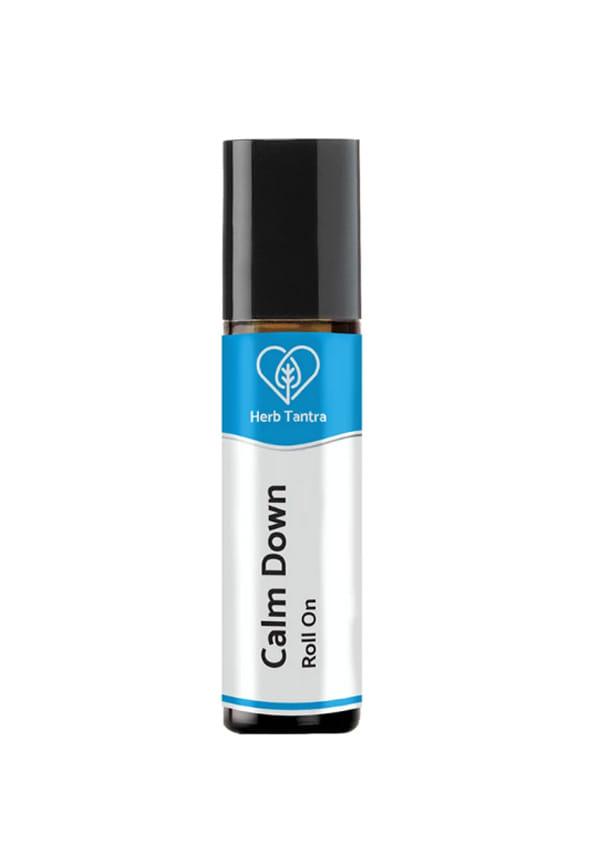
Calm Down Anxiety Relief Roll-On
Breathing exercises for anxiety are the secret weapon in your yoga toolkit. Your breath is the bridge between your conscious and unconscious mind, making it the fastest way to influence your anxiety levels. When combined with mindful movement for anxiety, breathing techniques amplify the calming effects exponentially.
The 4-7-8 breath is incredibly effective for instant calm: inhale for 4 counts, hold for 7, exhale for 8. This pattern naturally slows your heart rate and activates relaxation responses. Box breathing involves equal counts for inhaling, holding, exhaling, and holding again—typically 4 counts each. This technique is excellent for focus and mental clarity. Three-part breath involves breathing into your belly, ribs, and chest sequentially, creating full-body relaxation.
The magic happens when you coordinate breath with movement. In Cat-Cow sequence, inhaling as you arch your back and exhaling as you round it creates a meditative flow that calms racing thoughts. Modified Sun Salutations with extended breath counts turn a potentially energising sequence into a deeply calming practice. Ujjayi breath—a gentle oceanic sound created by slightly constricting the throat—can be maintained throughout your practice for sustained calm.
The 3-3-3 rule is a popular grounding technique that involves identifying 3 things you can see, 3 things you can hear, and 3 ways you can move your body. This anxiety management technique works by bringing you into the present moment and out of anxious thoughts about the future or past.
This technique works because anxiety often involves getting lost in mental loops and losing connection with your physical reality. By engaging your senses deliberately, you interrupt the anxiety cycle and ground yourself in the present moment. The movement component is particularly important because it helps discharge nervous energy that builds up during anxious episodes.
Tree Pose naturally incorporates the visual focus element of the 3-3-3 rule—you need to fix your gaze on a point to maintain balance. Warrior III challenges your proprioceptive awareness (your sense of where your body is in space), which grounds you in physical sensation. Seated meditation poses help you tune into sounds around you, fulfilling the auditory component of grounding whilst promoting yoga for mental clarity.
Creating a personalised anxiety relief yoga sequence ensures you have a go-to practice that works specifically for your needs and lifestyle. The key is starting simple and building consistency rather than perfection.
Start with 5 minutes of gentle warm-up: Cat-Cow stretches, neck rolls, and shoulder shrugs to release initial tension. Spend 7 minutes on core anxiety-relief poses: Child's Pose (2 minutes), gentle twists (2 minutes), Legs-Up-The-Wall (3 minutes). Finish with 3 minutes of Savasana or supported relaxation, focusing on your breath and allowing your nervous system to integrate the practice.
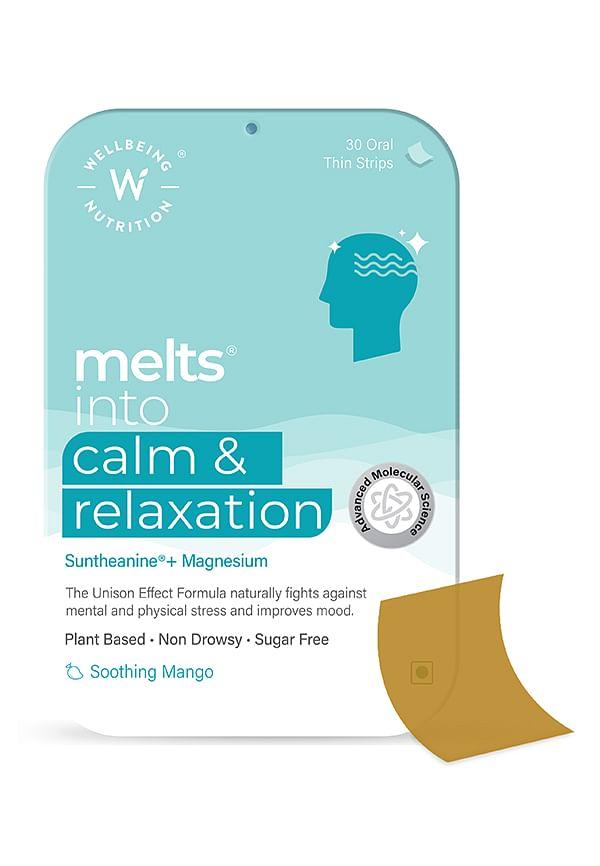
Melts Calm & Relaxation Plant Based Stress & Anxiety Reliever
Therapeutic yoga for worry must be adaptable to your current state and physical capabilities. If you have knee issues, use bolsters or blankets for support in seated poses. When anxiety is particularly high, focus more on restorative poses and less on movement. The goal isn't to push through discomfort but to create a sense of safety and ease in your body.
Morning sequences help set a calm tone for your day and build resilience before stressors arise. Evening routines are excellent for processing the day's stress and preparing for restful sleep. Keep a 5-minute emergency sequence ready for acute anxiety moments—simple poses like Child's Pose, gentle twists, and focused breathing can be done almost anywhere.
Restorative yoga for peace takes the concept of gentle yoga even further, using props to support your body completely so you can surrender into deep relaxation. These poses are particularly powerful for chronic anxiety or when you're feeling emotionally depleted.
Supported Child's Pose with a bolster under your torso allows you to rest completely whilst maintaining the grounding benefits of the traditional pose. Reclined Butterfly with bolsters under your knees and a blanket over your body creates a cocoon of comfort that helps release deep-held tension. Supported Savasana with an eye pillow, bolster under your knees, and blankets for warmth creates the ultimate relaxation experience.
Your environment significantly impacts the effectiveness of restorative practice. Dim lighting or candles create a peaceful atmosphere, whilst soft instrumental music or nature sounds can enhance relaxation. Essential oils like lavender or chamomile can further support your nervous system's shift into rest mode. The key is creating a space that feels completely safe and nurturing.
Consistency trumps intensity when it comes to using yoga for anxiety management. A daily 15-minute practice will serve you better than occasional hour-long sessions, as regular practice helps retrain your nervous system's default responses to stress.
Start with just 10-15 minutes daily, choosing the same time each day to build a habit. Track your mood and anxiety levels before and after practice to see patterns and progress. Common obstacles include perfectionism (remember, showing up is more important than doing poses perfectly) and inconsistency (start with just 5 minutes if needed).
Meditation naturally integrates with yoga—even 5 minutes of seated breathing after your physical practice amplifies benefits. Lifestyle factors like adequate sleep, reduced caffeine, and time in nature all support your yoga practice. However, yoga isn't a replacement for professional mental health support when needed—it's a powerful complement to therapy and medical treatment.
Physical indicators of reduced anxiety include slower resting heart rate, improved sleep quality, and less muscle tension. Emotionally, you might notice increased resilience to stress, better emotional regulation, and improved mental clarity. Long-term benefits include greater self-awareness, improved relationships, and a deeper sense of inner peace that extends far beyond your yoga mat.

Magnesium Melatonin - Restful Sleep, Reduced Stress, Anxiety
Most people notice immediate calming effects after just one session, but lasting changes typically develop after 2-4 weeks of consistent practice. Even 10-15 minutes daily can create significant shifts in your anxiety levels and overall stress response.
Absolutely! Gentle yoga for anxiety is perfect for beginners because it focuses on simple, accessible poses rather than complex movements. Start with basic poses like Child's Pose and gentle breathing exercises, then gradually add more poses as you feel comfortable.
This can happen initially as your body releases stored tension and emotions. If anxiety increases during practice, slow down, focus on your breath, or move into Child's Pose. Sometimes emotions need to surface before they can be released. If this persists, consider working with a trauma-informed yoga teacher.
Both have benefits! Morning practice helps build resilience for the day ahead, whilst evening practice helps process daily stress and prepare for sleep. Choose the time that feels most sustainable for your schedule and when you're most likely to be consistent.
Yes, yoga is an excellent complement to professional mental health treatment. Many therapists and doctors recommend yoga as part of a comprehensive anxiety management plan. Always inform your healthcare providers about your yoga practice, especially if you're on medication. You can explore various wellness products and approaches available on Smytten to support your overall mental health journey.
While props aren't essential, they can significantly enhance comfort and effectiveness. A yoga mat provides stability, bolsters or pillows support restorative poses, and blankets add warmth and security. You can start with household items like pillows and towels before investing in specific yoga props.
An anxiety relief yoga sequence is one of the most accessible and effective natural tools for managing stress and anxiety. The combination of gentle movement, conscious breathing, and mindful awareness creates powerful shifts in your nervous system that extend far beyond your practice time. Remember that consistency matters more than perfection—even a few minutes of daily practice can create meaningful changes in how you respond to stress. Whether you choose energising morning sequences or calming evening routines, the key is finding what works for your lifestyle and sticking with it. Most importantly, be patient with yourself as you develop this practice. Anxiety relief through yoga is a journey, not a destination, and every moment you spend caring for your mental wellness is a step towards greater peace and resilience.
Just as yoga encourages you to try different poses and breathing techniques to find what works best for your body and mind, Smytten believes in the power of exploration when it comes to wellness. As India's largest product discovery and trial platform, Smytten connects you with over 1,500 trusted wellness brands through curated trial packs, letting you explore everything from aromatherapy products to wellness supplements that might complement your yoga practice. With authentic brand-verified minis available for trial, you can discover new wellness products that support your anxiety relief journey without the commitment of full-size purchases. Whether you're looking for calming essential oils, stress-relief teas, or mindfulness tools, Smytten's 100% cashback on trials makes it easy to try before you buy. After all, just like finding the perfect yoga sequence for your needs, discovering the right wellness products should be about exploration and finding what truly works for you—because why settle for maybe when you can #TryItAll!
