Anxiety Relief Through Yoga FAQ: Your Questions Answered

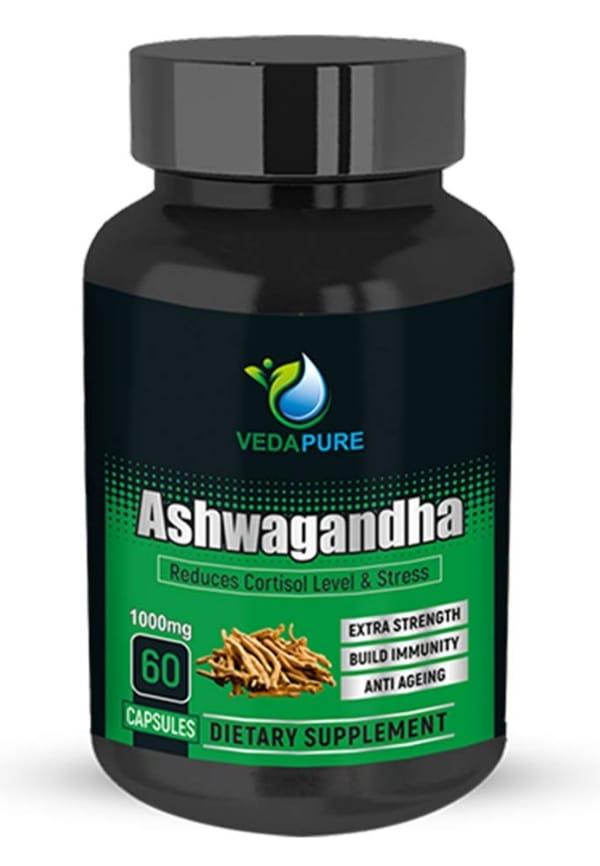
Ashwagandha Anxiety & Stress Relief
Let's be real—anxiety can feel like that uninvited guest who shows up at the worst possible times. Whether it's work stress, relationship drama, or just the general chaos of modern life, finding natural ways to cope has become more important than ever. That's where anxiety relief through yoga comes in, offering a gentle yet powerful approach to managing those overwhelming moments. Unlike quick fixes that barely scratch the surface, yoga works on multiple levels—your body, mind, and breath—creating lasting change from within. With millions of people discovering the benefits of this ancient practice, it's worth exploring how yoga can become your go-to tool for finding calm in the storm. From simple breathing exercises you can do anywhere to restorative poses that melt away tension, yoga offers practical solutions that fit into real life. And the best part? You don't need to be flexible or experienced to start—just willing to try something that might just become your new favourite way to unwind. Smytten understands the importance of wellness in our daily routines, which is why exploring natural anxiety relief methods like yoga can be such a game-changer for your overall well-being.
Yoga reduces anxiety by activating your parasympathetic nervous system and lowering cortisol levels through specific poses and breathing techniques
Gentle poses like Child's Pose, Savasana, and restorative positions are most effective for calming an anxious mind
Breathing exercises such as 4-7-8 technique and box breathing provide immediate relief during panic attacks
A consistent home practice of just 10-15 minutes daily can significantly improve anxiety management over time
Yoga works best as part of a holistic approach to mental health, complementing professional treatment when needed
The magic behind anxiety relief through yoga isn't just ancient wisdom—it's backed by solid science. When you practice yoga, you're essentially giving your nervous system a much-needed reset. Your vagus nerve, which controls your body's relaxation response, gets activated through specific poses and breathing exercises for anxiety. This triggers your parasympathetic nervous system, shifting you from fight-or-flight mode into rest-and-digest mode.
Research from institutions like NYU Langone has shown that regular yoga practice can significantly reduce cortisol levels—that pesky stress hormone that keeps you feeling wired. At the same time, yoga increases GABA production in your brain, which is basically nature's chill pill. This neurochemical shift helps explain why you feel so much calmer after a yoga session. The combination of mindfulness and yoga creates a powerful mind-body connection that teaches your system how to self-regulate when anxiety strikes.
Studies have consistently shown that yoga for mental health works on multiple levels. Brain imaging reveals that regular practitioners have increased grey matter in areas associated with emotional regulation and decreased activity in the amygdala—your brain's alarm system. This means your brain literally rewires itself to handle stress better, making coping with anxiety naturally more effective over time.
Not all yoga poses are created equal when it comes to calming anxiety. The most effective ones focus on grounding, gentle movement, and activating your relaxation response. These yoga poses for calm work by encouraging deep breathing and creating a sense of safety in your body.
The beauty of gentle yoga for anxiety is that these poses are accessible to everyone, regardless of experience level. You don't need to twist yourself into pretzel shapes—simple, supported positions often work best for soothing an anxious mind.
Savasana (Corpse Pose) might look like you're just lying down, but it's actually one of the most powerful poses for nervous system reset. Lying flat with arms slightly away from your body allows complete muscular relaxation while focusing on breath awareness.
Child's Pose (Balasana) creates an instant sense of safety and introspection. Kneeling with your forehead touching the ground and arms extended forward naturally slows your heart rate and encourages deeper breathing.
Tree Pose offers grounding through balance, requiring present-moment awareness that naturally quiets anxious thoughts. The focus needed to maintain balance gives your mind something concrete to concentrate on.
Restorative yoga benefits include extended holds in supported positions that allow your nervous system to completely unwind. Poses like Reclined Pigeon with bolster support or Extended Puppy Pose held for 5-10 minutes create profound relaxation responses. These longer holds give your body time to shift from stress mode into healing mode.
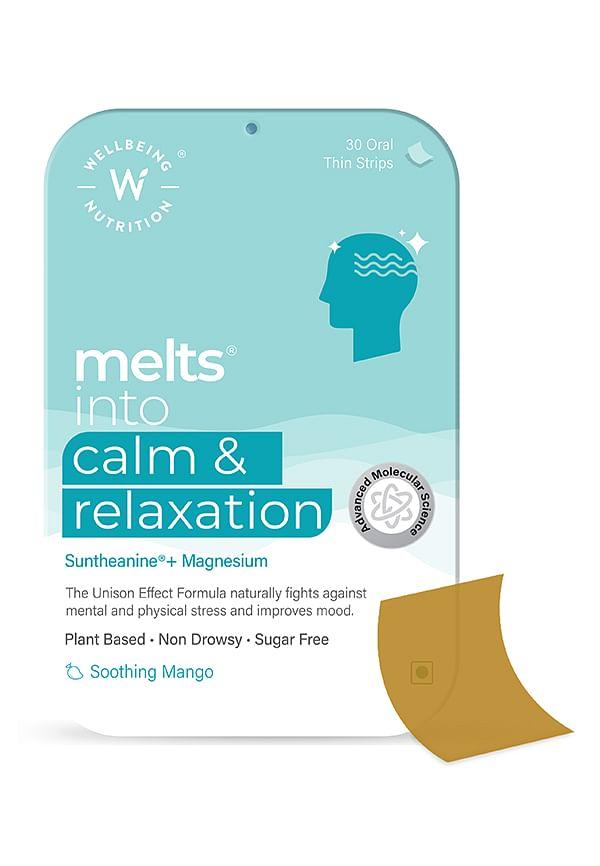
Melts Calm & Relaxation Plant Based Stress & Anxiety Reliever
Absolutely—and honestly, sometimes home practice feels even more calming than a crowded studio. Creating your own space for yoga for stress reduction means you can practice without judgment, move at your own pace, and focus entirely on what your body needs in the moment.
Setting up doesn't require fancy equipment or a huge space. A yoga mat, maybe a pillow or two for support, and a quiet corner where you won't be interrupted is all you need. The key is consistency rather than perfection—even 10-15 minutes daily can create significant shifts in how you handle anxiety.
Your practice space should feel like a mini sanctuary. Dim lighting, perhaps some calming music or essential oils, and removing distractions like phones help create the right atmosphere. The goal is to signal to your nervous system that this is a safe space for relaxation.
Listen to your body and modify poses as needed. If forward folds feel overwhelming, stay upright. If lying flat triggers anxiety, try propping yourself up with pillows. The beauty of home practice is adapting everything to work for you.
Breathing exercises for anxiety are like having a portable panic button that actually works. When anxiety hits, your breath becomes shallow and rapid, which only feeds the cycle. Conscious breathing techniques interrupt this pattern and activate your body's natural relaxation response.
The combination of meditation for anxiety with specific breathing patterns creates a powerful tool you can use anywhere—whether you're stuck in traffic, before a big meeting, or lying awake at 3 AM with racing thoughts.
This technique involves inhaling for 4 counts, holding for 7, and exhaling for 8. The extended exhale activates your parasympathetic nervous system almost immediately. Practice this when you feel anxiety building, and you'll notice your heart rate slowing within just a few rounds.
Box breathing—inhaling for 4, holding for 4, exhaling for 4, holding for 4—creates a steady rhythm that helps during panic attacks. The equal counts give your mind something to focus on while regulating your nervous system.
This pranayama technique involves closing one nostril while breathing through the other, then switching. It's particularly effective for overthinking because it balances the left and right hemispheres of your brain, creating mental clarity and calm.
When panic strikes, you need tools that work fast. Yoga and emotional well-being practices can provide immediate grounding techniques that help you ride out the storm. The key is having a few go-to moves that you can do anywhere, even in public spaces.
During acute anxiety, your body goes into survival mode, so gentle, grounding movements work better than complex poses. The goal is to send safety signals to your nervous system as quickly as possible.
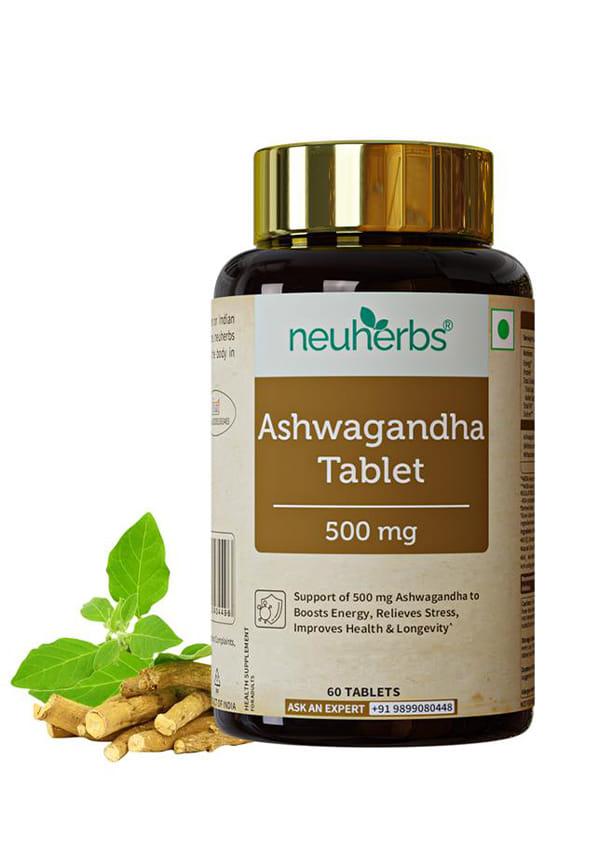
Ashwagandha Tablets,Reduce Stress & Support Sleep Cycle
Standing Forward Bend can be done anywhere and immediately calms your nervous system. Simply fold forward from standing, letting your arms hang heavy. The inversion effect helps reset your system.
Hero Pose (sitting on your heels) provides instant grounding. If you can't get on the floor, sitting in a chair with feet firmly planted works too. Focus on feeling supported and connected to the ground.
Combine the anxiety management 3-3-3 rule (name 3 things you see, 3 sounds you hear, move 3 parts of your body) with yoga breathing. This grounds you in the present moment while activating your relaxation response.
Consistency beats intensity when it comes to yoga for mental health. A short daily practice creates more lasting change than occasional long sessions. Think of it like taking vitamins—the benefits accumulate over time with regular use.
Your routine should feel sustainable and enjoyable, not like another item on your stress list. Start small and build gradually, adapting based on what your body and mind need on any given day.
Aim for 15-20 minutes daily, mixing gentle flow sequences with restorative holds. Monday might be energising poses to start the week, while Friday could focus on releasing tension. Weekend sessions can be longer and more exploratory.
Keep a simple journal noting your anxiety levels before and after practice. This helps you identify which poses and techniques work best for you. Remember, what works during PMS week might be different from what you need during work deadlines.
Consider online classes or local groups for additional support. Having a community makes the practice more sustainable and provides accountability without pressure.
The 3-3-3 rule involves naming 3 things you can see, 3 sounds you can hear, and moving 3 parts of your body. When combined with yoga breathing, this grounding technique becomes even more effective. Try doing this while in Child's Pose or any comfortable seated position, using deep belly breathing throughout the process.

Magnesium Melatonin - Restful Sleep, Reduced Stress, Anxiety
You might notice immediate calming effects after just one session, especially with breathing exercises. However, lasting changes in anxiety patterns typically develop over 4-8 weeks of consistent practice. The key is regular practice rather than expecting instant transformation.
Yoga can be beneficial for severe anxiety, but it should complement, not replace, professional treatment. Some people find certain poses triggering initially, so starting with gentle, supported positions and working with an experienced teacher is recommended. Always consult your healthcare provider about integrating yoga into your treatment plan.
Yoga should never replace prescribed medication without medical supervision. Many people find yoga helps them manage anxiety alongside other treatments, sometimes allowing for medication adjustments under professional guidance. Think of yoga as a powerful tool in your toolkit rather than a complete replacement.
Yoga combines physical movement with breath awareness and mindfulness, while meditation typically focuses on mental techniques without movement. Both are effective for anxiety—yoga might appeal more to people who find sitting still difficult, while meditation offers deeper mental training. Many people benefit from combining both practices.
Start with simple breathing exercises like 4-7-8 breathing, then move into gentle poses like Child's Pose or Legs-Up-The-Wall. Create a calming environment with dim lighting and remove distractions. Even 10 minutes can make a significant difference in your anxiety levels.
Restorative yoga, gentle hatha, or yin yoga are ideal starting points. These styles focus on longer holds, supported positions, and deep breathing rather than challenging physical poses. Avoid hot yoga or intense vinyasa classes initially, as they might increase anxiety for some people.
Absolutely! Flexibility isn't required for anxiety relief through yoga. The most calming poses are often the simplest ones that anyone can do. Use props like pillows, blankets, or blocks to make poses comfortable. Remember, the goal is relaxation, not achieving perfect form.
Evening yoga practice signals to your nervous system that it's time to wind down. Gentle poses like Legs-Up-The-Wall or Reclined Butterfly, combined with deep breathing, help transition your body into sleep mode. The physical relaxation and mental calm from yoga naturally improve sleep quality, which in turn reduces overall anxiety levels.
Anxiety relief through yoga offers a natural, accessible approach to managing stress and overwhelm in our daily lives. The science is clear—regular practice literally rewires your brain for better emotional regulation while providing immediate tools for acute anxiety moments. Whether you're dealing with general stress or panic attacks, yoga's combination of movement, breath, and mindfulness creates a comprehensive toolkit for mental wellness.
The beauty lies in its adaptability—you can practice anywhere, modify everything to suit your needs, and start seeing benefits within weeks. From simple breathing exercises that work in the office to restorative poses for deep relaxation at home, yoga meets you where you are. Remember, consistency matters more than perfection, and even a few minutes daily can create meaningful change in how you handle life's challenges.
Just as yoga helps you discover what works best for your mind and body, Smytten makes it easy to explore wellness products that support your mental health journey. As India's largest product discovery and trial platform, Smytten offers curated trial packs from over 1,500 trusted wellness brands, letting you try before you buy. Whether you're looking for aromatherapy oils to enhance your yoga practice, calming teas for post-session relaxation, or wellness supplements that support stress management, you can explore authentic brand-verified minis without the commitment of full-size purchases. With 100% cashback on trials and PAN-India delivery, discovering products that complement your anxiety relief routine has never been easier. After all, why settle for maybe when you can try it all and find what truly works for your wellness journey?
