9 Top Yoga for Relaxation Poses for Stress Relief


Calming & Anti-Fatigue Body Massage Oil
Let's be real—stress has become our unwelcome daily companion. Between work deadlines, endless notifications, and life's constant demands, finding moments of calm feels like searching for a needle in a haystack. But here's the thing: you don't need to book an expensive retreat or master complex meditation techniques to find relief. The top yoga for relaxation poses can be your secret weapon against stress, offering immediate relief right from your living room. These gentle movements work by activating your body's natural relaxation response, lowering cortisol levels, and creating space for your mind to breathe. Whether you're dealing with work anxiety, sleep troubles, or just need to hit the reset button, these nine poses will become your go-to stress-busters. Plus, with platforms like Smytten offering wellness products to support your self-care journey, creating your personal relaxation routine has never been easier.
TL;DR
Nine scientifically-backed yoga poses that activate your body's relaxation response and reduce stress hormones
Simple breathing techniques that enhance the calming effects of each pose
Step-by-step instructions for gentle yoga poses suitable for all experience levels
Tips for creating an evening routine that combines yoga for sleep and stress relief
Practical advice on building a sustainable mindful movement practice at home
Your nervous system is basically running a 24/7 stress management centre, and yoga for stress relief acts like the ultimate reset button. When you move through gentle yoga poses with mindful breathing, you're literally rewiring your body's stress response. Research shows that regular yoga practice can reduce cortisol levels by up to 23%, whilst increasing GABA production—your brain's natural chill pill.
The magic happens when you combine movement with breath awareness. This powerful duo activates your parasympathetic nervous system, which is responsible for the "rest and digest" response. Think of it as switching from fight-or-flight mode to Netflix-and-relax mode. Restorative yoga benefits extend beyond the mat too, improving sleep quality, reducing anxiety, and boosting overall mental resilience.
Ready to discover your new favourite stress-busters? These poses are carefully selected for their ability to calm your nervous system and release physical tension. Each one targets different areas where stress loves to hide—your shoulders, hips, and mind.
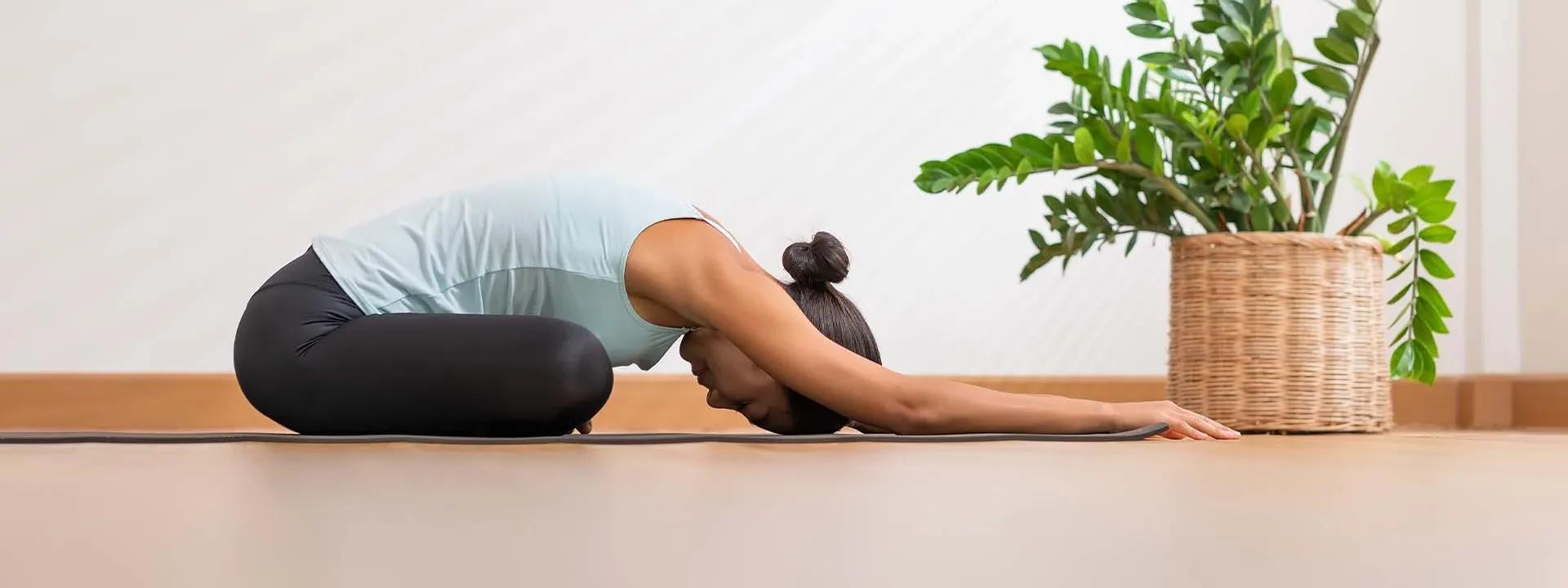
Child's Pose (Balasana)
This is your safe haven on the mat. Kneel on the floor with your big toes touching and knees hip-width apart. Sit back on your heels, then fold forward, extending your arms in front of you or alongside your body. Rest your forehead on the mat and breathe deeply. This pose gently stretches your hips, thighs, and ankles whilst creating a sense of security and introspection. Hold for 1-3 minutes, focusing on lengthening your exhale to maximise the calming effects.
Legs-Up-the-Wall Pose (Viparita Karani)
Find a wall and lie on your back with your legs extended up against it. Your body should form an L-shape. Place a folded blanket under your lower back for extra support if needed. This gentle inversion helps blood flow back to your heart, reducing swelling in your legs and calming your nervous system. It's particularly effective for anxiety reducing yoga sessions, as it signals to your body that it's time to rest and restore.
Cat-Cow Pose (Marjaryasana-Bitilasana)
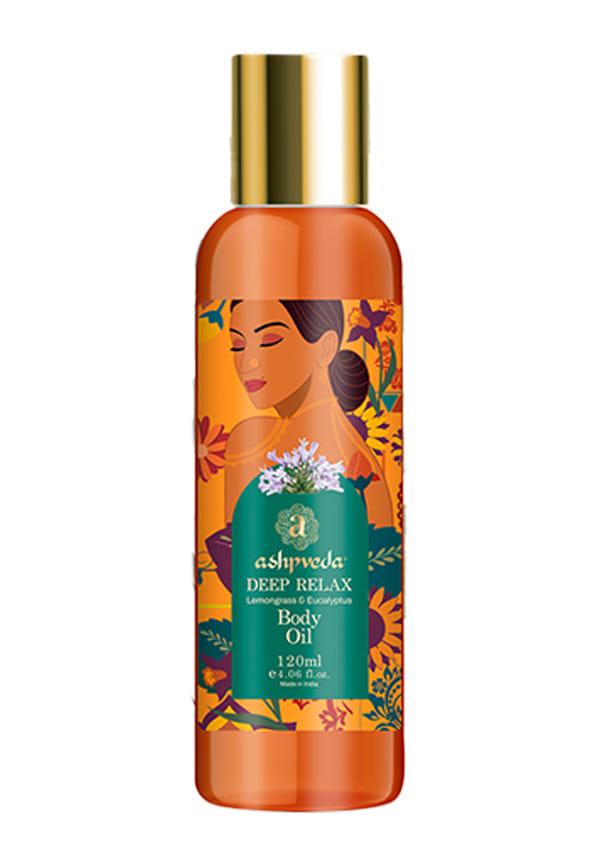
Deep Relax Body Oil with Lemongrass & Eucalyptus | Ayurvedic Massage Oil for Stress Relief, Muscle Tension & Skin Hydration | Lightweight & Fast Abso
Start on your hands and knees in a tabletop position. As you inhale, arch your back and lift your chest and tailbone towards the ceiling (Cow). As you exhale, round your spine towards the ceiling and tuck your chin to chest (Cat). This flowing movement releases tension in your spine whilst coordinating breath with movement—a key component of mindful movement practice.
Seated Forward Bend (Paschimottanasana)
Sit with your legs extended in front of you. Inhale and lengthen your spine, then exhale as you hinge forward from your hips. Don't worry about touching your toes—focus on keeping your spine long and breathing deeply. This introspective pose calms the mind whilst stretching the entire back body. If you have tight hamstrings, bend your knees slightly or place a cushion under them for comfort.
Supine Spinal Twist (Supta Matsyendrasana)
Lie on your back and draw your right knee to your chest. Cross it over to the left side of your body, keeping your right shoulder grounded. Extend your right arm out to the side and turn your head right. This gentle twist releases tension in your lower back and hips whilst stimulating digestion—perfect for those stress-induced stomach knots. Repeat on the other side, holding each side for 1-2 minutes.
Happy Baby Pose (Ananda Balasana)
Lying on your back, draw your knees towards your chest. Grab the outsides of your feet with your hands, opening your knees wider than your torso. Gently rock side to side if it feels good. This playful pose releases hip tension whilst bringing a sense of joy and lightness—sometimes the best stress relief comes from reconnecting with your inner child.
Supported Fish Pose (Matsyasana)
Place a bolster or rolled blanket lengthwise behind you. Lie back so the prop supports your spine from your shoulder blades to the top of your head. Let your arms fall open to the sides. This heart-opening pose counteracts the forward hunching we do all day, whilst opening your chest and throat. The restorative yoga benefits of this pose include improved breathing and a sense of emotional release.
Reclined Bound Angle Pose (Supta Baddha Konasana)
Lie on your back and bring the soles of your feet together, letting your knees fall open to the sides. Place cushions or blocks under your knees for support. Rest your arms by your sides with palms facing up. This pose opens your hips and heart simultaneously, creating space for deep relaxation and emotional release. It's particularly effective for calming yoga practices before bedtime.
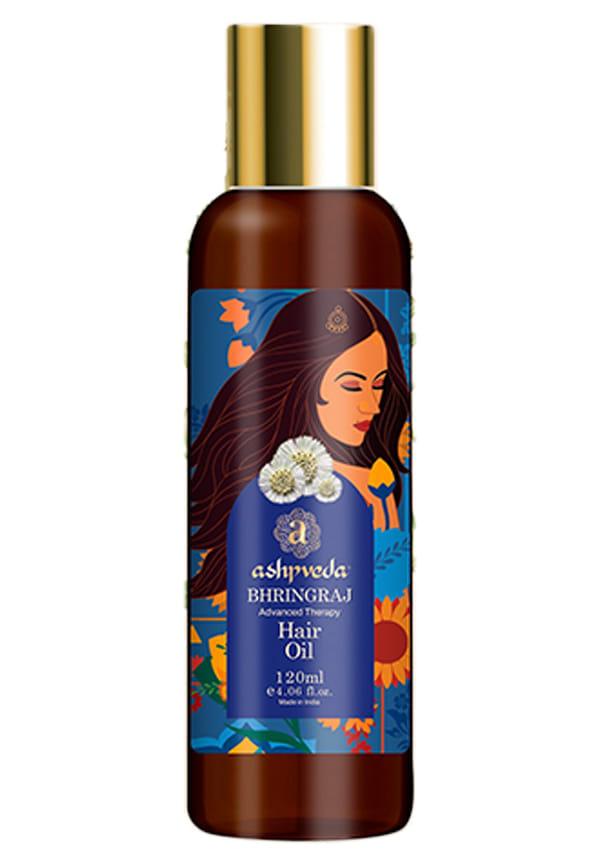
Blissful Bhringraj Head Massage Hair Oil | Essential Ayurvedic Herb Enriched Hair Oils for Headache Relaxation & Stress | Natural Hair Growth & Shine
Corpse Pose (Savasana)
Lie flat on your back with your arms by your sides, palms facing up. Close your eyes and let your body completely relax into the floor. This might look like the easiest pose, but it's actually the most challenging—learning to truly let go takes practice. Focus on releasing tension from each part of your body, starting from your toes and working up to your head. This is where meditation and yoga beautifully merge.
Your breath is the remote control for your nervous system, and these breathing exercises for calm will amplify the stress-relieving effects of your yoga practice. The 4-7-8 technique is particularly powerful: inhale for 4 counts, hold for 7, and exhale for 8. This pattern activates your parasympathetic nervous system almost instantly.
Ujjayi breath, or "ocean breath," involves breathing through your nose whilst slightly constricting your throat, creating a soft whooshing sound. This technique helps maintain focus during your practice whilst promoting relaxation. Box breathing—inhaling, holding, exhaling, and holding again for equal counts—is perfect for moments when anxiety peaks. Try coordinating these breathing patterns with your movements to create a truly mindful movement experience.
The best time for yoga for sleep is about 1-2 hours before bedtime, giving your body time to transition into rest mode. Start with 3-4 poses and gradually build your routine as it becomes a habit. A simple evening sequence might include Child's Pose, Legs-Up-the-Wall, a gentle twist, and Savasana.
Your environment matters too. Dim the lights, put your phone in another room, and maybe light a candle or use essential oils. The goal is to signal to your brain that it's time to wind down. Even 10-15 minutes of mindful movement can make a significant difference in your stress levels and sleep quality. Consistency trumps duration—it's better to practice for 10 minutes daily than an hour once a week.
Meditation and yoga are like best friends who make each other better. During your poses, try incorporating simple mindfulness techniques. In Child's Pose, focus on the sensation of your breath against your thighs. In Legs-Up-the-Wall, practice a body scan meditation, noticing each part of your body as it relaxes.
Mantras can be incredibly powerful for yoga for mental well-being. Simple phrases like "I am calm" on the inhale and "I release stress" on the exhale can anchor your mind during practice. The key is finding what resonates with you—some people prefer counting breaths, others like visualising stress melting away with each exhale. Experiment and discover your personal recipe for relaxation.
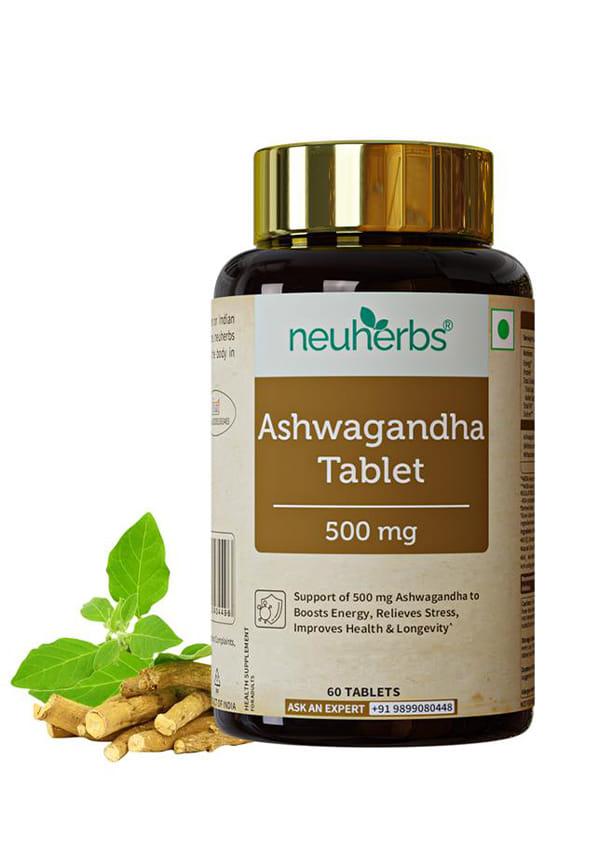
Ashwagandha Tablets,Reduce Stress & Support Sleep Cycle
Restorative yoga, Yin yoga, and gentle Hatha yoga are particularly effective for stress relief. However, any yoga style can be relaxing when practiced with mindful breathing and proper alignment. The key is moving slowly and focusing on your breath rather than achieving perfect poses.
Daily practice, even for just 10-15 minutes, is more beneficial than longer sessions once or twice a week. Your nervous system responds better to consistent, gentle input rather than sporadic intense sessions. Start with 3-4 times a week and gradually build up.
Absolutely! Research shows that regular yoga practice can reduce anxiety symptoms by up to 50% and significantly improve sleep quality. The combination of physical movement, breath awareness, and mindfulness targets multiple pathways that contribute to anxiety and sleep disturbances. Many people find relief from trying yoga products and accessories available on Smytten to enhance their practice.
While props like bolsters, blocks, and blankets can enhance your practice, they're not essential. You can use household items—pillows instead of bolsters, books instead of blocks, and towels instead of yoga straps. A yoga mat is helpful but not mandatory; a carpet or rug works fine for gentle poses.
For restorative poses, hold for 3-5 minutes to allow your nervous system to fully relax. For gentle flow poses like Cat-Cow, move slowly with your breath. In Savasana, aim for at least 5-10 minutes. Listen to your body—if a pose feels uncomfortable, adjust or come out early.
The top yoga for relaxation poses offer a scientifically-backed pathway to stress relief that you can access anytime, anywhere. These nine poses work by activating your body's natural relaxation response, reducing stress hormones, and creating space for mental clarity. The beauty lies in their simplicity—you don't need years of training or expensive equipment to experience their benefits.
Remember that consistency matters more than perfection. Start with just 2-3 poses and focus on coordinating your breath with movement. As you build your practice, you'll discover which poses resonate most with your body and stress patterns. The combination of gentle movement, mindful breathing, and present-moment awareness creates a powerful antidote to modern life's pressures.
Building a sustainable yoga practice for stress relief is about finding what works for your lifestyle and sticking with it. Whether you're dealing with work pressure, relationship stress, or just the general overwhelm of daily life, these poses offer a reliable refuge. As you explore different wellness practices and products, platforms like Smytten make it easy to trial various self-care items before committing to full-size purchases. With India's largest minis collection and 100% cashback on trials, you can experiment with aromatherapy oils, yoga accessories, or relaxation aids to enhance your practice. After all, why settle for stress when you can #TryItAll and discover your perfect relaxation routine?
