9 Surprising Facts About Protein in Chana per 100g
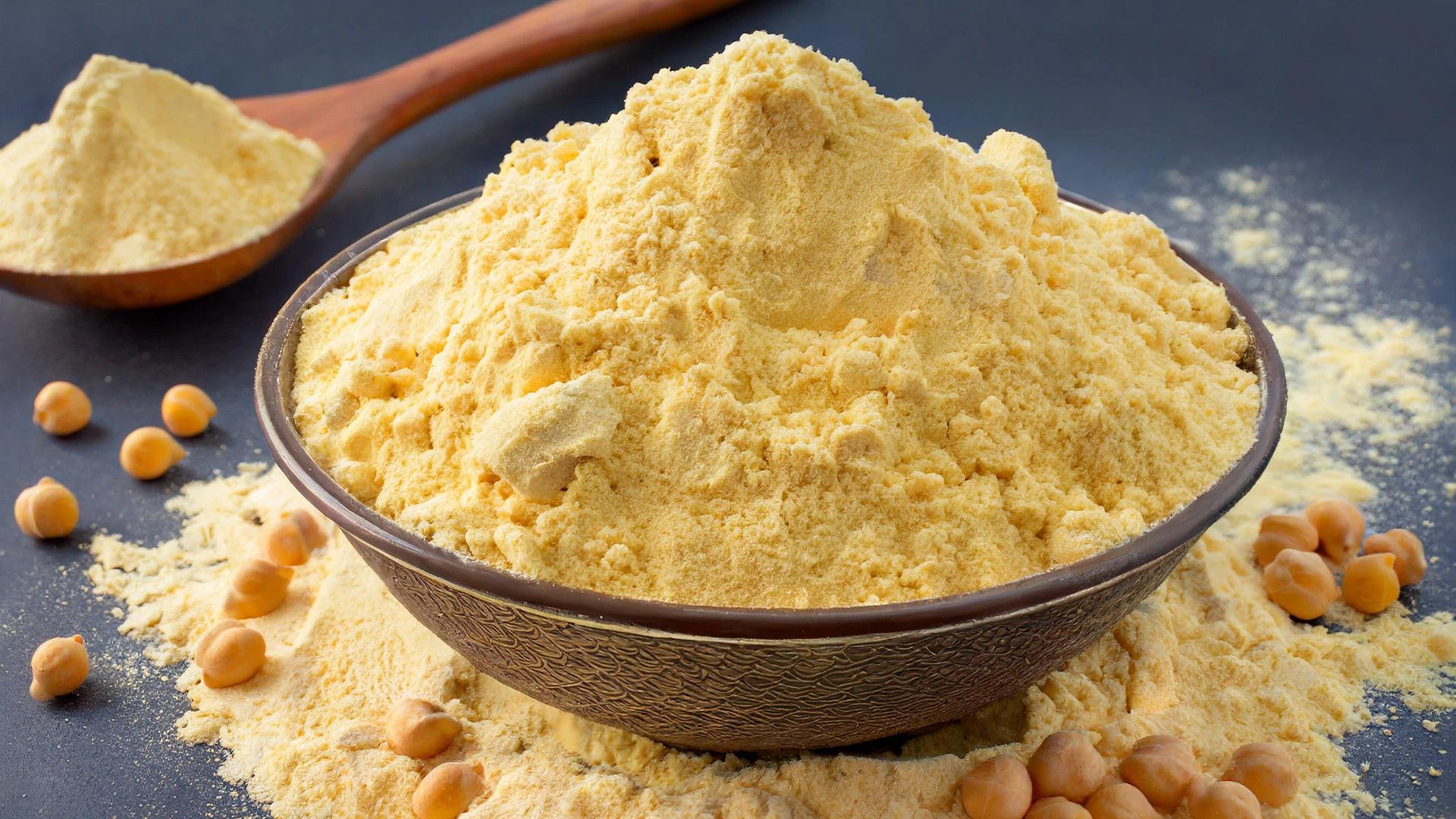

Let's be real—when someone mentions protein, your mind probably jumps straight to chicken, eggs, or that protein powder sitting in your kitchen. But here's the thing: one of the most underrated protein powerhouses has been sitting right there in your pantry all along. We're talking about chana, those humble chickpeas that pack a serious nutritional punch. With around 19-20 grams of protein in chana per 100g, these little golden gems are about to blow your mind with some facts that'll make you see them in a whole new light. Ready to discover why chana deserves a permanent spot on your plate?
Before we dive into the surprising facts, let's get the basics sorted. Chana nutrition goes way beyond just protein—though that's definitely the star of the show. These legumes are packed with complex carbohydrates, dietary fibre, and essential vitamins and minerals that make them a complete nutritional package. When you look at the macronutrient breakdown, 100g of chana delivers approximately 364 calories, with protein making up about 20-22% of the total content. The rest comes from carbohydrates (around 60g) and a small amount of healthy fats (about 6g). But here's where it gets interesting—the micronutrient profile includes folate, iron, phosphorus, and magnesium, making chana a true superfood. Compared to other legumes like lentils or kidney beans, chana holds its own remarkably well. While lentils offer about 24g of protein per 100g, chana's chana protein content sits comfortably in the high-protein category, especially when you consider its versatility and digestibility.
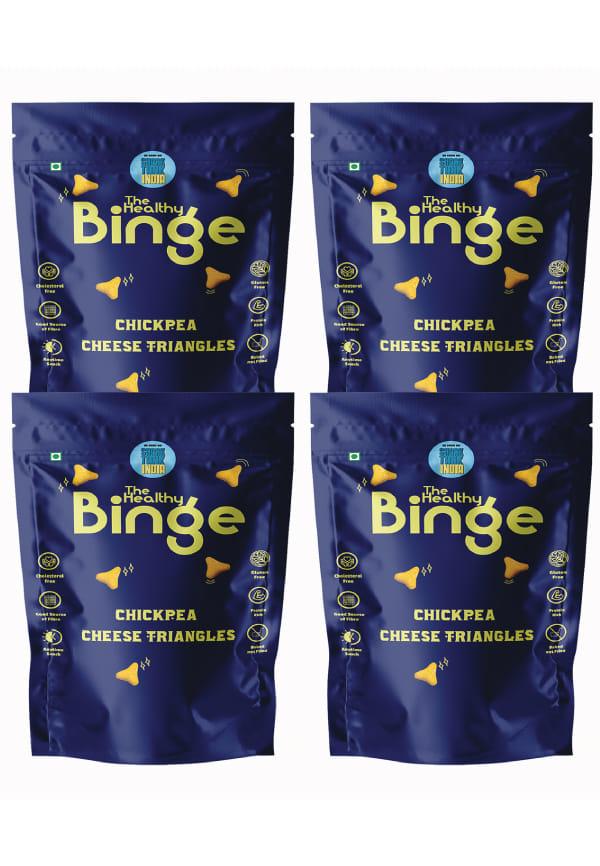
Chickpea Protein Triangles - Pack of 4 Cheese Flavours High in Fiber & Protein
Good Protein Snack
 5
5“good source of protein in a snack”
Here's your first surprise: the protein in chana per 100g varies significantly depending on whether you're eating it raw or cooked. Raw dried chana contains about 19-20g of protein per 100g, but once you boil it, the game changes completely. When chana is boiled, it absorbs water and increases in volume. This means that 100g of boiled chana actually contains less protein than its raw counterpart—around 8-9g per 100g. Don't panic though! You're not losing protein; you're just dealing with water weight. The total protein content remains the same; it's just distributed across a larger volume.
This difference is crucial when you're calculating your daily protein intake. If you're aiming for a specific amount of protein from chana, you'll need to account for whether you're measuring raw or cooked portions. Most nutrition labels refer to raw measurements, so keep this in mind when planning your meals.
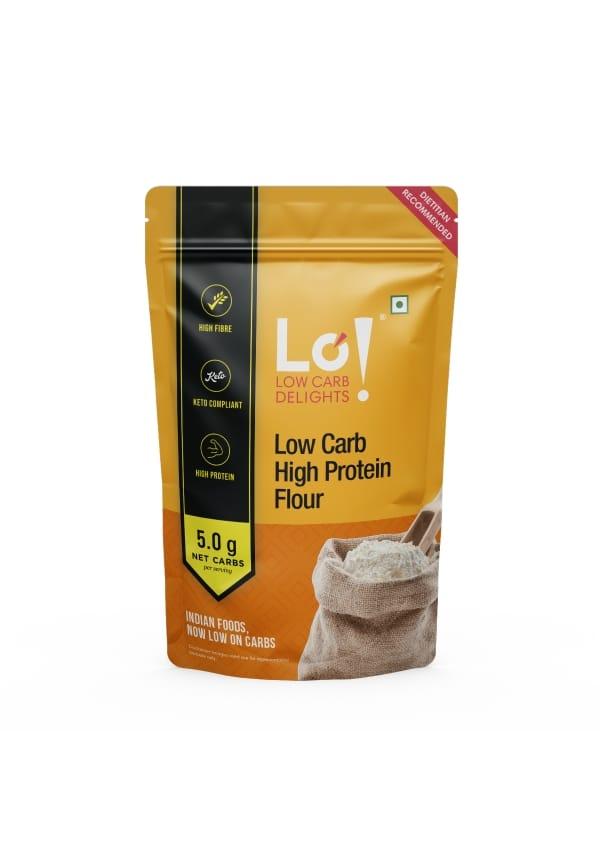
Low Carb High Protein Atta
Excellent Atta
5“The atta is really good. Makes tasty rotis.”
Here's where things get really interesting. The chana protein composition includes all nine essential amino acids, though it's relatively low in methionine. This makes it what nutritionists call an "almost complete" protein—pretty impressive for a plant-based source. Chana amino acids include high levels of lysine, which is often lacking in grain-based proteins. This is why the classic combination of chana with rice or roti works so brilliantly from a nutritional standpoint. You're essentially creating a complete protein profile that rivals animal sources.
When we talk about chana protein quality, we're looking at something called the Protein Digestibility Corrected Amino Acid Score (PDCAAS). Chana scores around 0.78, which is quite respectable for a plant protein. For comparison, egg protein scores a perfect 1.0, while wheat protein scores around 0.42.
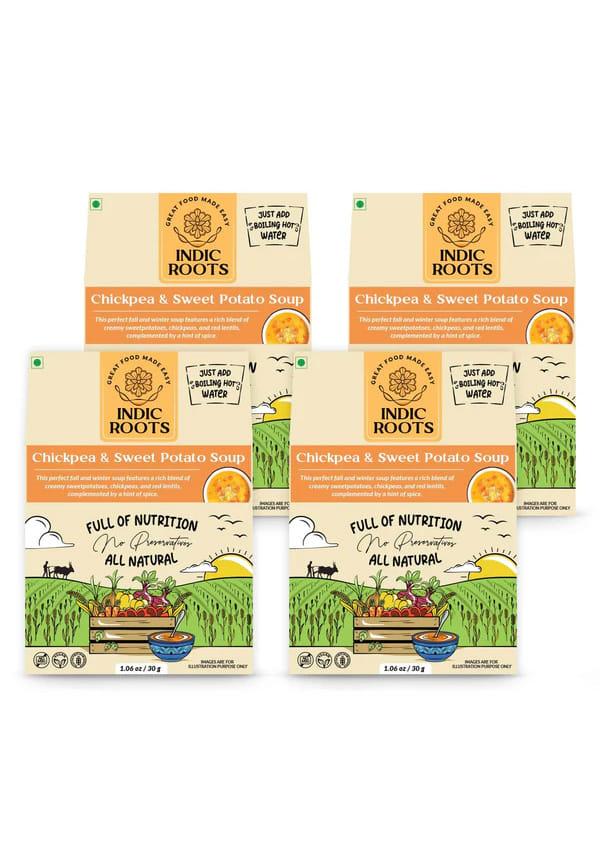
Chickpea & Sweet Potato Soup
Not all chana is created equal when it comes to protein content. Kala chana (black chickpeas) actually contains slightly more protein than regular white chana—around 21-22g per 100g compared to the 19-20g in white varieties. Roasted chana takes things up another notch. The roasting process removes moisture, concentrating the nutrients. You'll find about 23-25g of protein per 100g of roasted chana, making it an excellent snack for protein seekers.
Fresh green chana, the kind you might find in pods during certain seasons, contains less protein per 100g (around 7-8g) because of its higher water content. However, it's still a valuable protein source and offers different nutritional benefits, including higher vitamin C content.
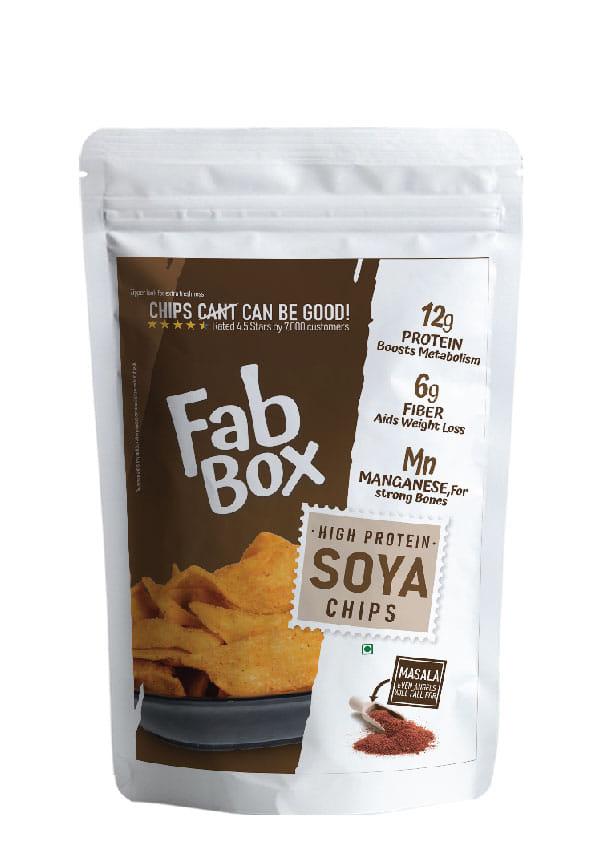
High Protein Soya Chips
Loved the Crispy & Tasty Product
4“I am in love with this product . It's too good crispy and tasty . I am definitely gonna buy this again”
Good taste, firm texture
5“the chips are harder than normal chips but they taste well and good”
Good Value Product
5“very good product which is not very expensive yet very good”
While everyone talks about protein for muscle building, chana protein benefits extend far beyond the gym. The slow-digesting nature of chana protein helps maintain steady blood sugar levels, making it excellent for diabetes management. The high fibre content works alongside the protein to promote satiety, helping with weight management. Studies have shown that people who regularly include legumes like chana in their diet tend to have lower BMIs and better weight control.
The protein in chana comes packaged with compounds that actively support heart health. The combination of protein, fibre, and potassium helps reduce cholesterol levels and supports healthy blood pressure. It's like getting a complete wellness package in every serving.
Organic Wheatgrass powder
Let's talk about realistic serving sizes because chana protein per serving depends entirely on how much you're actually eating. A typical serving of cooked chana is about 150g, which provides roughly 12-14g of protein. For chana protein intake planning, here's what different serving sizes offer: • 30g of raw chana: 6g protein • 50g of raw chana: 10g protein • 100g of raw chana: 19-20g protein • 150g of cooked chana: 12-14g protein
If you're aiming for 50g of protein daily (a common goal for adults), you'd need about 250g of raw chana. That sounds like a lot, but remember—chana works brilliantly as part of a varied protein strategy alongside other sources.
Organic Raw Jackfruit Flour
When we compare chana protein sources with other plant-based options, the results might surprise you. Quinoa, often hailed as a superfood, contains about 14g of protein per 100g. Almonds offer 21g, but they're also much higher in calories and fat. Chana sits in that sweet spot where it provides substantial protein without excess calories or saturated fat. Plus, it's significantly more affordable than many trendy protein sources, making it accessible for everyone.
Here's something worth considering: chana is also one of the most environmentally sustainable protein sources. It requires less water and produces fewer greenhouse gases compared to animal proteins, making it a win for both your health and the planet.
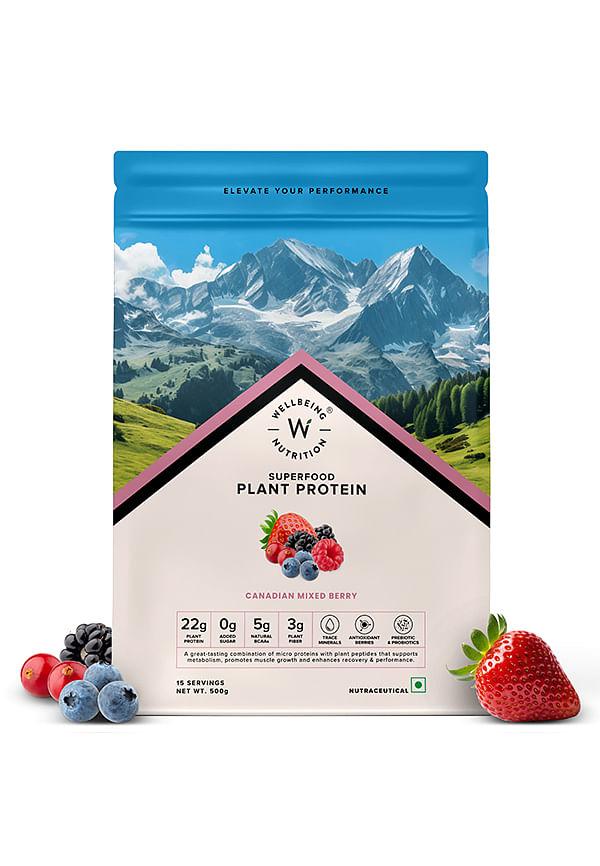
Organic Vegan Plant Protein Isolate Powder
The chana protein profile includes compounds called antinutrients that can interfere with protein absorption. But here's the clever bit—proper preparation methods can significantly improve bioavailability. Soaking chana overnight before cooking reduces these antinutrients by up to 50%. Sprouting takes this even further, not only improving protein absorption but actually increasing the total protein content slightly.
Pressure cooking chana after soaking is your best bet for optimal protein utilisation. The high heat and pressure break down the antinutrients while preserving the protein structure. Adding a pinch of turmeric or ginger during cooking can further enhance digestibility.
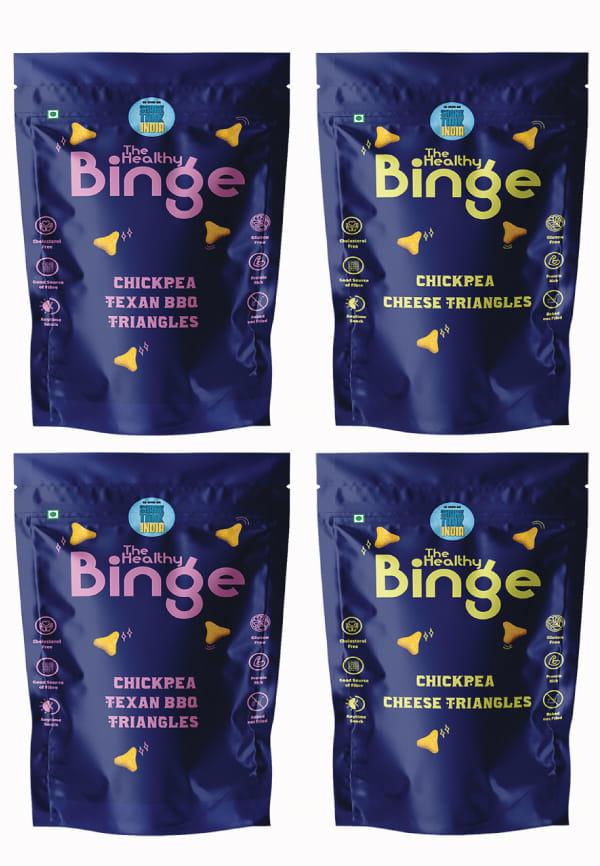
Puffed Chickpea Triangles | Assorted Pack of 4 | Cheese and Texan BBQ | Protein Packed
Good Protein Source
5“good source of protein in a snack”
Here's something most people don't know: when you eat chana affects how your body uses its protein. The slow-digesting nature of chana protein makes it excellent for evening meals, providing a steady amino acid release throughout the night. For athletes or those doing strength training, having chana protein within two hours post-workout can support muscle recovery, though it works differently than fast-absorbing proteins like whey.
The traditional Indian practice of eating chana with rice or roti isn't just about taste—it's nutritional genius. These combinations provide all essential amino acids in optimal ratios, creating a complete protein that's easily absorbed and utilised by the body.
Organic Spirulina Powder
Chana flour (besan) is an interesting case study in how processing affects protein content. Depending on the milling process, besan can contain anywhere from 20-25g of protein per 100g—sometimes even higher than whole chana. Sprouted chana flour takes this further, offering improved digestibility and enhanced amino acid profiles. Some commercial chana protein isolates can contain up to 80-90% protein, though these are quite different from whole food sources.
While processed chana products can offer concentrated protein, whole chana provides the complete package—protein plus fibre, vitamins, and minerals. It's like choosing between a single vitamin pill and a balanced meal; both have their place. Just like how Smytten lets you discover and try new wellness products before committing to full sizes, experimenting with different chana preparations helps you find what works best for your lifestyle and nutritional goals. With over 1,500 trusted brands in wellness and nutrition available through curated trial packs, you can explore complementary products that enhance your protein intake journey.
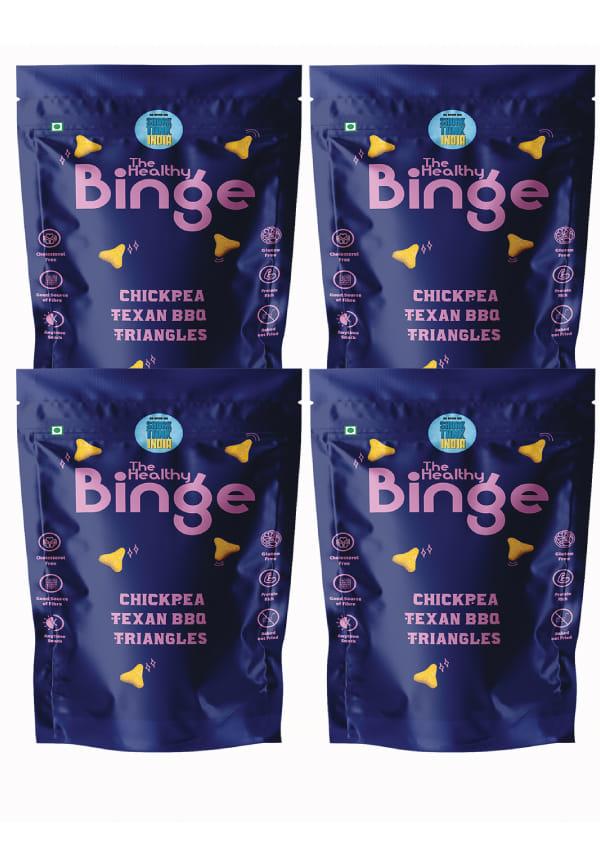
Puffed Chickpea Triangles | Pack of 4 | Texan BBQ | Protein Packed
Boiled chana contains approximately 8-9g of protein per 100g. The lower protein concentration compared to raw chana is due to water absorption during cooking, but the total protein content remains the same—it's just distributed across a larger volume.
Yes, 100g of raw chana daily is generally safe for most people and provides about 19-20g of high-quality protein. However, start gradually if you're not used to high-fibre foods to avoid digestive discomfort. Always soak and cook properly for better digestion.
50g of raw chana provides approximately 10g of protein. If you're measuring cooked chana, 50g would provide about 4-5g of protein. This makes it a valuable protein source when combined with other foods throughout the day.
Absolutely! With 19-20g of protein per 100g, chana ranks among the higher protein plant foods. It provides more protein per calorie than many common foods and offers a complete amino acid profile when combined with grains.
These nine surprising facts about protein in chana per 100g reveal just how remarkable this humble legume truly is. From its impressive amino acid profile to its versatility in different preparations, chana proves that you don't need expensive superfoods to meet your protein goals. The beauty of chana lies in its accessibility and adaptability. Whether you're a fitness enthusiast looking to build muscle, someone managing weight, or simply trying to eat more plant-based proteins, chana delivers consistent results. Its 19-20g of protein per 100g, combined with fibre, vitamins, and minerals, makes it a complete nutritional package. What's particularly exciting is how traditional food wisdom aligns perfectly with modern nutritional science. The classic combinations our grandparents enjoyed weren't just delicious—they were nutritionally brilliant. As more people discover the benefits of plant-based eating, chana stands out as a reliable, affordable, and sustainable protein source that never lets you down. After all, why settle for expensive protein supplements when you can get quality nutrition from something as simple and satisfying as chana?
