9 Pain Management Tools for At-Home Relief

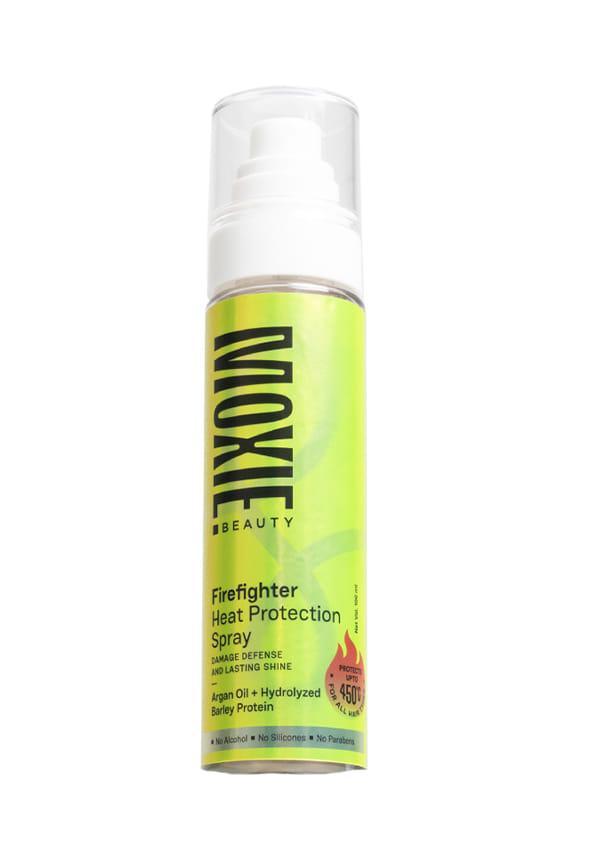
Firefighter Heat Protection Spray
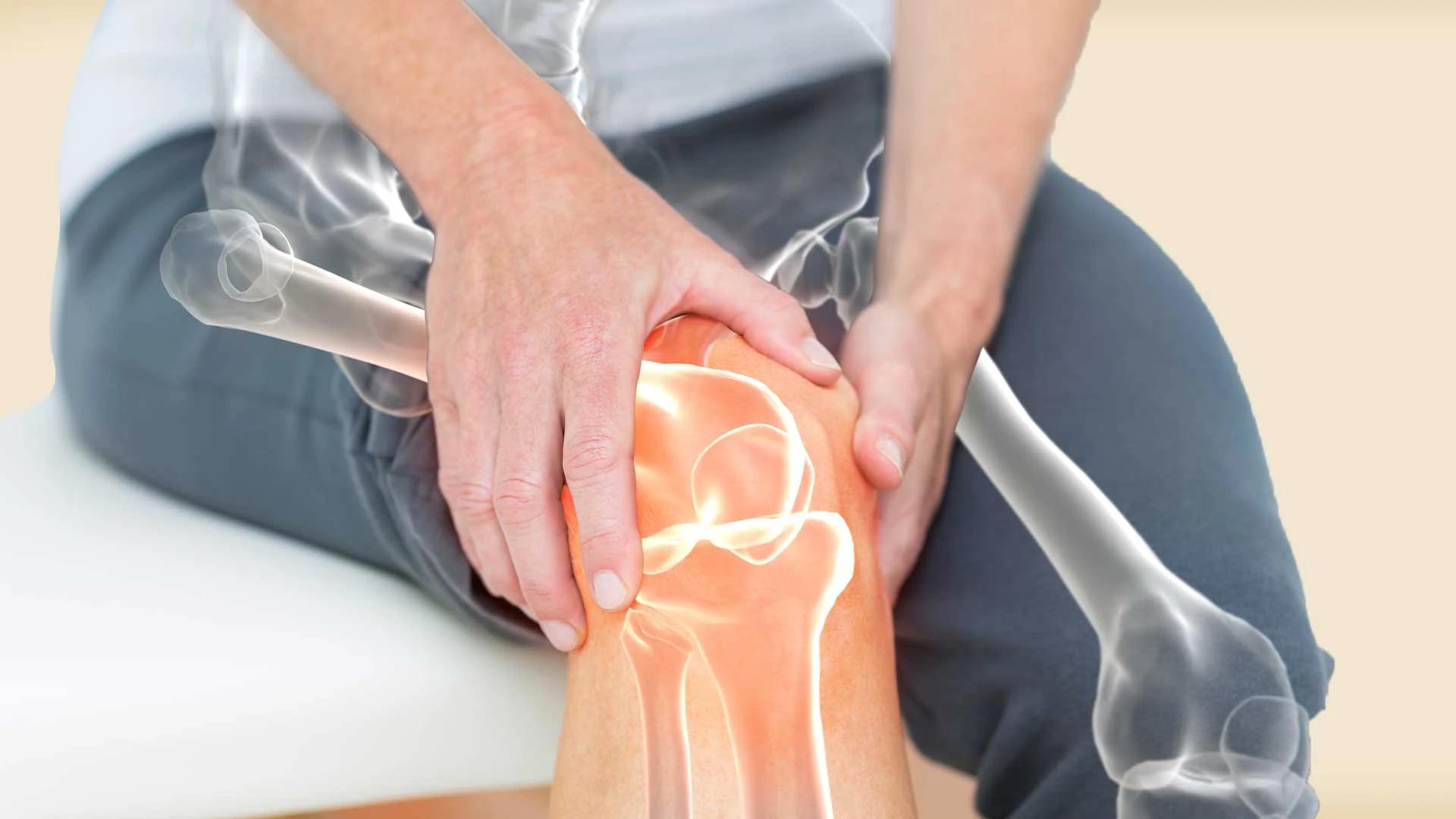
Living with pain doesn't have to mean living with limitations. Whether you're dealing with chronic discomfort or occasional aches, the right pain management tools can transform your daily experience from enduring to thriving. With over 50 million adults in India experiencing chronic pain, finding effective at-home solutions has become more crucial than ever. The good news? You don't need expensive treatments or constant medical visits to find relief. From therapeutic devices that target specific pain points to natural remedies that work with your body's healing processes, there's a whole toolkit waiting to be discovered. Smytten's wellness category offers access to various pain relief products that you can try before committing to full-size purchases, making it easier to find what actually works for your unique needs.
TL;DR
Nine essential pain management tools can provide effective at-home relief without relying solely on medication
Different pain types respond better to specific therapeutic approaches—heat, cold, compression, or electrical stimulation
Natural pain remedies and holistic techniques can complement traditional pain management devices for comprehensive relief
Creating a personalised pain management routine with the right tools can significantly improve quality of life
Safety guidelines and proper usage are crucial for maximising effectiveness while avoiding potential complications
Pain management isn't just about making discomfort bearable—it's about reclaiming your life. When pain becomes a constant companion, it affects everything from sleep quality to work productivity and relationships. The best pain management tools work by interrupting pain signals, reducing inflammation, or helping your body's natural healing processes kick into high gear.
Real talk: not all pain is created equal. Acute pain from a recent injury needs different treatment than chronic conditions like arthritis or fibromyalgia. That's where having a variety of pain relief techniques in your toolkit becomes game-changing. Modern pain management strategies focus on non-pharmacological approaches that can be just as effective as medication, often with fewer side effects.
Your body's pain response is actually pretty clever—it's designed to protect you from further harm. But sometimes, these signals get stuck on repeat mode, creating chronic pain that serves no protective purpose. This is where therapeutic tools for pain come in, helping to reset those overactive pain pathways.
Modern pain management devices work through various mechanisms: gate control theory (blocking pain signals), endorphin release, improved circulation, and muscle relaxation. Understanding these principles helps you choose the right tool for your specific situation.
Let's dive into the toolkit that could change how you experience pain. Each of these pain management devices offers unique benefits, and many work even better when combined strategically.
Transcutaneous Electrical Nerve Stimulation (TENS) units are like having a physiotherapist's electrical stimulation machine at home. These small, portable devices send gentle electrical pulses through your skin to interrupt pain signals before they reach your brain. Think of it as creating a traffic jam for pain messages—they simply can't get through.
TENS units work brilliantly for localised pain, whether it's lower back discomfort, knee pain, or even period cramps. The beauty lies in their adjustability—you can control both intensity and frequency to find your sweet spot. Most users find relief within 15-30 minutes of use, making them perfect for both acute flare-ups and ongoing chronic pain solutions.
Heat therapy is one of the oldest pain relief techniques, and there's solid science behind why it works so well. Heat increases blood flow, relaxes muscles, and can actually change how your nervous system processes pain signals. Modern heating pads, heat wraps, and infrared devices take this ancient wisdom and make it incredibly convenient.
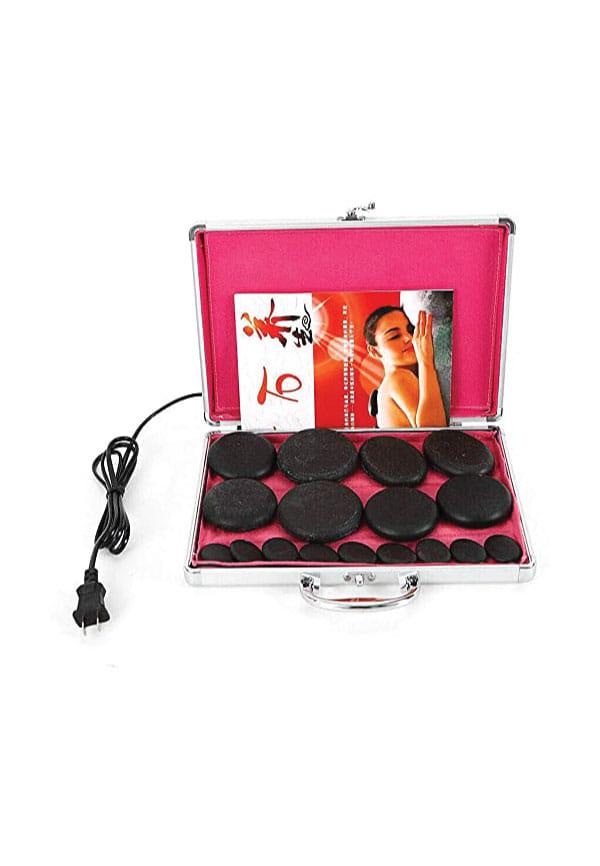
Hot Massage Stones, 16 Pcs Electric Hot Stones Massage Set with Warmer
The key is knowing when to reach for heat versus cold. Heat works best for muscle stiffness, chronic conditions like arthritis, and tension-related pain. Aim for temperatures around 40-45°C and limit sessions to 15-20 minutes to avoid skin damage.
Cold therapy might seem counterintuitive for pain relief, but it's incredibly effective for reducing inflammation and numbing acute pain. Ice packs, gel cold packs, and even specialised cryotherapy tools work by constricting blood vessels and slowing down nerve conduction—essentially putting your pain on pause.
Use cold therapy for fresh injuries, swelling, or inflammatory conditions. The rule of thumb: if it's hot, swollen, or recently injured, reach for cold. If it's stiff, tight, or chronically achy, heat is your friend.
Massage isn't just luxury—it's legitimate therapy. Foam rollers, massage balls, and percussion massagers help break up muscle knots, improve circulation, and trigger the release of natural pain-relieving chemicals. These tools put the power of professional massage therapy literally in your hands.
Percussion massagers have become particularly popular because they can reach deeper muscle layers without requiring much effort from you. Start gentle and gradually increase intensity—your muscles will thank you for the patience.
Compression works by improving circulation and providing proprioceptive feedback—basically, it helps your brain understand where your body is in space, which can reduce pain perception. Compression sleeves, wraps, and garments are particularly effective for joint pain and swelling.
The trick with compression is finding the right level—too loose won't help, too tight can cause problems. Look for graduated compression that's snug but doesn't cut off circulation or cause numbness.
Sometimes the best pain management strategy is preventing pain in the first place. Lumbar supports, cervical pillows, and posture correctors help maintain proper alignment, reducing strain on muscles and joints. These tools are especially valuable if you spend long hours at a desk or have sleep-related pain issues.
Good ergonomics isn't just about fancy equipment—it's about supporting your body's natural curves and reducing unnecessary stress on pain-prone areas.
It might seem counterintuitive, but gentle movement is often one of the most effective natural pain remedies. Resistance bands, yoga props, and stability tools help you maintain mobility and strength without aggravating existing pain. Exercise releases endorphins—your body's natural painkillers—while also preventing the muscle weakness that can worsen pain conditions.
Start small and listen to your body. The goal isn't to push through pain but to gently encourage movement and flexibility.
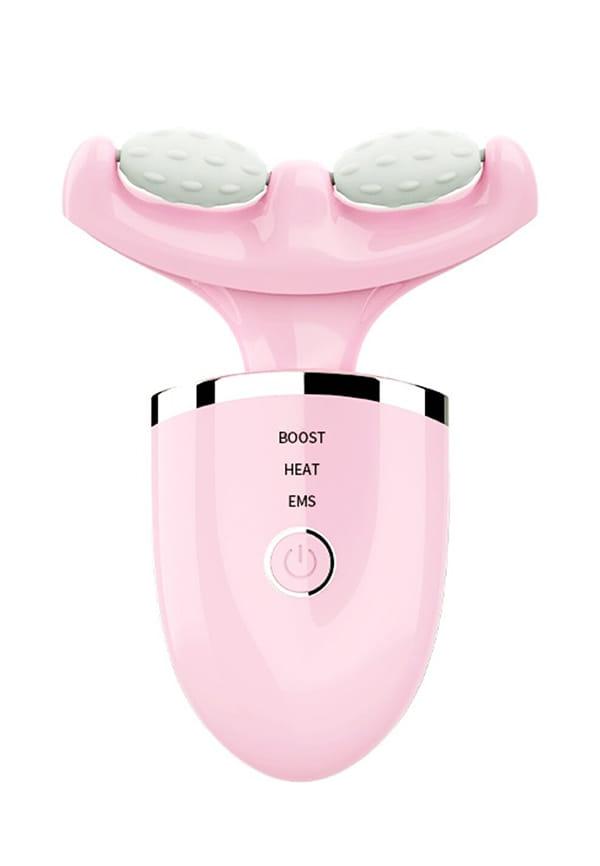
Advanced Multifunctional Neck Beauty Massager
Topical pain relief products work by delivering active ingredients directly to the source of discomfort. From menthol-based cooling gels to capsaicin creams that work on pain receptors, these applications can provide targeted relief without systemic side effects.
Natural options like arnica, turmeric-based creams, and essential oil blends offer gentler alternatives that many find surprisingly effective. The key is consistent application and giving the product time to work.
Your mental state significantly impacts how you experience pain. Meditation apps, breathing devices, and biofeedback tools help activate your body's relaxation response, which can dramatically reduce pain perception. This isn't about "thinking away" your pain—it's about changing how your nervous system processes pain signals.
Even 10 minutes of guided breathing or meditation can shift your pain experience from overwhelming to manageable.
While pain management devices are incredibly effective, they work even better when combined with holistic pain management strategies. Natural approaches work with your body's healing systems rather than just masking symptoms.
Certain herbs and nutrients have genuine anti-inflammatory and pain-relieving properties. Turmeric, ginger, omega-3 fatty acids, and magnesium can all play supporting roles in your pain management routine. These natural pain remedies work best as part of a comprehensive approach rather than standalone solutions.
Sleep quality, stress levels, and even hydration status all impact how you experience pain. Creating a pain-friendly environment—proper lighting, comfortable temperatures, and organised spaces—can reduce the daily stressors that amplify pain perception.
The most effective pain management strategies combine multiple approaches tailored to your specific needs. Start by identifying your pain patterns—when it's worst, what triggers it, and what provides relief. This information helps you choose the right combination of therapeutic tools for pain.
Consider starting with one or two tools and gradually building your toolkit based on what works. Many people find that rotating between different pain management devices prevents their body from adapting to any single approach.
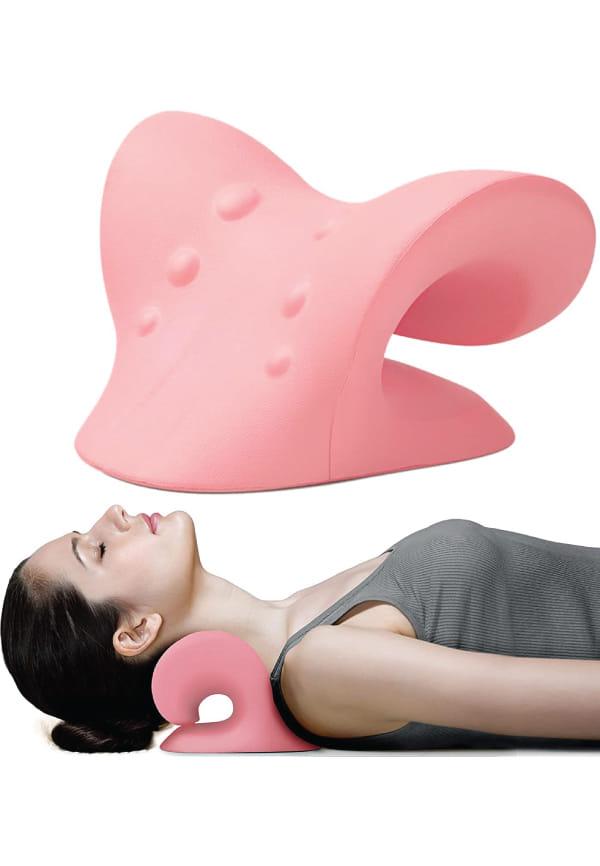
Neck And Shoulder Relaxer Cervical Traction Device
Initial Positive Impression
 5
5“seems good .. just started trying”
Pain Relief Product
5“good , comfortable and helpful in pain”
Uncomfortable Material
4“this product has very hard material, not so good for the neck and shoulders.”
While these tools are generally safe, proper usage is crucial. Always read instructions carefully, start with lower intensities, and never use electrical devices near water or on broken skin. If you have underlying health conditions, check with your healthcare provider before starting any new pain management routine.
Consistency beats intensity when it comes to pain management. It's better to use your tools regularly at moderate levels than to use them intensively but sporadically. Create a routine that fits your lifestyle and stick with it—your future self will thank you.
Cold therapy and TENS units typically provide the quickest relief for acute pain, often within 10-15 minutes. However, the most effective tool depends on your specific type of pain and its underlying cause.
Yes, many tools complement each other well. For example, you might use heat therapy followed by gentle stretching, or combine topical applications with compression. Avoid using electrical devices with heat therapy simultaneously, and always follow individual product guidelines.
Track your pain levels, sleep quality, and daily function over time. Effective pain management should gradually improve your ability to perform daily activities and reduce the frequency or intensity of pain episodes. Available on Smytten, various pain relief products can be tried in smaller sizes to test effectiveness before committing to full-size purchases.
Seek professional help if pain is severe, persistent, or interfering significantly with daily life. Also consult a provider if you experience new symptoms, if pain management tools aren't providing relief after consistent use, or if you have underlying health conditions.
Natural remedies can be very effective, especially when combined with other pain management strategies. While they may work more gradually than some devices, they often provide sustainable relief with fewer side effects. The key is finding the right combination for your individual needs.
Effective pain management is about having the right tools and knowing how to use them strategically. The nine pain management tools outlined here offer different approaches to pain relief, from immediate symptom management to long-term healing support. Remember that what works best for you might be different from what works for others—pain is highly individual, and your management strategy should be too.
Start with one or two tools that address your most pressing pain concerns, then gradually build your toolkit based on results. Consistency is more important than perfection, and small daily efforts often yield better results than sporadic intensive treatments. Most importantly, don't hesitate to seek professional guidance when needed—these tools work best as part of a comprehensive approach to health and wellness.
Finding the right pain management tools can feel overwhelming, but it doesn't have to be a guessing game. Smytten's trial packs let you explore various wellness products, including pain relief solutions, before committing to full-size purchases. With access to over 1,500 trusted brands and the ability to try before you buy, you can build your personalised pain management toolkit with confidence. The platform's 100% cashback on trials makes discovering what works for your unique needs both affordable and risk-free. After all, when it comes to managing pain effectively, why settle for maybe when you can try it all and find what truly works for you?
