9 Best Herbal Pain Relief Balms for Natural Comfort


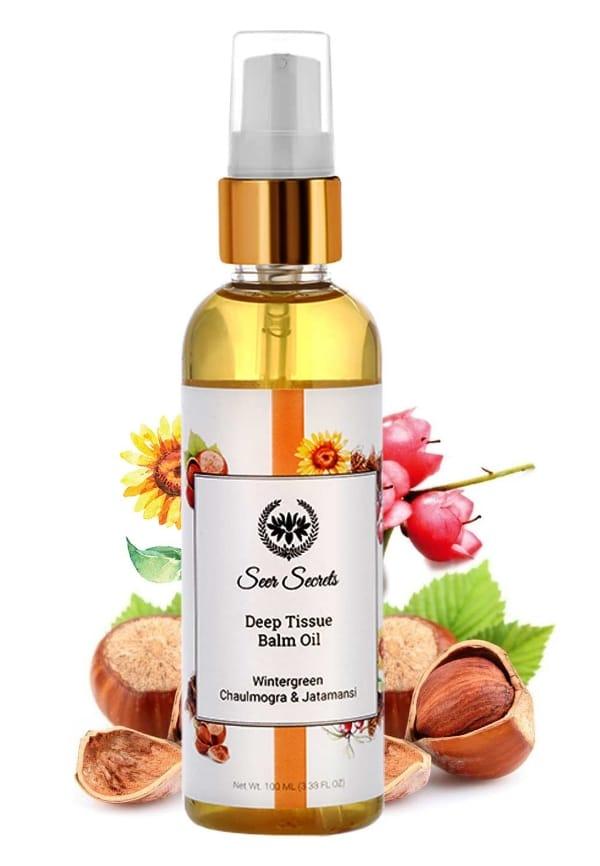
Deep Tissue Balm Oil - Quick Pain Relief Oil
Superb Fantastic Product
 5
5“superb fantastic product of the year 👌🏻”
Effective Pain Relief
5“helpful in pain relief very much 😀”
Excellent Product
5“The product is really satisfying and works well. I'm happy with the quality and overall performance. It meets expectations and offers good value."”
When muscle aches and joint pain strike, reaching for the nearest chemical-laden painkiller isn't your only option. The world of herbal pain relief balms offers a gentler, more natural approach to managing discomfort—and honestly, some of these formulations work better than you'd expect. From ancient Ayurvedic blends to modern arnica-based formulas, the best herbal pain relief balms combine traditional wisdom with proven ingredients that actually deliver results. Whether you're dealing with post-workout soreness, chronic joint stiffness, or that annoying crick in your neck, there's likely a natural pain relief balm that's worth trying. The beauty of exploring these options on platforms like Smytten is that you can test different formulations without committing to full-size products—because finding your perfect pain relief companion shouldn't involve guesswork or buyer's remorse.
Herbal pain relief balms use natural ingredients like arnica, menthol, and essential oils to provide effective muscle and joint pain relief
Different formulations target specific pain types—cooling balms for acute injuries, warming balms for chronic stiffness, and anti-inflammatory options for swelling
Key ingredients to look for include arnica montana, turmeric, camphor, wintergreen, and eucalyptus oil
Proper application techniques and understanding your specific pain type help maximise effectiveness
Natural balms offer fewer side effects compared to synthetic alternatives while providing comparable relief
The science behind natural pain relief balm effectiveness lies in how plant-based compounds interact with your skin and underlying tissues. Unlike oral medications that travel through your digestive system, topical pain relief balms deliver active ingredients directly to the affected area. This targeted approach means faster relief with fewer systemic side effects—pretty clever, right?
The magic happens when compounds like menthol activate cold receptors in your skin, creating that cooling sensation that temporarily blocks pain signals. Meanwhile, ingredients like arnica work on a deeper level, reducing inflammation and promoting healing. Anti-inflammatory balm formulations often combine multiple mechanisms—some provide immediate cooling or warming sensations whilst others work on the underlying inflammation causing your discomfort.
Arnica montana tops the list for good reason. This mountain flower has been used for centuries to treat bruises, sprains, and muscle soreness. Clinical studies show it can significantly reduce pain and inflammation when applied topically.
Menthol and camphor create that instant cooling relief that feels so good on sore muscles. They work by stimulating nerve endings that override pain signals—it's like giving your pain receptors something else to focus on.
Essential oils bring both therapeutic benefits and pleasant aromatherapy effects. Eucalyptus oil has natural anti-inflammatory properties, whilst peppermint oil provides cooling relief. Wintergreen contains natural salicylates, which work similarly to aspirin but applied topically.
Turmeric and ginger offer potent anti-inflammatory benefits. These golden ingredients have been validated by modern research for their ability to reduce swelling and pain when applied to the skin.
Finding the right muscle ache balm for your specific needs doesn't have to be overwhelming. Each of these categories offers unique benefits, and understanding what works best for your pain type makes all the difference. Let's dive into the options that actually deliver results.
Arnica pain balm formulations are your go-to for bruises, muscle soreness, and post-workout recovery. These balms typically contain 10-30% arnica extract combined with carrier oils like coconut or jojoba. The anti-inflammatory properties of arnica help reduce swelling whilst promoting faster healing of damaged tissue. Apply a thin layer to affected areas 2-3 times daily, gently massaging until absorbed.
Traditional Ayurvedic formulations combine 7-15 different herbs in precise ratios perfected over centuries. These joint pain relief cream options often include ingredients like ashwagandha, boswellia, and guggul alongside warming spices like ginger and black pepper. They're particularly effective for chronic joint pain and arthritis-related discomfort. The holistic approach addresses both pain and underlying inflammation.
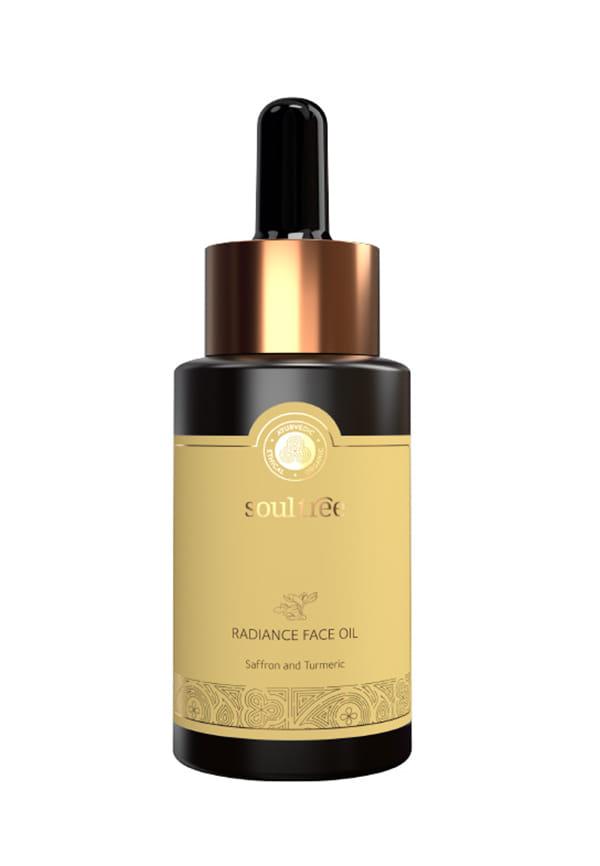
Radiance Face Oil with Saffron & Turmeric
Concentrated essential oil pain balm formulations pack serious therapeutic punch into small applications. These herbal muscle rub options typically feature eucalyptus, peppermint, rosemary, and lavender oils in a beeswax or shea butter base. They're brilliant for headaches, neck tension, and muscle cramps. The aromatherapy benefits are an added bonus—who doesn't want pain relief that smells amazing?
When you need immediate relief, cooling soothing topical balm formulations deliver that instant 'ahh' moment. These balms typically contain 3-10% menthol along with camphor and eucalyptus oil. They're perfect for sports injuries, overexertion, and acute pain flare-ups. The cooling sensation provides immediate comfort whilst the underlying ingredients work on inflammation.
Heat therapy enthusiasts swear by capsicum-based balms for deep muscle penetration. These formulations use capsaicin (the compound that makes chillies hot) to increase blood flow and provide warming relief. They're particularly effective for chronic stiffness and cold-weather aches. Start with small amounts—a little goes a long way with these potent formulations.
Turmeric's curcumin content makes these anti-inflammatory balm options brilliant for joint health and swelling reduction. Modern formulations often combine turmeric with black pepper extract to enhance absorption. These balms work particularly well for inflammatory conditions and can be used daily for ongoing joint support. The golden colour might temporarily tint your skin, but the benefits are worth it.
For those who prefer non-greasy options, gel-based topical pain relief balms offer quick absorption without residue. These formulations typically use alcohol or water bases instead of oils, making them perfect for daily use in professional settings. They often contain the same active ingredients as traditional balms but in lighter, more convenient formats.
Sustainably sourced, chemical-free options appeal to those seeking pure, holistic pain relief. These balms use whole plant extracts rather than isolated compounds, providing the full spectrum of therapeutic benefits. They're ideal for sensitive skin and those following organic lifestyle choices. The gentler formulations make them suitable for long-term use.
Why choose one mechanism when you can have several? Combination balms blend cooling and warming ingredients, anti-inflammatory compounds, and pain-blocking elements in one formulation. These are excellent for complex pain conditions or when you're not sure which approach will work best. They're like the Swiss Army knife of pain relief balms.
Selecting the perfect holistic pain relief solution starts with understanding your specific pain type and lifestyle needs. Acute pain from injuries responds differently than chronic joint stiffness, and what works brilliantly for your gym buddy might not suit your skin sensitivity. Let's break down the decision-making process so you can find your ideal muscle ache balm match.
Consider your pain's nature first. Sharp, sudden pain often benefits from cooling formulations, whilst deep, chronic aches respond better to warming balms. If inflammation is your main concern, look for anti-inflammatory ingredients like turmeric or boswellia. For muscle tension and spasms, essential oil blends with antispasmodic properties work wonders.
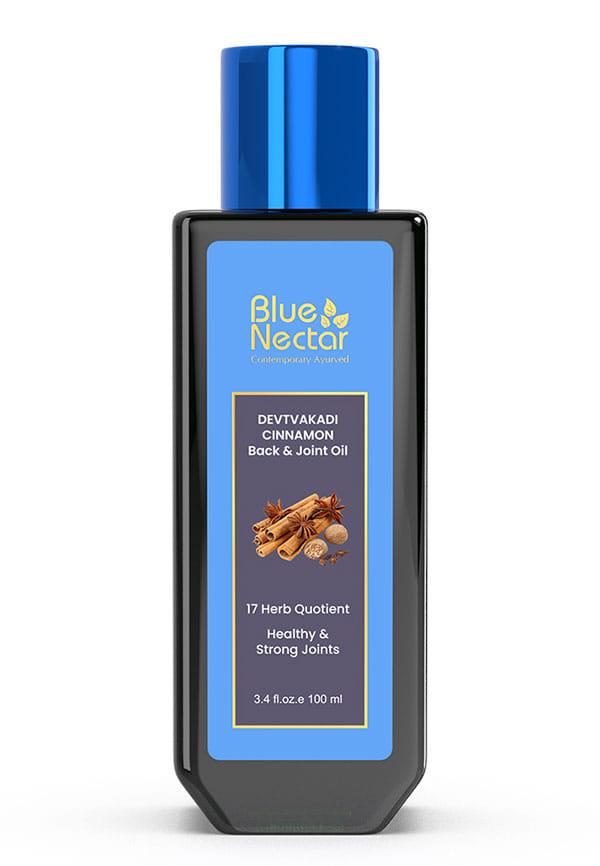
Ayurvedic Pain Relief Oil for Body, Back, Knee and Legs 17 Herbs
Headaches and migraines respond well to peppermint and eucalyptus-based balms applied to temples and neck. The cooling sensation provides immediate relief whilst the aromatherapy effects help reduce stress.
Muscle pain and soreness benefit from arnica-based formulations or warming capsicum balms. Post-workout recovery is faster with anti-inflammatory ingredients that address the underlying tissue damage.
Joint-specific formulations for arthritis should include ingredients like boswellia, turmeric, and ginger. These target inflammation whilst supporting joint health over time.
Sports injury recovery calls for combination balms that provide immediate cooling relief followed by warming, healing ingredients. Look for formulations that include both menthol and capsaicin in balanced ratios.
Getting the most from your topical pain relief balms isn't just about slapping them on and hoping for the best. Proper application techniques can significantly enhance absorption and effectiveness. Think of it as giving your pain relief balm the best possible chance to work its magic.
Start with clean, dry skin for optimal absorption. Apply a thin layer using gentle circular motions, working from the centre of the painful area outward. The massage action itself provides additional benefits by increasing blood flow and helping ingredients penetrate deeper. For soothing topical balm applications, spend 2-3 minutes massaging to ensure thorough absorption.
Always patch test new products on a small skin area before full application. This is particularly important with essential oil-based formulations or if you have sensitive skin. Wait 24 hours to ensure no adverse reactions occur.
Avoid applying balms to broken skin, open wounds, or mucous membranes. Wash hands thoroughly after application to prevent accidentally touching eyes or other sensitive areas. Some warming balms can cause irritation if applied too liberally—start small and increase as needed.
If you're taking blood-thinning medications, consult your healthcare provider before using balms containing wintergreen or other salicylate-rich ingredients. Pregnant and nursing women should also seek medical advice before using herbal pain relief products.
The effectiveness of herbal pain relief isn't just based on centuries of traditional use—modern research increasingly validates what our ancestors knew instinctively. Clinical studies on topical herbal remedies show impressive results, with many natural ingredients performing comparably to synthetic alternatives in controlled trials.
Research on arnica, for instance, demonstrates significant pain reduction and faster healing times compared to placebo treatments. Studies on capsaicin show it can deplete substance P, a neurotransmitter involved in pain signalling, providing lasting relief with regular use. Menthol's pain-blocking effects have been extensively documented, explaining why it's found in so many effective formulations.
Ancient wisdom meets modern science beautifully in today's herbal pain relief market. Traditional Ayurvedic and Chinese medicine formulations are being studied with rigorous scientific methods, often confirming their therapeutic value. Standardisation of herbal extracts ensures consistent potency, whilst quality control measures guarantee purity and safety.
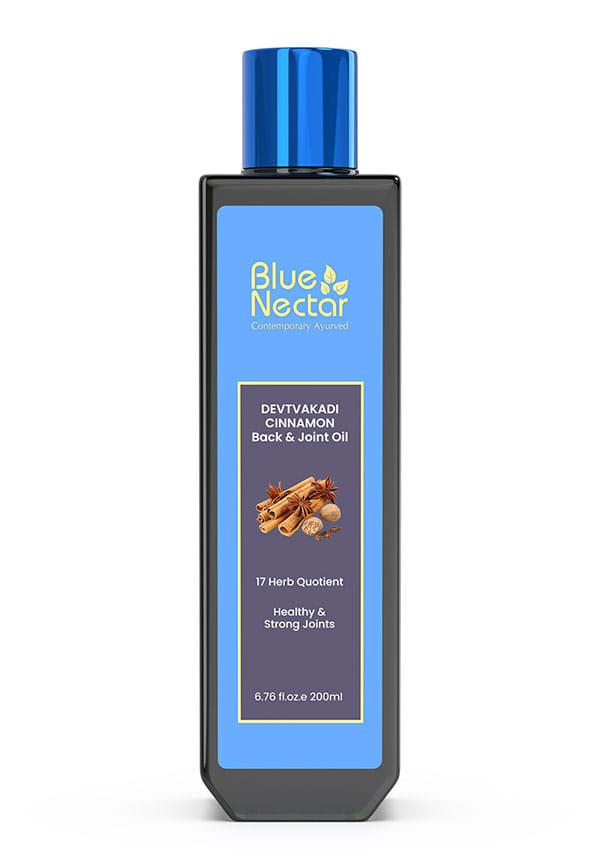
Ayurvedic Pain Relief Oil for Body, Back, Knee and Legs 17 Herbs
Modern extraction techniques can concentrate active compounds whilst preserving the synergistic effects of whole plant medicines. This means today's herbal balms often work better than historical versions whilst maintaining their natural, gentle approach to pain relief.
The best herbal pain relief balms depend on your specific pain type and personal preferences. For acute injuries, cooling menthol-based balms provide immediate relief. Chronic joint pain responds well to anti-inflammatory formulations with turmeric or boswellia. Muscle soreness benefits from arnica-based balms. Consider trying different formulations available on Smytten to find what works best for your needs.
Capsaicin-based warming balms are among the most potent natural pain relievers, but strength isn't everything. The most effective approach combines multiple mechanisms—cooling for immediate relief, anti-inflammatory ingredients for underlying causes, and aromatherapy for stress reduction. Combination therapy balms often provide the most comprehensive relief.
Effectiveness varies by individual and condition, but research consistently shows arnica-based formulations perform well for bruises and muscle pain. Essential oil blends with eucalyptus and peppermint excel for tension and headaches. Multi-herb Ayurvedic formulations often provide the most comprehensive relief for complex pain conditions.
Cooling and warming sensations typically occur within minutes of application. Anti-inflammatory effects develop over 15-30 minutes as ingredients penetrate deeper tissues. For chronic conditions, regular use over several days often provides cumulative benefits. Some people notice improvement immediately, whilst others need consistent use for optimal results.
Generally, it's best to use one formulation at a time to avoid skin irritation and identify what works best. If combining products, ensure they don't contain conflicting ingredients (like mixing cooling and warming balms). Always patch test combinations and space applications by several hours if trying different products.
The world of herbal pain relief balms offers genuine alternatives to synthetic painkillers, with many formulations providing comparable relief with fewer side effects. The key to success lies in matching the right ingredients to your specific pain type—cooling menthol for acute injuries, warming capsaicin for chronic stiffness, and anti-inflammatory herbs for swelling and joint pain.
Quality matters significantly in herbal formulations. Look for products with standardised extracts, clear ingredient lists, and reputable manufacturing. Don't be afraid to experiment with different approaches—what works for muscle pain might not suit joint stiffness, and finding your perfect match often requires trying several options.
Remember that herbal pain relief works best as part of a holistic approach. Combine topical treatments with appropriate rest, gentle movement, stress management, and other natural healing modalities for optimal results. The goal isn't just pain relief—it's supporting your body's natural healing processes whilst maintaining your active lifestyle.
Discovering the right herbal pain relief balm for your needs doesn't have to involve expensive trial and error. Smytten's curated trial packs let you explore different formulations from trusted wellness brands before committing to full-size purchases. With over 1,500 brands available, including specialised pain relief and wellness products, you can try multiple approaches to find what works best for your specific pain management needs. The platform's 100% cashback on trial minis makes experimenting with natural pain relief both affordable and rewarding—because finding effective, gentle pain relief shouldn't break the bank or leave you stuck with products that don't work for you.
