7 Wellness Sleep Tips for Women in Tier-2 Cities



SOMNI Natural Sleep Aid Daily Herbal Supplement for Men & Women
Let's be real—getting quality sleep as a woman in a tier-2 city feels like trying to solve a puzzle with half the pieces missing. Between juggling work deadlines, family responsibilities, and the constant hum of city life, peaceful sleep often becomes a luxury rather than a necessity. Recent studies show that women in tier-2 cities are 40% more likely to experience sleep disruption compared to their tier-1 counterparts, thanks to unique urban stressors and lifestyle demands. But here's the thing—quality sleep isn't just about feeling rested; it's the foundation of your overall wellness. These seven evidence-based wellness sleep tips for women in tier-2 cities are designed specifically for your lifestyle, helping you reclaim those precious hours of restorative sleep without completely overhauling your routine.
Women in tier-2 cities face a unique cocktail of sleep disruptors that their metropolitan sisters might not fully grasp. The rapid urbanisation brings with it construction noise, irregular traffic patterns, and air quality fluctuations that can seriously mess with your sleep cycle. Add to this the cultural expectations of managing household responsibilities alongside professional commitments, and you've got a recipe for chronic sleep deprivation.
Hormonal factors play a massive role too. Your menstrual cycle, pregnancy phases, or menopause can turn even the most carefully planned sleep hygiene tips upside down. The fluctuating oestrogen and progesterone levels don't just affect your mood—they directly impact your sleep architecture, making it harder to achieve deep, restorative sleep phases.
Unlike tier-1 cities with established infrastructure, tier-2 cities often deal with inconsistent power supply, water shortages, and ongoing development projects. These factors create an environment where achieving consistent better sleep for women becomes challenging.
Career pressure in tier-2 cities often comes with additional challenges—limited professional opportunities, longer commutes, and the pressure to prove yourself in a smaller professional community. This chronic stress directly impacts your ability to wind down, making effective stress management for sleep absolutely crucial.
Ready to transform your nights? These scientifically-backed strategies are tailored specifically for the realities of tier-2 city living. Each tip addresses common challenges while being practical enough to implement without major lifestyle overhauls.
Your bedroom should be your personal retreat, even if space is limited. Start with temperature control—aim for 18-22°C, which might mean investing in a good fan or air cooler rather than expensive air conditioning. Blackout curtains are your best friend for managing irregular street lighting and early morning sun.
For noise management, consider affordable solutions like foam earplugs or a white noise app on your phone. If traffic noise is constant, try repositioning your bed away from the street-facing wall. These simple changes form the foundation of effective sleep hygiene tips that actually work in real-world conditions.
Your body craves routine, even when your schedule feels chaotic. Set a non-negotiable bedtime and stick to it, even on weekends. This consistency helps regulate your circadian rhythm, making it easier to fall asleep naturally.
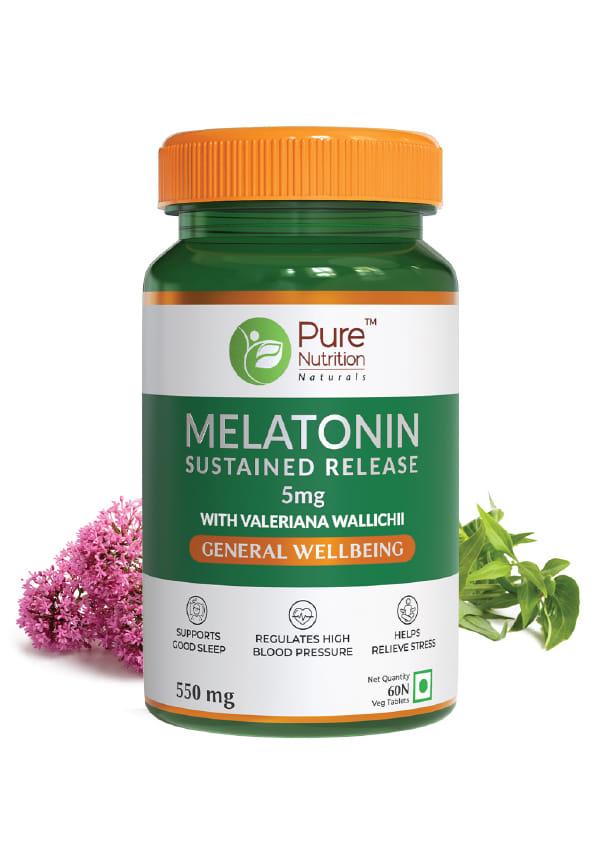
Melatonin 5mg Sleep supplement for Men & Women
Create a 30-minute wind-down routine that signals to your brain it's time to sleep. This could be as simple as dimming lights, doing gentle stretches, or reading a few pages of a book. The key is consistency—your brain will start associating these activities with sleep time, making the transition smoother.
When stress from work or family responsibilities keeps your mind racing, relaxation techniques for sleep become essential tools. The 4-7-8 breathing technique is particularly effective: inhale for 4 counts, hold for 7, exhale for 8. Repeat this cycle four times, and you'll likely notice your heart rate slowing down.
Progressive muscle relaxation works wonders too. Start from your toes and systematically tense and release each muscle group. This technique not only helps with physical tension but also gives your mind something specific to focus on instead of tomorrow's to-do list.
What you eat and when you eat it directly impacts your sleep quality. Natural sleep remedies often start in your kitchen. Cherries contain natural melatonin, while almonds provide magnesium—both promote better sleep. A small handful of almonds or a cup of chamomile tea an hour before bed can work wonders.
Timing matters just as much as food choice. Finish your last meal at least three hours before bedtime to give your digestive system time to settle. If you must snack late, opt for something light like a banana or a small portion of yoghurt.
Regular physical activity is one of the most effective wellness tips for sleep, but timing is everything. Morning or early evening exercise can significantly improve sleep quality, while vigorous workouts within three hours of bedtime can be counterproductive.
For busy women in tier-2 cities, even a 20-minute evening walk or 10 minutes of gentle yoga can make a difference. The key is consistency rather than intensity. Find activities that fit your schedule and stick with them.
Blue light from screens suppresses melatonin production, making it harder to feel sleepy. Create a digital curfew one hour before bedtime—charge your phone outside the bedroom if possible. If you must use devices, invest in blue light filtering glasses or use your phone's night mode.
Replace scrolling with sleep-friendly activities like reading, journaling, or gentle stretching. Your brain will thank you for the break from constant stimulation.
Women's sleep needs change throughout their menstrual cycle, pregnancy, and menopause. During the luteal phase of your cycle, you might need extra sleep due to increased progesterone. Keep a sleep diary to identify patterns and adjust your routine accordingly.
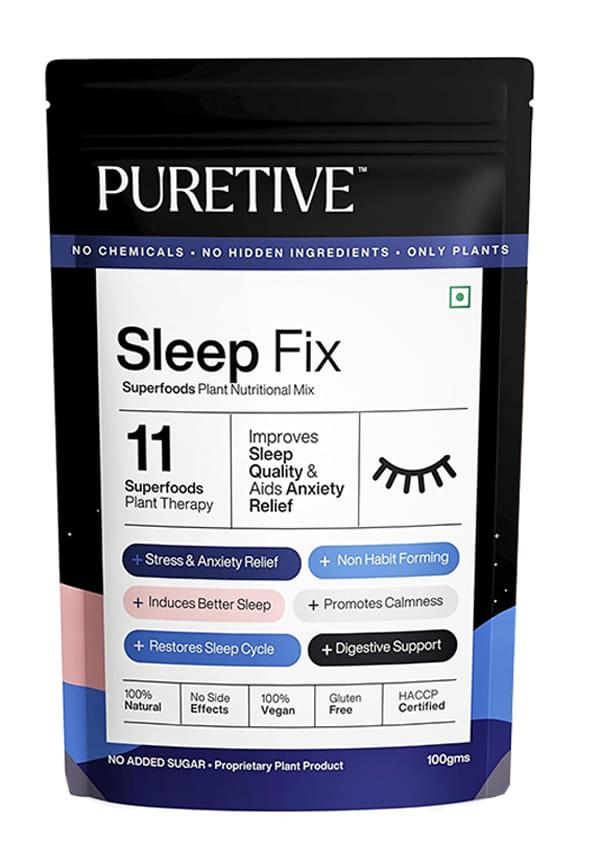
Sleep Fix Superfoods Mix | Natural Melatonin
For pregnant women, sleeping on your side with a pillow between your knees can improve comfort. During menopause, keeping your bedroom cooler and having layers you can easily remove helps manage night sweats. These targeted sleep tips for women acknowledge that one size definitely doesn't fit all.
Creating lasting change requires a strategic approach. Start by tracking your current sleep patterns for a week—note what time you go to bed, how long it takes to fall asleep, and how you feel in the morning. This baseline helps you identify which of these wellness sleep tips for women in tier-2 cities will have the biggest impact on your specific situation.
Choose one or two tips to implement first rather than trying to overhaul everything at once. Maybe start with creating a consistent bedtime routine and optimising your sleep environment. Once these become habits, gradually add other strategies like the relaxation techniques or dietary changes.
Set SMART goals for your sleep improvement journey. Instead of "I want to sleep better," try "I will be in bed by 10:30 PM on weeknights for the next two weeks." Specific, measurable goals are much easier to achieve and track.
Use a simple sleep diary or smartphone app to monitor improvements. Track not just sleep duration but also sleep quality, morning energy levels, and any factors that might have affected your sleep. This data helps you fine-tune your approach and celebrate small wins along the way.
Sometimes, despite your best efforts with sleep problems solutions, you might need professional guidance. If you're consistently taking more than 30 minutes to fall asleep, waking up multiple times per night, or feeling exhausted despite adequate sleep time, it's worth consulting a healthcare provider.
Sleep disorders like sleep apnoea, restless leg syndrome, or chronic insomnia require medical attention. Many tier-2 cities now have sleep specialists or general practitioners trained in sleep medicine. Don't hesitate to seek help—quality sleep is not a luxury but a necessity for your overall health and wellness.
For women dealing with hormonal changes, consulting a gynaecologist alongside a sleep specialist can provide comprehensive care. They can help determine if hormonal therapy or other medical interventions might support your sleep improvement efforts.
Women typically need 7-9 hours of sleep per night, similar to men, but often require slightly more due to hormonal fluctuations and multitasking demands. The quality of sleep matters just as much as quantity.

Swift Sleep, Natural Sleep Supplement With Magnesium, L-Theanine And Glycine
Chamomile tea, magnesium supplements, and lavender essential oil are proven natural sleep remedies. A warm bath with Epsom salts 30 minutes before bed can also promote relaxation and better sleep quality.
Chronic stress elevates cortisol levels, which can disrupt your natural sleep-wake cycle. Women are particularly susceptible because they often carry mental loads related to family and work responsibilities, making effective stress management for sleep crucial.
Absolutely. Even 15-20 minutes of moderate exercise can improve sleep quality. The key is consistency and timing—avoid vigorous exercise within 3 hours of bedtime, but gentle yoga or stretching can actually promote better sleep.
Avoid caffeine after 2 PM, heavy or spicy meals within 3 hours of bedtime, and excessive alcohol. While alcohol might make you drowsy initially, it disrupts sleep quality later in the night.
Focus on controllable factors: use blackout curtains or eye masks, invest in earplugs or white noise apps, keep the room cool with fans, and designate your bed for sleep only—no work or TV watching.
If you've tried healthy sleep habits for 4-6 weeks without improvement, or if sleep issues are affecting your daily functioning, work performance, or relationships, it's time to seek professional help. Don't wait until exhaustion becomes overwhelming.
Quality sleep isn't a luxury—it's a fundamental pillar of your wellness journey. These seven wellness sleep tips for women in tier-2 cities acknowledge the unique challenges you face while providing practical, science-backed solutions that actually fit into real life.
Remember, improving your sleep is a gradual process, not an overnight transformation. Start with one or two strategies that resonate most with your current situation, and build from there. Whether it's creating a tech-free bedroom sanctuary, mastering relaxation techniques, or simply maintaining a consistent bedtime routine, small changes can lead to significant improvements in your sleep quality and overall wellness.
Speaking of wellness discoveries, platforms like Smytten make it easier to explore products that support your sleep and wellness goals. With curated trial packs from trusted brands, you can discover sleep-supporting supplements, aromatherapy products, or relaxation aids without the commitment of full-size purchases. After all, when it comes to finding what works for your unique sleep needs, why settle for 'maybe' when you can try it all?
