7 Top Probiotics for Optimal Gut Health & Wellness



Melts Healthy Gut - Plant Based Probiotic
Great for Digestion
 5
5“really good for your stomach thank you”
Your gut health affects everything from your mood to your immune system, and finding the best probiotics for gut health can feel like navigating a maze of confusing labels and bold claims. With countless strains, CFU counts, and supplement forms available, how do you know which ones actually work? Let's break down the science-backed probiotic strains that can genuinely support your digestive wellness, plus practical tips for choosing the right option for your needs.
Think of probiotics as the friendly tenants in your gut's bustling neighbourhood. These live microorganisms work around the clock to maintain balance in your digestive system, supporting everything from nutrient absorption to immune function. Your gut microbiome—home to trillions of bacteria—thrives when the good guys outnumber the troublemakers.
The magic happens when these healthy gut bacteria colonise your intestines, creating a protective barrier against harmful pathogens. They produce beneficial compounds like short-chain fatty acids, which nourish your intestinal lining and support overall digestive wellness. Research shows that a diverse, balanced gut microbiome is linked to better digestion, stronger immunity, and even improved mental health through the gut-brain connection.
Unlike prebiotics (which feed existing bacteria) or synbiotics (combinations of both), probiotics introduce new beneficial strains directly into your system. Signs you might benefit from probiotic support include frequent bloating, irregular bowel movements, digestive discomfort after meals, or recent antibiotic use that may have disrupted your natural gut flora balance.
Not all probiotics are created equal—specific strains offer targeted benefits backed by clinical research. Here are seven powerhouse types of probiotics that consistently deliver results for digestive wellness.
This superstar strain is your gut's best mate when it comes to lactose digestion and overall digestive comfort. Clinical studies show that L. acidophilus helps break down lactose, making dairy more tolerable for sensitive individuals. It also produces lactic acid, which creates an environment where harmful bacteria struggle to survive.
You'll find this strain naturally in yoghurt, kefir, and fermented foods, but supplements typically provide higher concentrations. Look for products containing 1-10 billion CFUs for maintenance, or higher therapeutic doses as recommended by healthcare providers.
This strain is particularly brilliant at strengthening your intestinal barrier—think of it as reinforcing the walls of your gut fortress. B. bifidum helps maintain the tight junctions between intestinal cells, preventing unwanted substances from crossing into your bloodstream.
Research indicates this strain supports immune function whilst helping maintain healthy gut flora balance. It's especially beneficial for those looking to improve gut flora after illness or stress. Take it with meals for optimal survival through stomach acid.
Gastroenterologists often recommend this well-researched strain for preventing antibiotic-associated diarrhoea and traveller's tummy troubles. L. rhamnosus GG has an impressive ability to survive stomach acid and colonise the intestines effectively.
Studies show it can reduce the duration and severity of digestive upset, making it a travel essential. Its safety profile is excellent, with minimal side effects reported even in long-term use.

Probiotics Supplement 60 Billion CFU+ Gut Health Supplements
This strain shines when it comes to reducing digestive inflammation and managing IBS symptoms. L. plantarum produces beneficial compounds that help calm an overactive immune response in the gut, potentially reducing bloating and discomfort.
You can find this strain naturally in fermented vegetables like sauerkraut and kimchi, or opt for targeted supplements. It's particularly helpful for those dealing with stress-related digestive issues.
Here's where the gut-brain connection gets fascinating. B. longum doesn't just support digestion—it may also influence mood and stress responses through the vagus nerve pathway. Research suggests this strain can help manage stress-related digestive symptoms.
This makes it particularly valuable for busy professionals or students dealing with exam stress. The strain works best when taken consistently over several weeks to establish proper colonisation.
L. casei is your immune system's training partner, helping prepare your body's defences for seasonal challenges. This strain supports both digestive and respiratory immune function, making it a versatile choice for overall wellness.
It works particularly well in combination with other strains, creating a synergistic effect that enhances overall probiotic benefits. Look for multi-strain formulations that include L. casei for comprehensive support.
Unlike bacterial probiotics, S. boulardii is a beneficial yeast that offers unique advantages. It's naturally resistant to antibiotics, making it perfect for maintaining gut balance during antibiotic treatment. This strain excels at preventing C. difficile infections and traveller's diarrhoea.
Its heat stability means it doesn't require refrigeration, making it convenient for travel or inconsistent storage conditions. Healthcare providers often recommend it alongside antibiotic courses to prevent digestive disruption.
The probiotics benefits extend far beyond basic digestion support. Clinical research consistently shows that the right probiotic strains can transform your digestive experience in measurable ways.
Regular probiotic use helps improve bowel regularity and stool consistency, reducing both constipation and loose stools. Many users notice reduced bloating, gas, and post-meal discomfort within 2-4 weeks of consistent use. These improvements stem from better bacterial balance and enhanced digestive enzyme production.
Probiotics for digestion also enhance nutrient absorption, helping your body extract more vitamins and minerals from food. They strengthen the intestinal barrier function, preventing harmful substances from crossing into your bloodstream—a condition known as leaky gut syndrome.
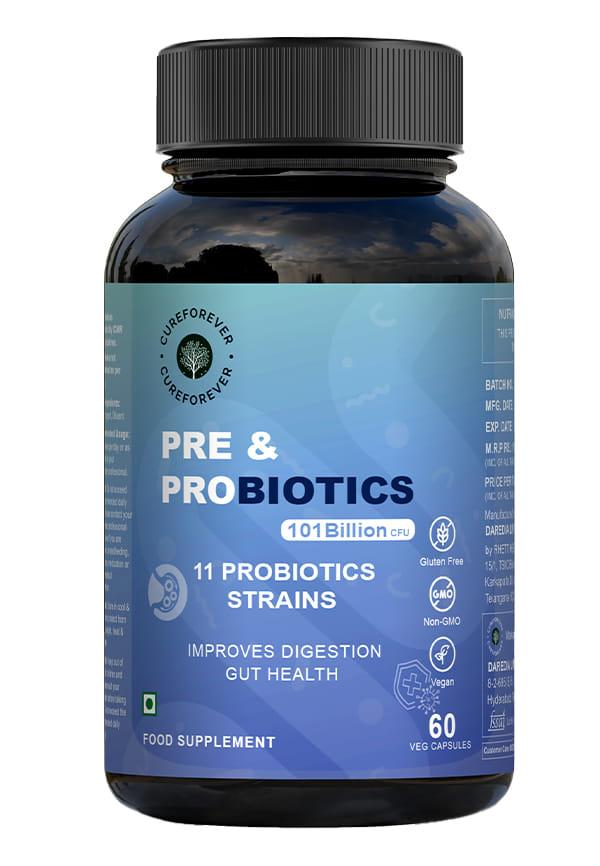
Prebiotics & Probiotics
During antibiotic treatment, probiotics provide crucial digestion support by maintaining beneficial bacteria populations that antibiotics might otherwise eliminate. This helps prevent antibiotic-associated diarrhoea and speeds recovery of normal gut function.
Navigating the world of probiotic supplements requires understanding a few key factors that separate effective products from marketing hype. The CFU (colony-forming units) count matters, but more isn't always better—therapeutic doses typically range from 10 billion to 100+ billion CFUs, depending on your specific needs.
Multi-strain formulations often provide broader benefits than single-strain products, as different strains work synergistically to support various aspects of gut health. However, single strains might be preferable for targeting specific conditions like antibiotic-associated diarrhoea or lactose intolerance.
Consider delivery methods carefully. Enteric-coated capsules protect probiotics from stomach acid, whilst powders and liquids offer flexibility for those who struggle with pills. Refrigerated products often contain more viable organisms, but shelf-stable options provide convenience without sacrificing quality if properly manufactured.
Look for third-party testing certifications and clear labelling of strain names, CFU counts, and expiration dates. Quality wellness probiotics should specify exactly which strains are included and their individual concentrations.
If you're dealing with persistent bloating, the right probiotic strategy can provide significant relief. Probiotics and bloating have a complex relationship—whilst some people experience immediate improvement, others might notice temporary gas increase as their gut adjusts to new bacterial populations.
The most effective strains for bloating relief include Bifidobacterium lactis, Lactobacillus acidophilus, and Lactobacillus plantarum. These strains help break down fermentable carbohydrates that commonly cause gas and bloating, whilst supporting overall digestive enzyme production.
Most people notice initial changes within 1-2 weeks, with significant improvements typically occurring after 4-6 weeks of consistent use. However, some individuals may experience temporary digestive changes as their gut microbiome adjusts—this is usually normal and resolves within a few days.
Combining probiotics with digestive enzymes can enhance results, particularly for those with specific food intolerances. Adding prebiotic-rich foods like garlic, onions, and asparagus feeds beneficial bacteria and supports long-term gut health improvements.
Whilst supplements offer convenience and targeted strains, traditional fermented foods provide a diverse array of beneficial bacteria along with additional nutrients. Understanding when to choose each option helps optimise your gut health strategy.
Yoghurt and kefir remain excellent daily sources of probiotics, but choose varieties with live, active cultures and minimal added sugars. Indian fermented foods like idli, dosa batter, and traditional buttermilk offer culturally relevant probiotic sources that many people find easier to digest.

Vaginal Probiotics for Women pH Balance with Prebiotics
Fermented vegetables such as sauerkraut, kimchi, and pickled vegetables provide probiotics alongside beneficial plant compounds and fibre. However, pasteurised versions won't contain live cultures, so look for refrigerated products or consider making your own.
Supplements become necessary when you need specific therapeutic strains, higher concentrations than food can provide, or consistent dosing for particular health conditions. They're also more practical for travel or when dietary restrictions limit fermented food options.
Multi-strain formulations containing Lactobacillus and Bifidobacterium species typically provide the most comprehensive gut healing support. Look for products with 10-50 billion CFUs containing strains like L. acidophilus, B. bifidum, and L. rhamnosus GG for general gut restoration.
Medical professionals frequently recommend Lactobacillus rhamnosus GG and Saccharomyces boulardii due to their extensive clinical research and proven safety profiles. VSL#3 is another medically recognised multi-strain probiotic often prescribed for specific digestive conditions.
Initial improvements often occur within 1-2 weeks, with significant changes typically seen after 4-6 weeks of consistent use. Full gut microbiome rebalancing can take 2-3 months, depending on your starting gut health and the specific strains used.
Most people tolerate probiotics well, but some may experience temporary gas, bloating, or digestive changes during the first few days. These symptoms usually resolve as your gut adjusts. People with compromised immune systems should consult healthcare providers before starting probiotics.
Probiotics are generally safe with most medications, but timing matters. Take probiotics at least 2 hours away from antibiotics to prevent interference. Always consult your healthcare provider about potential interactions with immunosuppressive drugs or other medications.
Probiotics introduce beneficial bacteria to support long-term gut health, whilst digestive enzymes help break down specific nutrients immediately after meals. They work complementarily—enzymes provide immediate digestive support whilst probiotics build lasting gut health improvements.
Finding the right probiotic approach for your gut health doesn't have to be overwhelming. Focus on evidence-based strains like Lactobacillus acidophilus, Bifidobacterium bifidum, and Saccharomyces boulardii that offer proven benefits for digestive wellness. Whether you choose targeted supplements or incorporate fermented foods into your daily routine, consistency is key for lasting results.
Remember that gut health is highly individual—what works brilliantly for your mate might not be your perfect match. Start with well-researched strains, give them time to work, and pay attention to how your body responds. With platforms like Smytten, you can explore different wellness products through trial packs before committing to full-size purchases, making it easier to find your ideal gut health routine without the guesswork. After all, why settle for digestive discomfort when you can discover what truly works for your unique needs?
