7 Sleep Secrets for Glowing, Healthy Skin


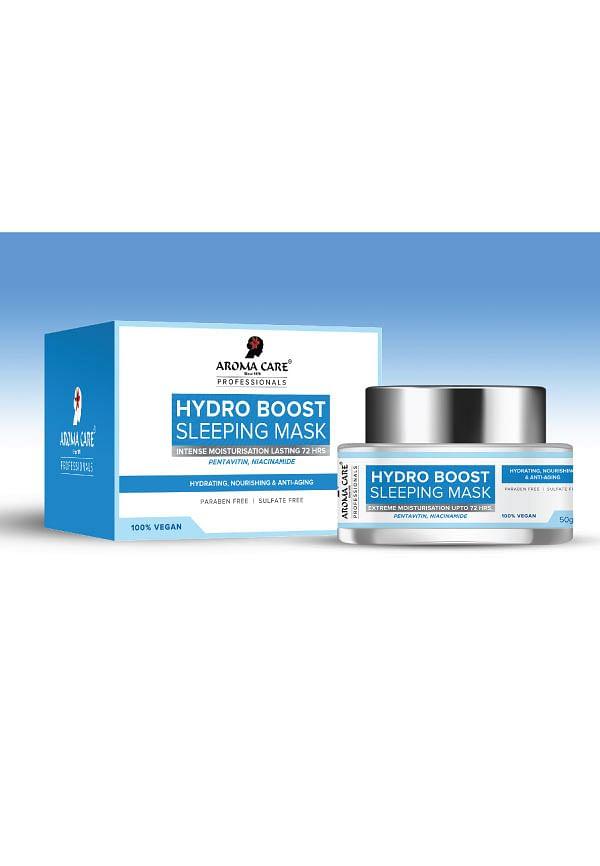
Ac Pro Hydro Boost Sleeping Mask
Deep Hydrating & Soft Feel
 4
4“72 hrs deep hydrating product and feels sooo soft”
Ever wondered why they call it beauty sleep? Turns out, there's actual science behind that phrase. Your skin doesn't just rest when you do—it goes into full repair mode, working harder than your favourite night serum to give you that natural glow. But here's the thing: most of us are doing sleep all wrong when it comes to our skin health. From the timing to the environment, small tweaks in your sleep routine can be the difference between waking up looking refreshed or like you've been hit by a lorry. Let's dive into the real secrets that'll transform your skin whilst you snooze.
Real talk—the relationship between sleep and skin health is way more complex than just "get eight hours and you'll look great." Your skin operates on its own circadian rhythm, and when you mess with that, everything goes sideways. During those precious hours of sleep, your skin kicks into overdrive with cellular repair. Think of it as your skin's personal renovation crew that only works the night shift. Blood flow increases by up to 20%, delivering nutrients and oxygen whilst clearing out toxins that build up during the day. This is when collagen production peaks, which is basically your skin's way of plumping itself up and smoothing out fine lines. The term beauty sleep isn't just marketing fluff—dermatologists have been studying this connection for decades. Research shows that people who get quality sleep have better skin barrier function, less inflammation, and slower signs of ageing. Your skin literally repairs DNA damage from UV exposure and environmental stressors whilst you're catching those Z's. What's fascinating is how quickly things go wrong when you skip sleep. Just one night of poor rest can increase cortisol levels, which breaks down collagen and triggers inflammation. Your skin becomes more reactive, less able to retain moisture, and that healthy glow? Gone faster than your motivation on a Monday morning.
Your skin doesn't just switch off when you do—it becomes a bustling repair factory with different departments working round the clock. Understanding this process helps you optimise your routine for maximum skin benefits.
Between 11 PM and 3 AM, your skin goes into collagen-making overdrive. This is when growth hormone levels surge, triggering the production of new collagen fibres that keep your skin plump and elastic. Missing these crucial hours means missing out on your skin's natural anti-ageing treatment.
Whilst you're dreaming, your skin cells are busy fixing damage from the day. UV exposure, pollution, and stress create free radicals that damage cellular DNA. Sleep activates repair enzymes that literally patch up this damage, preventing premature ageing and maintaining healthy cell function.
Your skin barrier—that protective layer that keeps moisture in and irritants out—gets a complete overhaul during deep sleep phases. Growth hormone stimulates the production of ceramides and other lipids that strengthen this barrier, leaving you with smoother, more resilient skin.
Sleep increases blood flow to your skin by up to 20%, creating that natural flush that makes you look healthy and vibrant. This enhanced circulation delivers essential nutrients and oxygen whilst whisking away metabolic waste products that can cause dullness and inflammation.
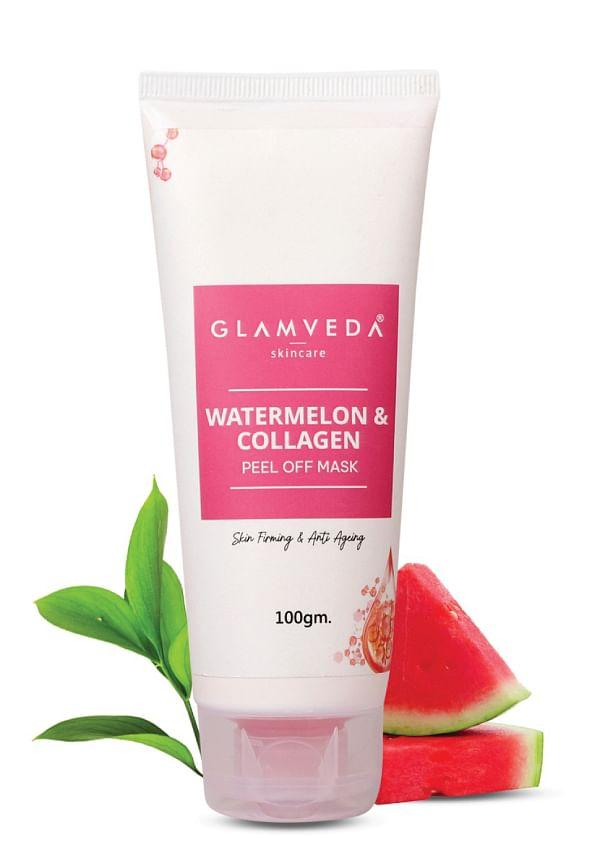
Watermelon & Collagen Peel Firming & Anti Aging Off Mask For Women
Soft & Effective
5“Makes skin soft. Quite Effective”
Soft & Effective
5“Makes skin soft. Quite Effective”
Soft & Effective
5“Makes skin soft. Quite Effective”
Let's be honest—we've all seen what happens when we pull an all-nighter or go through a rough patch of broken sleep. Your skin basically throws a tantrum, and it's not pretty. The effects of sleep deprivation on skin go way beyond just looking tired.
Within 24-48 hours of poor sleep, your skin starts showing signs of distress. Dark circles appear because blood vessels dilate and become more visible through the thin under-eye skin. Puffiness develops as your lymphatic system struggles to drain excess fluid without proper rest. Your complexion loses that healthy glow as blood circulation decreases, leaving you looking pale and drawn.
Chronic sleep deprivation is like fast-forwarding the ageing process. Cortisol levels remain elevated, breaking down collagen and elastin faster than your skin can replace them. Fine lines deepen, skin becomes thinner, and that youthful bounce disappears. Your skin barrier weakens, leading to increased sensitivity, dryness, and a higher risk of breakouts as bacteria can penetrate more easily.
Lack of sleep affects skin colour and texture in surprising ways. Poor circulation leads to a greyish, dull complexion, whilst decreased cell turnover causes dead skin cells to accumulate, making your skin look rough and uneven. Inflammation increases, which can trigger conditions like eczema, psoriasis, or acne flare-ups.
Now for the good stuff—the actual secrets that'll transform your skin whilst you sleep. These aren't just feel-good tips; they're backed by solid research on how your skin's repair mechanisms work.
Your skin's repair processes peak between 10 PM and 2 AM, regardless of when you actually fall asleep. This is when growth hormone levels are highest and cellular regeneration is most active. Going to bed by 10 PM ensures you capture these crucial hours of skin repair. Late sleepers miss out on this prime regeneration time, even if they get the same total hours of sleep.
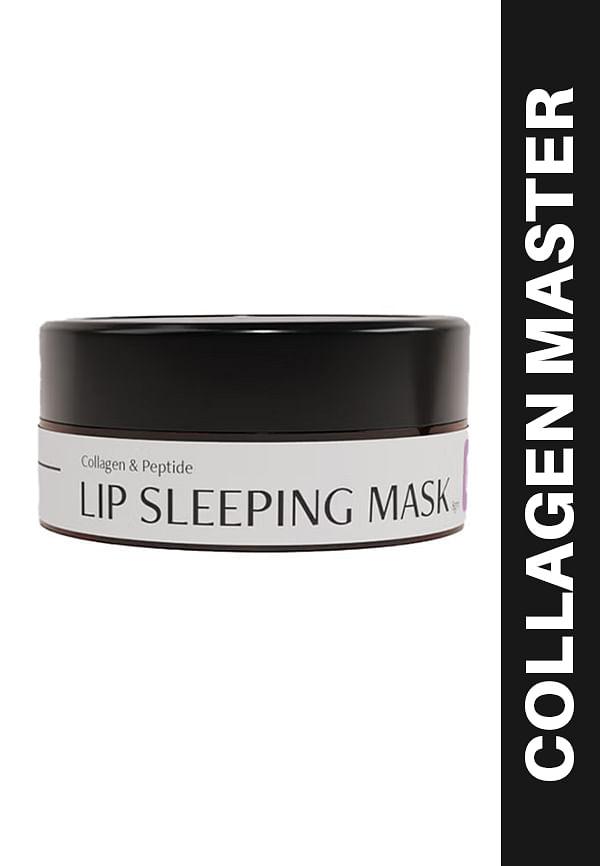
Collagen & Peptide Lip Sleeping Mask
Good Product and Delivery
5“good product and delivery service”
Hydrating Lip Mask
5“This lip mask helps to keep hydrated until the next morning ”
Good Lip Mask
5“Works good as a lip sleeping mask”
Your skin thrives on routine. Keeping consistent bedtimes and wake times—even on weekends—helps regulate your circadian rhythm and optimises skin repair processes. Irregular sleep patterns confuse your skin's internal clock, leading to decreased collagen production and impaired barrier function. Aim for the same bedtime within a 30-minute window every night.
Whilst individual needs vary, research consistently shows that 7-9 hours of sleep provides optimal skin benefits. Less than seven hours doesn't give your skin enough time to complete its repair cycles, whilst more than nine hours can actually increase inflammation in some people. Quality matters more than quantity—deep, uninterrupted sleep is more beneficial than tossing and turning for ten hours.
The hours before bed are just as important as the sleep itself. These final secrets focus on creating the perfect environment and routine for skin-transforming rest.
Your evening skincare routine should work in harmony with your skin's natural repair processes. Start with a gentle cleanser to remove the day's buildup, followed by treatments with active ingredients like retinoids or peptides that work best during sleep. Finish with a rich moisturiser to support barrier repair. Apply products at least 30 minutes before bed to avoid transferring them to your pillowcase.
Your bedroom environment directly impacts sleep quality and skin health. Keep the temperature between 16-19°C to promote deep sleep and prevent excessive sweating that can clog pores. Maintain humidity levels around 40-50% to prevent skin dehydration. Invest in silk or satin pillowcases that create less friction against your skin and hair, reducing the risk of sleep lines and breakouts.
Blue light from screens disrupts melatonin production, delaying sleep onset and reducing sleep quality. Create a digital sunset by avoiding screens for at least an hour before bed. If you must use devices, invest in blue light blocking glasses or use night mode settings. The improved sleep quality translates directly to better skin repair and regeneration.
What and when you eat and drink affects both sleep quality and skin health. Stop eating large meals 3-4 hours before bed to prevent digestive issues that can disrupt sleep. However, a small snack containing tryptophan or magnesium can promote better sleep. Stay hydrated throughout the day but reduce fluid intake 2 hours before bed to minimise sleep disruptions. This is where platforms like Smytten become invaluable for your wellness journey. With over 1,500 trusted brands including wellness and skincare options, you can discover products that support both your sleep routine and skin health without committing to full-size purchases. From calming night serums to sleep-promoting supplements, exploring what works for your unique needs has never been more accessible or affordable.
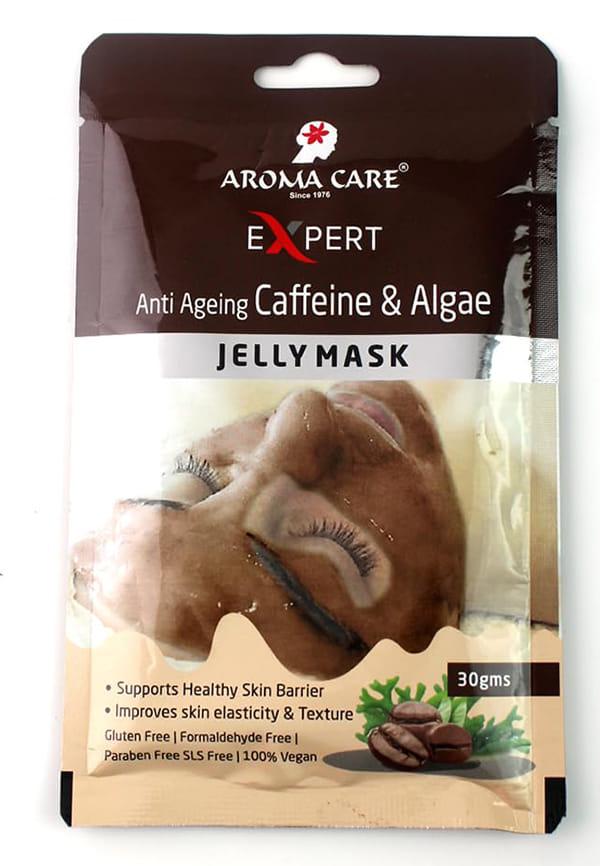
Anti Aging Caffeine & Algae Jelly Mask
Absolutely. Studies show that people who get quality sleep have 30% better skin barrier function, reduced inflammation markers, and slower signs of ageing compared to those with poor sleep habits. The improvement is visible within just a few weeks of better sleep hygiene.
Yes, sleep deprivation can trigger or worsen various skin conditions including acne, eczema, psoriasis, and premature ageing. It weakens your skin barrier, increases inflammation, and disrupts the natural repair processes that keep your skin healthy.
Your skin does most of its healing and repair work during sleep. Cellular regeneration increases by up to 30% during deep sleep phases, and growth hormone levels peak, promoting collagen production and DNA repair.
Most adults need 7-9 hours of quality sleep for optimal skin health. However, timing matters as much as duration—going to bed before 11 PM ensures you capture the peak repair hours between 11 PM and 3 AM.
Common signs include dark circles, puffiness, dull complexion, increased fine lines, breakouts, and heightened skin sensitivity. These effects can appear within 24-48 hours of poor sleep and worsen with chronic sleep deprivation.
Your skin is constantly working behind the scenes, and sleep is when it does its best work. These seven secrets aren't just about getting more rest—they're about working with your skin's natural rhythms to unlock its full potential. From timing your bedtime to optimise repair processes to creating the perfect sleep environment, small changes can lead to dramatically better skin health. Remember, consistency is key. Your skin responds to routine, so stick with these practices for at least 4-6 weeks to see real results. And whilst you're building these healthy habits, don't forget that the right products can enhance your skin's natural repair processes. With Smytten's extensive range of skincare and wellness products from trusted brands, you can experiment with different formulations to find what works best with your new sleep routine—all without the commitment of full-size purchases. After all, why settle for tired-looking skin when you can try it all and discover what truly works for you?
