7 Quick Ways to Build Healthy Habits Fast


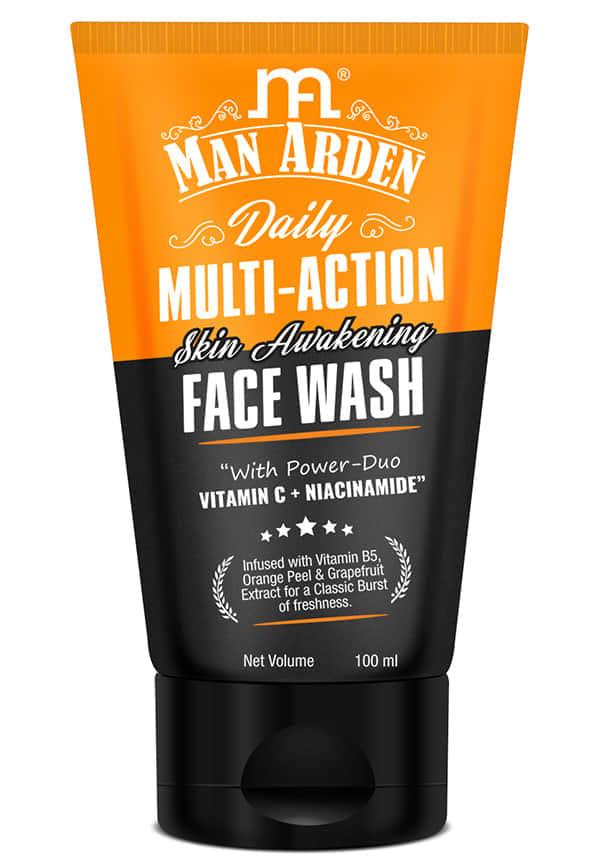
Vitamin C Daily Multi-Action Skin Awakening & Brightening Face Wash Vitamin C + Niacinamide
Let's be real—building healthy habits feels like trying to solve a Rubik's cube blindfolded. You start with the best intentions, maybe even buy fancy gear, but somehow end up back at square one within a week. Sound familiar? Here's the thing: you're not broken, and you don't lack willpower. You just need the right approach to build healthy habits fast that actually stick around longer than your latest Netflix obsession. These seven methods aren't about perfection or dramatic life overhauls. They're about smart, sustainable changes that fit into your real life—messy schedules and all.
Before diving into the good stuff, let's talk about why habit formation trips up even the most determined among us. Most people approach behavior change like they're training for the Olympics when they haven't even mastered walking to the kitchen without checking their phone. The biggest mistake? Going all-in from day one. You know the drill—deciding to wake up at 5 AM, hit the gym, meal prep, meditate, and read for an hour, all starting Monday. By Wednesday, you're ordering takeaway and promising to start again next week. This all-or-nothing mentality sets you up for failure because it ignores how your brain actually works. Research shows that habit formation takes anywhere from 18 to 254 days, with an average of 66 days. That's not exactly the "21 days to change your life" promise you see everywhere. Your brain needs time to rewire itself, and rushing this process is like trying to download a massive file on dial-up internet—technically possible, but painfully slow and likely to crash.
Your brain loves efficiency, which is why it creates habits in the first place. Every positive habit follows a simple loop: cue, routine, reward. See your trainers by the door (cue), go for a run (routine), feel accomplished (reward). The more you repeat this loop, the more automatic it becomes. Neuroplasticity—your brain's ability to form new neural pathways—is what makes rapid habit formation possible. But here's the catch: your brain also resists change because it requires more energy than sticking to familiar patterns. This is why environmental design and smart triggers become your best friends in this process. The key to building wellness habits quickly isn't about forcing yourself through sheer willpower. It's about working with your brain's natural tendencies rather than against them. Think of it as hacking your own system rather than fighting it.
Habit stacking is like creating a playlist for your daily routines—each song flows naturally into the next. The concept is simple: attach a new habit to an existing one using the formula "After I [existing habit], I will [new habit]." This works because your current habits already have established neural pathways. By piggybacking on these existing routines, you're essentially borrowing their momentum. It's like catching a ride with a friend instead of walking the entire distance yourself.
After I brush my teeth, I will do ten squats. After I pour my morning coffee, I will write down three things I'm grateful for. After I sit down at my desk, I will drink a full glass of water. After I put on my pyjamas, I will set out my clothes for tomorrow. After I close my laptop for the day, I will take five deep breaths. The beauty of habit stacking lies in its simplicity. You're not adding extra time to your day or disrupting your existing flow. You're just making small additions that compound over time into significant lifestyle changes.
This might sound almost too simple, but starting ridiculously small is one of the fastest ways to build wellness habits that stick. The two-minute rule states that any new habit should take less than two minutes to complete when you're starting out. Want to read more? Start with one page, not one chapter. Want to exercise daily? Start with putting on your workout clothes, not a full gym session. This approach works because it removes the mental resistance that kills most self-improvement attempts before they begin.

Bright Face Wash Rice Water & Extra Virgin Coconut Oil Gentle Cleanse & Hydration
Your brain doesn't distinguish between small and large versions of the same habit. Whether you meditate for two minutes or twenty, you're still reinforcing the identity of someone who meditates. This identity shift is what creates lasting behavior change. Once the two-minute version becomes automatic (usually within a week or two), you can gradually expand. But here's the crucial bit—many people find that just showing up consistently matters more than the duration. Sometimes two minutes of movement is exactly what your body needed that day.
Your environment is constantly voting for or against your healthy lifestyle goals. Every visual cue in your space either supports your new habits or sabotages them. The good news? You have complete control over this voting system. Mindful living starts with mindful space design. If you want to drink more water, put a filled bottle on your desk. If you want to eat more fruit, keep it visible on the counter. If you want to exercise in the morning, lay out your workout clothes the night before.
Make good choices easier and bad choices harder. This doesn't mean making unhealthy options impossible—just adding a bit of friction. Keep your phone in another room while you sleep. Pre-cut vegetables for easy snacking. Set up your meditation corner so it's always ready. The goal isn't to rely on willpower but to design your environment so that the healthy choice becomes the obvious choice. When you're tired or stressed, you'll default to whatever requires the least effort.
Sometimes you need a simple framework to organise your daily routines without overthinking every detail. The 333 rule is brilliant for this: three minutes of movement, three minutes of mindfulness, and three minutes of meaningful connection each day. This framework works because it's specific enough to be actionable but flexible enough to fit any schedule. Three minutes of movement could be stretching at your desk, dancing to one song, or walking around the block. Three minutes of mindfulness might be deep breathing, gratitude journaling, or simply observing your surroundings without judgment.
Create wellness habits that align with your lifestyle and values. If you're a morning person, front-load your habits. If evenings work better, design a wind-down routine that includes your new practices. The key is consistency in timing, not perfection in execution. Consider creating theme days or habit clusters. Monday might be your meal prep day, Wednesday your movement focus, Friday your social connection priority. This approach prevents habit fatigue while ensuring you're covering all aspects of your wellbeing.
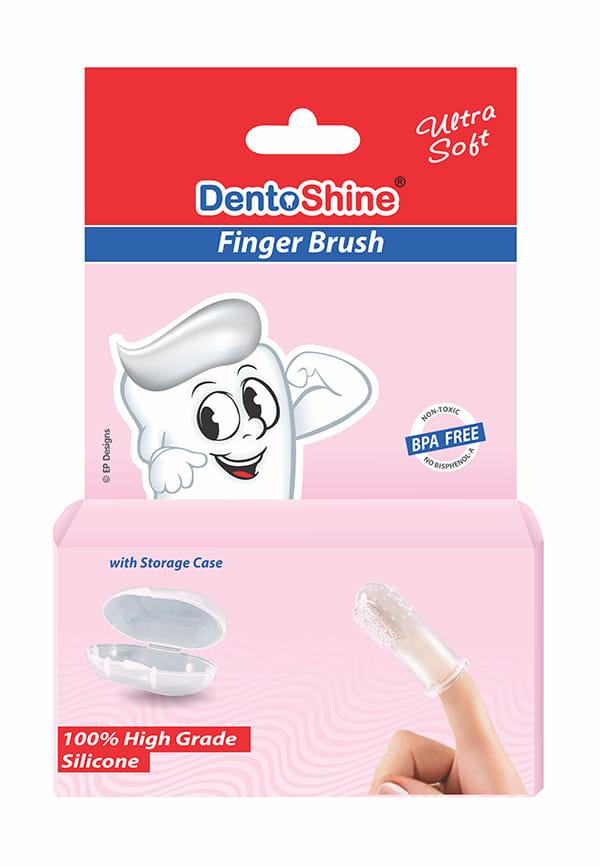
Finger Brush for Kids
Behavior change happens faster when you're not doing it alone, but traditional accountability can feel like having a strict teacher watching your every move. Instead, find ways to make your habits social without adding pressure. Share your journey with friends who are also working on self-improvement, but focus on progress rather than perfection. Join online communities where people celebrate small wins. Even something as simple as texting a friend when you complete your habit can provide the gentle accountability that keeps you consistent.
The best accountability systems feel like having a cheerleader rather than a judge. Look for people who understand that building habits is a process, not a performance. Sometimes just knowing that someone cares about your progress is enough motivation to show up on difficult days. Consider habit-sharing with family members or flatmates. When everyone in your household is working towards better habits, it creates a supportive environment where healthy choices become the norm rather than the exception.
A healthy habits checklist doesn't need to be complicated to be effective. In fact, the simpler your tracking system, the more likely you are to stick with it. The goal is awareness and momentum, not perfect data collection. Use whatever method feels natural—a simple calendar with checkmarks, a notes app on your phone, or even a jar where you add a marble for each completed habit. The act of marking completion provides a small hit of satisfaction that reinforces the positive habit loop.
Set aside ten minutes each week to review your progress without judgment. What worked well? What felt challenging? What adjustments might help next week? This reflection process helps you optimise your approach rather than abandoning it when things don't go perfectly. Remember, the goal isn't to have a perfect tracking record. It's to maintain awareness of your patterns and celebrate the progress you're making, even if it's not linear.
Mindful living includes being mindful of your own humanity. You're going to miss days, face unexpected challenges, and sometimes choose rest over routine. This isn't failure—it's life. The 80/20 approach to habits acknowledges that showing up 80% of the time is infinitely better than giving up after missing a few days. Build flexibility into your healthy lifestyle from the start. Have a "minimum viable habit" for difficult days—maybe it's just drinking an extra glass of water or taking three deep breaths.
Develop a plan for getting back on track that doesn't involve guilt or starting over. Miss a day? Just resume tomorrow. Miss a week? Start with your smallest version of the habit. The faster you can bounce back without drama, the more resilient your habit system becomes. This approach creates a sustainable relationship with self-improvement that can last for years rather than weeks. You're building habits that can weather life's inevitable ups and downs.
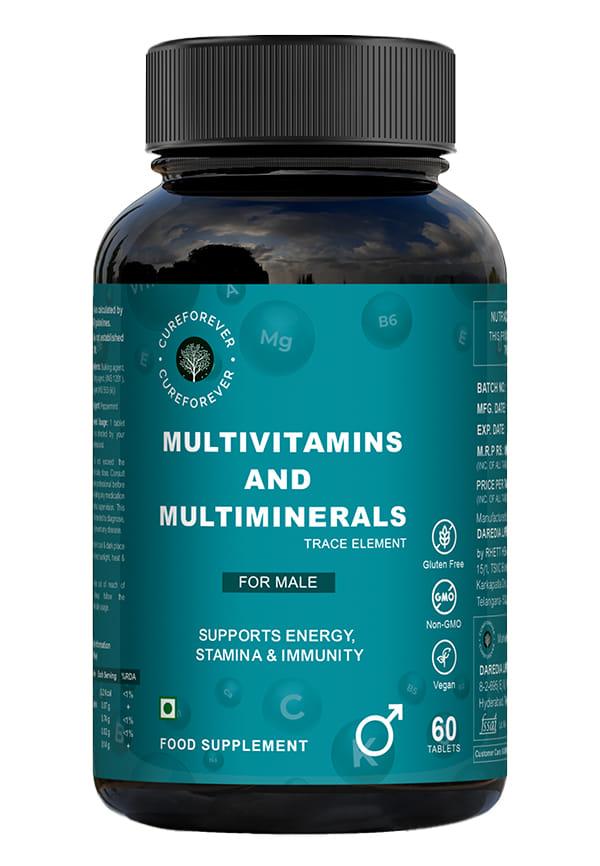
Testosterone Booster for Men
Research shows habit formation typically takes 18-254 days, with an average of 66 days. The timeline varies based on the complexity of the habit, your consistency, and individual factors. Simple habits like drinking water can become automatic within weeks, while complex routines like regular exercise might take several months.
The seven most impactful daily habits include morning hydration, regular movement, balanced nutrition, stress management practices, meaningful social connection, continuous learning, and quality sleep. Start with one or two that feel most achievable for your current lifestyle.
Focus on identity-based habits rather than outcome-based goals. Instead of "I want to lose weight," think "I am someone who takes care of their body." This shift helps you stay motivated even when results aren't immediately visible. Also, celebrate small wins and track progress to maintain momentum.
Replace rather than eliminate. Instead of just trying to stop a bad habit, substitute it with a positive alternative. If you want to stop mindless scrolling, replace it with reading or stretching. This approach is more sustainable because it addresses the underlying need the bad habit was fulfilling.
Ready to put these methods into action? Start with just one technique that resonates with your current situation. If your mornings feel chaotic, try habit stacking with your existing routine. If you're overwhelmed by big goals, embrace the two-minute rule. Choose one small wellness habit you want to build and apply your chosen method for the next week. Don't worry about perfection—focus on showing up consistently. After a week, assess what's working and what needs adjustment. Platforms like Smytten understand that building healthy habits often involves trying new products to support your wellness journey. With over 1,500 trusted brands offering trial-sized versions, you can explore wellness products that align with your new habits without the commitment of full-size purchases. Whether it's trying a new skincare routine as part of your evening wind-down or discovering supplements that support your energy goals, having access to trial options removes the barrier of uncertainty that often stops us from experimenting with products that could enhance our healthy lifestyle.
Building healthy habits fast isn't about speed—it's about smart strategy. These seven methods work because they respect how your brain actually functions while making the process as friction-free as possible. Remember, the goal isn't to transform your entire life overnight but to create small, consistent changes that compound into significant improvements over time. The beauty of this approach is that once you master building one habit quickly, you'll have the skills and confidence to tackle others. Each successful habit becomes proof that you're capable of positive change, making future self-improvement efforts feel more achievable. Start small, be consistent, and trust the process. Your future self will thank you for taking that first small step today. After all, every expert was once a beginner who refused to give up.
