7 Proven Sleep Solutions for Restful Nights

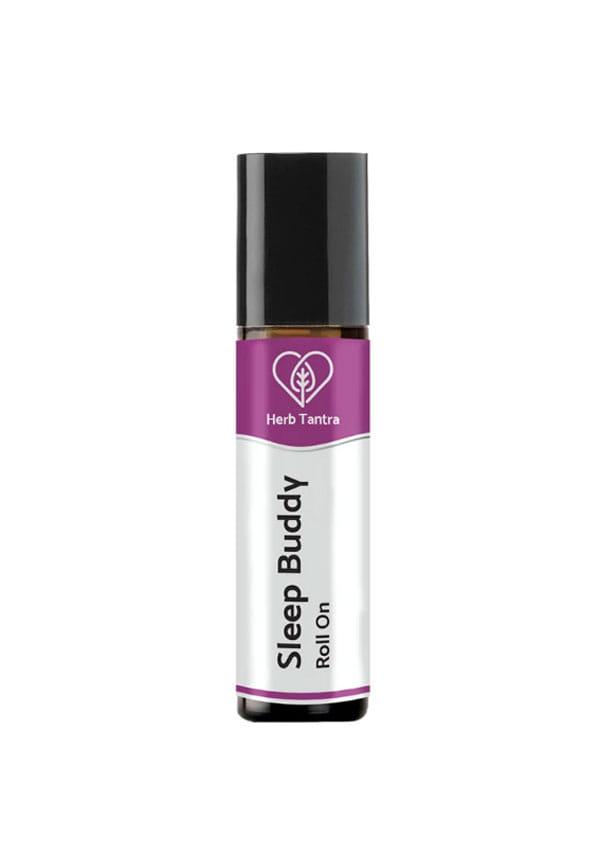
Sleep Buddy Insomnia Relief Roll-On
Tossing and turning all night? You're not alone. Millions struggle with sleep issues, from occasional restlessness to chronic insomnia. The good news? Science has given us proven methods to discover sleep solutions that actually work. Whether you're dealing with stress-induced sleeplessness or simply want to improve your sleep quality, these seven evidence-based techniques can transform your nights from frustrating to refreshing. Let's dive into practical strategies that don't require expensive gadgets or complicated routines—just smart, sustainable changes that fit into your real life.
Sleep isn't just downtime—it's when your body and mind repair, restore, and reset for the next day. Poor sleep quality affects everything from your immune system to your mood, memory, and decision-making abilities. Research shows that adults who consistently get restful sleep have better cardiovascular health, stronger immunity, and improved mental clarity. Sleep disorders affect nearly 30% of adults worldwide, with insomnia being the most common complaint. When you don't get enough quality sleep, your body produces more stress hormones like cortisol, which can create a vicious cycle of anxiety and sleeplessness. The ripple effects touch every aspect of wellness sleep—from your skin's appearance to your ability to maintain a healthy weight. The connection between sleep quality and daily performance is undeniable. Studies reveal that well-rested individuals show 40% better problem-solving skills and 20% improved memory retention compared to those who are sleep-deprived. Your brain literally cleans itself during deep sleep, clearing out toxins that accumulate during waking hours.
The 3-2-1 rule is a simple yet powerful framework that prepares your body for restful sleep by timing your evening activities strategically. This method works by gradually reducing stimulation as bedtime approaches, allowing your natural circadian rhythm to take over. Here's how it works: **3 hours before bed**, stop eating large meals and avoid alcohol. Your digestive system needs time to process food, and alcohol might make you drowsy initially but disrupts deep sleep cycles later. **2 hours before bed**, finish any work or mentally stimulating activities. This gives your brain time to wind down from problem-solving mode. **1 hour before bed**, eliminate all screens and blue light exposure.
This timing isn't arbitrary—it's based on how your body naturally prepares for sleep. Your core body temperature needs to drop for quality sleep to occur, and eating late keeps your metabolism active. Similarly, the blue light from screens suppresses melatonin production, your body's natural sleep hormone.
Start by picking one element to focus on first. If you're a late-night snacker, begin with the 3-hour food cutoff. Once that becomes habit, add the work boundary, then tackle screen time. Remember, better sleep habits develop gradually—don't expect perfection on day one.
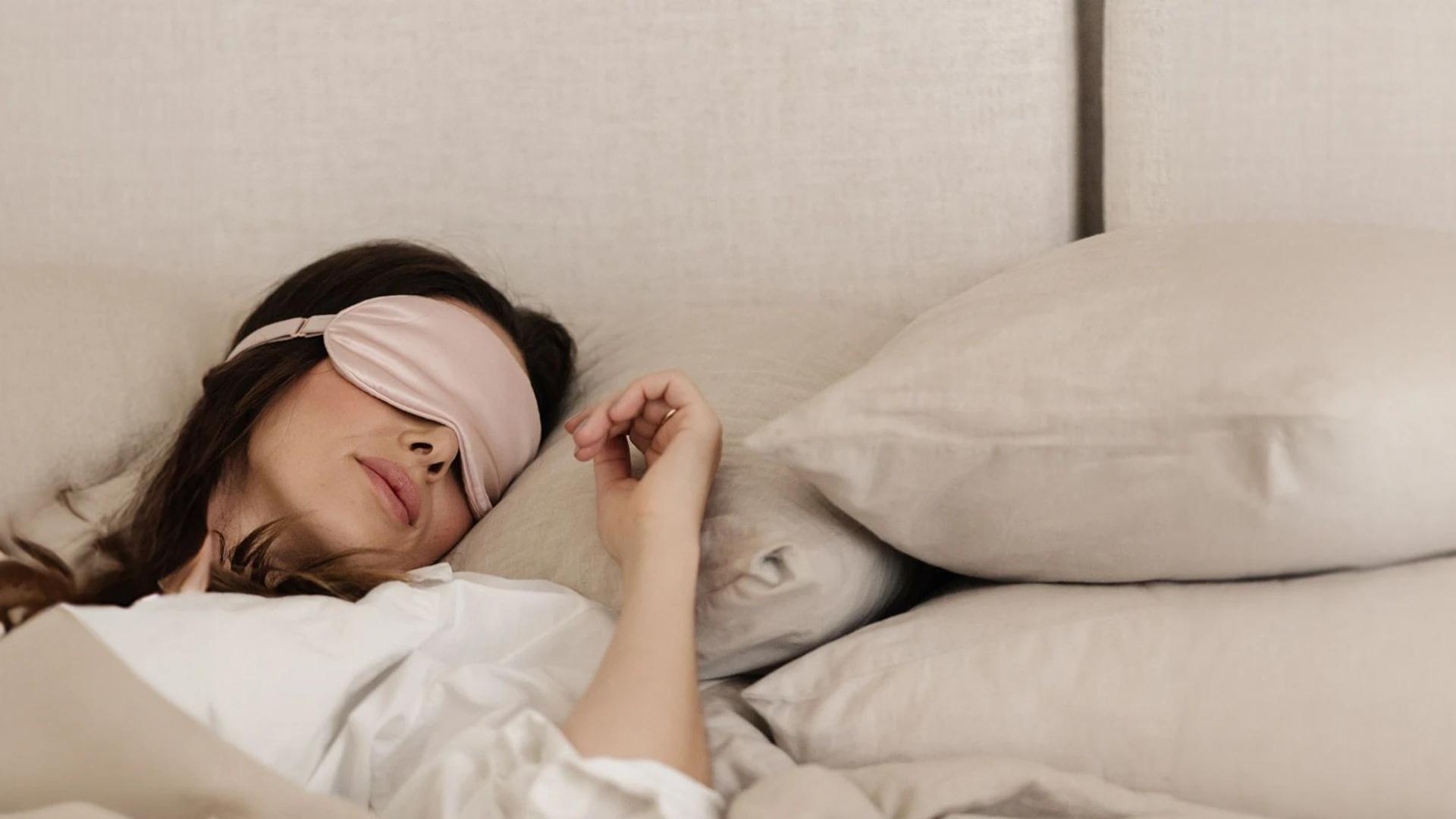
Your bedroom environment plays a massive role in sleep quality. Think of it as creating a sleep sanctuary that signals to your brain that it's time to rest. The ideal sleep environment combines the right temperature, lighting, and sound levels to support natural sleep cycles. Temperature control is crucial—your bedroom should be between 16-19°C (60-67°F). Your body naturally cools down as you fall asleep, and a cooler room supports this process. Invest in breathable bedding materials like cotton or bamboo that help regulate body temperature throughout the night. Lighting matters more than you might think. Even small amounts of light can disrupt melatonin production. Consider blackout curtains or an eye mask if complete darkness isn't possible. For those who need some light for safety, use red-tinted nightlights that don't interfere with sleep hormones.
Consistent, gentle sounds often work better than complete silence. White noise machines or apps can mask disruptive sounds from traffic or neighbours. If you prefer quiet, earplugs designed for sleeping can be game-changers for light sleepers. Air quality affects sleep more than most people realise. Stuffy rooms with poor ventilation can lead to restless nights. Keep your bedroom well-ventilated, and consider an air purifier if you live in a polluted area or have allergies.

Sweet Sleep Tea
Nature offers some of the gentlest yet effective sleep aids available. Unlike pharmaceutical options, natural sleep solutions typically work with your body's existing processes rather than forcing drowsiness. These remedies can be particularly helpful for those who prefer avoiding synthetic medications or want to complement other sleep improvement strategies. Chamomile tea is probably the most well-known natural sleep aid, and research backs up its reputation. The herb contains apigenin, a compound that binds to brain receptors to promote sleepiness. Drinking chamomile tea 30-60 minutes before bed can help signal to your body that it's time to wind down. Valerian root is another evidence-based option that's been used for centuries. Studies suggest it can reduce the time it takes to fall asleep and improve overall sleep quality. However, it can take a few weeks of consistent use to see full benefits, so patience is key.
Lavender essential oil is scientifically proven to promote relaxation and improve sleep quality. You can use it in a diffuser, add a few drops to your pillow, or apply diluted oil to your temples. The scent works by affecting the limbic system, the part of your brain that controls emotions and memory.
The 4-7-8 breathing technique is a simple method that can help calm your nervous system. Inhale for 4 counts, hold for 7, then exhale for 8. This pattern activates your parasympathetic nervous system, which is responsible for the "rest and digest" response.
CBT-I is considered the gold standard treatment for chronic insomnia by sleep specialists worldwide. Unlike quick fixes, this approach addresses the underlying thoughts and behaviours that perpetuate sleep problems. The beauty of CBT-I is that it provides long-term solutions without relying on medications or supplements. Sleep restriction therapy is one core component of CBT-I. It might sound counterintuitive, but temporarily limiting time in bed can actually improve sleep efficiency. By creating mild sleep deprivation, your body learns to fall asleep faster and stay asleep longer. This technique should be done under guidance, as it requires careful monitoring and adjustment. Stimulus control is another powerful CBT-I technique. The goal is to strengthen the association between your bed and sleep. This means using your bed only for sleep and intimacy—no reading, scrolling phones, or watching TV. If you can't fall asleep within 20 minutes, get up and do a quiet activity until you feel sleepy.
Many people with insomnia develop anxiety around sleep itself, creating a cycle where worry about not sleeping actually prevents sleep. CBT-I helps identify and challenge these unhelpful thought patterns. Instead of "I must get 8 hours or I'll be useless tomorrow," you learn to think "I can function on less sleep, and my body will catch up when it needs to."
Modern technology offers sophisticated ways to understand your sleep patterns and identify areas for improvement. Sleep tracking isn't just about counting hours—it's about understanding the quality and stages of your sleep to make informed adjustments to your routine. Sleep tracker devices can monitor everything from heart rate variability to movement patterns throughout the night. Some advanced models can even detect potential sleep apnea by monitoring breathing irregularities and oxygen levels. This information can be invaluable for those who suspect they have underlying sleep disorders. Sleep analyzer apps use your phone's sensors or connect to wearable devices to provide detailed sleep reports. Look for features that track sleep stages (light, deep, and REM sleep), sleep efficiency, and factors that might be affecting your rest. The key is finding patterns—maybe you sleep better on days when you exercise, or perhaps that late afternoon coffee is more disruptive than you thought.
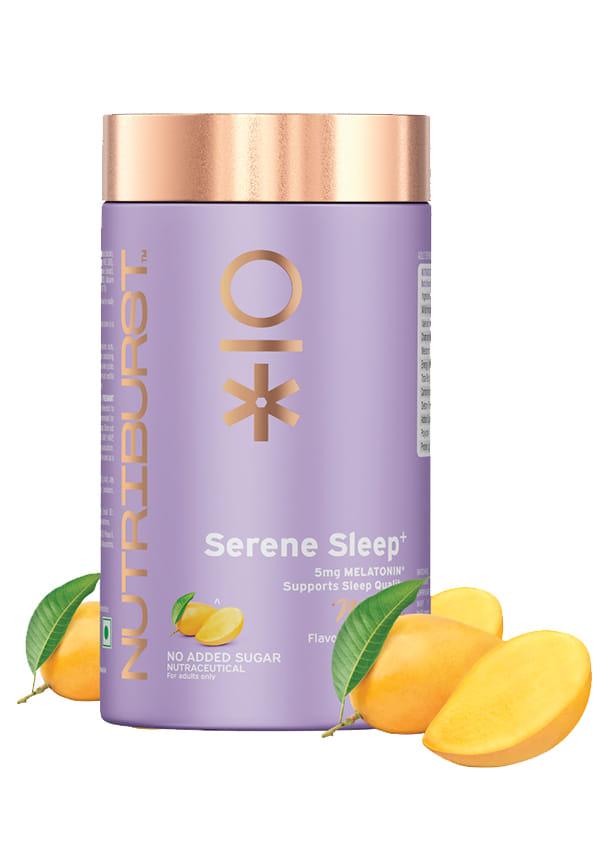
Serene Sleep Gummies Bottles
Nice Product, Refreshing Taste
 5
5“nice product and nice test refresh in morning”
Nice Product, Refreshing Taste
5“nice product and nice test refresh in morning”
Positive Product Review
5“Good product nice flavour look nice also”
Numbers alone don't tell the whole story. Focus on trends rather than individual nights, and pay attention to how you feel upon waking rather than just the data. A night with "perfect" sleep metrics might still leave you feeling groggy if other factors are at play.
Consider keeping a simple sleep diary alongside any tech tools. Note factors like stress levels, evening activities, and how refreshed you feel in the morning. This qualitative data often provides insights that numbers alone can't capture.
Military personnel need to fall asleep quickly under challenging conditions, leading to the development of highly effective sleep techniques. These methods are designed to work even when you're stressed, uncomfortable, or in unfamiliar environments—making them perfect for civilian use too. The Navy SEAL sleep technique combines progressive muscle relaxation with mental imagery. Start by relaxing your facial muscles, then work your way down through your shoulders, arms, chest, and legs. As you release physical tension, visualise a peaceful scene—perhaps floating on calm water or lying in a hammock on a warm day. The 4-7-8 breathing method, popularised by Dr. Andrew Weil, is another military-inspired technique. This pattern helps activate your parasympathetic nervous system, essentially telling your body it's safe to sleep. Practice this technique during the day so it becomes automatic when you need it at night.
This technique involves systematically tensing and then releasing different muscle groups. Start with your toes, tense them for 5 seconds, then release and notice the contrast. Work your way up through your calves, thighs, abdomen, hands, arms, shoulders, and face. The process helps you become aware of physical tension you might not have noticed.
Your brain can't distinguish between real and vividly imagined experiences, making visualisation a powerful sleep tool. Create a detailed mental scene that feels safe and peaceful. Engage all your senses—what do you see, hear, smell, and feel? The more detailed your visualisation, the more effectively it can calm your mind.
Consistency is the secret sauce of good sleep. Your body thrives on routine, and establishing regular sleep habits helps regulate your internal clock. The goal isn't perfection—it's creating a flexible framework that supports good sleep most of the time. Start your bedtime routine 60-90 minutes before you want to be asleep. This gives your body and mind time to transition from day mode to sleep mode. Your routine might include a warm bath, gentle stretching, reading, or listening to calming music. The specific activities matter less than doing them consistently. Weekend sleep schedules can make or break your sleep routine. While it's tempting to sleep in after a long week, dramatic shifts in sleep timing can disrupt your circadian rhythm. Try to keep your wake time within an hour of your weekday schedule, even on weekends.
If you work irregular hours or travel frequently, you'll need to be more strategic about sleep. Light exposure becomes crucial—seek bright light when you need to be alert and avoid it when you need to sleep, regardless of the time of day.
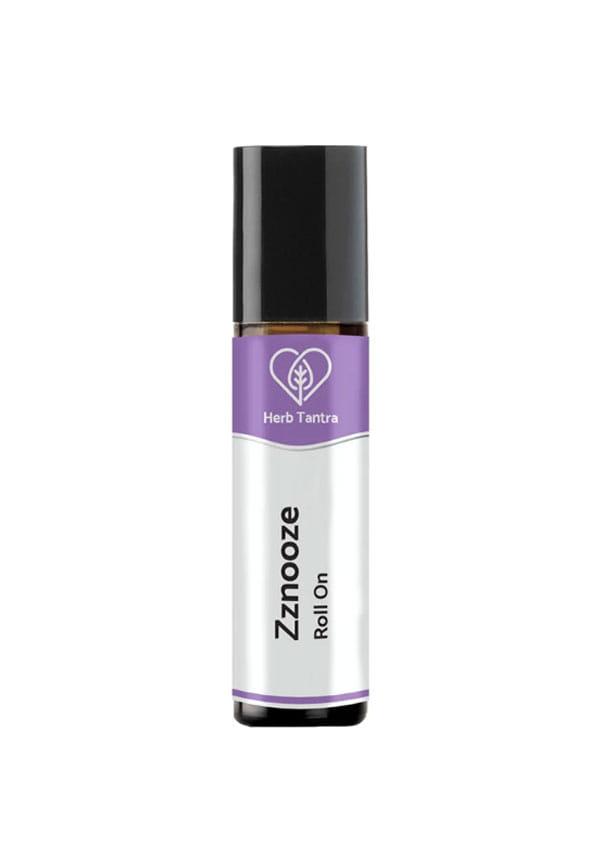
Zznooze Roll On For Better Sleep quality
Building better sleep habits takes time—research suggests it takes an average of 66 days for a new behaviour to become automatic. Start with one small change and build from there. Maybe you begin by putting your phone in another room at night, then gradually add other elements to your routine. Smytten understands that wellness is about finding what works for your unique lifestyle. As India's largest product discovery platform, Smytten connects you with trusted wellness brands that can support your sleep journey. From aromatherapy products to herbal teas, you can try different natural sleep solutions through curated trial packs before committing to full-size purchases.
The 3-2-1 rule is a sleep preparation strategy: stop eating and drinking alcohol 3 hours before bed, finish work and stimulating activities 2 hours before bed, and eliminate screens 1 hour before bed. This gradual wind-down helps your body prepare for restful sleep.
Cognitive Behavioural Therapy for Insomnia (CBT-I) is considered the gold standard treatment for chronic sleep issues. It addresses the root causes of sleep problems through behaviour modification and thought pattern changes, providing long-term solutions without medication dependency.
Combine technology with personal observation. Use a sleep tracker or app to monitor sleep stages and patterns, but also keep a simple diary noting how you feel upon waking, stress levels, and daily activities that might affect sleep. Look for trends over weeks rather than focusing on individual nights.
See a sleep specialist if you consistently have trouble falling asleep or staying asleep for more than a month, experience loud snoring or breathing interruptions, feel excessively tired during the day despite adequate sleep time, or if sleep problems are affecting your work or relationships.
Most natural sleep aids like chamomile tea and lavender are generally safe for long-term use. However, herbal supplements like valerian root should be used with caution and ideally under guidance from a healthcare provider, especially if you're taking other medications or have health conditions.
Improving your sleep doesn't require dramatic lifestyle overhauls or expensive solutions. These seven proven methods work because they address different aspects of sleep—from your environment and habits to your mindset and physical preparation. The key is finding the combination that works for your lifestyle and sticking with it consistently. Start with one or two techniques that feel most manageable for you. Maybe it's implementing the 3-2-1 rule or creating a simple bedtime routine. As these become natural, gradually add other strategies. Remember, good sleep is an investment in every aspect of your health and wellbeing. With over 25 million users discovering products that enhance their wellness journey, Smytten makes it easy to explore natural sleep solutions without the commitment of full-size purchases. Whether you're curious about herbal teas, aromatherapy products, or other wellness essentials, you can try them all through affordable trial packs. After all, when it comes to finding your perfect sleep routine, why settle for 'maybe' when you can try it all?
