7 Powerful Stomach Detox Tricks for Gut Health


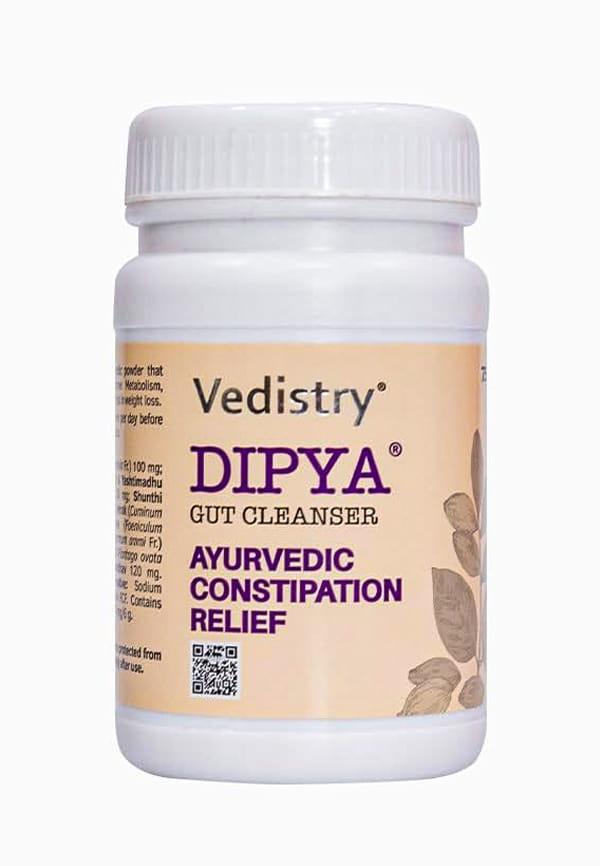
Gut Cleansner
Your stomach's been sending you signals, hasn't it? That uncomfortable bloating after meals, the sluggish feeling that just won't shift, or maybe that nagging sense that your digestive system needs a proper reset. Real talk—your gut works overtime processing everything you eat and drink, and sometimes it needs a bit of support to function at its best. A stomach detox isn't about dramatic cleanses or miracle cures; it's about giving your digestive system the tools it needs to naturally cleanse and restore balance. Whether you're dealing with occasional bloating or simply want to support your overall gut health, these seven science-backed methods can help your digestive system feel lighter, cleaner, and more energised.
Let's clear up the confusion first. A stomach detox focuses on supporting your digestive system's natural cleansing processes, whilst a gut cleanse typically refers to broader intestinal health, and a stomach cleanse specifically targets the stomach lining and acid production. Think of it as giving your digestive system a gentle reset rather than a dramatic overhaul.
Your body already has brilliant detox mechanisms—your liver, kidneys, and digestive tract work around the clock to process and eliminate waste. But modern life can overwhelm these systems. Processed foods, stress, irregular eating patterns, and environmental toxins can slow down your natural digestive processes, leading to that uncomfortable feeling of being "backed up" or bloated.
Your gut has its own way of asking for help. Watch out for these signals: • Persistent bloating, especially after meals • Irregular bowel movements or constipation • Feeling sluggish or tired after eating • Frequent heartburn or acid reflux • Unexplained fatigue or brain fog • Skin issues that seem linked to digestive problems
Research shows that supporting your digestive health can improve everything from nutrient absorption to immune function. Your gut houses about 70% of your immune system, so keeping it healthy affects your entire body. A gentle stomach detox helps remove built-up waste, supports beneficial bacteria, and gives your digestive organs a chance to function more efficiently.
These methods work with your body's natural processes rather than against them. Each technique supports different aspects of digestive health, and you can combine them for maximum benefit. Remember, the goal isn't to shock your system but to gently encourage optimal function.
Water is your digestive system's best friend, but timing and quality matter. Start each morning with a large glass of warm water to kickstart your digestive processes. For a deeper cleanse, try a gentle saltwater flush once weekly. Mix one teaspoon of high-quality sea salt into a litre of warm water and drink it first thing in the morning on an empty stomach. This helps flush out toxins and can provide quick bloating relief. Only do this if you're in good health and can stay near a bathroom for the next few hours.
Fibre acts like a natural scrub brush for your intestines, helping sweep away waste and toxins. Soluble fibre feeds beneficial gut bacteria, whilst insoluble fibre adds bulk and helps things move along smoothly. Best sources include apples with skin, berries, leafy greens, beans, and whole grains. Start slowly—adding too much fibre too quickly can cause gas and bloating. Aim for an extra 5 grams per day until you reach 25-35 grams daily.
Kidney Detox Capsules
Forget expensive commercial detox drinks—you can make effective ones at home. Green smoothies with spinach, cucumber, lemon, and ginger support natural detoxification whilst providing essential nutrients. Try this simple recipe: blend one cup spinach, half a cucumber, juice of one lemon, a thumb-sized piece of fresh ginger, and a cup of water. Drink this first thing in the morning for best results. The combination helps stimulate digestion and provides antioxidants that support liver function.
Resistant starches are carbohydrates that resist digestion in your small intestine, reaching your colon where they feed beneficial bacteria. This supports a healthy gut microbiome, which is crucial for proper digestion and overall wellness. Cooled potatoes, green bananas, and cooked-then-cooled rice are excellent sources. These foods help produce short-chain fatty acids that nourish your gut lining and reduce inflammation.
Probiotics introduce beneficial bacteria that support digestive health and help crowd out harmful microorganisms. They're particularly helpful after antibiotic use or periods of poor diet. Fermented foods like yoghurt, kefir, sauerkraut, and kimchi provide natural probiotics. If choosing supplements, look for multi-strain formulas with at least 10 billion CFUs. Take them with food to help the bacteria survive stomach acid.
Certain herbs have been used for centuries to support digestive health. Peppermint tea can ease bloating and gas, whilst ginger tea stimulates digestion and reduces nausea. Fennel tea is particularly effective for reducing bloating and supporting healthy bowel movements. Drink herbal teas between meals rather than with food to avoid diluting digestive enzymes. Chamomile tea before bed can help reduce stress-related digestive issues.
Giving your digestive system regular breaks allows it to focus on repair and cleansing rather than constantly processing food. A simple 12-hour fast (like eating dinner at 7 PM and breakfast at 7 AM) can be beneficial. For beginners, try the 16:8 method—eat within an 8-hour window and fast for 16 hours. This gives your gut time to complete the migrating motor complex, a natural cleansing wave that occurs during fasting periods.
Sometimes you need immediate relief from digestive discomfort. These techniques can help when you're feeling uncomfortably bloated or sluggish.
Deep breathing exercises can stimulate the vagus nerve, which controls digestion. Try the 4-7-8 technique: inhale for 4 counts, hold for 7, exhale for 8. Gentle movement like walking or yoga poses such as child's pose and spinal twists can help trapped gas move through your system.
Peppermint tea, fennel seeds, or a small piece of fresh ginger can provide quick relief. Avoid carbonated drinks, which can worsen bloating, and foods high in FODMAPs if you're sensitive.
Kidney Detox Formula
If bloating is severe, persistent, or accompanied by severe pain, fever, or vomiting, consult a healthcare provider immediately. These could be signs of a more serious condition requiring medical attention.
Your digestive health doesn't exist in isolation—it's connected to every aspect of your wellness routine. Sleep quality directly affects gut health, with poor sleep disrupting the gut microbiome and increasing inflammation.
Aim for 7-9 hours of quality sleep nightly. Create a bedtime routine that includes dimming lights and avoiding screens for at least an hour before bed. Your gut repairs itself during sleep, so this isn't negotiable for optimal digestive health.
Regular movement stimulates digestion and helps maintain healthy bowel movements. You don't need intense workouts—gentle activities like walking, swimming, or yoga are particularly beneficial for digestive health. Timing matters too. Light exercise after meals can aid digestion, but avoid intense workouts immediately after eating as this can divert blood flow away from your digestive organs.
Chronic stress wreaks havoc on digestion by reducing stomach acid production and slowing gut motility. Practice stress-reduction techniques like meditation, deep breathing, or whatever helps you unwind. The gut-brain connection is real—your digestive system has its own nervous system that communicates directly with your brain. Managing stress isn't just good for your mental health; it's essential for digestive wellness.
Whilst natural stomach detox methods are generally safe for healthy adults, certain conditions require caution or medical supervision. Always consult a healthcare provider before starting any detox programme if you have underlying health conditions.
Avoid stomach detox methods if you're pregnant, breastfeeding, have a history of eating disorders, or take medications that could interact with increased fibre or herbal supplements. Children and elderly individuals should also avoid intensive detox protocols.
Discontinue any detox method if you experience severe abdominal pain, persistent diarrhoea, dehydration, dizziness, or any concerning symptoms. Gentle methods shouldn't cause severe discomfort.
High-fibre foods and supplements can affect medication absorption. If you take prescription medications, space them at least two hours apart from fibre supplements and consult your pharmacist about potential interactions.
Ultiboost Liver Detox Supplement
Start with gentle methods like increasing water intake, adding more fibre-rich foods gradually, and incorporating herbal teas. Focus on supporting your body's natural detox processes rather than forcing dramatic changes. Always listen to your body and stop if you experience discomfort.
A safe 3-day approach includes drinking plenty of water, eating light meals with lots of vegetables and fruits, avoiding processed foods, and incorporating gentle herbal teas. Don't expect dramatic results—real digestive health improvements take time and consistency.
Warm lemon water, green smoothies with leafy vegetables, herbal teas like peppermint or ginger, and plenty of plain water are most effective. Avoid commercial detox drinks with artificial ingredients or excessive sugar.
Combine increased fibre intake, probiotics from fermented foods, regular exercise, stress management, and adequate sleep. This holistic approach supports your gut's natural ability to heal and maintain balance.
Whilst you might lose some water weight initially, sustainable weight loss comes from long-term healthy eating and lifestyle habits. Focus on digestive health for its own benefits rather than as a weight loss strategy.
Gentle daily habits like proper hydration and fibre intake are best for ongoing digestive health. More intensive methods like saltwater flushes should be done sparingly—perhaps monthly at most, and only if you're in good health.
Supporting your digestive health doesn't require expensive supplements or extreme measures. These seven natural stomach detox methods work because they support your body's existing systems rather than fighting against them. The key is consistency—small daily habits often produce better results than occasional intensive cleanses.
Remember, everyone's digestive system is unique. What works brilliantly for your friend might need tweaking for your body. Start slowly, pay attention to how you feel, and adjust accordingly. Your gut health affects everything from your energy levels to your immune system, so it's worth investing time in getting it right.
When exploring wellness products to support your digestive health journey, platforms like Smytten make it easier to discover what works for your body without the commitment of full-size purchases. With trial packs from trusted wellness brands, you can explore different supplements, herbal teas, or digestive support products before deciding what deserves a permanent spot in your wellness routine. After all, why settle for guessing when you can try it all and find what truly supports your digestive wellness goals?
