7 Natural Energy Boosters to Fight Fatigue Fast


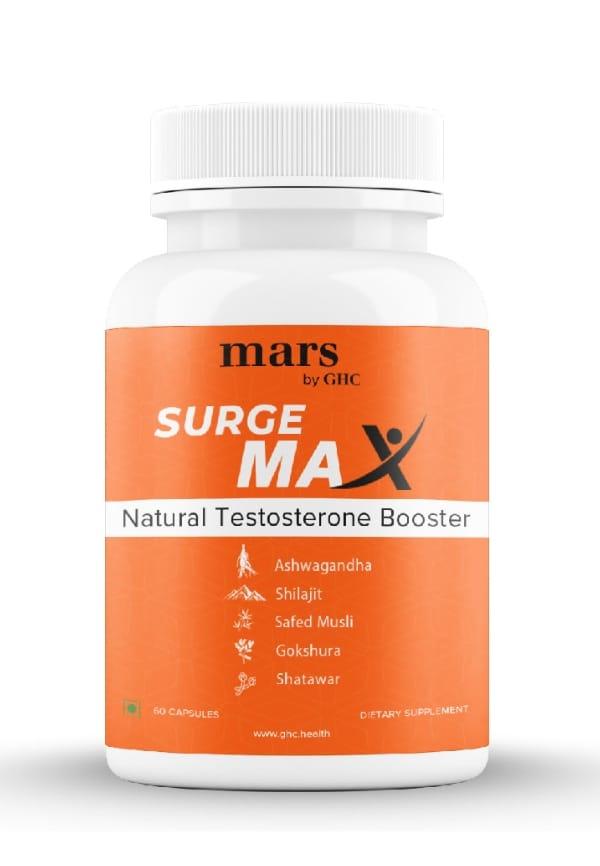
Natural Energy Booster
That 3 PM slump hits different, doesn't it? One minute you're crushing your to-do list, the next you're staring at your screen wondering if your brain decided to take an unscheduled holiday. If you're tired of relying on your fourth cup of coffee or those energy drinks that leave you crashing harder than a dropped phone, it's time to explore natural energy boosters for fatigue that actually work. These science-backed methods don't just mask tiredness—they tackle the root causes and give you sustained vitality without the jittery aftermath. Ready to fight fatigue the smart way?
Let's be real—chronic fatigue isn't just about not getting enough sleep. Your energy levels can tank for loads of reasons: dehydration, poor nutrition, stress, lack of movement, or even breathing patterns you've never thought twice about. The thing is, most quick fixes like synthetic stimulants create a vicious cycle. They spike your energy temporarily, then leave you more drained than before. Natural energy boosters work differently. Instead of forcing your system into overdrive, they support your body's natural energy production processes. Think of it like this: synthetic stimulants are like flooring the accelerator in a car that's running on fumes, while natural methods are like actually filling up the tank and tuning the engine. Research shows that natural approaches to combat tiredness provide more stable, long-lasting results. They work with your circadian rhythms, support cellular energy production, and don't leave you with that dreaded crash. Plus, many of these methods start working within minutes—no waiting around for pills to kick in.
These aren't your typical "drink more water" suggestions (though hydration definitely makes the list). Each of these natural energy boosters for fatigue has solid research behind it and can genuinely help you boost energy levels fast.
Your breath is probably the most underrated tool for instant energy. When you're stressed or tired, your breathing becomes shallow, which means less oxygen reaches your brain and muscles. Power breathing techniques can increase energy almost immediately. Try the 4-7-8 technique: breathe in for 4 counts, hold for 7, exhale for 8. Do this 3-4 times and notice how much more alert you feel. For an even quicker fix, try "bellows breathing"—rapid, shallow breaths through your nose for 30 seconds. It sounds simple, but this natural energy hack works by increasing oxygen flow and activating your sympathetic nervous system.
Not all energy boosting foods are created equal. You want options that provide quick fuel without the sugar crash. Bananas with almond butter give you natural sugars plus protein and healthy fats for sustained energy. Dark chocolate (70% cacao or higher) contains natural caffeine and theobromine for a gentle energy lift. Apples with a handful of nuts work brilliantly too—the fruit provides quick-acting natural sugars whilst the nuts offer protein and healthy fats to keep your energy stable. The key is combining simple carbs with protein or healthy fats to avoid blood sugar spikes that lead to crashes later.
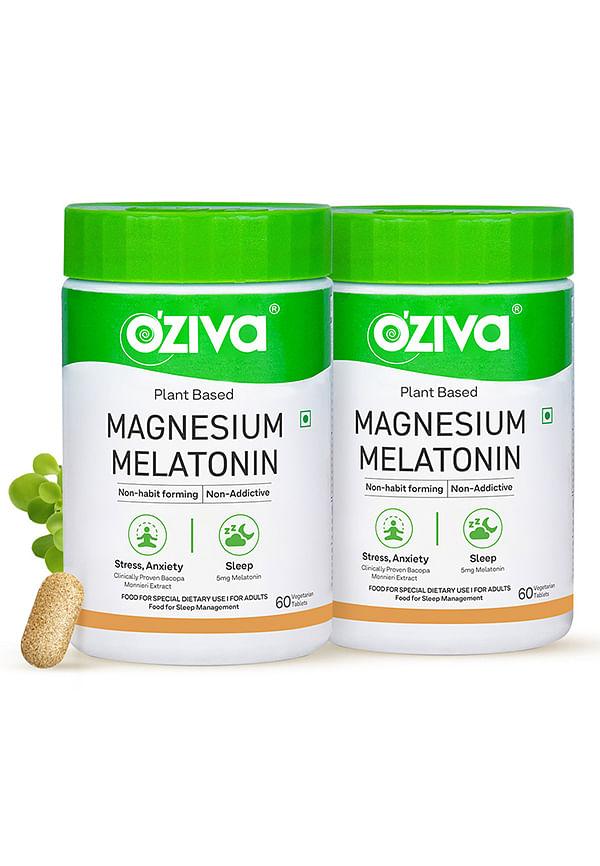
Magnesium Melatonin - Restful Sleep, Reduced Stress, Anxiety
Amazing Product, Great on Skin
 4
4“amazing product.. great on skin..I love it”
Dehydration is sneaky. Even mild dehydration (just 2% of body weight) can zap your energy and mental clarity. But it's not just about chugging water—strategic hydration for natural energy involves timing and electrolyte balance. Start your day with a large glass of water with a pinch of sea salt and lemon. The salt helps with absorption, whilst the lemon provides vitamin C and helps alkalise your system. Throughout the day, sip water consistently rather than waiting until you feel thirsty. If you're feeling sluggish, try coconut water—it's nature's sports drink with natural electrolytes that help combat tiredness.
This might sound counterintuitive, but moving your body when you're tired actually helps boost energy levels. You don't need a full workout—even 5 minutes of movement can increase circulation, release endorphins, and wake up your nervous system. Try desk stretches like shoulder rolls, neck stretches, or simply standing up and doing 10 jumping jacks. If you can step outside, a brisk 5-minute walk works wonders. The combination of fresh air, natural light, and movement is like hitting the reset button on your energy levels.
Your circadian rhythm controls more than just sleep—it regulates energy production throughout the day. Getting natural light exposure, especially in the morning, helps optimise this internal clock and provides sustained natural energy. Spend 10-15 minutes outside within an hour of waking up, even if it's cloudy. If you're stuck indoors, sit near a window or invest in a light therapy lamp. Afternoon light exposure can also help prevent that post-lunch energy dip. This is one of the most effective wellness tips for maintaining consistent energy levels.
Adaptogens are herbs that help your body adapt to stress and maintain energy balance. Unlike stimulants, these energy supplements work gradually to support your body's natural energy systems without causing crashes. Ashwagandha is brilliant for reducing fatigue caused by stress, whilst rhodiola can improve mental clarity and physical endurance. Ginseng has been used for centuries to fight fatigue and support overall vitality. When exploring natural energy boosters for fatigue through supplements, platforms like Smytten make it easy to try different brands and formulations before committing to full-size purchases.
A well-timed nap can be incredibly effective to combat tiredness, but there's an art to it. The sweet spot is 10-20 minutes—long enough to feel refreshed but short enough to avoid grogginess. Nap between 1-3 PM when your natural energy dips, and create a cool, dark environment. Set an alarm and don't worry if you don't actually fall asleep—just resting with your eyes closed can help increase energy. Avoid napping after 4 PM as it can interfere with nighttime sleep.

Melatonin With Vitamin B6 - Tablets Promotes Restful Sleep & Relaxation
Genuine Product
5“As described. Checked online is not counterfeit.”
The magic happens when you stack these techniques strategically. You don't need to use all seven at once—that would be overwhelming and unnecessary. Instead, create your personal energy protocol based on your lifestyle and energy patterns. For morning energy, try combining hydration with natural light exposure and some gentle movement. If you're dealing with afternoon fatigue, pair power breathing with a healthy snack and perhaps some adaptogenic tea. The key is to boost energy levels consistently throughout the day rather than waiting for crashes to happen. Start with 2-3 techniques that feel most doable for your routine. Once these become habits, you can experiment with adding others. Remember, consistency beats intensity when it comes to maintaining healthy energy levels.
Whilst these energy boosters can provide immediate relief, building sustainable energy requires a combination of quick fixes and long-term strategies. For immediate relief (0-15 minutes), focus on breathing techniques, hydration, and movement. Medium-term solutions (1-7 days) include optimising your sleep schedule, incorporating adaptogenic supplements, and establishing consistent meal timing. Long-term energy optimisation involves addressing underlying factors like chronic stress, nutrient deficiencies, or hormonal imbalances. The goal isn't to rely on quick fixes forever, but to use them whilst building a foundation for sustained healthy energy. Think of immediate techniques as your emergency toolkit whilst you work on the bigger picture.
Whilst these wellness tips can significantly help fight fatigue, persistent exhaustion might signal underlying health issues. If you're consistently tired despite adequate sleep, good nutrition, and regular movement, it's worth consulting a healthcare provider. Conditions like thyroid disorders, anaemia, sleep apnoea, or chronic fatigue syndrome require medical attention. Depression and anxiety can also manifest as physical fatigue. Don't ignore persistent tiredness—your body might be trying to tell you something important. Natural energy boosters can complement medical treatment but shouldn't replace professional care when needed. A good healthcare provider will work with you to identify root causes whilst supporting your use of natural methods.
Power breathing techniques work within 2 minutes. Try the 4-7-8 breathing pattern or bellows breathing for almost instant results. Combining this with a glass of water and some natural light exposure can amplify the effect.
Most adaptogenic herbs like ashwagandha and rhodiola are safe for daily use when taken as directed. However, it's best to cycle them (take breaks) and consult with a healthcare provider, especially if you're taking other medications.
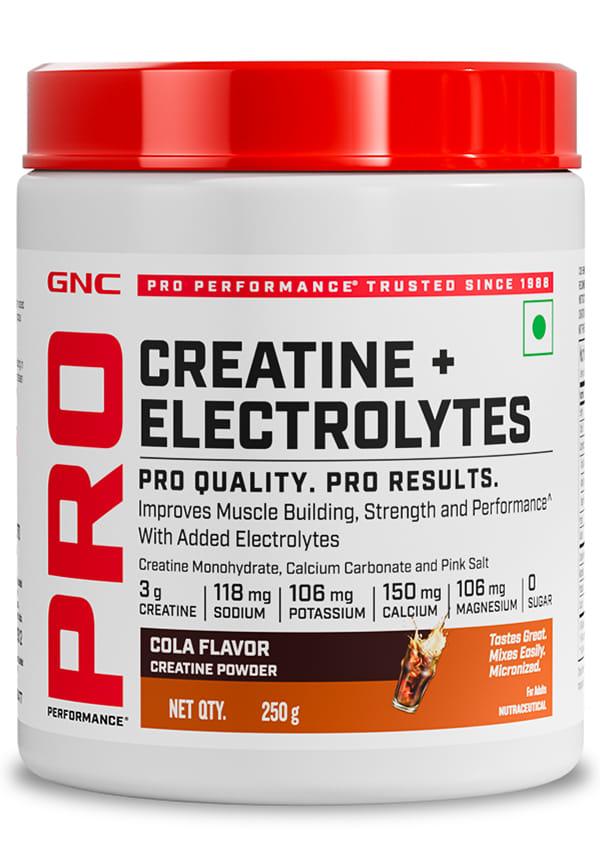
Pro Performance Creatine+ Electrolytes, Cola
It varies by method. Breathing techniques and movement work within minutes, whilst hydration and food take 15-30 minutes. Adaptogenic supplements may take days to weeks for full effects, but some people notice benefits within hours.
Absolutely! In fact, combining methods often works better than using them individually. Just start slowly and pay attention to how your body responds. Avoid overdoing stimulating herbs if you're sensitive to caffeine.
Foods that combine complex carbs with protein or healthy fats work best. Think apples with nuts, Greek yoghurt with berries, or hummus with vegetables. These provide steady energy without blood sugar spikes.
Seek help if fatigue persists despite good sleep, affects your daily functioning, comes with other symptoms like unexplained weight changes or mood issues, or if you feel exhausted even after rest.
Fighting fatigue naturally isn't about finding one magic solution—it's about building a toolkit of natural energy boosters for fatigue that work for your lifestyle. Whether you're dealing with afternoon slumps or chronic tiredness, these science-backed methods can help you reclaim your vitality without relying on artificial stimulants. The beauty of natural approaches is that they work with your body rather than against it. Start with the techniques that feel most accessible, be consistent, and don't be afraid to experiment. Your energy levels are too important to leave to chance, and with these tools, you'll never have to settle for feeling tired and sluggish again. After all, why settle for 'maybe' when you can try it all and find what truly works for you?
